
Mastering the Fifth-Grade Classroom: Proven Management Strategies
Cultivating a Dynamic and Respectful Learning Environment for Upper Elementary Students
Key Insights for Fifth-Grade Classroom Management
- Build Strong Relationships and Community: Fifth graders are social creatures who thrive on connection. Investing time in getting to know each student and fostering a sense of belonging can significantly reduce behavioral issues and enhance motivation.
- Establish and Consistently Enforce Clear Expectations and Routines: Predictability and structure are paramount. Co-creating rules with students, explicitly teaching procedures, and applying consequences and positive reinforcement consistently provides a secure and organized learning space.
- Empower Students with Responsibility and Autonomy: Fifth graders are ready for increased independence. Assigning meaningful classroom jobs, offering choices, and allowing opportunities for collaborative learning leverages their desire for autonomy and fosters self-management.
Effective classroom management is the cornerstone of a successful and engaging learning environment, especially for fifth graders who are at a unique developmental stage. They are transitioning from elementary to middle school, exhibiting increased social awareness, a desire for independence, and a keen eye for sincerity. A well-managed classroom not only minimizes disruptions but also maximizes learning time, fosters positive relationships, and empowers students to take ownership of their education.
Foundational Pillars of Fifth-Grade Classroom Management
Successful classroom management for fifth graders is built upon several core principles that emphasize structure, relationships, and student empowerment. These foundational elements work in concert to create a space where students feel safe, respected, and ready to learn.
Cultivating Relationships and Community
Building genuine connections with students is perhaps the most impactful strategy. Fifth graders are highly attuned to their teachers' sincerity and respond well to empathy and understanding. When students feel seen, heard, and valued, they are more likely to trust their teacher and adhere to classroom expectations.
Personalized Greetings and Check-ins
Starting the day with a personalized greeting for each student at the door, making eye contact, and using their name can set a positive tone for the entire day. This small gesture demonstrates care and acknowledges their presence, making them feel welcomed and noticed. Additionally, subtle check-ins throughout the day, such as "The Look" or a quiet word, can effectively redirect behavior without public embarrassment.
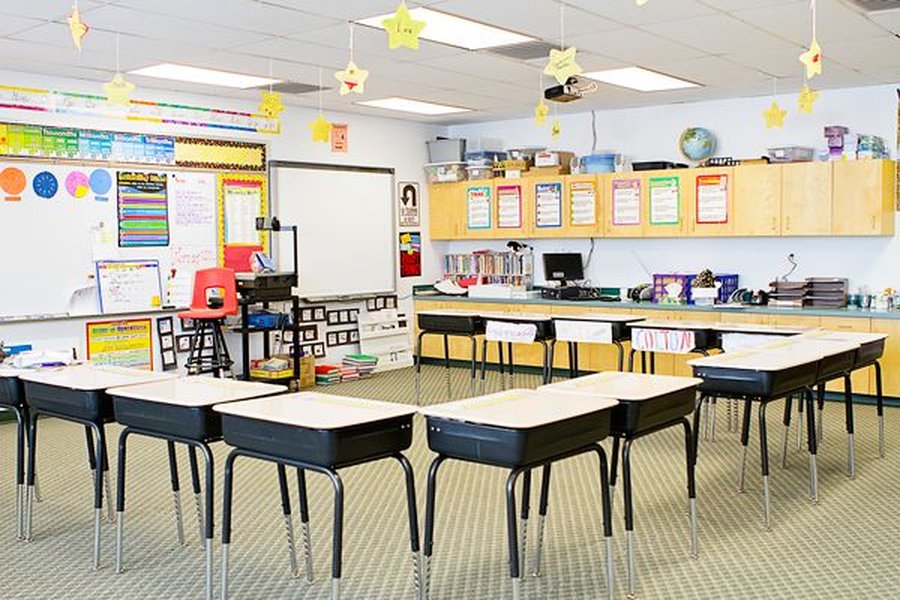
A cheerful and organized fifth-grade classroom, fostering a positive learning atmosphere.
Community Building Activities
Fifth graders are social creatures. Leveraging this by incorporating monthly community-building activities promotes positivity, strengthens peer-to-peer relationships, and cultivates a sense of belonging. Activities like having students write positive notes to a chosen classmate can enhance classroom cohesion and mutual respect. Creating a class agreement instead of just rules, where students collaboratively decide what an effective classroom looks like, gives them a sense of trust and ownership.
Establishing Clear Expectations and Routines
Consistency and clarity are vital for fifth graders. They thrive on knowing what to expect, and well-established routines reduce anxiety and minimize opportunities for misbehavior.
Co-creating and Documenting Rules
Involving students in the creation of classroom rules fosters a sense of ownership and increases their likelihood of adhering to them. These rules should be few, clear, and prominently displayed. Documenting rules ensures everyone is aware of the expectations and their consequences.
Explicitly Teaching Procedures
Routines and procedures are distinct from rules. Procedures outline *how* things are done in the classroom, from entering the room to turning in assignments. For fifth graders, these procedures should be explicitly taught, modeled, and practiced repeatedly at the beginning of the year. This upfront investment saves significant time and reduces disruptions later on.
Consistent Enforcement and Fair Consequences
Consistency is key to effective discipline. Rules and consequences should be applied fairly and predictably, regardless of the student or activity. Avoiding threats and instead focusing on teaching and guiding behavior through positive discipline strategies, which emphasize kindness and respect, leads to more lasting change. It's crucial to follow through on stated consequences and never threaten what cannot be enforced.
Empowering Students with Responsibility and Autonomy
Fifth graders are ready for more independence and responsibility. Providing opportunities for them to contribute meaningfully to the classroom fosters a sense of purpose and self-management.
Meaningful Classroom Jobs
Moving beyond simple tasks, assigning meaningful and skilled classroom jobs—such as "tech support," "environmental support," or "librarian"—gives fifth graders valuable responsibilities. These roles leverage their increasing capabilities and teach them accountability. Students gain pride from having special duties and strive to meet or exceed expectations.
Providing Choices and Fostering Initiative
Offering students acceptable choices within boundaries can empower them and reduce power struggles. This could be choices in how they complete an assignment, where they sit for independent work, or which group activity they participate in. Encouraging initiative also allows students to take ownership of their learning and behavior.
Dynamic Strategies for Managing Behavior
Beyond the foundational elements, specific dynamic strategies can help address common challenges in a fifth-grade classroom and maintain an engaging learning environment.
Proactive Behavior Management
The best way to manage behavior is to prevent misbehavior from occurring in the first place. This involves anticipating common triggers and strategically setting up the classroom and activities.
Strategic Seating Arrangements and Movement
Fifth graders are highly social. Desks can be clustered to allow for interaction and collaboration, but with enough space to prevent traffic jams and unnecessary talking. Avoid seating arrangements that have students with their backs to the teacher. Incorporating brain breaks and opportunities for movement throughout the day can also help manage energy levels and maintain focus.
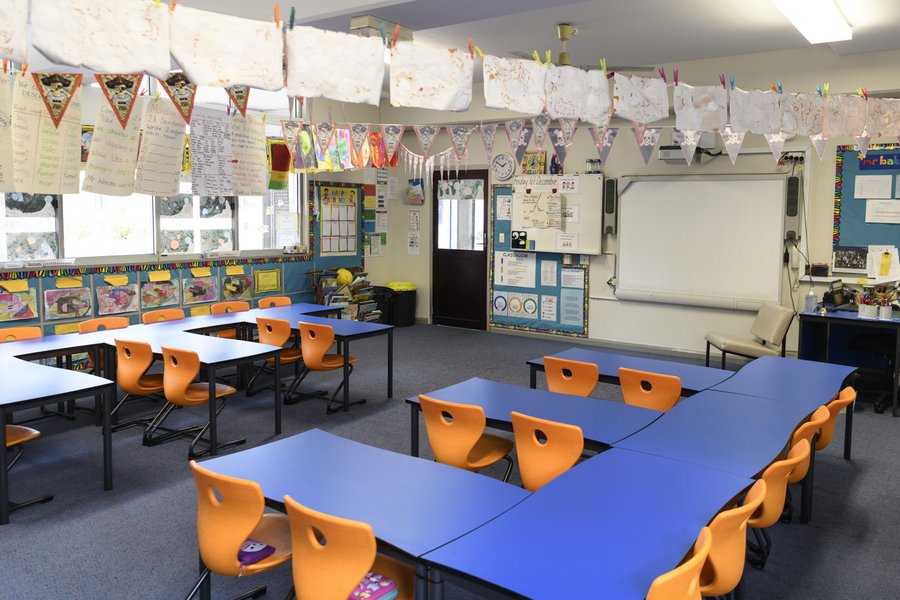
A modern classroom setup with various seating arrangements to support flexible learning and student interaction.
Attention Getters and Non-Verbal Cues
Developing clear attention-getting signals (e.g., claps, chants, or a specific phrase) can quickly bring a noisy class to focus without shouting. Non-verbal cues like "The Look" or proximity control (moving closer to a student who is off-task) are subtle yet effective ways to redirect behavior. Maintaining a normal tone of voice and avoiding arguments also sets a calm and authoritative tone.
Responsive Discipline Approaches
When misbehavior occurs, a responsive approach focuses on teaching and growth rather than just punishment.
Positive Reinforcement Systems
Implement systems that reward positive behavior and effort, not just academic achievement. This can be through verbal praise, small incentives, or a class-wide reward system. Positive reinforcement encourages students to repeat desired behaviors and fosters a positive classroom culture.
Private Communication and Feedback
Offering students a private way to communicate concerns, such as an "I Wish My Teacher Knew" jar, can help address issues before they escalate. Providing feedback on behavior discreetly rather than announcing corrections to the whole class preserves student dignity and allows for self-reflection.
Key Elements for Effective Classroom Management
This radar chart illustrates the relative importance and impact of various classroom management strategies for a fifth-grade class, based on a comprehensive analysis of effective practices. The further a point is from the center, the greater its perceived impact on overall classroom success.
As depicted in the radar chart, building strong relationships and consistently enforcing clear expectations are paramount. Proactive strategies and engaging instruction also hold significant weight, as they prevent issues before they arise. Student responsibility and autonomy, while crucial, require a strong foundation of clear expectations and relationships to be truly effective.
Essential Practices for Daily Classroom Success
Beyond broad strategies, certain daily practices can make a substantial difference in maintaining a well-managed fifth-grade classroom.
Effective Communication
Clear and consistent communication with students and parents is a non-negotiable for effective management.
Student-Teacher Communication
Foster an open line of communication where students feel comfortable expressing themselves. This includes speaking at a normal volume, actively listening to student concerns, and avoiding arguments. Students are more likely to cooperate when they feel respected and understood.
Parent-Teacher Communication
Regular communication with parents is crucial. Take-home folders for weekly updates on progress and concerns are an effective method. Offering positive feedback to parents, not just negative, builds a supportive partnership and reinforces desired behaviors at home.
Maintaining Engagement and Focus
Keeping fifth graders engaged is a primary deterrent to disruptive behavior. Their social nature can be channeled into productive learning if activities are well-planned.
Varied Instructional Methods
Incorporate a variety of teaching methods to cater to different learning styles and keep students stimulated. This includes hands-on activities, collaborative projects, and technology integration. Learning should be indistinguishable from play, whenever possible, to maintain their interest.
Managing Distractions
Fifth graders are susceptible to distractions, especially with technology. Proactively addressing these by setting clear guidelines for device use and minimizing clutter in the classroom can help maintain focus. Flexible classroom setup that allows for movement can also prevent restlessness.
A Comprehensive Look at Classroom Management Elements
This table summarizes key classroom management techniques, their benefits, and specific examples tailored for a fifth-grade environment. It highlights the interconnectedness of these strategies in fostering a productive learning space.
| Management Element | Description | Benefits | 5th Grade Example |
|---|---|---|---|
| Clear Expectations & Rules | Collaboratively establish and clearly communicate behavioral guidelines. | Reduces ambiguity, promotes student ownership, sets boundaries. | Students help create a "Classroom Agreement" outlining expectations for respect and learning. |
| Consistent Routines & Procedures | Explicitly teach and practice daily operational procedures. | Increases predictability, maximizes instructional time, reduces chaos. | Morning entry routine, transition signals between activities, clear dismissal procedures. |
| Relationship Building | Invest time in getting to know students and fostering positive connections. | Builds trust, increases student buy-in, creates a supportive environment. | Greeting students at the door, "I Wish My Teacher Knew" jar, monthly community activities. |
| Positive Reinforcement | Acknowledge and reward desired behaviors and efforts. | Encourages repetition of good behavior, boosts self-esteem, motivates. | Verbal praise for on-task behavior, class points for collective effort, positive notes home. |
| Student Responsibility & Autonomy | Provide opportunities for students to take ownership and make choices. | Fosters independence, teaches accountability, boosts engagement. | Assigning skilled classroom jobs (e.g., "tech expert"), offering choice in project topics. |
| Proactive Strategies | Anticipate and address potential behavioral issues before they arise. | Prevents escalation, maintains flow, minimizes disruptions. | Strategic seating charts, varying activities to maintain engagement, using non-verbal cues. |
| Effective Discipline | Implement fair, firm, and consistent consequences that teach. | Guides behavior, reinforces boundaries, promotes self-correction. | Private conversation about off-task behavior, cool-down corner, restorative practices. |
Insights from Experienced Educators: A Video Perspective
Effective classroom management is a skill honed over time, and hearing directly from experienced educators can provide invaluable practical advice. The following video offers a deep dive into successful strategies for managing behavior in a fifth-grade classroom, showcasing realistic approaches and techniques that resonate with the unique dynamics of this age group.
A YouTube video offering practical tips and strategies for managing behavior in a 5th-grade classroom.
This video, titled "HOW TO MANAGE BEHAVIOR IN A 5TH CLASSROOM!", delves into specific classroom rules and procedures that are particularly effective for fifth graders. It emphasizes the importance of teaching these procedures explicitly, much like academic content, to ensure students understand the expectations. The advice aligns with many of the strategies discussed, such as establishing clear expectations, fostering a sense of community, and utilizing effective communication to prevent and address behavioral challenges. It highlights how these strategies contribute to a more orderly and productive learning environment, directly answering the user's query with real-world application.
Considerations for a Successful Year
Remember that classroom management is an ongoing process that requires flexibility and adaptation. What works for one class or one student might not work for another. It's important to continuously observe, reflect, and adjust your strategies based on the unique dynamics of your classroom.
Flexibility and Adaptation
As the school year progresses and student dynamics evolve, be prepared to adapt your management approach. Staying flexible ensures that your strategies remain effective and responsive to the needs of your students. Regularly assess what's working and what isn't, and be willing to make changes.
Self-Care for Educators
Classroom management can be demanding. Prioritizing self-care and seeking support from colleagues or professional development resources is essential for sustained effectiveness and well-being. A well-rested and supported teacher is better equipped to manage the challenges of the classroom.
Frequently Asked Questions
What is the most important aspect of classroom management for fifth graders?
How can I get fifth graders to be more responsible?
What should I do if a student is constantly disruptive?
How do I maintain classroom management without shouting?
Should fifth graders help create classroom rules?
Conclusion
Effective classroom management for fifth graders is a multifaceted endeavor that combines clear structure, consistent routines, strong relationship building, and empowering students with responsibility. By focusing on proactive strategies, fostering a positive community, and maintaining open communication with students and parents, educators can create a dynamic, respectful, and highly productive learning environment where fifth graders can thrive, develop self-management skills, and prepare for the next stage of their academic journey.
Recommended Further Exploration
- Explore strategies for building strong teacher-student relationships in elementary school.
- Discover effective positive reinforcement techniques for upper elementary students.
- Learn about implementing restorative justice in the classroom for behavior management.
- Investigate how designing engaging lessons can improve student behavior and focus.
References
Last updated May 21, 2025