
Perception of Grade-12 HUMSS Students Towards Work Immersion
An In-depth Analysis of Experiences, Skills, and Career Readiness
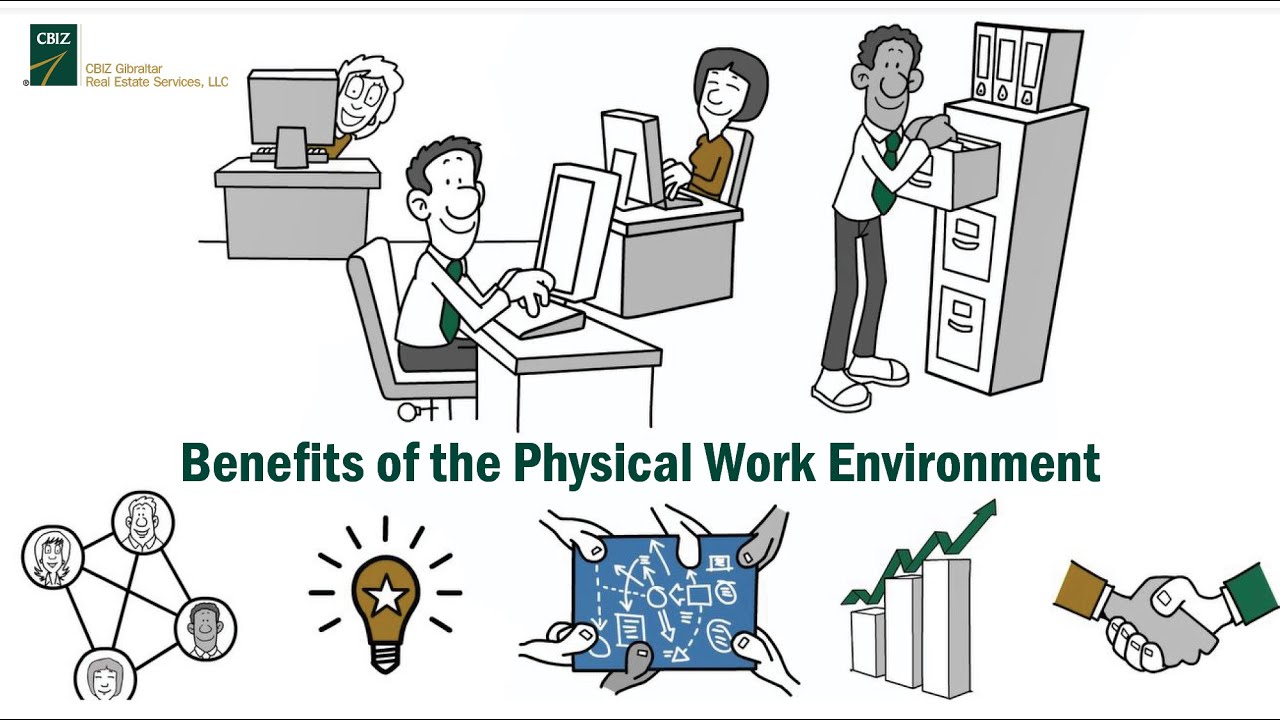
Key Highlights
- Enhanced Skill Development: Work immersion equips students with practical workplace competencies and soft skills essential for real-world success.
- Career Clarity and Networking: Exposure to actual work environments refines career choices and builds valuable professional relationships.
- Balanced Challenges and Benefits: While offering significant experiential learning, work immersion also presents distinct challenges that require adaptive strategies.
Understanding the Role of Work Immersion in HUMSS Education
The implementation of work immersion programs within the Humanities and Social Sciences (HUMSS) curriculum offers an experiential platform for Grade-12 students to bridge academic theory with tangible workplace experiences. In a context where education is evolving beyond traditional classrooms, work immersion serves as a critical mechanism for preparing students for professional life. By directly engaging with the nuances of the modern work environment, students are able to enhance their technical competencies alongside vital soft skills such as communication, teamwork, and problem-solving. This comprehensive experience not only allows them to gain relevant knowledge but also provides insights that are pivotal in making informed career decisions.
The Dual Role of Work Immersion
Work immersion functions in two primary capacities: firstly, as a practical training ground that bolsters job readiness, and secondly, as an exploratory venture that sharpens students’ career aspirations. This dual purpose is crucial for HUMSS students who are often at a crossroads, trying to align their personal interests with professional trajectories. The hands-on exposure helps students to assess their strengths, identify areas for improvement, and build self-confidence through direct engagement in the work environment.
Practical Skill Acquisition
One of the foremost advantages of work immersion programs is skill development. Students report significant progress in a variety of skills, ranging from technical capabilities tied to their academic pursuits to soft skills that enhance interpersonal interactions and problem-solving. Such programs offer a learning curve that encompasses:
- Integration of theoretical knowledge with real-world applications.
- Development of professional etiquette and work habits.
- Enhanced communication, both verbal and written.
- Improvement in teamwork, adaptability, and critical thinking.
These competencies are integral for success in a variety of modern professions and are particularly beneficial for students progressing into higher education or the workforce.
Exploration of Career Paths
Work immersion also offers an invaluable opportunity for career exploration. Many HUMSS students enter the program with a general idea about their future directions but lack sufficient exposure to specific industries and roles. Through immersion, students interact with professionals, observe workplace dynamics, and experience first-hand the day-to-day responsibilities associated with different career fields. This exposure helps them identify their interests and affinities, leading to more refined career choices.
By participating in volunteer job interviews, professionals' orientations, and workplace assignments, students gain a realistic preview of the career paths available to them. Such experiences are critical for evaluating the demands and rewards of various professions, thereby facilitating better decision-making when choosing a future career trajectory.
Experiences and Perceptions: A Multifaceted Overview
Positive Perceptions and Overall Value
The majority of Grade-12 HUMSS students perceive work immersion in a favorable light. This positive outlook is driven by the immediate benefits that extend into long-term professional development:
- Enhanced Confidence: Immersion experiences empower students, bolstering self-assurance as they navigate real workplace challenges.
- Better Preparedness: The skills acquired during these immersion periods translate directly into readiness for both further education and entry-level employment.
- Informed Decision-Making: First-hand exposure to professional environments allows students to align their academic knowledge with their future aspirations, leading to more informed career choices.
These benefits lay a strong foundation that prepares students not merely for a job, but for a sustained career development journey. They see the program not only as a curriculum requirement but also as a well-rounded educational tool that contributes significantly to both personal growth and professional readiness.
Challenges and Areas for Improvement
Despite its many benefits, work immersion is not without challenges. Students have noted several limitations and obstacles that can hamper the full potential of the experience:
- Limited Placement Options: Some students find that the available immersion placements do not always align closely with their career interests, leading to a mismatch between their expectations and actual experiences.
- Insufficient Structured Guidance: A number of students report a lack of comprehensive mentorship or clear-cut objectives during their immersion, which sometimes leaves them feeling underprepared or lost in the new work environment.
- Adjustment Difficulties: The transition to a real work setting, particularly for those who are more accustomed to academic settings, can induce anxiety and stress, impacting the quality of learning initially.
- Challenges in Remote Settings: In cases where work immersion is conducted remotely, issues such as unstable internet, noisy environments, and time management issues have been cited as interfering factors.
Addressing these challenges is pivotal. Recommendations include enhancing school and workplace collaboration to create more structured immersion programs, thereby ensuring that each student’s experience is both relevant and enriching. Schools can incorporate mandatory feedback loops with workplace mentors to continuously refine the immersion experience.
Detailed Comparative Insights
Table of Key Findings
| Aspect | Key Observations | Benefits | Challenges |
|---|---|---|---|
| Skill Development | Enhancement in both technical and soft skills through practical exposure and hands-on tasks. | Improved communication, teamwork, adaptability. | Inconsistent skill training due to variable placements. |
| Career Exploration | Real-world exposure helps students understand career possibilities and workplace dynamics. | Clarity in career decision-making, better alignment with future goals. | Limited placement options and lack of customized experiences. |
| Networking Opportunities | Interaction with industry professionals enabling mentorship and professional growth. | Development of potential future job connections and industry insights. | Opportunities may be limited by placement quality and duration. |
| Personal Growth | Exposure to professional environments builds confidence and a mature work outlook. | General readiness for academic and professional challenges ahead. | Initial adjustment issues and the stress of adapting to a formal workplace. |
Feedback and Continuous Improvement
Feedback from Grade-12 HUMSS students is essential to the evolution of work immersion programs. Many students express a desire for:
- A more structured support system that includes regular mentor interactions and clearly defined objectives.
- Enhanced alignment of placements with the specific career interests of HUMSS students, ensuring that immersion placement areas genuinely reflect academic specializations.
- Opportunities to take on more responsibility within the workplace to further bridge the gap between academic theory and practical application.
Such feedback underscores the importance of a responsive and evolving program, where continuous evaluation, based on direct student input, leads to gradual program refinements. This iterative process ensures that the work immersion experience remains highly beneficial and relevant, thereby supporting both immediate learning outcomes and long-term career readiness.
Broader Impacts on Future Career Success
Long-Term Career Advantages
By providing a realistic preview of the work environment, the work immersion program significantly strengthens the foundational competencies that are critical in the professional world. The long-term advantages include:
- Enhanced Employability: Having direct experience in a work setting instills a level of proficiency and ease that new entrants into the job market greatly benefit from.
- Broader Perspectives: Exposure to diverse work cultures and practices broadens students’ viewpoints, making them more versatile and adaptive in a global workforce.
- Practical Decision Making: Experiential learning allows students to understand the tangible demands and rewards associated with different professions, refining their personal and career goals through practical insights.
The paradigm shift from theoretical education to practical engagement empowers HUMSS students to launch their careers with a well-rounded understanding of professional expectations and workplace dynamics. This results in a more confident and job-ready generation, capable of navigating complex work environments and contributing meaningfully from the outset.
Interdisciplinary Relevance
Although work immersion is integrated into the HUMSS curriculum, the skills acquired during these programs have interdisciplinary relevance. The competencies developed are applicable across a multitude of fields—from public administration to community development and beyond. As such, the work immersion program acts as a bridge not only for skills and career exploration within HUMSS but also for further academic pursuits and professional opportunities in adjacent areas.
Reference Materials
For those interested in exploring deeper insights into the perceptions, challenges, and benefits of work immersion among HUMSS students, refer to the following resources which provide comprehensive details drawn from various studies and research papers:
- The Impact of the Work Immersion Program to the Grade 12 Students - Academia.edu
- Work Immersion Experience Analysis - Multi Research Journal
- HUMSS Work Immersion Study - Scribd
- Work Immersion Support and Workplace Skills - ResearchGate
-
A Comprehensive Analysis of Work Immersion Programs - AAJMRA
Recommended Further Searches
 hhtpdotorg.wordpress.com
Last updated March 5, 2025