
Achieving Granulation in Watercolours
Discover methods, pigments, and techniques for unique textured effects
Key Takeaways
- Granulating Pigments: Select pigments such as Ultramarine, Cobalt Blue, and certain earth tones for natural granulation.
- Specialized Media & Techniques: Use granulation mediums and techniques like wet-on-wet and layering to enhance texture.
- Paper & Mixing: Choose textured, rough-surfaced papers and experiment with water mixes for varying granulation effects.
Understanding Granulation in Watercolours
Granulation refers to a distinctive textural effect in watercolour painting where pigment particles cluster as they settle on the paper. This phenomenon produces a mottled, grainy visual quality that many artists seek to incorporate into their work. The effect occurs due to the natural properties of certain pigments and is often deliberately enhanced through various techniques and mediums. Achieving granulation not only adds depth to your paintings but also introduces an element of unpredictability that can make your artwork stand out.
Core Components of Granulation
Granulating Pigments
Central to achieving a granulating effect is the use of pigments that naturally tend to clump together. Inorganic pigments are particularly known for their granulating properties because of their larger, irregular particles. For instance, pigments such as French Ultramarine, Ultramarine Blue, and certain blues and earth tones (including Raw Sienna, Burnt Umber, and Burnt Sienna) often display a strong granulation. Other pigments like Cobalt Violet and Prussian Blue offer options for those seeking variation in texture.
When selecting your paints, consider the quality and type of pigment. Student-grade watercolours may have lower pigment concentrations and might not exhibit the expected granulation compared to professional-grade options, which are richer in pigment and offer more pronounced grain.
Granulation Mediums
In addition to pigment choices, granulation mediums are designed to enhance this effect. Products like Winsor & Newton’s Granulation Medium can be mixed with your paints. These mediums work by modifying the way pigments settle, allowing even non-granulating colours to adopt a textured, mottled look. By altering the paint's consistency and drying behavior, granulation mediums create richer and more pronounced textural effects.
Techniques to Enhance Granulation
Several painting techniques can further promote a granulated look. One of the most popular methods is the wet-on-wet technique, wherein you apply paint to a wet surface. This allows the pigment to move freely, creating natural clusters or granular deposits as the water evaporates. Another effective method is layering: applying multiple layers of paint, each allowed to dry fully, can build up granulation as pigments interact with previously deposited textures.
Additionally, control over wash thickness and water dilution greatly impacts granulation. Painting with a higher water ratio may encourage pigment particles to separate and settle in an uneven manner, accentuating the granular effect.
The Role of Paper and Mixing Techniques
Paper Texture
The choice of paper is crucial in maximizing granulation. Rough or textured papers—especially cold-pressed watercolours—provide a surface that enhances the natural clumping effect of the pigments. The inherent irregularities and tactile qualities of such papers help trap pigment particles, thereby accentuating the grain effect. Experimenting with various textured papers allows you to determine which supports your style and desired outcome.
Mixing Granulating and Non-Granulating Colours
Mixing granulating pigments with smoother ones can also yield interesting results. By combining both types, you can precisely control the intensity and distribution of grain. Achieving the right balance might involve testing different ratios and water dilutions. This blend can produce dynamic, multi-textured washes that enhance both depth and vibrancy in your final work.
Methods and Process for Creating Granulated Effects
Various methods can be employed to achieve and control granulation in watercolour paintings. While the natural granulating tendency of pigments is significant, artistic techniques and materials provide extra layers of control and variation.
Step-by-Step Process Guide
1. Select Your Materials
Start by carefully selecting your pigments. Prioritize known granulating pigments like:
- French Ultramarine
- Ultramarine Blue
- Cobalt Blue
- Burnt Umber or Sienna
- Cobalt Violet (for a different twist)
Supplement these with a granulation medium if you wish to intensify effects or incorporate otherwise smooth pigments into a granulated texture. Additionally, use rough, cold-pressed paper to maximize texture.
2. Prepare the Surface
A crucial aspect of granulation is the condition of the paper. Lightly wet the paper before applying your paint for a wet-on-wet technique, which facilitates the natural movement and clustering of pigment particles. Alternatively, you can experiment with applying first a base wash before layering the granulating colours.
3. Apply the Paint and Techniques
Once your paper is prepped, apply your selected granulating pigments. If using a granulation medium, mix it with your watercolour paint according to the manufacturer’s instructions. Techniques such as tilting the paper can encourage pigment separation, while controlled layering can build up the texture progressively. It is advisable to allow each layer to dry completely to retain the distinct granulated effect.
4. Experiment with Mixed Applications
Consider mixing granulating and non-granulating colours to introduce nuanced textures. This careful integration enables you to experiment with varying degrees of granulation, which can be particularly effective in creating atmospheric effects or distinguishing specific areas of your composition.
Comparative Overview of Granulation Techniques
The following table presents a comparative summary of materials and techniques commonly used to achieve granulation in watercolours:
| Aspect | Description | Examples/Recommendations |
|---|---|---|
| Granulating Pigments | Pigments that naturally clump and create textured effects. | French Ultramarine, Ultramarine Blue, Cobalt Blue, Burnt Umber, Burnt Sienna, Cobalt Violet |
| Granulation Medium | Auxiliary product that enhances granulation, even in non-granulating pigments. | Winsor & Newton Granulation Medium |
| Techniques | Methods such as wet-on-wet, layering, and controlled drying to accentuate pigment separation. | Wet-on-Wet, Layering, Tilt Control, Using Spray Bottles |
| Paper Texture | Surface condition that influences pigment adhesion and granulation. | Cold-Pressed or Rough Watercolour Paper |
| Mixing Methods | Combining granulating with non-granulating colours to adjust the intensity of texture. | Experiment with various ratios and water dilutions |
Additional Considerations and Tips
Environmental and Process Variables
The environment in which you work can also subtly impact the granulation effect. Variables such as ambient temperature, humidity, and even the speed at which water evaporates from your paper can all affect how pigments cluster. While these are typically beyond your control, adjusting your working techniques to suit your environment can help maintain consistency in your work.
Experiment and Document
Granulation, while based on predictable principles, offers room for artistic expression through experimentation. Consider keeping a visual journal or log to record your methods, pigment choices, and environmental conditions. Observation and documentation will help you identify patterns over time, allowing you to replicate your preferred effects or innovate on them further.
DIY Additives
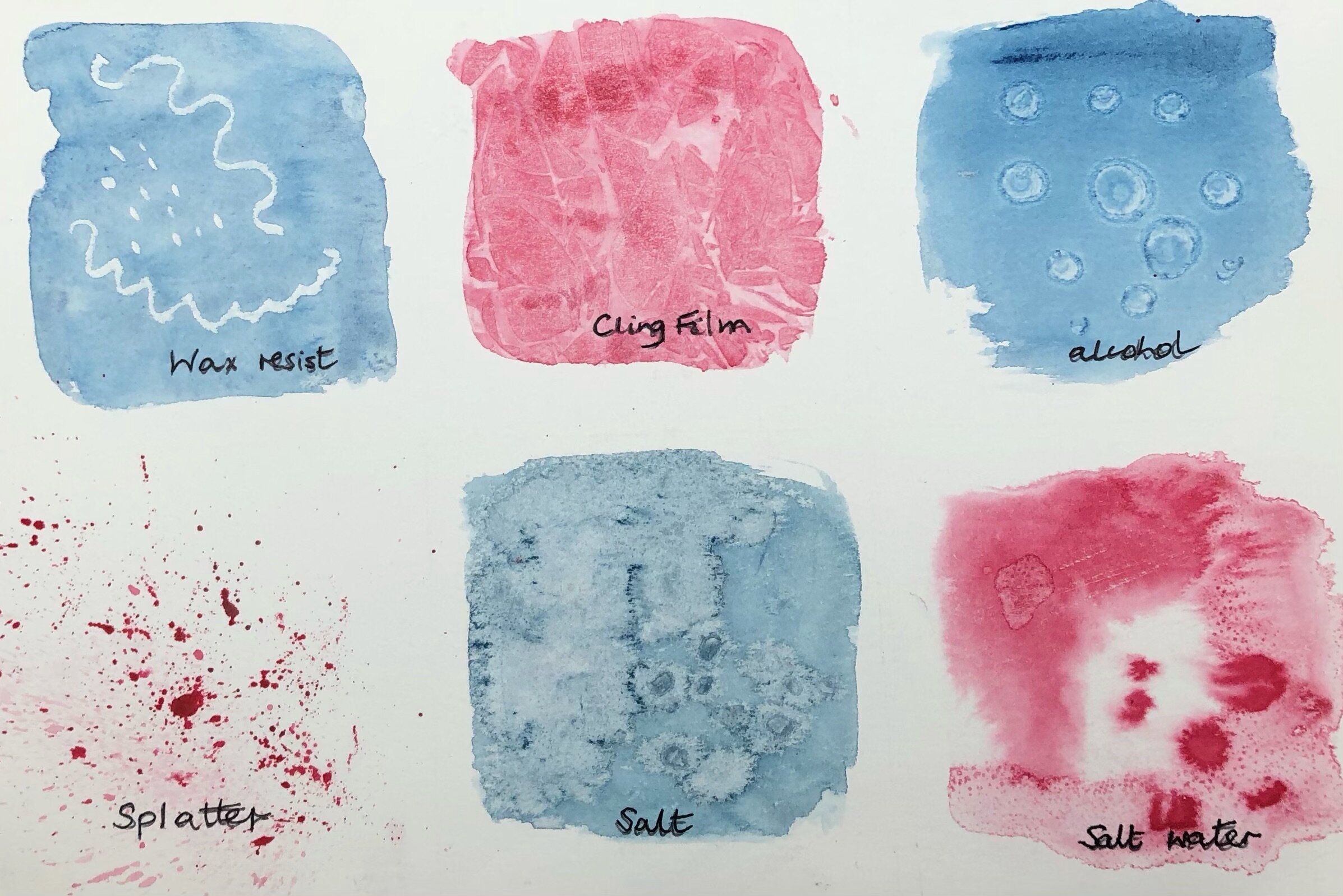
In addition to commercially available mediums, some artists experiment with everyday materials like salt or rice. While using salt (sprinkled on wet paint) can create interesting textural contrasts before being gently brushed away, caution is advised as salt may degrade paper if used excessively. Such creative approaches offer further avenues to customize the granulation effect to your artistic vision.
Maintaining Consistency
When aiming for a consistent granulation effect, it is critical to understand the interplay between materials and techniques. Practice is essential as small adjustments in water content, drying times, or even the sequence of layers can result in markedly different outcomes. By gradually perfecting your approach, you can reliably produce desired textures in your watercolour practice.
References
- All You Ever Wanted to Know About Watercolor Granulation - Watercolor Affair
- All About Watercolor Granulation by Sarah Becktel - Strathmore Artist
- Granulation Techniques Watercolour - Winsor & Newton
- What is Watercolour Granulation? - Jackson's Art Blog
- Granulating Colours - Royal Talens
Recommended Related Queries
 janeblundellart.blogspot.com
Last updated March 19, 2025