
Weaving Justice Anew: How Grassroots Transformative Models Empower Marginalized Communities Beyond State Control
Exploring community-led pathways to healing, accountability, and systemic change outside traditional legal frameworks.
Key Insights
- Beyond Punishment: Transformative Justice (TJ) prioritizes healing, accountability, and systemic change over punitive measures, operating independently of state-controlled courts and prisons.
- Community-Centered: Grassroots TJ models are developed and led by communities themselves, particularly vital for marginalized groups facing barriers or harm within traditional legal systems.
- Holistic Approach: TJ addresses harm by focusing on survivor needs, root cause analysis, violence prevention, and fostering community resilience and connection.
Understanding Transformative Justice: A Paradigm Shift
Transformative Justice (TJ) represents a fundamental departure from conventional approaches to harm and conflict. Instead of relying on state-sanctioned systems like police, courts, and prisons—often referred to as the carceral system—TJ seeks to address violence and wrongdoing through community-based processes rooted in healing, accountability, and systemic transformation. It's a philosophy and a set of practices primarily developed and utilized within communities, especially those marginalized or poorly served by traditional legal structures.
The core idea is not merely to resolve individual incidents but to fundamentally change the conditions that allow harm to occur. This involves understanding harm within its broader social, economic, and political context, acknowledging that factors like poverty, racism, sexism, homophobia, and other forms of oppression contribute significantly to violence and conflict. TJ aims to "make things right" or restore "right relations" within a community context, building connections and fostering opportunities for genuine change rather than simply punishing offenders.
Distinguishing TJ from Other Approaches
Beyond Restorative Justice
While sharing roots with restorative justice (which focuses on repairing harm between victim, offender, and community), transformative justice broadens the scope. It explicitly incorporates a social justice lens, challenging the underlying systemic inequalities—like white supremacy, patriarchy, or economic injustice—that perpetuate harm. It seeks not just interpersonal repair but societal transformation.
An Alternative to the Carceral State
TJ fundamentally operates *outside* the state's legal and penal systems. This is a critical distinction. It recognizes that for many marginalized communities, state institutions have historically been sources of harm, violence, and injustice rather than avenues for redress. Therefore, TJ seeks solutions that do not rely on policing, prosecution, or imprisonment, focusing instead on community-driven interventions and accountability mechanisms.
The Power of Grassroots Action
The "grassroots" nature of transformative justice is central to its identity and effectiveness. These models are not imposed from above but emerge organically from within communities grappling with harm. They are often led by local organizers, community members, survivors, and activists who develop culturally relevant and context-specific strategies.
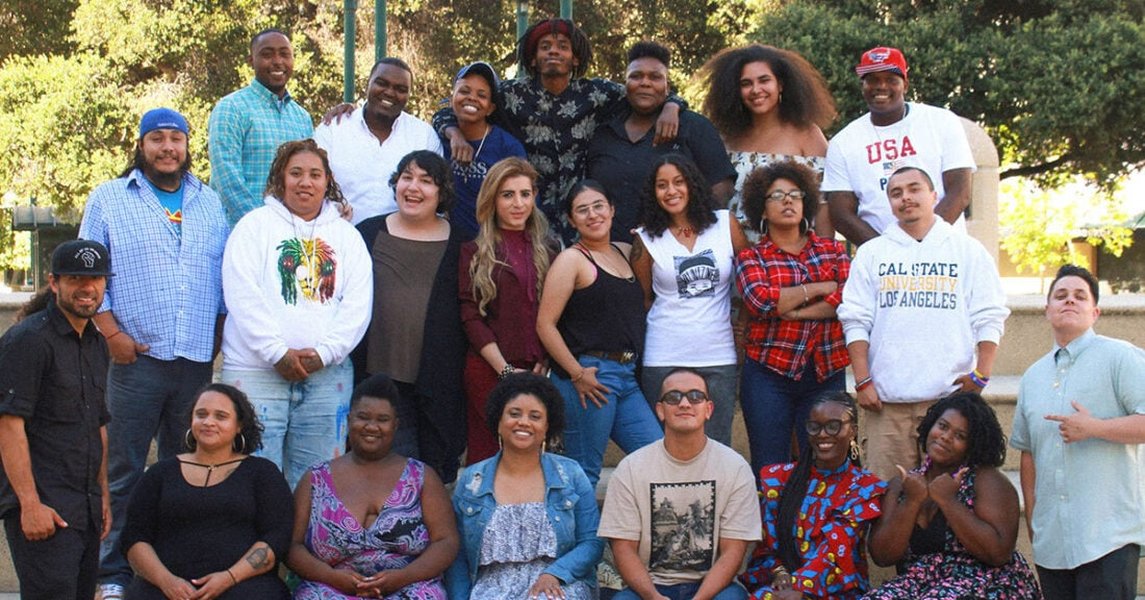
Community-led discussions are central to grassroots transformative justice models.
Why Community-Led Matters
Grassroots initiatives empower communities to define safety, justice, and accountability on their own terms. This is especially crucial for marginalized populations—including people of color, low-income individuals, LGBTQ+ communities, immigrants, and those with disabilities—who often face significant barriers, discrimination, and retraumatization when attempting to navigate traditional legal systems. Community-led processes can be more accessible, understanding, and responsive to the specific needs and cultural contexts of participants.
These efforts focus on building community capacity to prevent and respond to harm internally. This might involve:
- Community Accountability Processes: Structured ways for communities to support survivors, address the actions of those who caused harm, and work towards change without resorting to state intervention.
- Mediation and Conflict Resolution Circles: Facilitated dialogues designed to address conflicts and harms directly between affected parties, focusing on understanding, repair, and future prevention.
- Survivor Support Networks: Providing resources, care, and advocacy for survivors in ways that prioritize their agency, healing, and self-determination.
- Political Education and Prevention Work: Raising awareness about the root causes of violence and organizing to address systemic issues like poverty, lack of housing, or inadequate healthcare.
Visualizing Transformative Justice Principles
To better understand the core tenets and interconnectedness of transformative justice concepts, the following mindmap outlines its key components, showing how different elements like principles, methods, goals, and context relate to each other.
Why Transformative Justice is Vital for Marginalized Communities
Marginalized communities often experience a "justice gap" within traditional systems. They may lack access to legal aid, face systemic bias and discrimination within courts and policing, or find that state interventions exacerbate existing vulnerabilities or lead to further harm (e.g., deportation, family separation, incarceration).

Movements like Black Lives Matter highlight the systemic injustices faced by marginalized communities within traditional systems.
Addressing Systemic Failures
Transformative justice offers a necessary alternative by:
- Centering Lived Experiences: TJ processes are designed to be more responsive to the specific cultural backgrounds and lived realities of marginalized individuals.
- Avoiding State Harm: By operating outside the state, TJ avoids subjecting community members to potentially biased or harmful interactions with police, courts, or prisons.
- Empowering Communities: It shifts power back to the community, allowing them to develop solutions that are meaningful and sustainable for them.
- Focusing on Root Causes: TJ directly confronts the systemic issues (racism, poverty, etc.) that disproportionately affect marginalized groups and contribute to cycles of harm.
- Building Collective Care: It fosters networks of mutual support and collective responsibility for safety and well-being.
Examples in Practice
Numerous organizations and collectives engage in transformative justice work, often focusing on specific issues within particular communities:
- Groups like the Bay Area Transformative Justice Collective (BATJC) have developed models for responding to child sexual abuse that prioritize survivor needs and avoid reliance on the state.
- Organizations such as Philly Stands Up and the Challenging Male Supremacy Project have addressed sexual assault and gender-based violence through community accountability frameworks.
- Community United Against Violence (CUAV) works with LGBTQ+ communities to address intimate partner violence and other forms of harm through peer-led support and intervention.
- Programs like the Lone Star Justice Alliance's Transformative Justice Program work with emerging adults involved in the justice system, offering trauma-informed support and accountability measures as an alternative to incarceration, aiming for case dismissal and expunction.
Comparing Justice Approaches: Transformative vs. Traditional
This chart offers a comparative view of the core philosophies and operational aspects of Transformative Justice versus Traditional (Retributive/State-Based) Justice systems. The scores (out of 10) represent the relative emphasis each system places on different aspects, based on the principles discussed. Note that these are conceptual representations rather than precise metrics.
As the chart illustrates, Transformative Justice heavily emphasizes healing, survivor needs, community involvement, addressing root causes, and non-punitive accountability, while minimizing reliance on state systems and punishment. Conversely, traditional justice systems tend to prioritize state control, punishment, and rely less on community involvement or systemic change goals.
Exploring Grassroots Transformative Justice Methods
Transformative justice utilizes a diverse toolkit of methods tailored to specific community needs and contexts. These approaches prioritize direct engagement, shared responsibility, and restorative outcomes over adversarial or punitive measures. The table below outlines some common methods employed in grassroots TJ models:
| Method | Description | Key Focus | Typical Participants |
|---|---|---|---|
| Community Accountability Circles/Processes | Structured processes where community members collectively support survivors, address the person who caused harm, and develop plans for repair and prevention. | Collective responsibility, survivor safety, accountability without isolation, long-term change. | Survivor(s), person who caused harm (if willing/safe), community members, facilitators, support people. |
| Transformative Mediation/Dialogue | Facilitated conversations between parties directly involved in a conflict or harm, aimed at mutual understanding, addressing needs, and finding solutions. | Direct communication, empathy building, needs assessment, negotiated agreements. | Parties in conflict/harm, neutral facilitator(s). |
| Healing Circles | Gatherings focused on providing emotional and spiritual support, often drawing from Indigenous practices, to process trauma and build collective resilience. | Emotional processing, shared experience, collective care, spiritual/cultural connection. | Survivors, community members seeking healing, facilitators. |
| Survivor Support Networks | Community-based initiatives providing resources, advocacy, peer support, and safety planning for survivors of violence. | Survivor empowerment, immediate safety, resource access, long-term healing support. | Survivors, trained peers, advocates, community volunteers. |
| Political Education Workshops | Sessions designed to raise awareness about systemic issues (e.g., racism, sexism, economic inequality) and their connection to interpersonal violence. | Root cause analysis, critical consciousness, prevention strategy development. | Community members, activists, organizers. |
Learning More: Perspectives on Transformative Justice
Understanding the nuances and applications of transformative justice requires engaging with diverse perspectives. The following video features several prominent thinkers and practitioners sharing their insights on what transformative justice entails.
This video, featuring adrienne maree brown, Mia Mingus, Stas Schmiedt, Ann Russo, Esteban Kelly, Martina Kartman, Priya Rai, and Shira Hassan, provides valuable firsthand accounts and definitions of transformative justice. It highlights the movement's goals of responding to violence without creating more harm, emphasizing community-based solutions, accountability, and the long-term vision of creating safer, more just communities by addressing root causes, making it highly relevant to understanding grassroots models beyond the courtroom.
Frequently Asked Questions (FAQ)
What is the main difference between Transformative Justice and the traditional court system?
Why are grassroots models particularly important for marginalized communities?
Does Transformative Justice mean people aren't held accountable?
Can Transformative Justice address serious forms of violence?
References
- Transformative Justice: A Brief Description - TransformHarm.org
- How Transformative Justice Responds To Violence Without the Carceral System - TransformHarm.org
- Marginalized Communities and Access to Justice - World Justice Project
- Transformative Justice Program - Lone Star Justice Alliance
- What are Community Accountability & Transformative Justice? - TransformativeJustice.eu
- Transformative justice: A brief guide to the concept and movement - ROAR Magazine
- Restorative & Transformative Justice - University of San Francisco Library
Recommended
Last updated April 26, 2025