
Grassy Weeds That Mimic Lawn Grass
Understanding and Identifying Weeds That Look Very Similar to Grass
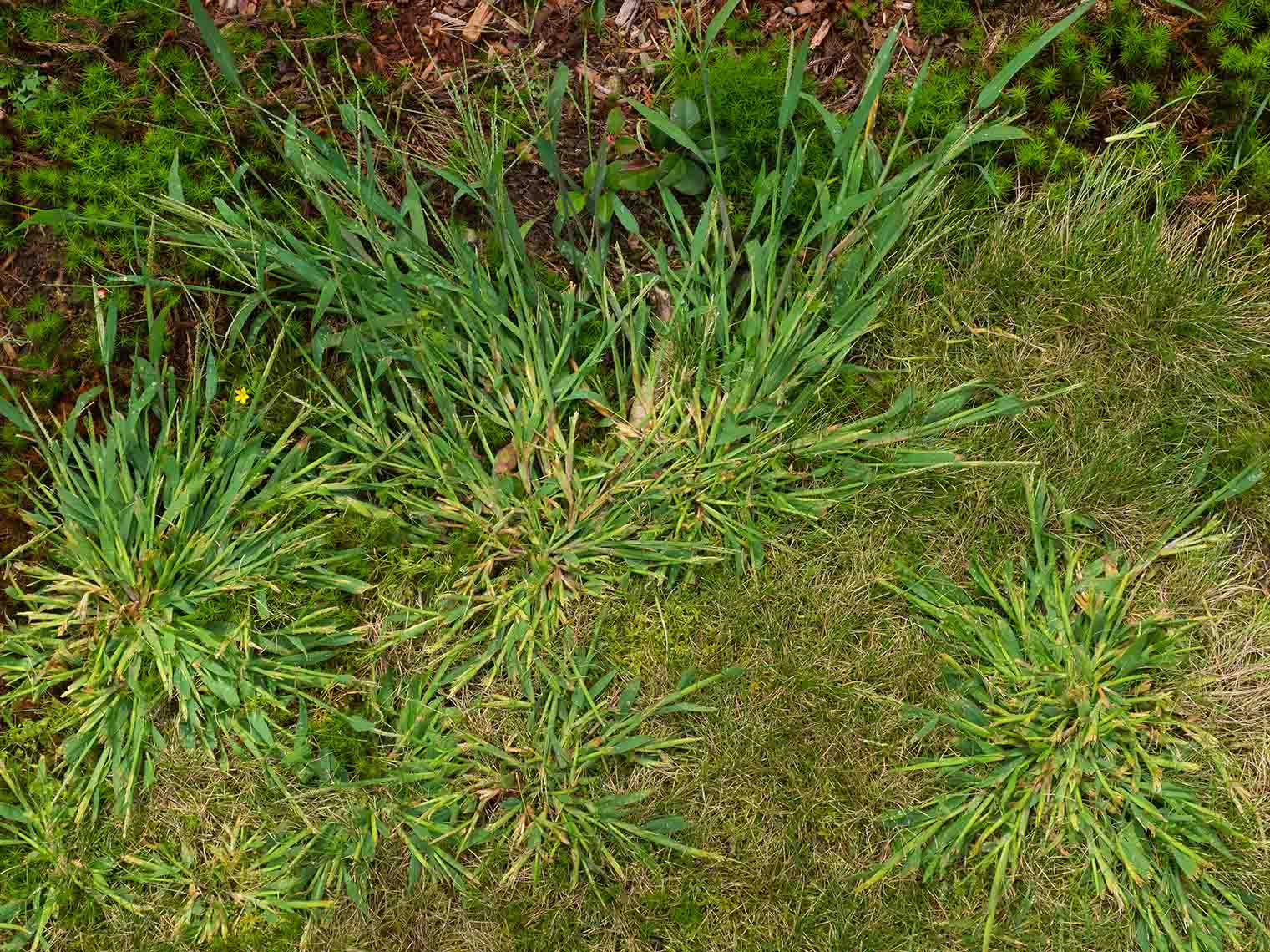
Key Highlights
- Identification Challenges: Many grassy weeds have a very similar appearance to desirable lawn grasses, making them hard to distinguish.
- Diverse Types: Common examples include crabgrass, quackgrass, annual bluegrass, and nutsedge, each differing slightly in growth habits and textures.
- Control Strategies: Effective management involves a combination of cultural, mechanical, and chemical methods tailored to specific weed types.
Overview of Grassy Weeds
Many homeowners and gardening enthusiasts face challenges when weeds that resemble lawn grass infiltrate their yards. These grassy weeds are particularly deceptive because they mirror the look of desirable turfgrass and can only be distinguished by subtle features such as texture, leaf shape, growth pattern, or seed head structures. Their ability to mimic the appearance of true grasses often results in delayed identification, which complicates control and management. In the following sections, we will explore common types, identification tips, and integrated control practices for managing these weeds.
Common Types of Grassy Weeds
There are several prevalent weeds that look very similar to regular grass. Accurately distinguishing them from desirable grass species is essential for effective control. Below is a detailed description of some common types:
Crabgrass (Digitaria sanguinalis)
Crabgrass is one of the most common summer annual weeds. It is characterized by its coarse texture and thick, spreading blades, which allow it to form dense patches among lawn grasses. Although it often resembles Bermuda grass, crabgrass typically stands out because of its rapid lateral growth and the distinct seed heads that form in the summer months. Early detection is vital to preventing it from overtaking a lawn.
Quackgrass (Elymus repens)
Quackgrass is a perennial weed known for its aggressive spreading through underground rhizomes. It has coarse, ashy blue-green patches and distinctive finger-like auricles (small appendages at the base of the leaf blade). Once established, quackgrass can be very hard to eradicate, as it retains the ability to regenerate even after attempts of removal.
Annual Bluegrass (Poa annua)
This weed is adaptable, sometimes acting as an annual and other times as a perennial depending on environmental circumstances. Annual bluegrass typically prefers moist, cool conditions and is easily recognized by its lighter, brighter green hue compared to many common lawn grasses. Its subtle seed head structure often blends with the surrounding grass until it begins to flower.
Nutsedge (Cyperus spp.)
Although not a grass in the true sense, nutsedge (often called nutgrass) is a sedge that can resemble grass due to its similar blade appearance. It is notorious for thriving in overwatered conditions and produces little nutlets from its roots. Its growth pattern, however, differs slightly from actual turfgrasses which makes careful inspection necessary, particularly in lawns where water management is an issue.
Carpetgrass
Carpetgrass is a warm-season perennial that forms dense, coarse mats mainly in shady or boggy areas with acidic soils. Although it resembles graminoid species, its tendency to form a thick ground cover and the production of tall seed heads distinguishes it from other lawn grasses.
Other Notable Types
Additional examples include dallisgrass (Paspalum dilatatum) and tall fescue. Dallisgrass exhibits a coarse texture and may be easily mistaken for desirable lawn species, while tall fescue, although widely used as turfgrass, can be invasive in some regions due to its aggressive growth habits and broad, coarse blades.
Strategies for Identification and Management
When it comes to grassy weeds, prevention and early identification are your best allies. The following strategies outline how to distinguish these weeds from regular grass and effectively manage them.
Identification
Distinguishing grassy weeds from desirable lawn grasses can be challenging but focusing on key characteristics can aid in proper identification:
Growth Pattern and Texture
Many grassy weeds exhibit growth habits that differ from lawn grasses. For example, crabgrass grows laterally in dense clumps, while quackgrass spreads via underground rhizomes. Additionally, the texture of these weeds can be coarser, and their blades may show variations in color or thickness compared to the smooth, uniform appearance of turfgrass.
Leaf and Seed Characteristics
Close inspection of the leaf base, seed head shape, and auricles can provide clues. Annual bluegrass, for instance, has boat-shaped leaf tips and a subtle seed structure that can be easily overlooked until the plant begins to flower. Similarly, nutsedge produces distinctive nutlets at the roots that serve as a differentiating factor from true grasses.
Growth Environment
Consider the environmental conditions in which these weeds thrive. Grassy weeds are often found in areas of the lawn that have inadequate turf density, poor soil drainage, or inconsistent watering practices. Areas with more shade or overwatered spots might favor species like annual bluegrass and nutsedge.
Management and Control Techniques
Effective management of grassy weeds involves a combination of cultural, mechanical, and chemical approaches:
Cultural Practices
One of the most effective forms of weed management is to create a lawn environment that naturally resists weed invasion:
- Enhance Lawn Density: A thick, healthy lawn shades out weeds, reducing the space and light available for their growth.
- Improve Soil Health: Proper fertilization and organic matter incorporation can support grass while making conditions less favorable for weeds.
- Water Management: Avoid overwatering and establish proper drainage to deter water-loving weeds like nutsedge.
- Mowing Practices: Regular mowing helps prevent seed maturation. However, ensure that the mower blades are sharp to avoid damaging the grass and creating openings for weed establishment.
Mechanical Controls
Regular physical interventions can greatly reduce the spread of grassy weeds:
- Manual Removal: Hand-pulling or using specialized weeding tools can be effective, particularly for isolated infestations. Be sure to remove the roots to avoid regrowth.
- Mowing Adjustments: Mowing at the proper height helps to maintain a robust turfgrass canopy that competes against weeds.
- Aeration: Periodic aeration improves soil health and promotes the growth of desirable turf, creating an environment less conducive to weed growth.
Chemical Controls
In cases where cultural and mechanical methods are insufficient, targeted chemical treatments may be necessary:
- Pre-emergent Herbicides: These products prevent the germination of weed seeds before they have a chance to establish. Timing and application rates are crucial to avoid affecting the turfgrass.
- Post-emergent Herbicides: When applied carefully, these herbicides target actively growing weeds. It’s important to choose products that are specific to the weed type and do not harm the surrounding grass.
- Integrated Weed Management: Combining chemical treatments with cultural and mechanical practices often yields the best long-term results.
Comparative Table of Grassy Weeds and Their Characteristics
The table below summarizes the key features of several common grassy weeds to help in their identification and management:
| Weed | Growth Pattern | Key Identification Traits | Preferred Conditions |
|---|---|---|---|
| Crabgrass | Lateral spread, clumping | Coarse texture, thick blades, distinct seed heads | Warm, open areas; summer annual |
| Quackgrass | Rhizome spread, perennial | Ashy blue-green, finger-like auricles | Various soil types; aggressive growth |
| Annual Bluegrass | Compact, can be annual or perennial | Lighter green, boat-shaped leaf tips | Moist, cool conditions; shady areas |
| Nutsedge | Rhizomatous, sedge-like growth | Nutlet-producing roots, similar blade appearance | Overwatered areas; disturbed soils |
| Carpetgrass | Dense, mat-forming | Coarse texture, tall seed heads | Shady, boggy, acidic soil conditions |
| Dallisgrass | Clumping with coarse blades | Similar to lawn grass but with a textured appearance | Warm climates; disturbed lawns |
| Tall Fescue | Dense turf, though invasive in some regions | Broad, coarse blades | Cool-season; erosion control settings |
Effective Integrated Weed Management Practices
Successfully managing grassy weeds depends on an integrated approach, which takes advantage of a combination of methods:
Preventive Cultural Practices
Preventive techniques are the first line of defense. A well-maintained lawn is inherently more resistant to weed invasion:
- Proper Mowing: Maintaining an optimal cutting height reduces stress on grass and prevents weeds from gaining a foothold.
- Regular Watering: Adhering to a watering schedule that favors deep, infrequent watering helps promote strong root systems, while avoiding excess moisture which encourages weed growth.
- Fertilization: A balanced fertilization schedule ensures that turfgrass receives essential nutrients, outcompeting weeds.
- Aeration and Overseeding: These practices improve soil structure and promote dense turf that limits space for weed seedlings.
Timely Mechanical Interventions
Mechanical methods provide immediate, non-chemical control of emerging weeds:
- Hand Weeding: Especially effective for isolated infestations, manual removal should focus on extracting the entire root system to reduce the chance of re-growth.
- Mowing Strategies: Adjusting mowing schedules during peak weed growth periods can disrupt weed life cycles and prevent seed development.
- Soil Cultivation: Occasional cultivation, when done properly, can help control weed populations; however, care must be taken not to disturb the desirable grass excessively.
Selective Use of Herbicides
Chemical control should be considered as part of an Integrated Weed Management (IWM) program, especially in severe cases:
- Pre-emergent Herbicides: These products inhibit the germination of weed seeds and must be applied at appropriate times based on local climate and weed species behavior.
- Post-emergent Herbicides: Targeted formulations can effectively eliminate weeds that have already emerged. It is imperative to follow labeled instructions to minimize damage to the lawn and environment.
- Herbicide Rotation: To avoid resistance and preserve long-term effectiveness, alternate between herbicide products with different modes of action.
Additional Considerations in Weed Management
Beyond the identification and direct control methods, managing grassy weeds successfully involves ongoing monitoring and adjustments based on lawn conditions:
Environmental Adaptability
Some weeds may appear similar across different environments but display different growth patterns depending on local soil type, moisture levels, and temperature. Monitoring your lawn during different seasons helps identify trends and recurring issues. Documenting locations and types of weeds can provide insight into which management practices need adjusting.
Seasonal Patterns
Understanding the seasonal life cycles of grassy weeds is crucial. Annual weeds like crabgrass tend to appear during the warmer months and can be prevented with early-season pre-emergent treatments. In contrast, perennial weeds such as quackgrass require long-term management strategies focused on disrupting their rhizome system. Seasonal adjustments not only aid in timely application of controls but also help prevent future invasions.
Long-Term Lawn Health
Sustainable lawn care practices are instrumental in keeping both weeds and pests at bay. In addition to targeted weed control techniques, maintaining a robust, healthy lawn through proper turf maintenance practices creates an environment where desirable grass can outcompete invaders. Regular soil testing, appropriate irrigation, and the use of quality grass seed all contribute to a long-term strategy that minimizes weed infestations.
Practical Implementation: A Step-by-Step Approach
For homeowners looking to implement effective weed management practices, the following step-by-step approach can serve as a guideline:
- Assessment: Begin by surveying your lawn to identify any regions where grassy weeds are present. Note the specific areas and types of weeds.
- Identification: Using the characteristics provided earlier, differentiate between desirable turfgrass and invasive weeds. Consider taking close-up photos to compare with online resources.
- Establish a Cultural Program: Implement proper mowing heights, watering routines, and fertilization schedules to improve lawn density.
- Mechanical Removal: For initial infestations, manually remove the weeds or adjust mowing practices to prevent seed development.
- Targeted Chemical Application: Where necessary, apply pre-emergent or post-emergent herbicides according to the specific weed species and timing.
- Monitor and Adjust: After treatment, continue to monitor the lawn regularly, documenting any new weed growth and adapting your management strategies accordingly.
This integrated approach, combining identification, prevention, and timely interventions, will help you maintain the verdant appearance of your lawn while keeping unwanted grassy weeds in check.
References
- Invasive Weeds That Look Like Grass - Lawn Model
- Lawn Weeds That Look Like Grass - The Lawn Mower Guru
- Common Weeds That Look Like Grass - Lawnholic
- Weeds That Look Like Grass - Gardening Vibe
- Weeds That Look Like Grass - Today's Homeowner
Recommended Further Queries
Last updated March 19, 2025