
Ideas That Look Good on Paper But Don't Work
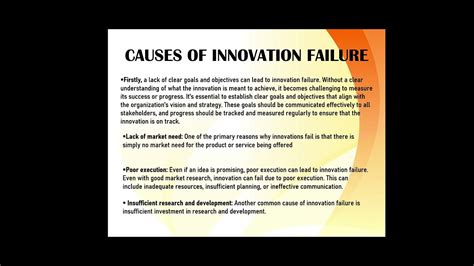
In the realm of innovation and development, it's not uncommon for ideas that seem brilliant in theory to falter in practice. These concepts, while theoretically sound and promising, often encounter a plethora of challenges that hinder their successful implementation. This disparity between theoretical potential and practical execution can be attributed to various factors, including market dynamics, human behavior, unforeseen complexities, and insufficient adaptation to real-world conditions. Understanding why certain ideas fail despite their initial promise is crucial for entrepreneurs, policymakers, and individuals aiming to turn visionary concepts into tangible successes.
Business & Technology
The business and technology sectors are rife with examples of innovative ideas that, despite their potential, failed to gain traction or sustain success. Several underlying reasons contribute to these failures:
Lack of Market Fit
An idea may be technologically advanced or groundbreaking, but without a clear market demand, it struggles to find a foothold. For instance, the Segway was hailed as a revolutionary mode of personal transportation, promising to reshape urban mobility. However, its high cost and limited practicality made widespread adoption unfeasible. Similarly, Google Glass aimed to integrate augmented reality into daily life but faced significant hurdles due to privacy concerns and a steep price point, limiting its mainstream acceptance.
Failure to Adapt to Market Changes
Markets are dynamic, with consumer preferences and technological landscapes constantly evolving. Companies that fail to adapt risk obsolescence. Blockbuster serves as a quintessential example; despite its dominant position in the video rental industry, it failed to pivot in response to the rise of digital streaming services like Netflix. This rigidity led to its eventual downfall, highlighting the importance of agility in business strategies.
Overly Complex Solutions
Simplicity often trumps complexity in product design and implementation. Overly complicated solutions can alienate users and complicate usage without delivering proportional benefits. The Apple Newton, introduced in the early 1990s, was an ambitious attempt at creating a personal digital assistant. However, its bulky design and unreliable handwriting recognition made it impractical for everyday use, leading to its discontinuation. Similarly, all-in-one software solutions, while seemingly efficient, can become unwieldy and difficult to navigate, reducing user satisfaction and engagement.
Ignoring Human Factors
Technology does not exist in a vacuum; it must align with human behavior and needs. Open-office spaces, designed to encourage collaboration and communication, often backfire by increasing noise levels and reducing privacy, leading to decreased productivity and employee dissatisfaction. Similarly, health and wellness programs, despite their good intentions, may suffer from low participation rates if they do not consider individual preferences and diverse health needs.
Social & Political Initiatives
In the social and political arenas, well-intentioned ideas can falter due to misaligned implementation strategies and unforeseen societal complexities:
Utopian Programs
Concepts like Universal Basic Income (UBI) embody the aspiration for a more equitable society by ensuring a guaranteed income for all citizens. However, the practical challenges of sustainably funding such programs, potential inflationary effects, and the impact on work motivation complicate their viability. Historical attempts at implementing communist principles aimed at creating classless societies have often resulted in authoritarian regimes and economic inefficiencies, underscoring the difficulty of translating ideological purity into functional governance.
Zero-Tolerance Policies in Education
Zero-tolerance policies intend to maintain discipline and safety within educational institutions by enforcing strict consequences for rule violations. In practice, however, these policies can lead to disproportionate punishments, increased suspension rates, and do not address the root causes of student behavior issues. Such rigidity often fails to account for individual circumstances and can disproportionately affect marginalized student populations.
Policy Proposals with Unintended Consequences
Even well-intentioned policies can lead to negative repercussions if not carefully designed. For example, certain minimum wage laws, while aiming to improve living standards, can inadvertently result in reduced employment opportunities or increased automation as businesses seek to offset higher labor costs. Effective policy-making requires a nuanced understanding of potential downstream effects and the flexibility to adjust strategies in response to emerging challenges.
Personal Life Strategies
On an individual level, personal development and lifestyle changes often embody ideas that look promising on paper but stumble in execution:
Unrealistic Goals
Setting ambitious goals without a realistic plan or timeline can lead to frustration and demotivation. For instance, aspiring to achieve significant weight loss through crash diets may result in short-term gains followed by rapid weight regain, undermining long-term health objectives. Sustainable progress typically requires setting achievable milestones and maintaining flexibility to adapt plans as needed.
Perfectionism
The pursuit of perfection can stifle productivity and delay progress. Individuals striving for flawless outcomes may experience decision paralysis, hindering their ability to take decisive action. Embracing a mindset that values progress over perfection can foster resilience and facilitate continuous improvement, even in the face of setbacks.
Common Challenges Across Sectors
Several recurring themes emerge when examining why certain ideas fail despite their theoretical appeal:
Market Demand Misalignment
An idea must resonate with its intended audience. Without a clear understanding of market needs and preferences, even the most innovative concepts can fail to gain acceptance. Conducting thorough market research and engaging with potential users during the development phase can help ensure that products and policies align with real-world demands.
Poor Execution and Implementation
Effective execution is critical to the success of any idea. This involves meticulous planning, resource allocation, and the ability to adapt to unforeseen challenges. Flaws in execution, such as inadequate infrastructure or lack of skilled personnel, can derail even the most promising initiatives.
Underestimating Competition
Ignoring or underestimating the competitive landscape can leave an idea vulnerable to being overshadowed by better-executed alternatives. Understanding the strengths and strategies of competitors is essential for positioning and differentiating one's offerings effectively.
Ignoring Real-World Complexities and Human Behavior
Theoretical models often overlook the intricate and unpredictable nature of real-world environments and human behavior. Successful ideas typically incorporate mechanisms for feedback, iteration, and adaptation, allowing them to evolve in response to actual conditions and user interactions.
Lessons for Turning Promising Ideas into Success
To bridge the gap between theoretical potential and practical success, several key strategies can be employed:
Emphasize Adaptability
Flexibility in approach allows for adjustments in response to changing circumstances and feedback. Agile methodologies, for instance, prioritize iterative development and continuous improvement, enabling projects to evolve dynamically rather than adhering rigidly to initial plans.
Prioritize User-Centric Design
Understanding and addressing the needs, preferences, and behaviors of the target audience is paramount. Engaging with users throughout the development process ensures that the final product or policy is relevant and effective in meeting their actual needs.
Simplify Solutions
Opting for simplicity can enhance usability and accessibility. Streamlined designs and straightforward implementations are more likely to be embraced by users and integrated seamlessly into existing systems.
Conduct Comprehensive Testing and Feedback Loops
Thorough testing in real-world conditions and establishing robust feedback mechanisms allows for the identification and rectification of issues early in the development process. This proactive approach minimizes the risk of large-scale failures and facilitates continuous refinement.
Understand and Navigate Market Dynamics
A deep understanding of market trends, consumer behavior, and competitive forces equips innovators to position their ideas strategically. Anticipating and responding to shifts in the market landscape enhances the likelihood of sustained success.
Conclusion
The journey from conceptualization to successful implementation is fraught with challenges. Ideas that appear flawless on paper can falter when confronted with the complexities of the real world. By recognizing the common pitfalls that lead to such failures—ranging from misaligned market fit and poor execution to underestimating competition and ignoring human factors—innovators can better prepare to navigate these obstacles. Emphasizing adaptability, user-centric design, simplicity, comprehensive testing, and a nuanced understanding of market dynamics can significantly enhance the chances of transforming promising ideas into lasting successes. Ultimately, bridging the gap between theoretical potential and practical reality requires a balanced approach that harmonizes visionary thinking with pragmatic execution.
Last updated December 31, 2024