
Unlock Media Attention: The Secrets Behind Powerful Press Release Headlines
Crafting headlines that cut through the noise and compel journalists to read your story.
In the relentless flood of daily news, a press release headline is your first, and often only, chance to capture the attention of journalists and readers. It's the gateway to your story, determining whether your announcement sinks without a trace or generates valuable media coverage. But what truly elevates a headline from mundane to magnetic?
Essential Insights: Crafting Headlines That Command Attention
- Clarity and Conciseness are Paramount: A great headline immediately conveys the core news in under 12 words or 100 characters, using simple language and active verbs.
- Highlight Newsworthiness, Not Hype: Focus on the most unique, impactful, or timely aspect of your story, avoiding sensationalism or overly promotional language that erodes credibility.
- Know Your Audience and Medium: Tailor the headline to resonate with specific journalists or publications, considering what angles are most relevant to their readership and the platform's format.
Deconstructing the Perfect Headline: Core Components
A truly effective press release headline balances several key characteristics. It needs to be informative yet intriguing, brief yet comprehensive. Understanding these components is crucial for crafting headlines that consistently hit the mark.
Clarity: The Foundation of Understanding
Answering the 5 Ws (and H) Instantly
Your headline should function as a micro-summary. Within seconds, a reader should grasp the fundamental "Who, What, When, Where, Why, and How" of your announcement. Ambiguity is the enemy; use straightforward language and avoid industry jargon that might confuse or alienate readers unfamiliar with your specific field. The goal is immediate comprehension.
Conciseness: Brevity is Key
Cutting Through the Clutter
Journalists sift through hundreds, if not thousands, of press releases daily. A long, rambling headline is likely to be skipped. Aim for a length under 100 characters, or roughly 10-12 words. This brevity forces you to distill your message to its absolute essence, making it easily scannable in crowded inboxes, news feeds, and search results.
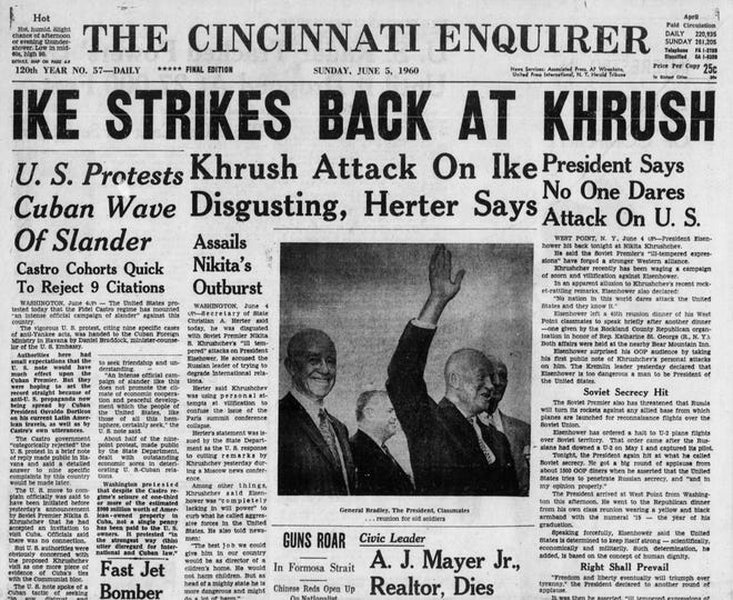
Historic newspaper headlines demonstrate the power of brevity and impact.
Impact and Interest: Hooking the Reader
Highlighting the Newsworthy Angle
What makes your announcement special? Is it a groundbreaking innovation, a significant milestone, a surprising partnership, or a solution to a common problem? Identify the most compelling, unique, or timely element and put it front and center. Use strong, active verbs (e.g., "launches," "achieves," "partners," "reveals") rather than passive ones to create a sense of dynamism.
Avoiding the Clickbait Trap
While you want to pique interest, avoid misleading or overly sensational headlines (clickbait). Exaggerated claims that aren't substantiated in the press release body will frustrate readers and damage your organization's credibility with the media. Strive for intrigue based on factual importance.
Specificity: The Power of Detail
Using Numbers and Data
Incorporating specific numbers, statistics, percentages, or dates can significantly enhance a headline's impact and credibility. Quantifiable information makes the news more tangible and helps readers quickly grasp the scale or significance of the announcement. For example, "Company Increases Revenue by 50%" is more compelling than "Company Reports Growth."
Audience Awareness: Tailoring the Message
Speaking the Right Language
Consider who you are trying to reach. A headline aimed at a niche industry publication might use different terminology than one intended for a mainstream news outlet. Research the publications you're targeting and tailor your angle and language to align with their interests and typical coverage. Avoid making the headline overly company-centric unless the company itself *is* the primary news (e.g., a major acquisition or leadership change).
Visualizing Headline Effectiveness: Key Attributes
Different elements contribute varying degrees of importance to a headline's overall success. The following chart visualizes the relative significance of key attributes based on expert consensus, helping you prioritize your focus when crafting headlines.
As the chart suggests, Clarity, Conciseness, Newsworthiness, and Audience Relevance are often considered the most crucial elements. While Specificity (using numbers) and Active Voice add significant power, ensuring the core message is clear, brief, relevant, and genuinely newsworthy forms the bedrock of an effective headline.
Mindmap: Anatomy of a Winning Headline
This mindmap breaks down the essential components and considerations for creating press release headlines that capture attention and deliver results. It visualizes the interconnectedness of clarity, brevity, impact, and audience focus.
Navigating these elements effectively requires balancing brevity with information, and impact with credibility. The mindmap serves as a quick reference to ensure all critical aspects are considered during the headline writing process.
Strategic Approaches to Headline Writing
Beyond understanding the core components, adopting specific strategies can streamline the process and improve the quality of your headlines.
Write the Headline Last
It might seem counterintuitive, but many experts recommend writing the body of the press release first. Once the full story, key messages, and supporting details are finalized, it's much easier to identify the single most compelling element to feature in the headline. This ensures the headline accurately reflects the content and captures the essence of the news.
Employ a Sub-headline (Dek)
If the main headline needs to be extremely concise, consider adding a sub-headline (often called a "dek"). This secondary line provides a bit more context or detail, elaborating on the main point without cluttering the primary headline. It acts as a bridge, offering more incentive for the reader to continue.
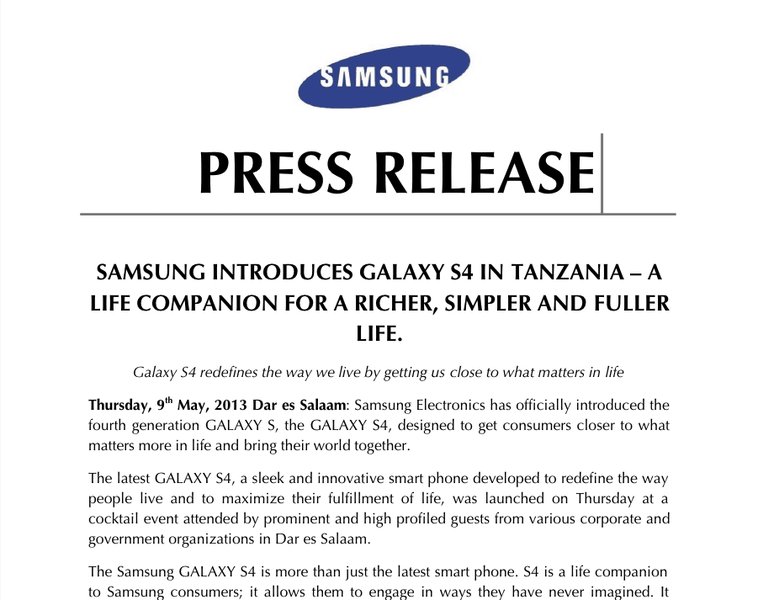
Press releases often utilize both a main headline and a sub-headline for clarity and context.
Focus and Test for Impact
Before finalizing, read your draft headline aloud. Does it sound punchy? Does it make sense in isolation? Critically ask, "Why should someone care?" If the headline doesn't provide a compelling reason to read further, revise it. Focus on the benefit, the novelty, or the significance to the target audience.
Video Insight: Tips for Compelling Headlines
Visual learning can often solidify concepts. This video offers practical tips and reinforces the importance of crafting headlines that grab attention immediately, emphasizing how crucial the headline is for getting your press release noticed in a crowded digital landscape.
The key takeaway is that your headline isn't just a title; it's a strategic tool. By focusing on creating interest and conveying value concisely, you significantly increase the likelihood of media engagement.
Do's and Don'ts: Headline Quick Reference
Crafting the perfect headline involves adhering to best practices while avoiding common pitfalls. This table summarizes key recommendations:
| Do | Don't |
|---|---|
| Keep it concise (under 100 characters/12 words) | Write long, rambling headlines |
| Use clear, simple language | Use excessive jargon or technical terms |
| Highlight the most newsworthy angle | Bury the lead or focus on minor details |
| Use strong, active verbs | Use passive voice or weak verbs |
| Incorporate numbers/data for specificity | Be vague or generic |
| Focus on relevance to the audience/media | Make it overly promotional or company-centric |
| Ensure it's factual and accurate | Use clickbait or sensational language |
| Consider a sub-headline for extra context | Assume the reader knows the background |
| Write it last to reflect the core message | Use generic openings like "[Company] Announces..." |
Frequently Asked Questions (FAQ)
How long should a press release headline be?
Aim for conciseness. Most experts recommend keeping headlines under 100 characters or around 10-12 words. This ensures it's easily scannable in news feeds, email subject lines, and search results, and forces you to focus on the most critical information.
Should I include my company name in the headline?
Generally, avoid including your company name unless the company itself is the core news (e.g., a major merger, acquisition, significant anniversary, or if the brand name carries substantial weight like NASA or Apple). Journalists are more interested in the news value (the "what") than the source (the "who," unless the "who" is inherently newsworthy). Focusing on the impact or novelty of the announcement is usually more effective.
What's the difference between a catchy headline and clickbait?
A catchy headline generates interest and accurately reflects the press release content. It uses strong language and highlights genuine newsworthiness. Clickbait, on the other hand, often uses sensational, misleading, or overly vague language primarily to entice clicks, but the content fails to deliver on the headline's promise. Clickbait can damage credibility, while a catchy, factual headline builds interest and trust.
Should I use keywords in my press release headline for SEO?
Yes, incorporating relevant keywords naturally into your headline can be beneficial for search engine optimization (SEO), helping your release appear in relevant online searches. However, prioritize clarity and readability for humans (especially journalists) over keyword stuffing. The headline must first and foremost communicate the news effectively.
Recommended Further Exploration
- Explore examples of highly effective press release headlines from major brands.
- Learn how to effectively write a press release sub-headline or dek for added context.
- Discover methods for measuring the success of a press release headline using analytics.
- Understand common mistakes to avoid when writing the entire press release, not just the headline.
References
Last updated May 2, 2025