
Green Shoots in Finance: How Environmental Focus is Reshaping Microfinance Profitability
Unlocking the synergy between ecological responsibility and financial strength in Microfinance Institutions.
The integration of environmental sustainability goals into the microfinance sector, known as "green microfinance," is increasingly recognized not just for its ecological benefits but also for its positive influence on the financial performance of Microfinance Institutions (MFIs). This approach involves providing financial services—such as loans, savings, and insurance—to support environmentally friendly projects and practices among low-income populations, thereby fostering resilience and sustainable development. Our knowledge cutoff is Tuesday, 2025-05-13.
Key Insights: Green Microfinance & Financial Health
- Enhanced Financial Viability: MFIs adopting green strategies often experience improved financial performance, including better profitability and operational self-sufficiency, by attracting socially responsible investors and tapping into new green markets.
- Improved Risk Management: Focusing on sustainable projects helps MFIs mitigate long-term risks associated with environmental degradation and climate change, leading to higher portfolio quality and reduced default rates.
- Strategic Growth & Outreach: Green microfinance enables MFIs to diversify their product offerings, expand their client base to include green enterprises, and align with global Sustainable Development Goals, strengthening their market position.
Understanding Green Microfinance
A Fusion of Finance and Environmental Stewardship
Green microfinance signifies the convergence of traditional microfinance principles with environmental sustainability objectives. It involves the deliberate integration of environmental considerations into the operational framework and product offerings of Microfinance Institutions (MFIs). The core purpose is to channel financial resources towards activities that promote environmental protection, reduce ecological footprints, and enhance the climate resilience of vulnerable communities. This can range from financing renewable energy solutions like solar home systems and improved cookstoves to supporting sustainable agriculture, waste management, and energy-efficient businesses.
MFIs engage in green microfinance through various strategies, which can be broadly categorized as:
- Managing Internal Environmental Risk: Adopting green practices within the MFI's own operations, such as reducing energy consumption or waste.
- Managing External Environmental Risk: Screening loan applications based on environmental criteria and assessing the environmental risks associated with clients' activities.
- Fostering Green Opportunities: Proactively offering financial products (green loans, green savings, green insurance) and non-financial services (training, technical assistance) that support environmentally sound ventures and practices.
- Adopting a Formal Environmental Strategy: Embedding environmental goals into the MFI's mission, policies, and overall business strategy.
This approach helps MFIs move beyond a purely "do no harm" stance to actively contributing to positive environmental outcomes, aligning their financial and social goals with ecological responsibility.
A visual representation illustrating the concept of Green Microfinance.
The Impact of Green Initiatives on MFI Financial Performance
The adoption of green microfinance initiatives has shown a demonstrable, and often positive, correlation with the financial performance of MFIs. This relationship is multifaceted, influencing various aspects of an MFI's financial health and sustainability.
Profitability and Financial Sustainability
Empirical evidence suggests that MFIs embracing green strategies can achieve enhanced profitability. Offering green financial products, such as loans for clean energy or climate-resilient agriculture, can open up new revenue streams and attract a growing segment of environmentally conscious clients and investors. These products often support client enterprises in improving productivity and resilience, which can lead to lower default rates and more reliable loan repayment, thereby boosting the MFI's bottom line. Furthermore, a commitment to sustainability can improve an MFI's public image, attracting socially responsible investment and donor funding, which contributes to long-term financial sustainability.
Case Example: Business Necessity Driving Adoption
In regions like the Middle East and North Africa, some MFIs have adopted sustainable practices not solely for innovation or market differentiation, but as a business necessity to contend with socio-political instability and environmental threats. This pragmatic adoption has, in several instances, resulted in improved cost savings and the ability to tap into new client segments focused on green enterprises.
Operational Efficiency
Green microfinance can also contribute to improved operational efficiency. By integrating environmental risk assessments, MFIs can streamline their lending processes and make more informed decisions. Moreover, adopting green practices internally, such as energy efficiency measures or paperless operations, can lead to direct cost reductions in overheads. While there might be initial investment costs for training staff and developing new green products, the long-term efficiency gains and reduced operational risks often outweigh these upfront expenditures.
Risk Management and Portfolio Quality
One of the most significant financial benefits of green microfinance is enhanced risk management. Climate change and environmental degradation pose substantial threats to the livelihoods of MFI clients, particularly in agriculture-dependent communities. By promoting and financing climate-resilient practices and technologies, MFIs can help their clients adapt to these challenges, thereby reducing their vulnerability to climate-related shocks (e.g., droughts, floods). This, in turn, leads to a more resilient client base, lower credit risk, reduced loan delinquencies, and ultimately, a higher quality loan portfolio for the MFI. Proactive environmental risk assessment at both client and portfolio levels is crucial for financial stability.
Outreach and Market Expansion
Green microfinance allows MFIs to differentiate themselves in a competitive market and expand their outreach. It can attract new client segments interested in sustainable development and green technologies. Offering specialized green products and services can meet unmet demands, particularly in rural and underserved areas where communities are often most affected by environmental issues. This expansion not only contributes to social impact but can also drive institutional growth and market share.
Mature Institutions Leading the Way
Research indicates that larger, more mature MFIs, particularly those registered as banks, often demonstrate better environmental performance. Their established systems, greater resources, and economies of scale enable them to integrate green initiatives more effectively while maintaining financial health. These institutions are often better equipped to develop and manage green loan portfolios and implement comprehensive environmental risk management frameworks.
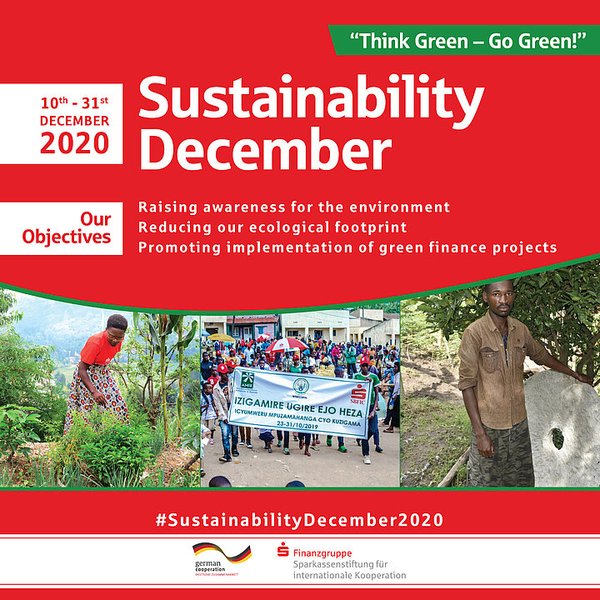
Illustrating the role of Microfinance Institutions in promoting Green Financing.
Comparative Performance: Traditional vs. Green MFIs
To visualize the potential differences in performance dimensions between traditional MFIs and those actively engaging in green microfinance, the following radar chart offers a conceptual comparison. It's important to note that these are illustrative values based on synthesized insights rather than specific empirical data for particular institutions. Green MFIs are hypothesized to show stronger performance in environmental impact and risk mitigation, potentially leading to enhanced long-term financial sustainability and social outcomes.
This chart suggests that while traditional MFIs focus strongly on social outreach and financial profitability, green MFIs aim to enhance these aspects further by integrating robust environmental impact focus, client resilience building, and superior risk mitigation strategies, potentially leading to more sustainable and holistic performance.
Visualizing the Green Microfinance Ecosystem
The following mindmap illustrates the interconnected components of green microfinance, highlighting its core elements, the anticipated impacts on MFI financial performance, the strategies involved, and the tools used for assessment. It provides a holistic view of how environmental considerations are woven into the fabric of microfinance operations and objectives.
Integration of environmental
sustainability with microfinance"] id1a["Purpose
Promote eco-friendly projects
Enhance climate resilience
Financial inclusion"] id2["Impact on MFI Financial Performance"] id2a["Profitability
New revenue streams
Attract SRI investors"] id2b["Operational Efficiency
Reduced internal costs (e.g., energy)
Streamlined green lending"] id2c["Risk Management
Lower credit default via resilient clients
Mitigate climate-related portfolio risks"] id2d["Portfolio Quality
Reduced delinquency in green loans
Diversified assets"] id2e["Market Position
Enhanced public image
Competitive advantage
New client segments"] id3["Key Green Microfinance Strategies"] id3a["Green Product Development
Loans for solar, biogas, sustainable ag"] id3b["Environmental Risk Assessment
Client & MFI operational level"] id3c["Non-Financial Services
Training on sustainable practices
Technical assistance"] id3d["Internal Greening
Sustainable MFI operations"] id4["Benefits for MFIs"] id4a["Financial Sustainability"] id4b["Alignment with SDGs"] id4c["Enhanced Reputation"] id4d["Job Creation (Green Jobs)"] id5["Challenges for MFIs"] id5a["Higher Initial Costs
Training, product development"] id5b["Measurement & Benchmarking
Quantifying environmental impact"] id5c["Regulatory Frameworks
Need for supportive policies"] id5d["Client Awareness & Uptake"] id5e["Capacity Building Needs"] id6["Tools & Frameworks"] id6a["Green Index
Measures environmental engagement"] id6b["MEPI (Microfinance Environmental Performance Index)"] id6c["Environmental & Social Risk Management (ESRM) policies"]
This mindmap shows how green microfinance is not an isolated initiative but a comprehensive strategy that affects various facets of an MFI, from its product offerings and risk management to its overall financial health and market standing.
Tools for Assessing Green Performance
The Green Index and Beyond
To effectively manage and promote green microfinance, MFIs and the broader sector utilize specific tools to measure environmental performance. The most prominent among these is the Green Index, developed by the European Microfinance Platform's (e-MFP) Green Inclusive & Climate Smart Finance Action Group. This tool provides a standardized framework for MFIs to assess their environmental engagement across several dimensions. It typically includes indicators related to:
- Strategy and Risk Management: Evaluating if the MFI has a formal environmental strategy, identifies environmental risks and opportunities for its clients and itself.
- Green Products and Services: Assessing the range and uptake of financial products (loans, savings, insurance) and non-financial services (training, awareness campaigns) designed to promote green outcomes.
- Internal Environmental Performance: Looking at the MFI's own environmental footprint (e.g., energy use, waste management).
The Green Index typically scores institutions, providing a benchmark for performance and a roadmap for improvement. Efforts are ongoing to integrate such green dimensions into broader social performance management standards within the microfinance sector. Other tools and frameworks, like the Microfinance Environmental Performance Index (MEPI), also exist, contributing to a more robust understanding and management of environmental aspects in microfinance.
These tools are crucial not only for internal management but also for demonstrating impact to investors, donors, and regulators, thereby fostering accountability and encouraging further investment in green initiatives.
This webinar by the e-MFP's Green Inclusive and Climate-Smart Finance Action Group discusses transforming MFIs for greener and more inclusive finance, highlighting practical steps and strategies for integrating environmental considerations. It provides valuable context on how MFIs can navigate this transition effectively.
Challenges and Considerations in Green Microfinance
While the benefits of green microfinance are compelling, MFIs face several challenges in its implementation:
Financial and Operational Hurdles
| Challenge Area | Description | Potential Impact on Financial Performance |
|---|---|---|
| Higher Initial Costs | Upfront investments are needed for developing new green products, training staff on environmental issues and green lending criteria, and establishing new monitoring systems. | Can temporarily strain budgets, especially for smaller or younger MFIs, potentially affecting short-term profitability if not managed with external support or phased implementation. |
| Technical Expertise & Capacity Building | MFIs may lack the specialized knowledge required to assess environmental risks, design effective green products, or provide relevant technical assistance to clients. | Ineffective green programs could lead to poor uptake or higher risks, negating financial benefits. Investment in capacity building is crucial but adds to costs. |
| Measurement and Impact Reporting | Quantifying the environmental impact alongside financial returns can be complex and resource-intensive. Standardized metrics are still evolving. | Difficulty in demonstrating clear green impact can hinder access to specialized green funding or impact investors, potentially limiting resources for scaling up. |
| Market Development and Client Awareness | The demand for green products may be nascent in some markets. Clients may not be fully aware of the benefits of green technologies or practices, or may perceive them as too costly or complex. | Low uptake of green products can make them financially unviable. Significant investment in marketing, education, and awareness campaigns is often needed. |
| Regulatory and Policy Environment | Lack of supportive regulatory frameworks, clear policy guidelines, or dedicated green funds accessible to MFIs can impede the growth of green microfinance. | Uncertain or unsupportive policy environments can increase operational risks and deter MFIs from investing heavily in green initiatives. |
The table above summarizes some key challenges MFIs encounter when venturing into green microfinance. Addressing these requires strategic planning, partnerships, and often, external support from governments, development agencies, and impact investors to build the necessary capacity and create a conducive ecosystem for green inclusive finance.
Frequently Asked Questions (FAQ)
What exactly is green microfinance? ▼
Green microfinance involves integrating environmental sustainability goals into the traditional services of microfinance institutions (MFIs). This means providing financial products (like loans for solar panels, biogas units, or sustainable farming equipment) and non-financial services (like training in eco-friendly practices) to low-income individuals and micro-entrepreneurs. The aim is to support environmentally beneficial activities, reduce ecological footprints, and build climate resilience among vulnerable populations.
How does green microfinance improve an MFI's financial performance? ▼
Green microfinance can enhance MFI financial performance in several ways:
- Risk Mitigation: By financing climate-resilient activities, MFIs can reduce their clients' vulnerability to environmental shocks, leading to lower default rates and improved portfolio quality.
- New Market Opportunities: It allows MFIs to tap into growing green markets, attract environmentally conscious clients, and diversify revenue streams.
- Attracting Investment: A commitment to sustainability can enhance an MFI's reputation, making it more attractive to socially responsible investors and donors.
- Operational Efficiencies: Internal green practices can reduce operational costs (e.g., energy savings).
- Enhanced Client Loyalty: Supporting clients in adopting sustainable practices that improve their livelihoods can foster stronger relationships and loyalty.
Are there any significant downsides or challenges for MFIs implementing green microfinance? ▼
Yes, MFIs can face challenges:
- Higher Initial Costs: Developing new green products, training staff, and setting up monitoring systems require upfront investment.
- Need for Technical Expertise: Assessing environmental risks and opportunities demands specialized knowledge which MFIs may lack.
- Measuring Impact: Quantifying environmental benefits alongside financial returns can be complex.
- Client Awareness and Uptake: Clients may need education on the benefits of green products, and adoption rates can be slow initially.
- Regulatory Support: The absence of supportive policies or dedicated green funds can hinder progress.
Smaller and younger MFIs might find these challenges particularly demanding without external support.
What tools help measure the environmental performance of MFIs? ▼
The most widely recognized tool is the Green Index, developed by the e-MFP Green Inclusive & Climate Smart Finance Action Group. It helps MFIs assess their environmental engagement based on indicators related to environmental strategy, risk management, green product offerings, and internal environmental practices. Other frameworks and indices, like the Microfinance Environmental Performance Index (MEPI), also exist. These tools enable MFIs to benchmark their performance, identify areas for improvement, and report on their green impact to stakeholders.
Recommended Further Exploration
To delve deeper into the nuances of green microfinance and its broader implications, consider exploring these related queries:
- What are some specific case studies demonstrating successful green microfinance programs within MFIs and their quantifiable financial returns?
- How do regulatory bodies and government policies influence the adoption and scaling of green microfinance initiatives?
- What are some innovative green financial products currently offered by microfinance institutions, and how do they impact clients' livelihoods and environmental practices?
- What are the primary challenges and effective strategies for measuring the dual bottom line – financial and environmental – in green microfinance operations?
References
The information presented is synthesized from various sources, including the following key references:
Last updated May 13, 2025