
Research Report on Ground-Based Audio Radar for Defense and Border Security Applications
Exploring Low-Powered, Cost-Effective Solutions for Modern Security Challenges
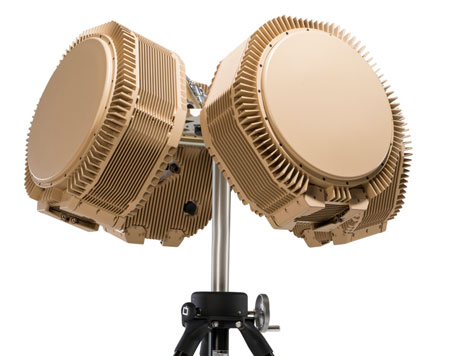
Key Takeaways
- Cost-Effectiveness and Low Power Consumption: Ground-based audio radar systems offer a sustainable alternative to traditional radar technologies by minimizing both production costs and energy requirements, making them ideal for extensive border security deployments.
- Advanced Hardware and Software Integration: The effectiveness of audio radar hinges on sophisticated hardware components such as high-sensitivity microphone arrays and powerful signal processing units, complemented by robust software algorithms for sound localization and target classification.
- Emerging Industry Interest: Several leading defense and technology companies are investing in the development and refinement of ground-based audio radar technologies, signaling a growing recognition of their potential in enhancing security operations.
Introduction
Ground-based audio radar represents a pioneering advancement in surveillance and detection technologies, leveraging acoustic waves instead of traditional electromagnetic methods. This approach offers significant advantages in terms of lower power consumption, reduced production costs, and enhanced operational flexibility, particularly in challenging environmental conditions. These attributes make audio radar systems exceptionally suitable for defense applications and border security, where extensive and reliable monitoring is paramount.
Hardware Components
1. Microphone Array
Central to the functionality of ground-based audio radar is the microphone array. This assembly consists of multiple high-sensitivity microphones strategically arranged to capture sound from various directions. The design must accommodate a wide frequency response to detect both low-frequency sounds, such as footsteps and vehicle engines, and high-frequency noises like gunshots.
- High-Sensitivity MEMS Microphones: Utilizing Micro-Electro-Mechanical Systems (MEMS) microphones enhances directional capabilities and sensitivity, enabling the system to discern subtle acoustic signatures even in noisy environments.
- Array Configuration: The geometric arrangement of microphones can significantly influence sound localization accuracy. Phased-array configurations are often employed to facilitate beamforming techniques, enhancing the system's ability to pinpoint sound sources with high precision.
2. Signal Processing Unit
The raw audio data captured by the microphone array necessitates sophisticated processing to extract meaningful information. This is achieved through a dedicated signal processing unit, which typically comprises digital signal processors (DSPs) or Field-Programmable Gate Arrays (FPGAs).
- Digital Signal Processors (DSPs): Devices like the Texas Instruments TMS320 series are adept at handling real-time audio data, performing tasks such as noise filtering, sound localization, and frequency analysis with minimal latency.
- FPGAs: Xilinx FPGAs offer flexible and reconfigurable processing capabilities, allowing for customized algorithm implementations that can adapt to evolving operational requirements.
3. Transmitter and Receiver
While some audio radar systems operate passively by relying solely on ambient sounds, active systems incorporate transmitters to emit sound waves and receivers to capture their reflections. This dual approach enhances detection capabilities, especially in environments with low ambient noise.
- Ultrasonic Transducers: Used in active systems, ultrasonic transducers can emit sound waves at frequencies beyond human hearing, reducing interference from typical environmental noises.
- Passive Monitoring: Passive systems, which depend entirely on capturing existing sounds, benefit from lower energy consumption and reduced complexity, albeit with potential limitations in detection range and accuracy.
4. Computing Hardware
The backbone of the audio radar's operational capabilities lies in its computing hardware. This includes microcontrollers or single-board computers (SBCs) that execute software algorithms and manage data interfaces.
- Single-Board Computers: Platforms like the Raspberry Pi and NVIDIA Jetson Nano provide the necessary computational power for edge computing applications, enabling real-time data processing and analysis.
- Microcontrollers: ARM Cortex-based microcontrollers offer efficient processing for specific tasks, such as managing sensor inputs and handling communication protocols.
5. Power Supply
For deployment in remote or extensive border areas, the audio radar system must operate on low-power sources.
- Solar Panels: Integrating solar panels ensures a sustainable power supply, extending the operational lifespan without the need for frequent battery replacements.
- Rechargeable Batteries: Lithium-ion batteries with solar charging capabilities provide a reliable energy source, balancing portability with power needs.
6. Communication Module
Effective data transmission to central command centers is crucial for timely decision-making and situational awareness.
- Wireless Technologies: Modules supporting LoRa or Zigbee protocols facilitate long-range and low-power communication, ensuring data can be reliably transmitted over vast and rugged terrains.
- Semtech LoRa Modules: Known for their long-range capabilities and minimal power consumption, these modules are ideal for integrating into extensive surveillance networks.
7. Low-Noise Amplifiers
To amplify weak audio signals without introducing significant noise, low-noise amplifiers (LNAs) are employed. These components are essential for maintaining the integrity of the captured sound, especially in passive monitoring scenarios where signal strength may be inherently low.
- High-Quality LNAs: Selecting amplifiers with low noise figures ensures that the amplified signals retain their clarity, facilitating accurate sound localization and classification.
8. Analog-to-Digital Converters (ADCs)
Converting analog audio signals into digital data is a critical step for subsequent processing.
- High-Resolution ADCs: Devices capable of precise analog-to-digital conversion maintain the fidelity of the original sound signals, enabling detailed analysis and accurate detection.
9. Housing and Enclosures
To ensure durability and operational reliability, especially in harsh environmental conditions, robust housing and enclosures are necessary.
- Weatherproof Enclosures: Constructed from durable materials, these enclosures protect sensitive components from moisture, dust, and extreme temperatures.
- Compact Design: Ensuring that hardware components are housed in a compact and secure manner facilitates ease of deployment and maintenance.
Software Components
1. Signal Processing Algorithms
The efficacy of audio radar systems is heavily dependent on the robustness of their signal processing capabilities. Advanced algorithms are employed to filter noise, enhance relevant signals, and extract critical features from the captured audio data.
- Time Difference of Arrival (TDOA): By analyzing the time delay between signal receptions at different microphones, TDOA algorithms accurately determine the direction and distance of sound sources.
- Doppler Shift Detection: Tracking frequency shifts caused by moving objects allows for the estimation of their velocity, enhancing tracking capabilities.
- Beamforming: Utilizes phased-array techniques to focus on specific directions, improving angular resolution and minimizing interference from unwanted directions.
- Noise Filtering: Implements FFT-based bandpass filters and other noise reduction techniques to isolate desired signals from environmental noise, ensuring clarity and accuracy in detection.
2. Machine Learning Models
Incorporating machine learning (ML) enhances the system's ability to classify and identify various sound sources with increasing accuracy over time.
- Sound Classification: ML models, particularly Convolutional Neural Networks (CNNs), are trained to differentiate between different types of sounds, such as distinguishing between footsteps and vehicle noises.
- Pattern Recognition: Advanced algorithms analyze sound patterns to improve detection accuracy, reducing false positives and enhancing overall system reliability.
- Training Frameworks: Utilizing frameworks like TensorFlow and PyTorch facilitates the development and deployment of sophisticated ML models.
3. Sound Localization Algorithms
Accurate determination of the origin of sounds is pivotal for effective surveillance.
- Direction of Arrival (DOA) Estimation: Algorithms that determine the direction from which a sound originates enable precise localization of intruders or moving objects.
- Data Fusion: Integrating data from multiple sensors or radar units enhances coverage and accuracy, allowing for more comprehensive situational awareness.
4. User Interface
A well-designed graphical user interface (GUI) is essential for operators to interact with the system effectively.
- Dashboards: Web-based dashboards developed using frameworks like React or Angular provide real-time visualization of detected sounds, enabling swift interpretation and response.
- Alerts and Notifications: Integrated alert systems notify operators of potential security breaches or unusual activities, facilitating prompt decision-making.
5. Data Storage and Analytics
Storing and analyzing historical data allows for pattern recognition and long-term trend analysis, which are critical for enhancing security measures.
- Database Systems: Utilizing databases like PostgreSQL, MongoDB, or time-series databases like InfluxDB ensures efficient storage and retrieval of large volumes of sensor data.
- Analytics Tools: Tools integrated with the database systems enable deeper insights into the collected data, supporting strategic security planning and operational improvements.
6. Integration with External Systems
Seamless integration with existing security and command systems amplifies the effectiveness of audio radar deployments.
- Networking & IoT: Leveraging protocols like LoRaWAN or Wi-Fi facilitates communication between the radar systems and central command centers, ensuring synchronized operations.
- Geographic Information Systems (GIS): Integrating with GIS allows for spatial visualization of detected objects, enhancing situational mapping and strategic response.
Companies Exploring Ground-Based Audio Radar Technology
The burgeoning interest in ground-based audio radar systems is reflected in the initiatives undertaken by several prominent companies and research organizations. These entities are at the forefront of developing and refining technologies that promise to revolutionize defense and border security operations.
1. Indra
Indra is a leading player in electronic defense systems, with a focus on ground-based radar technologies. Their expertise in radar system integration and electronic attack (EA) technologies positions them as a key contributor to the development of audio radar systems.
Indra Ground Based Radar EA Systems
2. Lockheed Martin
Renowned for their high-performance ground-based air surveillance radar systems, Lockheed Martin is expanding their technological prowess to encompass audio radar capabilities. Their multi-mission radar systems, combined with advanced signal processing, provide a robust foundation for integrating acoustic detection functionalities.
Lockheed Martin - Ground-Based Air Surveillance Radars
3. Terma
Terma specializes in ground-based surveillance radars that excel in small-target detection and performance under adverse weather conditions. Their advanced radar technologies are well-suited for adaptation into audio radar systems, enhancing detection capabilities across diverse environments.
Terma Ground-Based Surveillance Radars
4. GroundRadio
GroundRadio develops ground-penetrating radar (GPR) systems with potential applications in audio-based detection. Their expertise in subsurface and surface radar technologies contributes to the versatility and reliability of audio radar systems in complex terrains.
5. Teledyne FLIR
Teledyne FLIR focuses on ground-based security and defense systems, particularly in intrusion detection within harsh environments. Their integrated multi-sensor systems, which include radar technologies, can be adapted to incorporate audio radar functionalities, broadening their application scope.
Teledyne FLIR - Ground-Based Security Radar
6. Mistral Solutions
Mistral Solutions offers design and development services for various radar systems. Their capacity to innovate in defense technologies positions them to explore and potentially advance audio radar applications, contributing to enhanced border security solutions.
Mistral Solutions - Radar Solutions
7. Texas Instruments
Texas Instruments is developing integrated automotive chips with radar sensors and audio processors. These innovations hold potential for adaptation into defense applications, providing scalable and efficient solutions for audio radar systems.
Texas Instruments - Radar Sensor Audio Processors
8. GSSI Inc.
GSSI Inc. specializes in high-speed radar systems for ground scanning applications. Their portable systems are adaptable to diverse environments, making them suitable candidates for integrating audio radar technologies to enhance field operations.
GSSI Inc. - Geophysical Systems
9. SRC Inc.
SRC Inc. focuses on ground surveillance radar systems, contributing to advancements in audio radar through their expertise in sensor integration and system optimization. Their technologies support comprehensive surveillance capabilities essential for effective border security.
SRC Inc. - SR Hawk Surveillance Radar
10. Thales Group
Thales Group, a major player in traditional radar systems, possesses extensive experience in ground surveillance technologies. Their ongoing research and development initiatives could facilitate the transition into audio radar applications, leveraging their existing technological infrastructure.
Thales Group - Ground Surveillance Radar
Challenges and Design Considerations
1. Hardware Limitations
Despite the promising advantages, ground-based audio radar systems face several hardware-related challenges that must be addressed to ensure optimal performance.
- Acoustic Range and Resolution: Lower power levels can limit the effective range and resolution of the system, potentially restricting its applicability in expansive or densely populated border areas.
- Signal Reflections: In complex terrains, sound reflections can overlap, complicating the accurate interpretation of detected signals and necessitating advanced signal processing algorithms to mitigate such interference.
2. Environmental Factors
Environmental conditions play a significant role in the performance of audio radar systems, influencing both signal propagation and detection accuracy.
-
Acoustic Propagation: Variables such as temperature, humidity, and wind can affect sound wave transmission, impacting the system's ability to accurately detect and localize sounds.
-
Ambient Noise: External audio sources, including wildlife, weather-related noises, and human activities, can introduce background noise that complicates signal processing and detection accuracy. Effective noise mitigation strategies are essential to maintain system reliability.
3. Legal and Ethical Considerations
The deployment of audio radar systems for defense and border security must navigate a complex landscape of legal and ethical considerations to ensure compliance and uphold societal standards.
- Regulatory Compliance: Systems must adhere to regulatory guidelines pertaining to acoustic emissions and electromagnetic compliance to avoid legal ramifications and ensure safe operations.
- Privacy Concerns: There is a potential for accidental surveillance of civilian areas. Implementing geofencing and other privacy-preserving measures can help mitigate undue intrusion into non-targeted regions.
- Export Controls: Developing and deploying such technologies may require navigating export control regulations, especially when involving dual-use technologies that have both civilian and military applications.
Conclusion
Ground-based audio radar emerges as a transformative technology in the realm of defense and border security, offering a cost-effective and energy-efficient alternative to conventional radar systems. By harnessing advanced hardware components and sophisticated software algorithms, these systems can achieve high-accuracy sound detection and classification, even in challenging environmental conditions. The active involvement of major defense and technology companies underscores the significant potential and growing interest in refining and deploying audio radar solutions on a wider scale.
Future developments will likely focus on overcoming existing hardware and environmental challenges, enhancing software capabilities for better signal processing and object classification, and addressing legal and ethical considerations to ensure responsible deployment. As the technology matures, ground-based audio radar systems are poised to play a pivotal role in modern security strategies, providing enhanced situational awareness and contributing to the safeguarding of national borders.
References
- Indra Ground Based Radar EA Systems
- Lockheed Martin - Ground-Based Air Surveillance Radars
- Terma Ground-Based Surveillance Radars
- Groundradar Technology
- Teledyne FLIR - Ground-Based Security Radar
- Mistral Solutions - Radar Solutions
- Texas Instruments - Radar Sensor Audio Processors
- GSSI Inc. - Geophysical Systems
- SRC Inc. - SR Hawk Surveillance Radar
- Thales Group - Ground Surveillance Radar
Last updated January 23, 2025