
Comprehensive Guide to Grounding Pressure Transmitters
Ensure accuracy and reliability through proper grounding practices
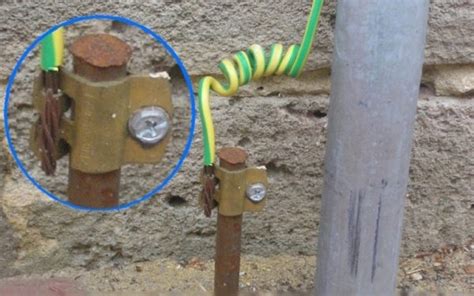
Key Takeaways
- Proper grounding is essential for signal integrity and safety.
- Ground loops and noise interference are common issues that can disrupt transmitter operations.
- Implementing single-point grounding and using shielded cables can effectively mitigate grounding problems.
1. Introduction
Grounding pressure transmitters is a fundamental practice in industrial and process control systems. Proper grounding ensures accurate measurements, enhances system reliability, and safeguards both equipment and personnel from electrical hazards. This comprehensive guide delves into the principles of grounding, common issues that may arise, and effective strategies for mitigation and troubleshooting.
2. Importance of Proper Grounding
Effective grounding of pressure transmitters is critical for several reasons:
- Signal Integrity: Proper grounding prevents electrical noise and interference from distorting the measurement signals, ensuring precise data transmission.
- Safety: A solid grounding system protects both the equipment and personnel from potential electrical shocks and hazards.
- System Reliability: Consistent grounding minimizes the risk of equipment malfunctions and measurement inaccuracies, leading to more reliable system performance.
3. Grounding Methods for Pressure Transmitters
3.1 Single-Point Grounding
Single-point grounding involves connecting the transmitter to a single reference ground point, typically at the negative terminal of the power supply. This method prevents the formation of multiple ground paths, thereby eliminating ground loops.
3.2 Isolated Grounding
Isolated grounding utilizes signal conditioners or isolators to create an independent operating environment for the transmitter. This approach ensures that the transmitter operates without being influenced by ground potential differences in other parts of the system.
3.3 Shielded Cables
Using shielded cables for signal wiring is essential to minimize electrical noise interference. The shield should be grounded at one end, preferably at the transmitter side, to prevent noise from coupling into the signal lines.
4. Common Grounding Issues
4.1 Ground Loops
Ground loops occur when there are multiple grounding paths with differing electrical potentials, causing unwanted current flow. This can introduce noise and offset errors, leading to inaccurate measurements.
- Causes: Multiple ground connections at various points with different potentials.
- Effects: Noise introduction, signal distortion, erratic transmitter readings.
- Example: A transmitter connected to both a grounded tank and a separate grounded control system.
4.2 Noise Interference
Electrical noise from electromagnetic interference (EMI) or radio frequency interference (RFI) can couple into signal wiring, disrupting the accuracy of pressure readings.
- Sources: Nearby high-power equipment, motors, or switching gear operations.
- Consequences: Distorted signals, making it difficult to obtain reliable measurements.
4.3 Floating Grounds
A floating ground occurs when the transmitter is not properly grounded, causing it to assume a potential different from the rest of the system. This can result in unstable or erratic readings.
- Causes: Inadequate grounding connections or interruptions in the ground path.
- Effects: Unstable transmitter behavior, inconsistent measurement data.
4.4 Transient Overvoltage
Transient overvoltages, such as those caused by lightning strikes or power surges, can damage pressure transmitters and disrupt their operation.
- Causes: External electrical events, rapid switching operations.
- Effects: Potential damage to transmitter electronics, loss of calibration.
5. Mitigation Strategies
5.1 Eliminating Ground Loops
- Implement Single-Point Grounding: Ensure that all grounding connections converge at a single reference point to prevent multiple paths.
- Use Isolation Devices: Galvanic isolators or signal conditioners can interrupt unwanted current flow, breaking potential ground loops.
- Maintain Common Ground Reference: Ensure all equipment shares the same ground potential to minimize differences.
5.2 Reducing Noise Interference
- Utilize Shielded Cables: Employ properly shielded and twisted pair cables for all signal transmissions.
- Strategic Cable Routing: Position signal cables away from high-power lines and sources of EMI.
- Install Ferrite Beads or Filters: These components help suppress high-frequency noise on signal lines.
5.3 Proper Grounding Practices
- Ground at Recommended Points: Typically, connect the transmitter ground to the negative terminal of the power supply.
- Verify Ground Integrity: Regularly measure resistance between ground points to ensure a solid connection.
- Use Grounding Straps or Conductive Bonding: Ensure all metallic components are at the same potential.
5.4 Protecting Against Transient Overvoltages
- Install Surge Suppressors: Protect transmitter circuits from voltage spikes.
- Use Lightning Protection Systems: Shield the grounding system from direct lightning strikes.
- Implement Intrinsic Safety Barriers: In hazardous areas, use barriers to prevent transient voltages from affecting transmitters.
6. Troubleshooting Grounding Issues
6.1 Check for Ground Loops
- Measure Voltage Differences: Use a multimeter to detect voltage discrepancies between different ground points.
- Test Ground Continuity: Ensure there's a continuous and unbroken path in the grounding system.
6.2 Inspect Wiring
- Examine Shielded Cables: Verify that shields are properly connected at only one end.
- Check for Physical Damage: Look for signs of wear, corrosion, or breaks in the wiring.
6.3 Test for Noise
- Use Diagnostic Tools: An oscilloscope can help identify the presence and frequency of noise on signal lines.
- Disconnect and Isolate: Temporarily disconnect the transmitter to determine if noise persists, helping identify the noise source.
6.4 Verify Grounding Connections
- Inspect Connection Points: Ensure all ground connections are tight and free from corrosion.
- Measure Ground Resistance: Use a resistance meter to confirm low impedance paths between ground points.
6.5 Use Isolation
- Install Signal Isolators: These devices can prevent unwanted current flow and break ground loops.
- Use Differential Amplifiers: They help in rejecting common-mode noise, enhancing signal quality.
7. Best Practices
-
Plan Grounding During Installation: Design the grounding layout before installing transmitters to ensure optimal performance.
-
Regular Maintenance: Periodically inspect and test grounding systems to maintain their integrity.
-
Follow Manufacturer Guidelines: Adhere to the specific grounding and shielding recommendations provided by transmitter manufacturers.
-
Use Quality Components: Invest in high-quality cables, connectors, and protective devices to enhance system reliability.
-
Separate Power and Signal Grounds: Maintain distinct ground paths for power and signal to reduce interference.
8. Conclusion
Grounding pressure transmitters correctly is paramount for achieving accurate measurements, ensuring the safety of operations, and maintaining the reliability of control systems. By understanding common grounding issues such as ground loops and noise interference, and by implementing effective mitigation strategies like single-point grounding and the use of shielded cables, potential problems can be effectively managed. Regular maintenance and adherence to best practices further ensure that pressure transmitters operate optimally, free from grounding-related disruptions.
References
Last updated January 19, 2025