
The Role of Group Projects in Enhancing Collaboration Skills
A comprehensive theoretical framework for investigating collaborative learning
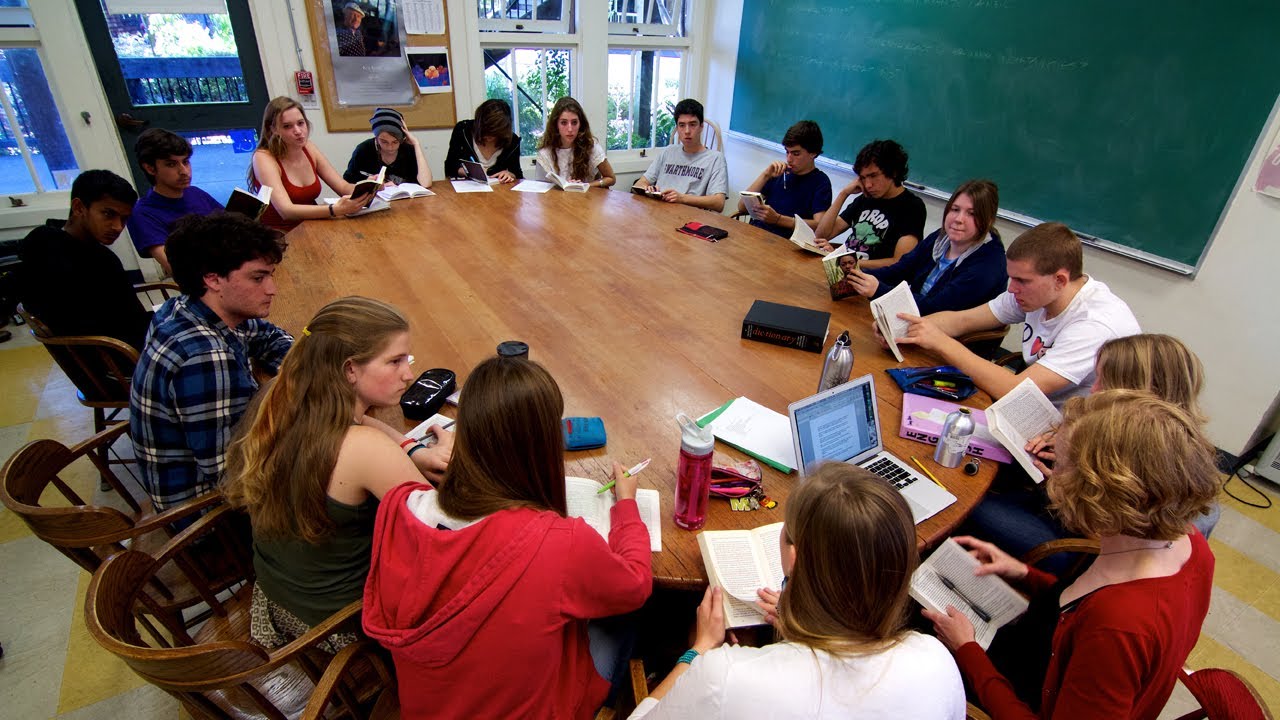
Key Insights
- Multidimensional Theoretical Underpinnings: Integration of collaborative learning, social interdependence, and constructivist theories offers a robust conceptual base.
- Structured Group Dynamics: Understanding team roles, stages of group development, and negotiation of responsibilities is essential to assess effective collaboration.
- Evaluation and Practical Implications: Incorporating elements of design, facilitation, and assessment strategies ensures that group projects translate into enhanced both academic and professional skills.
Introduction
Group projects have emerged as a critical pedagogical tool in both academic and professional contexts, serving as a catalyst for developing essential collaboration skills. Among these skills, communication, conflict resolution, interpersonal adaptability, and task delegation play pivotal roles in fostering successful outcomes. This theoretical framework provides an in-depth analysis of the multifaceted aspects that underlie the effectiveness of group projects in enhancing collaboration skills.
We integrate theories and models from collaborative learning, social interdependence, constructivism, and team dynamics to outline a comprehensive approach for research. This framework not only clarifies the underlying phenomenon but also offers a practical structure for empirical exploration, ensuring that findings can inform educational practices and professional readiness.
Theoretical Foundations
Collaborative Learning Theory and Constructivism
Collaborative Learning Theory posits that learning is inherently a social process in which knowledge is built through interaction and shared experiences. In group projects, students are exposed to diverse ideas and perspectives, leading to higher-level thinking skills. Constructivist theory further enriches this notion by emphasizing that learners construct knowledge actively through engaging experiences and social negotiation. These theories collectively imply that group projects enhance collaboration by promoting an environment where every participant contributes to a shared learning goal.
Social Interdependence Theory
Social Interdependence Theory is fundamental in explaining how the outcomes of group work rely on the interactions between participants. It suggests that when individuals perceive that their success depends on collective effort, a positive interdependence is established. This promotes mutual support, responsibility, and trust amongst group members. In the context of group projects, mechanisms such as shared goals, clear communication, and equitable evaluation bolster these interdependencies, ultimately enhancing collaboration skills.
Team Dynamics and Role Theories
A practical approach to improving collaboration in group projects is understanding team dynamics through models like Tuckman’s Stages of Group Development and Belbin’s Team Roles. Tuckman’s model details the gradual evolution of a group through stages of forming, storming, norming, performing, and adjourning. Each stage delineates specific behavioral characteristics that contribute to the overall success of the group, highlighting the importance of conflict resolution, trust building, and coordinated communication. Similarly, Belbin’s Team Roles framework enables the identification of individual strengths and roles within the team, ensuring that responsibilities are distributed appropriately, thus maximizing group productivity and cohesion.
Components of the Theoretical Framework
1. Teamwork Quality
This component emphasizes the intrinsic dynamics within the group, such as communication styles, trust, conflict resolution, and mutual support. It involves understanding both verbal and non-verbal interactions that facilitate effective collaboration. Analyses here should focus on:
- Quality and frequency of interpersonal communication.
- Levels of mutual trust and shared accountability.
- Strategies implemented for conflict resolution and adaptation.
2. The Role of Collaborative Technologies
With the increasing digitization of education, collaborative technologies play a vital role in supporting group projects. Tools such as online collaboration software, social media platforms, and project management systems enhance the flow of information and facilitate remote or hybrid collaboration. This component focuses on:
- Adoption and effectiveness of digital tools in complementing face-to-face interactions.
- Impact of virtual collaboration environments on group coordination and communication.
- Assessment of technology-mediated interactions versus traditional, in-person exchanges.
3. Project Design and Facilitation
The design and facilitation of a group project are crucial in setting clear expectations and providing structured guidance. Educators and project leaders can enhance collaboration skills by carefully designing project tasks, assigning roles explicitly, and ensuring continuous feedback. Essential elements include:
- Clear articulation of project goals and objectives.
- Designation of team roles based on individual strengths and expertise.
- Implementation of feedback mechanisms such as peer assessment and self-reflection strategies.
4. Outcomes and Assessment Techniques
Evaluating the effectiveness of group projects in enhancing collaboration skills requires both qualitative and quantitative measures. This component involves:
- Designing rubrics that measure outcomes such as communication efficacy, teamwork, and leadership.
- Utilizing surveys, interviews, and observational studies to assess participant performance and interpersonal dynamics.
- Applying pre- and post-assessment techniques to evaluate improvement in collaboration skills.
5. Analysis of Group Dynamics
Understanding the evolution of group interaction is key to assessing collaboration. Analyzing group dynamics involves:
- Mapping the stages of group development using models such as Tuckman’s formulation.
- Observing changes in roles and responsibilities over time.
- Identifying symmetry in collaboration by evaluating the shared knowledge, status, and objectives among participants.
Integration of Theoretical Components in the Framework
The framework merges the five aforementioned components into a structured model, referred to here as the "Collaboration Enhancement Framework" (CEF). The framework is designed to measure and explain how group projects foster collaboration skills through the following integrated elements:
Conceptual Map of the Framework
The following table provides a comprehensive overview of the components, theories, and strategies that comprise the theoretical framework:
| Component | Description | Key Theoretical Underpinnings | Strategies for Implementation |
|---|---|---|---|
| Teamwork Quality | Examines communication, trust, conflict resolution, and mutual support within the group. | Collaborative Learning Theory, Social Interdependence Theory | Structured communication exercises, regular feedback sessions, conflict management training |
| Collaborative Technologies | Assessment of digital tools and virtual platforms supporting group interaction. | Digital Collaboration Models | Use of virtual whiteboards, project management software, online communication tools |
| Project Design and Facilitation | Focuses on clear objectives, role assignment, and guided facilitation. | Constructivist Theory, Cooperative Learning | Clear task delegation, role-based assignments, continuous formative feedback |
| Outcomes and Assessment | Measurement of collaboration outcomes using qualitative and quantitative methods. | Formative and Summative Assessment Models | Pre-post project evaluations, peer reviews, self-assessment rubrics |
| Group Dynamics Analysis | Examination of group evolution from formation to performance and dissolution. | Tuckman’s Stages of Group Development, Belbin’s Team Roles | Observation of role allocation, conflict negotiation analyses, group dynamics mapping |
Research Methodology
Research Questions
The investigation should be guided by research questions that target both the development of collaboration skills and the underlying group dynamics. Examples include:
- How do group projects enhance collaborative problem-solving and communication skills?
- What roles do peer evaluation and conflict resolution play in improving group performance?
- How can technology-mediated interactions influence the overall quality of group collaboration?
Research Design and Data Collection
A mixed-methods approach is recommended to comprehensively capture qualitative nuances and quantitative outcomes. The following methods can be employed:
- Surveys and questionnaires: Designed to measure perceptions of collaboration, teamwork quality, and group satisfaction both before and after the group projects.
- Interviews: Conduct semi-structured interviews with participants to gather detailed insights about their experience, role negotiations, and conflict management.
- Observational studies: Record and analyze in-class or virtual interactions to document the evolution of group dynamics using models such as Tuckman’s stages.
- Assessment tools: Employ standardized rubrics and peer assessment forms to evaluate communication efficiency, role fulfillment, and overall effectiveness.
Analytical Techniques
Data analysis should leverage both statistical methods and thematic analysis. Quantitative data obtained from surveys and rubrics can be statistically analyzed to determine correlations between group project variables and collaboration skill improvements. Qualitative data from interviews can be processed with thematic coding to identify recurring patterns regarding role negotiation, conflict resolution, and shared responsibilities.
Implications for Educational and Professional Practice
Enhancing Academic Outcomes
When educators implement group projects with a well-structured theoretical framework, students not only enhance their academic performance but also develop crucial soft skills. Structured projects help in:
- Facilitating peer-to-peer learning through the exchange of diverse perspectives.
- Encouraging self-management through role distribution and accountability.
- Creating a balanced environment where students actively engage in assessing and refining their collaboration strategies.
Preparing for the Professional World
The skills developed during group projects are directly translatable to professional settings. Effective teamwork, strategic communication, and adept conflict resolution are highly valued in work environments. By understanding and applying theories such as Social Interdependence Theory and constructs like shared accountability, students are better prepared for real-world challenges. Additional focal points include:
- Enhanced problem-solving abilities rooted in collective intelligence.
- Adaptability learned through dynamic group interactions and feedback cycles.
- Readiness for interdisciplinary projects, leveraging diverse expertise and complementary skills.
Integrated Model: The Collaboration Enhancement Framework (CEF)
The Collaboration Enhancement Framework (CEF) is designed to integrate the discussed components and theories into a unified model. This model outlines how group projects are an effective mechanism for developing collaboration skills:
CEF Components
- Foundation: Grounded in Collaborative Learning Theory, Social Interdependence, and Constructivism.
- Team Dynamics: Incorporates models like Tuckman’s Stages and Belbin’s Team Roles to analyze group evolution.
- Facilitation: Emphasizes structured project design, clear role delineation, and regular feedback.
- Assessment: Combines qualitative and quantitative evaluation methods to measure collaboration outcomes.
- Technology Integration: Leverages digital platforms to support both synchronous and asynchronous interactions.
By synthesizing these components, the CEF offers a powerful lens through which the role of group projects can be analyzed, measured, and enhanced—leading to more effective collaboration skills in diverse settings.
References
- Collaborative Learning Theory Definition and Meaning - Top Hat
- Group Work - Poorvu Center for Teaching and Learning
- Theoretical Framework - Types, Examples and Writing Guide - ResearchMethod.net
- Theories and Models of Teams and Groups - ResearchGate
- Theoretical Foundations in Project Management - PMI
Recommended Queries for Further Research
Last updated March 16, 2025