
Comprehensive Guide to Growing Smoke Trees
Everything You Need to Know to Successfully Cultivate Cotinus coggygria
Key Takeaways
- Optimal Sunlight: Smoke trees thrive in full sun but can tolerate partial shade, ensuring vibrant foliage and prolific blooms.
- Soil and Watering: Well-drained, fertile soil with a pH between 6.0 and 7.5 is ideal. Young plants require deep watering, transitioning to drought-resistant care as they mature.
- Pruning and Maintenance: Minimal pruning is necessary to maintain shape and encourage healthy growth. Mulching and periodic fertilization promote robust development.
Introduction to Smoke Trees
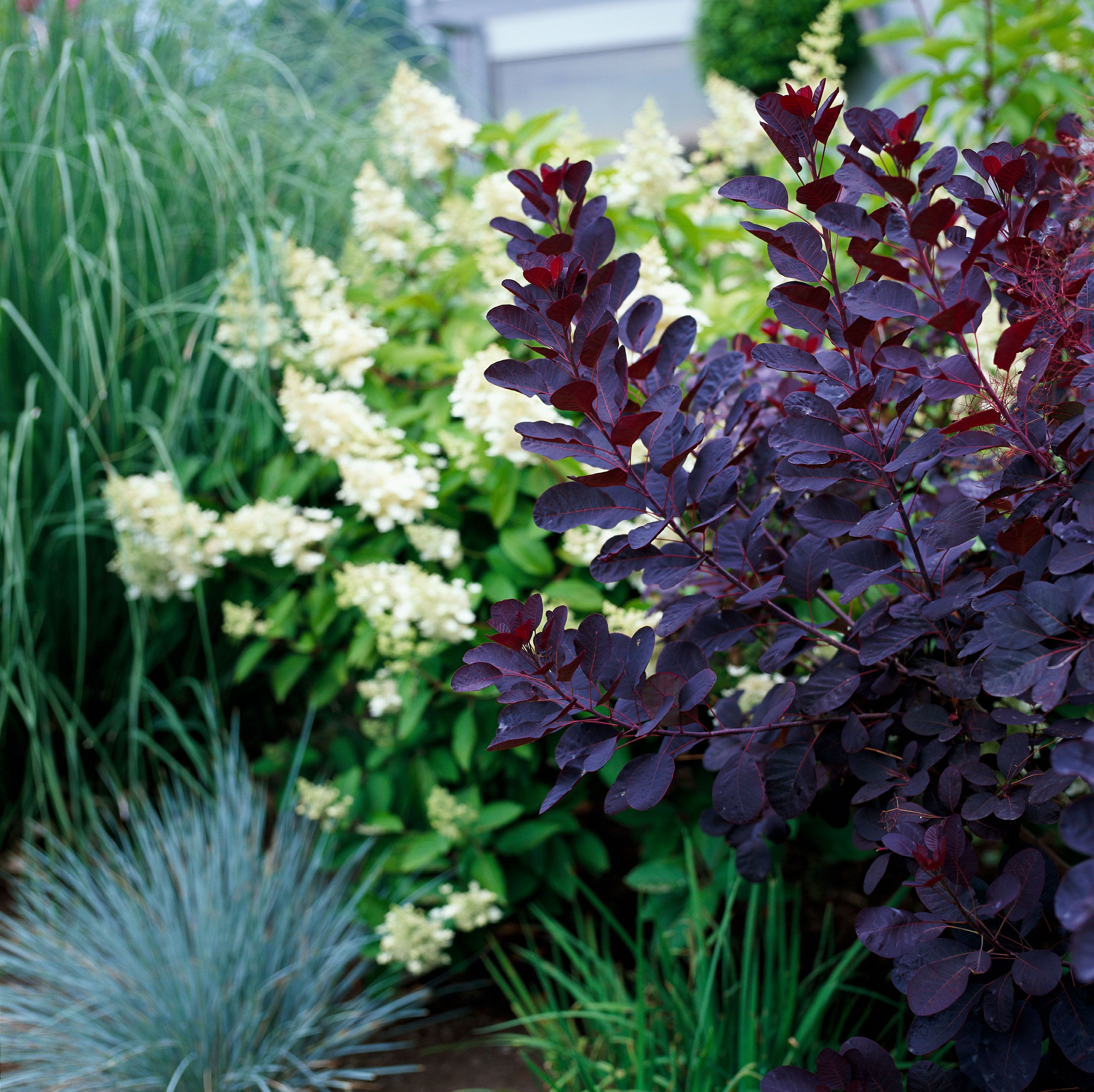
The Smoke Tree, scientifically known as Cotinus coggygria, is a striking ornamental shrub or small tree renowned for its unique, smoke-like inflorescences and vibrant foliage. Its captivating appearance makes it a favorite among gardeners and landscapers alike. This guide provides an in-depth exploration of the essential practices for cultivating smoke trees successfully.
Location and Sunlight
Selecting the Ideal Site
Choosing the right location is paramount for the healthy growth of a smoke tree. These plants flourish in environments that provide ample sunlight, although they can adapt to partial shade conditions.
Full Sun Requirements
For optimal growth and the most vibrant foliage colors, smoke trees should be planted in areas that receive full sun. This equates to a minimum of six to eight hours of direct sunlight each day. Purple-leaved varieties, in particular, exhibit their best color under full sunlight.
Tolerance to Partial Shade
While full sun is ideal, smoke trees can tolerate partial shade. In regions with extremely hot climates, some afternoon shade can prevent leaf scorching and reduce water stress.
Soil Requirements
Preferred Soil Types
Smoke trees are adaptable to a variety of soil types, but they perform best in well-drained, fertile soils. The soil should be rich in organic matter to support robust growth.
Soil Composition
These trees can thrive in sandy, loamy, or even rocky soils, provided there is adequate drainage. Heavy clay soils can lead to root rot and other moisture-related issues.
Soil pH Levels
Smoke trees prefer soil with a pH ranging from slightly acidic to slightly alkaline, specifically between 6.0 and 7.5. Conducting a soil test before planting can help determine if any amendments are necessary to achieve the desired pH levels.
Planting Time and Spacing
Optimal Planting Seasons
The best times to plant smoke trees are during the milder seasons of spring or fall. Planting during these periods helps the tree establish a strong root system without the stress of extreme temperatures.
Spring Planting
Planting in early spring allows the tree to settle in before the heat of summer arrives. Ensure that the soil is workable and not overly saturated from winter rains.
Fall Planting
Autumn planting takes advantage of cooler temperatures and increased rainfall, which can aid in root establishment before the winter.
Spacing Considerations
When planting multiple smoke trees, it is essential to provide adequate space for each to mature without competition for resources.
Recommended Spacing
Space smoke trees approximately 10 to 15 feet apart. This ensures sufficient airflow, reduces the risk of disease, and allows each tree to reach its full canopy size without overcrowding.
Watering Practices
Establishing Young Trees
Proper watering is crucial during the initial stages of growth to help young smoke trees develop a strong and extensive root system.
Deep Watering Techniques
For young trees, water deeply to ensure that moisture penetrates to the root zone. This encourages roots to grow deeper into the soil, enhancing the tree's stability and drought resistance.
Mature Tree Watering
As smoke trees mature, they become more drought-resistant and require less frequent watering. However, maintaining consistent moisture levels during prolonged dry periods is beneficial.
Watering Frequency
Mature smoke trees should be watered moderately every ten to fourteen days, adjusting based on weather conditions. In hotter climates or during extended dry spells, increased watering may be necessary to maintain foliage health.
Mulching and Fertilizing
Benefits of Mulching
Applying mulch around the base of the smoke tree offers several advantages, including moisture retention, soil temperature regulation, and weed suppression.
Types of Mulch
Organic mulches such as compost, well-rotted manure, or leaf mold are ideal. These materials enrich the soil as they decompose, contributing to overall soil fertility.
Fertilization Practices
While smoke trees are not heavy feeders, periodic fertilization can promote healthy growth and vibrant foliage.
Compost Application
Apply a 2- to 3-inch layer of compost in the spring. This enriches the soil, encourages healthy leaf development, enhances foliage color, and promotes prolific blooming.
Organic Fertilizers
Alternatively, incorporate well-rotted manure or high-quality organic fertilizers to maintain soil fertility and support sustained growth throughout the growing season.
Pruning Techniques
Purpose of Pruning
Pruning smoke trees helps maintain their shape, encourages healthy growth, and enhances the vibrancy of their foliage. Proper pruning techniques can significantly impact the overall appearance and health of the tree.
Timing for Pruning
Late winter or early spring is the optimal time for pruning, as it allows the tree to recover and produce new growth during the upcoming growing season.
Pruning Methods
Minimal pruning is recommended to preserve the natural form of the smoke tree and to allow the smoke-like flower clusters to develop fully. If necessary, perform light shaping to maintain the desired size and structure. Avoid heavy pruning unless it's essential for health reasons.
Maintenance and Container Growing
General Maintenance
Regular maintenance ensures the longevity and beauty of your smoke tree. This includes monitoring for pests, diseases, and maintaining overall plant health.
Pest and Disease Control
Smoke trees are generally resilient but can be susceptible to common garden pests such as aphids and scale. Regular inspections and timely interventions, such as using organic insecticides or introducing beneficial insects, can keep pest populations in check.
Container Growing
For those with limited space or those who prefer container gardening, certain dwarf varieties of smoke trees, such as 'Lilla', are well-suited for growing in pots.
Choosing the Right Container
Select a pot with a diameter of at least 35cm and ensure it has adequate drainage holes to prevent waterlogging, which can lead to root rot.
Care Adjustments for Containers
Containers can dry out more quickly than ground soil, necessitating more frequent watering. Monitor moisture levels closely and adjust watering schedules based on the plant's needs and environmental conditions.
Propagation Methods
Stem Cuttings
Propagating smoke trees using stem cuttings is a reliable and straightforward method to produce new plants.
Steps for Propagation
- Select healthy, softwood stems during the summer months.
- Take cuttings approximately 4-6 inches long, ensuring each cutting has several nodes.
- Remove the lower leaves to expose the nodes and dip the cut end in a rooting hormone to encourage root development.
- Plant the cuttings in a well-draining propagation medium, such as a mixture of perlite and peat moss.
- Maintain high humidity and indirect light until roots develop, typically within a few weeks.
Care Tips Overview
| Care Aspect | Recommendation |
|---|---|
| Sunlight | Full sun to partial shade, with at least 6-8 hours of direct sunlight daily. |
| Soil | Well-drained, fertile soil with pH between 6.0 and 7.5. |
| Watering | Deep watering for young trees; moderate watering every 10-14 days for mature trees. |
| Mulching | Apply a 2-3 inch layer of compost or well-rotted manure in spring. |
| Pruning | Minimal pruning in late winter or early spring. |
| Spacing | Plant 10-15 feet apart to accommodate mature size. |
Conclusion
Growing a smoke tree (Cotinus coggygria) can significantly enhance the aesthetic appeal of any garden or landscape with its distinctive foliage and unique bloom clusters. By selecting the appropriate location, ensuring optimal soil conditions, adhering to proper watering and maintenance practices, and utilizing effective propagation methods, gardeners can successfully cultivate healthy and vibrant smoke trees. Whether planted in the ground or grown in containers, smoke trees offer both beauty and resilience, making them a valuable addition to diverse gardening settings.
References
Last updated February 16, 2025