
Unlock the Secrets: Can Your Lemon Kush Flourish Under the Open Sky?
Your comprehensive guide to successfully cultivating vibrant Lemon Kush outdoors for a bountiful, citrus-scented harvest.
Lemon Kush, a celebrated hybrid known for its zesty aroma and balanced effects, is a favorite among many cannabis enthusiasts. If you're captivated by its allure and contemplating cultivating your own, a crucial question arises: Can Lemon Kush truly thrive in an outdoor environment? The answer is a resounding yes! With the right knowledge and preparation, growing Lemon Kush outdoors can be an incredibly rewarding experience, often yielding more generous harvests than indoor setups. This guide will walk you through everything you need to know, from climate considerations to harvesting tips, ensuring your journey into outdoor Lemon Kush cultivation is a success.
Key Highlights for Outdoor Lemon Kush Cultivation
- Mediterranean Climate is Key: Lemon Kush flourishes in warm, dry, and sunny conditions, similar to a Mediterranean climate, with ideal temperatures between 70-85°F (21-29°C).
- Generous Yields and Height: Outdoor plants can grow significantly tall, reaching 5.5 to 7.5 feet (or even 8 feet), and can produce an impressive average of 35 ounces per plant.
- Strategic Care for Optimal Growth: Proper soil selection, consistent watering, effective pruning, and proactive pest management are crucial for maximizing your outdoor Lemon Kush harvest.
Why Choose Outdoor Cultivation for Lemon Kush?
Opting to grow Lemon Kush outdoors presents several advantages. The most significant is the potential for larger plants and, consequently, more substantial yields compared to indoor cultivation. Natural sunlight, with its full spectrum, provides an unparalleled energy source that encourages vigorous growth and robust bud development. Furthermore, outdoor environments allow plants to reach their full genetic potential in terms of size; Lemon Kush can stretch impressively skywards, sometimes reaching heights of 170 to 230 cm (approximately 5.5 to 7.5 feet), and even taller under optimal conditions.
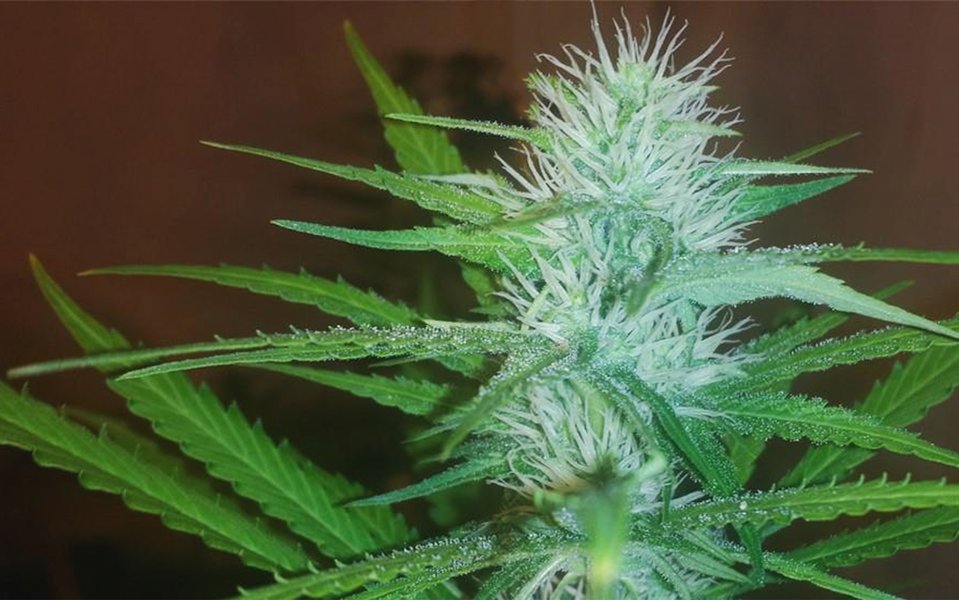
A vibrant Lemon Kush plant flourishing under the sun, showcasing its growth potential in an outdoor setting.
Beyond yield and size, many cultivators find that the natural interplay of elements enhances the terpene profile, leading to a richer, more pronounced lemony aroma and flavor. While it requires vigilance against weather and pests, the rewards of a sun-kissed Lemon Kush harvest are often well worth the effort.
Understanding Lemon Kush: Genetics and Characteristics
Lemon Kush is typically a balanced 50/50 indica-sativa hybrid, though some variations exist. Its lineage often traces back to Afghani Kush and Lemon G, or sometimes Expert Kush and Lemon Joy. This genetic makeup contributes to its resilience and its signature citrus fragrance. THC levels generally range from 16% to a potent 26%, offering uplifting yet relaxing effects cherished by both recreational and medicinal users.
Crafting the Ideal Outdoor Environment for Lemon Kush
Success with outdoor Lemon Kush cultivation hinges on replicating its preferred natural habitat as closely as possible. This strain isn't overly demanding but has specific preferences that, when met, lead to thriving plants.
Climate: The Sun-Soaked Sweet Spot
Temperature and Sunlight
Lemon Kush thrives in a warm, dry, Mediterranean-like climate. The ideal daytime temperature range is between 70°F and 85°F (21°C to 29°C). A slight drop in temperature at night can even enhance resin production and intensify the aroma. Crucially, these plants are sun-lovers, requiring at least 8-10 hours of direct sunlight daily to reach their full potential. Choose the sunniest spot in your garden or property.
Humidity Management
While Lemon Kush can tolerate some humidity, it prefers drier conditions, especially during its flowering stage. Aim for a relative humidity (RH) of around 40-50% during flowering to prevent mold and mildew issues, which can be detrimental to your crop. Good air circulation around the plants will also help manage humidity levels.
Soil: The Foundation of Health
Well-draining, nutrient-rich soil is paramount. Organic soil is often recommended as it can help to naturally enhance the strain's distinctive lemony terpenes. If your native soil is heavy clay or too sandy, consider amending it with organic compost, perlite, or coco coir to improve its structure and aeration. Large fabric pots can also be an excellent choice, offering good drainage and root aeration.
The Growing Journey: From Seed to Luscious Buds
Growing Lemon Kush outdoors is a journey that spans several months, from the initial planting to the final, fragrant harvest. Understanding each phase is key to nurturing your plants effectively.
Planting and Early Growth
You can start Lemon Kush from seeds or clones. If starting from seeds, it's often beneficial to germinate them indoors and allow the seedlings to establish themselves for a few weeks before transplanting them outdoors after the last frost. When planting, ensure enough space between plants (at least 2-3 feet) to allow for adequate airflow and light penetration as they mature.
Vegetative and Flowering Stages
Vegetative Vigor
During the vegetative stage, your Lemon Kush plants will focus on developing strong roots, stems, and leaves. Consistent moisture and access to nitrogen-rich nutrients are vital during this period. This is also the time when the plants will gain most of their height.
Flowering Transformation
Lemon Kush typically has an outdoor flowering time of around 9 to 10 weeks. This phase is triggered by the changing light cycles as summer transitions to autumn. During flowering, the plant's energy shifts towards producing buds. Nutrient needs will change, with a greater demand for phosphorus and potassium.

Close-up of dense Lemon Kush buds, showcasing their resinous trichomes, a sign of a healthy flowering stage.
Essential Care and Maintenance Outdoors
Watering Wisdom
Water consistently, ensuring the soil remains moist but not waterlogged. Allow the top inch or two of soil to dry out between waterings to prevent root rot and other moisture-related issues. The frequency of watering will depend on your climate, soil type, and plant size.
Feeding Your Plants
While Lemon Kush in healthy, rich soil may not require excessive feeding, supplemental nutrients can boost growth and yield, especially if your soil is deficient. During the vegetative stage, organic options like well-composted animal manure can be beneficial. As plants transition to flowering, switch to fertilizers higher in phosphorus and potassium. Always follow product instructions carefully to avoid over-fertilization.
Pruning and Training Techniques
Strategic pruning and training can significantly enhance your outdoor Lemon Kush yield.
- Early Pruning: Pruning young plants during their vegetative stage encourages bushier growth and ensures better light penetration to all parts of the plant.
- Topping: Removing the top main shoot encourages the plant to develop multiple main colas instead of just one, potentially increasing yield.
- Low-Stress Training (LST): Gently bending and tying down branches can create a more even canopy, allowing lower bud sites to receive more light.
- Defoliation: Removing some lower branches and large fan leaves that shade bud sites can improve airflow and light exposure, which is crucial for preventing mold and promoting uniform bud development.
Lemon Kush Outdoor Cultivation Factor Analysis
To better understand how Lemon Kush performs outdoors across various aspects, the following chart provides an opinionated analysis. These factors are rated on a scale where higher values generally indicate a more positive attribute or a greater requirement. For instance, a high "Climate Suitability" means it's well-suited but might be specific, while high "Sunlight Requirement" means it needs a lot of sun. This visualization helps to quickly grasp the key considerations for successful outdoor growing.
Visualizing the Outdoor Lemon Kush Cultivation Journey
Growing Lemon Kush outdoors involves several interconnected stages and considerations. The mindmap below offers a visual overview of the key elements involved in a successful outdoor cultivation cycle, from initial planning to the final harvest. This can help you organize your approach and ensure all critical aspects are addressed.
Each branch of this mindmap represents a critical phase or consideration. For a deeper dive into general cannabis cultivation practices, resources like Wikipedia's page on cannabis cultivation can offer broad foundational knowledge.
Managing Pests and Diseases Naturally
Outdoor gardens are susceptible to various pests and diseases. For Lemon Kush, common concerns include spider mites, aphids, and fungal issues like powdery mildew, especially if humidity is high or airflow is poor.
Proactive and Natural Solutions
- Beneficial Insects: Introduce predatory insects like ladybugs (for aphids) or parasitic wasps. These natural allies can help keep pest populations in check.
- Companion Planting: Certain plants can help repel pests. Consider planting basil, lemon balm, dill, or marigolds near your Lemon Kush. These can deter unwanted insects while sometimes attracting beneficial ones.
- Regular Inspections: Early detection is key. Inspect your plants regularly, paying close attention to the undersides of leaves, for any signs of pests or disease.
- Maintain Good Airflow: Proper spacing and strategic pruning to open up the plant canopy will improve air circulation, reducing the risk of fungal infections.
- Organic Sprays: If pests become a problem, consider organic options like neem oil or insecticidal soap, but use them cautiously and avoid spraying during peak flowering if possible.
Harvest Time: Reaping Your Lemony Rewards
The culmination of your efforts is the harvest. Knowing when and how to harvest Lemon Kush is crucial for maximizing potency and flavor.
When to Harvest
Outdoors, Lemon Kush is typically ready for harvest around late September to the middle of October in the Northern Hemisphere. The exact timing will depend on your local climate and when the plants began flowering. The most reliable indicators of ripeness are the trichomes – the tiny, mushroom-shaped resin glands on the buds. Using a magnifying glass, observe their color:
- Clear Trichomes: The plant is not yet at peak potency.
- Milky/Cloudy Trichomes: THC levels are at their highest; this is often the preferred time for a more energetic effect.
- Amber Trichomes: Some THC has begun to degrade into CBN, which can lead to a more relaxing, sedative effect. Many growers aim for a mix, such as 70% milky and 30% amber.
Expected Yield
As mentioned, Lemon Kush can be a very generous producer outdoors. Under optimal conditions, you could potentially harvest an average of 35 ounces (around 990 grams) of dried bud per plant. This can vary based on plant size, health, growing conditions, and grower skill.
Once harvested, dried, and cured, your Lemon Kush buds will be ready to enjoy. For those who appreciate a convenient and classic way to savor their harvest, smoking prerolls made from your homegrown, sun-ripened Lemon Kush can be a particularly satisfying experience.
Expert Insights on Outdoor Cannabis Cultivation
Learning from experienced growers can significantly shorten the learning curve for outdoor cannabis cultivation. The video below offers valuable tips on selecting strains and optimizing for denser buds in an outdoor setting, which can be broadly applied to your Lemon Kush grow.
This video discusses choosing the right outdoor cannabis strains for denser buds, providing useful context for Lemon Kush growers.
Lemon Kush Outdoor Growing Snapshot
Here's a quick reference table summarizing the key parameters for growing Lemon Kush outdoors:
| Parameter | Detail |
|---|---|
| Ideal Climate | Warm, dry, sunny (Mediterranean-like) |
| Optimal Temperature | 70-85°F (21-29°C) |
| Sunlight Requirement | 8-10+ hours of direct sunlight daily |
| Preferred Humidity (Flowering) | 40-50% RH |
| Soil Type | Well-draining, nutrient-rich, organic preferred |
| Typical Outdoor Height | 5.5 - 7.5 feet (170-230 cm), potentially taller |
| Outdoor Flowering Time | 9-10 weeks |
| Harvest Time (Northern Hemisphere) | Late September to Mid-October |
| Average Outdoor Yield | Up to 35 ounces (approx. 990g) per plant |
| THC Content | 16-26% |
| Grow Difficulty | Relatively easy for novices, with attention to basic needs |
Frequently Asked Questions (FAQ)
Is Lemon Kush hard to grow outdoors for beginners?
Lemon Kush is considered relatively easy to grow, even for novice cultivators, especially outdoors where it can express its vigor. However, success still depends on providing its basic needs: plenty of sunlight, the right climate, good soil, and attention to watering and pest prevention. Beginners who do their research and stay observant can achieve great results.
How much direct sunlight does Lemon Kush need daily when grown outdoors?
Lemon Kush is a sun-loving strain. For optimal growth and bud production outdoors, it requires a minimum of 8 hours of direct sunlight per day. More is often better, with 10-12 hours being ideal if your location permits.
What are common mistakes to avoid when growing Lemon Kush outdoors?
Common mistakes include:
- Overwatering: Leads to root rot and fungal issues. Ensure soil dries slightly between waterings.
- Poor Airflow: Insufficient pruning or spacing can lead to mold, especially in humid conditions.
- Neglecting Pest Checks: Pests can quickly damage plants if not addressed early.
- Inadequate Sunlight: Choosing a shady spot will result in smaller plants and lower yields.
- Incorrect Nutrient Use: Over or under-feeding can stress plants.
Can I grow Lemon Kush outdoors in a cooler, less ideal climate?
While Lemon Kush prefers warm, Mediterranean-like conditions, it is somewhat resilient. Growing in cooler climates is more challenging but not impossible. You might need to use a greenhouse to extend the growing season, protect plants from early frosts, or select a spot that maximizes warmth and sunlight (e.g., against a south-facing wall). Autoflowering Lemon Kush varieties, if available, might also be an option as they have shorter life cycles.
Recommended Further Exploration
If you're eager to learn more, consider these related queries:
- What are the best organic pest control methods for outdoor cannabis cultivation?
- How does companion planting benefit Lemon Kush and other cannabis strains outdoors?
- What are the detailed steps for drying and curing Lemon Kush for optimal flavor and potency?
- How can I amend my garden soil to create the perfect environment for Lemon Kush?
References
Last updated May 8, 2025