
Growing Lemon Trees in Pots and Pruning for Optimal Branch Growth
Practical tips and expert guidance for container lemon trees
Key Takeaways
- Pot Selection and Soil Preparation: Choosing the right container with proper drainage and using a well-draining, organic-enriched soil mix are fundamental for healthy growth.
- Essential Plant Care: Providing optimal sunlight, controlled watering, and timely fertilization ensures strong, thriving lemon trees even in container settings.
- Pruning Techniques: Strategic pruning, including topping to encourage side branch development, is key to maintaining a compact shape, increased fruit yield, and better airflow.
Introduction
Growing lemon trees in pots is a versatile and rewarding practice that allows gardeners to enjoy fresh, homegrown citrus fruit despite limited outdoor space or challenging climates. Whether you are an urban gardener with a balcony, a patio enthusiast, or almost always growing indoors, understanding the specific needs of container-grown lemon trees is essential. This guide provides an in-depth explanation of how to successfully grow lemon trees in containers as well as when and how to prune them for productive side branch growth.
Selecting the Ideal Pot
Size and Material
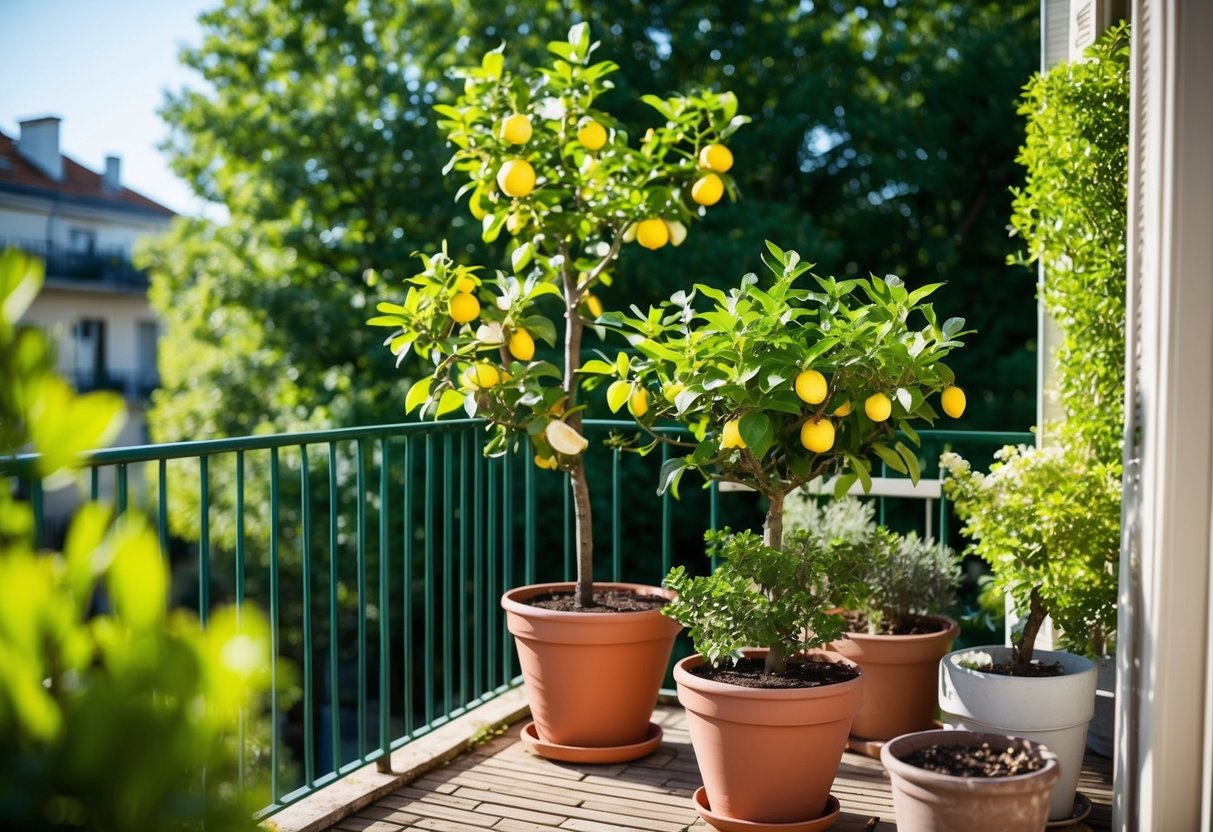
One of the first critical steps in container gardening is choosing the right pot. Lemon trees require a container that supports healthy root development while preventing waterlogging. Start with a pot that is at least 12-15 inches deep; larger containers (7-10 gallons for young nursery-grown trees and 20-24 inches wide for mature trees) allow for adequate root space and stability. Clay or terracotta pots are greatly recommended due to their porous nature, which helps the soil breathe and reduces the risk of root rot by ensuring excess moisture can evaporate.
Drainage Considerations
Always ensure that the chosen container contains several sizable drainage holes. Proper drainage is essential for preventing water from accumulating around the roots, which can lead to fungal infections or root decay. An ideal container setup includes the following:
| Feature | Recommendation |
|---|---|
| Pot Material | Clay/Terracotta |
| Size | 12-15 inches deep (small) to 20-24 inches wide (mature) |
| Drainage Holes | Multiple, unobstructed |
This table summarizes the vital features of the ideal pot for lemon trees. Selecting a container that meets these criteria sets the foundation for a healthy citrus plant.
Soil Preparation and Nutrient Management
Choice of Potting Mix
After selecting the right pot, the next step is managing the soil environment. Lemon trees require a well-draining, slightly acidic soil with a pH between 5.5 and 6.5. A loamy or sandy mix enriched with organic matter, like compost, encourages robust growth. A recommended soil mixture incorporates compost, coconut coir, peat moss, and either vermiculite or perlite. This blend not only provides nutrients but also ensures that your lemon tree’s roots are adequately oxygenated.
Fertilization and Watering
For container-grown lemon trees, the frequency of watering and the choice of fertilizer are crucial. Water deeply when the top inch or two of soil feels dry, and ensure that water is able to freely exit the container via drainage holes. Overwatering remains a common pitfall, so it's essential to monitor soil moisture carefully, especially during changes in ambient temperature.
Incorporate a high-nitrogen, citrus-specific fertilizer to support active growth and fruiting. During the spring and summer months—when the plant is vigorously growing—fertilize every few weeks, or as the product instructions suggest, to replace lost nutrients from intensive growth. As the season cools, reduce fertilization frequency to avoid nutrient burn.
Temperature and Light Requirements
Lemon trees flourish in conditions ranging from approximately 50°F to 80°F. They require a minimum of 8 hours of direct sunlight daily. When grown indoors or in regions with less natural sunlight, supplement with grow lights to maintain these requirements. Positioning your pot on a sunny windowsill or balcony ensures that the lemon tree has ample access to light, which is critical for fruit production and overall plant health.
Pruning Techniques for Healthy Growth and Side Branch Development
General Pruning Principles
Pruning is an essential horticultural practice that promotes healthy growth, improves air circulation, and increases fruit yield. For lemon trees, pruning not only helps in maintaining an attractive shape but is also pivotal in encouraging lateral, or side branch, growth. The main goals of pruning include:
- Removing dead, diseased, or damaged branches to maintain overall plant health.
- Increasing sunlight penetration and air circulation within the canopy.
- Keeping the tree’s growth manageable in a container environment.
- Encouraging side branch development to create a fuller, bushier plant, which may result in a more abundant fruit yield.
When to Prune
The ideal time for pruning lemon trees is in late winter or early spring. This timing is crucial as it precedes the active growing season, allowing the tree to recover quickly and direct its energy into new growth. Additionally, you may also prune after fruit harvest or before moving the tree indoors if winter conditions dictate. Early spring is a strategic moment to prune because it eliminates any winter damage and prepares the tree for its new cycle of life.
How to Prune to Encourage Side Branch Growth
Topping the Tree
One effective method to encourage side branch development in lemon trees is through “topping”. Topping involves trimming the top of the main stem, which in turn shifts the growth focus from vertical extension to lateral branching. This is particularly important in pots, where managing the overall height of the tree is essential both for ease of harvest and to avoid overcrowding the container.
When topping, you generally prune just above a leaf node or a point where you notice a healthy bud. Cutting back by about one-third of the tree’s current height or selectively removing the topmost parts encourages new side shoots to emerge. The result is a more balanced and fuller tree that effectively supports more fruit-bearing branches.
Selective Branch Removal
In addition to topping, selective removal of certain branches is crucial. Focus on eliminating vertical water sprouts, crossing limbs, or branches that obscure each other. This selective pruning improves air circulation and allows more light to penetrate the crown of the tree, which naturally stimulates side sprouting.
It is important not to overdo the pruning; removing more than one-third of the branches in a single session can stress the tree. Especially for young lemon trees, minimal initial pruning is sufficient; emphasis should be on establishing a strong framework with 2 to 4 main branches that will form the backbone of the plant.
Special Considerations for Young Trees
For first-year lemon trees, a gentle approach is advisable. Remove flowers and fruits early on to ensure that the tree channels its energy into developing a strong root system and robust branch structure. As the tree matures, you can progressively introduce pruning practices such as topping and side branch encouragement.
Caring for Your Potted Lemon Tree Throughout Its Life Cycle
Ongoing Maintenance and Repotting
The care of a potted lemon tree extends beyond initial pot selection and pruning. Regular monitoring, timely repotting, and seasonal adjustments are all part of maintaining an evergreen health record for your citrus plant.
Repotting is vital as the tree matures. Typically, lemon trees should be repotted every 2 to 3 years. During repotting, either transplant the tree to a slightly larger container or perform top-dressing by adding fresh potting mix to the existing soil. This refreshes the nutrient profile and prevents the buildup of salts that may result from frequent watering and fertilization.
Watering and Seasonal Adjustments
The watering regime varies with the seasons. In hotter months, you may need to water more frequently—usually once a week—while in the cooler winter months, the watering frequency can decrease considerably. Always check the top few inches of soil to determine if watering is needed as overwatering can be as detrimental as underwatering.
Similarly, temperature variations may necessitate adjustments in care. During unexpected cold snaps, use horticultural fleece or move your pot indoors to protect the lemon tree from frost. Ensuring that the tree is not exposed to drafts or sudden temperature shifts is essential for maintaining wood integrity and overall vitality.
Monitoring for Pests and Diseases
Like many fruit trees, lemon trees can attract pests such as aphids, spider mites, or scale. Regularly inspect the foliage for any signs of infestation. If pests are detected, treat the plant with organic solutions like insecticidal soap or neem oil to mitigate the issue. Furthermore, maintaining proper pruning practices contributes to a healthy environment that minimizes the risk of infection through improved airflow and reduced humidity.
Practical Tips and Troubleshooting
Best Practices for Immediate Success
Successful cultivation of lemon trees in pots depends on both preventative measures and proactive management. Here are some practical tips to optimize your gardening efforts:
- Place your pot in a location where it can receive optimal sunlight for sustained periods daily; consider supplementing with grow lights during winter.
- Monitor water drainage after each watering session to ensure that excess water is not retained by the soil.
- Regularly check for signs of overgrowth or overcrowding; thinning out branches early can prevent the need for drastic measures later on.
- Rotate the pot periodically to create an even growth environment, providing balanced light exposure to all sides of the tree.
Addressing Common Problems
Despite best care practices, you might encounter issues with potted lemon trees. For instance, if your tree appears leggy or lacks horizontal branch growth, it is likely that it did not receive enough pruning or light. In such cases, revisiting your topping strategy can stimulate side branch development. Conversely, if the tree exhibits signs of leaf drop or root stress, re-evaluate your watering practices and ensure that the potting mix is truly well-draining.
A balanced approach to these challenges involves consistent observation combined with adaptive care. A proactive strategy helps in intercepting problems before they escalate, thus ensuring your lemon tree remains healthy and fruitful.
Additional Considerations and Advanced Techniques
Optimizing Fruit Production
Beyond merely creating a pleasant aesthetic and encouraging side branch growth, some gardeners are particularly focused on maximizing fruit production. For lemon trees, a controlled fruit load can improve overall fruit size and quality. In the early years, it is beneficial to remove some or all of the fruits to allow the tree to concentrate on building a sturdy framework. As the tree matures, gradual fruit thinning can help balance the energy distribution throughout the branches.
Tailoring Pruning Techniques for Varietal Differences
Different lemon varieties, such as the popular Meyer lemon or dwarf citrus types, may respond uniquely to pruning and container growth. Meyer lemons, known for their sweeter flavor and compact growth habit, often benefit from moderate topping and selective branch removal. With semi-dwarf or dwarf varieties, less aggressive pruning may be necessary due to their naturally shorter stature. Knowing the variety of lemon tree you are growing can help tailor your pruning strategy, thus ensuring that the plant's natural vigor is supported optimally.
Advanced growers can even experiment with minimal pruning techniques that simulate a natural, more organic shape. This approach may result in slower initial growth but can lead to an aesthetically pleasing and more sustainable growth pattern in the long term.
References
- How to Grow and Prune Lemon Trees - Better Homes & Gardens
- Pruning Your Lemon Tree - Homes & Gardens
- Lemon Tree Pruning Guide - The Spruce
- Growing Lemon Trees in Pots - Home Depot
- Caring for Your Potted Lemon Tree - Each Green Corner
-
Container Gardening with Lemon Trees - Forestry
- Lemon Tree Growing Tips - Home and Gardening Ideas
- Guide to Growing Lemon Tree in Pots - Gardening Chores
- Meyer Lemon Tree Care - The Prudent Garden
- Planting Lemon Trees in Pots - Richgro
Recommended Queries for Further Insight
Last updated March 1, 2025