
Specialized Guest Relations with Corporate Social Responsibility
An In-depth Examination of CSR Integration in Tourism Guest Relations
Key Highlights
- Integration of CSR and Guest Relations: Leveraging ethical practices to enhance tourist experiences and build lasting trust.
- Sustainable Operational Strategies: Implementing environmental, social, and economic initiatives to support local communities and protect natural resources.
- Competitive Advantage in Tourism: Differentiation through responsible tourism practices leading to enhanced reputation, customer loyalty, and sustainable development.
Introduction
Corporate Social Responsibility (CSR) is not merely an add-on strategy in the tourism industry; it has become a core operational principle that guides ethical, sustainable, and community-focused business practices. The advent of Specialized Guest Relations that incorporate CSR principles ensures that tourism businesses are not only concerned with delivering excellent customer service but also with making a positive contribution to society and the environment. This comprehensive report provides an extensive exploration of Specialized Guest Relations with CSR in the context of tourism, examining the multiple dimensions of CSR, their practical applications within guest relations, and the tangible benefits they accrue to businesses and communities alike.
Understanding CSR in Tourism
Definition and Scope
In the tourism industry, Corporate Social Responsibility is defined as a management strategy whereby companies integrate social, environmental, and economic concerns into their business operations and stakeholder interactions. By balancing profit motives with the need to support and enrich local communities, protect environmental resources, and promote ethical business practices, CSR has evolved into a critical instrument for sustainable development in tourism.
Broad Areas of CSR in Tourism
The CSR approach in tourism can be categorized into several integral areas:
- Environmental Protection: Initiatives include energy efficiency, waste reduction, water conservation, and biodiversity preservation. Tourism businesses commit to reducing their ecological footprint while ensuring that the natural appeal of tourist destinations remains intact.
- Community Engagement: By supporting local economies and cultural heritage, tourism businesses foster stronger local ties. Projects often include sponsoring community events, supporting local artisans, and involving community members in decision-making processes.
- Employee Welfare: Ensuring fair labor practices, providing training opportunities, and cultivating a positive workplace environment are integral to maintaining high standards of CSR in tourism-related businesses.
- Ethical Business Practices: Transparency, integrity, and responsible supply chain management are key elements that bolster the reputation of tourism companies and build lasting trust with guests.
- Economic Responsibility: CSR in tourism is also about bolstering local economies. Supporting local businesses and farmers, and promoting products that are indigenous to the region contribute to sustainable economic growth.
Specialized Guest Relations
Role and Importance
Specialized Guest Relations represent a critical aspect of the tourism experience whereby businesses use a blend of customer service excellence and CSR initiatives to offer meaningful interactions. Traditional guest relations focus solely on service delivery; however, when combined with CSR principles, the interaction transcends the transactional and enters a realm where guests become partners in sustainability. This dual approach helps tourists understand and appreciate the broader social and environmental impact of their travel, thereby enhancing overall guest satisfaction.
CSR-Driven Guest Engagement Strategies
The integration of CSR into guest relations entails several strategic practices:
- Transparent Communication: Educating guests about the CSR initiatives in place, such as sustainable waste management, water conservation, and community support programs, enables them to make informed choices about their travel.
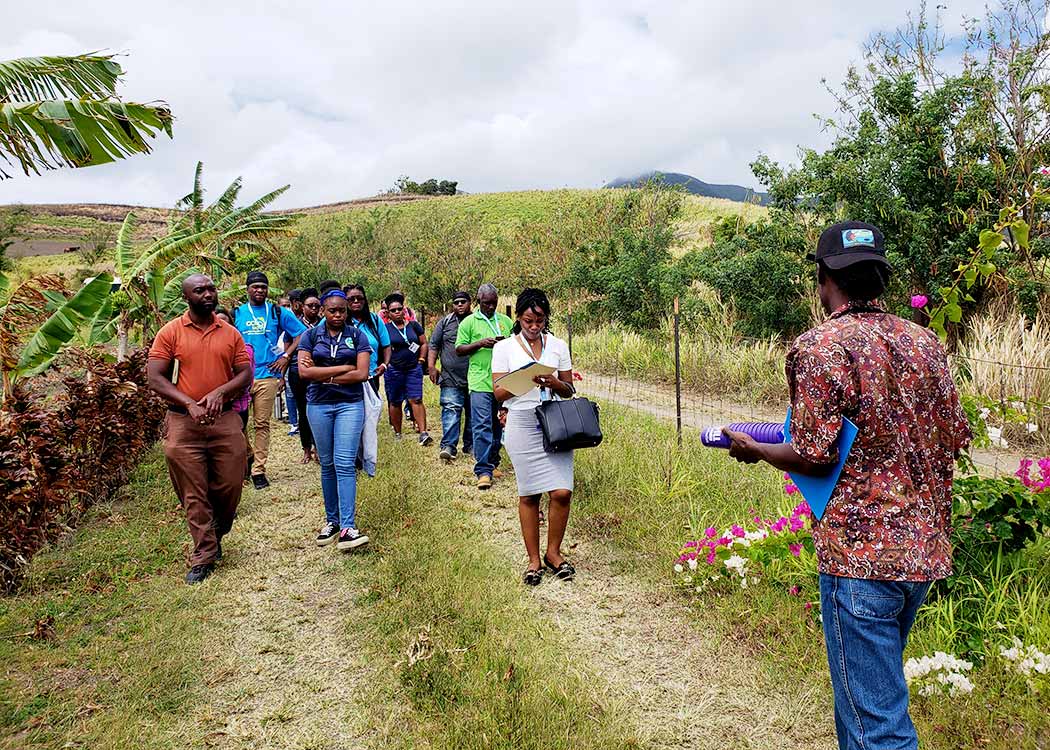
- Community-Centric Experiences: Tailoring guest activities that include visits to local heritage sites, cultural demonstrations, or volunteer opportunities. This not only enriches their experience but also fosters local cultural preservation.
- Eco-Friendly Operational Practices: Adopting sustainable practices in hospitality operations, such as using renewable energy, reducing single-use plastics, and instituting recycling programs. These practices are often showcased to guests as a testament to the business’s commitment to the environment.
- Feedback and Engagement: Active solicitation of guest feedback on CSR practices helps businesses to continually refine and improve their initiatives. This feedback loop not only enhances service delivery but also increases the overall impact of CSR contributions.
Benefits and Strategic Advantages
For Tourism Businesses
The integration of CSR into guest relations offers several advantages for tourism businesses. One of the primary benefits is the enhancement of the corporate image. In today’s socially conscious market, guests favor companies that demonstrate an authentic commitment to sustainability and societal welfare. An improved image leads to stronger brand positioning, higher guest loyalty, and even potential financial incentives through governmental or industry-recognized certifications.
Furthermore, CSR-driven strategies often result in operational efficiencies. Practices such as energy conservation and waste reduction can lead to cost savings over time. Additionally, CSR provides a platform for innovation in guest services, fostering a culture of continuous improvement and responsible business practices. In competitive tourism markets, where differentiation is crucial, CSR serves as a key differentiator – effectively aligning the interests of guests, employees, and local communities.
For Guests
Tourists today are increasingly discerning about the socio-environmental impact of their travel. When guest relations are underpinned by CSR principles, guests receive a multi-layered experience that goes beyond leisure, positioning them as active participants in sustainable tourism practices. The benefits for guests include:
- Enhanced Experience and Satisfaction: Guests who are well-informed about CSR efforts appreciate the authenticity of the service, perceive higher quality in service delivery, and are more likely to return.
- Ethical Consumption: Engaging in tourism that actively contributes to societal and environmental well-being allows tourists to feel aligned with their values, resulting in higher personal fulfillment.
- Community Involvement: Programs that involve guests in community welfare or environmental initiatives add a unique experiential dimension, making the travel more impactful and memorable.
Implementation Strategies for CSR in Guest Relations
Comprehensive Policy Development
The first step in incorporating specialized guest relations within the framework of CSR is the development of a clear and comprehensive CSR policy. This policy must outline the environmental, social, and economic commitments of the organization and articulate specific operational targets. These targets might include reducing carbon emissions by a fixed percentage, achieving zero waste in hospitality services, or launching community support programs that directly benefit local populations.
Key Steps in Policy Development
- Assessment of Current Practices: Conduct environmental and social audits to determine areas where improvements are needed.
- Stakeholder Engagement: Involve employees, local community representatives, and regular guests in the policy formulation process to ensure broad-based support and actionable insights.
- Benchmarking and Certification: Align objectives with international standards and pursue certifications (e.g., ISO 14001 for environmental management, ISO 26000 for social responsibility) to build credibility.
- Transparent Reporting: Adopt transparent metrics and reporting practices to measure progress against CSR targets, allowing for ongoing review and improvement.
Training and Empowerment
For CSR-oriented guest relations to be effective, continuous staff training is essential. Employees equipped with in-depth knowledge of CSR initiatives can serve as ambassadors for the company’s sustainability mission. Training should cover ethical business practices, effective communication strategies, and ways to actively involve guests in CSR-related activities.
Training Objectives
- Understanding CSR Principles: Ensuring that all employees are familiar with the company’s CSR goals, from environmental sustainability to community engagement.
- Enhancing Communication Skills: Educating staff on how to effectively share the company’s CSR initiatives with guests, thereby increasing guest awareness and participation.
- Incorporating Guest Feedback: Establishing channels for guests to provide feedback on CSR practices, which then informs further training and refinement of service delivery.
Operational Integration
The practical execution of CSR in guest relations requires the seamless integration of CSR policies into day-to-day operational practices. This integration transforms theoretical commitments into tangible actions that guests can observe and partake in. For instance, hotels might implement energy-saving technologies, recycle linens, or offer organic, locally sourced food options in their restaurants. Specialty tours can include visits to community projects, local artisan workshops, or conservation initiatives, providing guests with direct exposure to the company’s ethical commitments.
Practical Examples
- Eco-Friendly Lodging: Accommodations that use renewable energy sources, recycle water, and incorporate sustainable building practices, clearly communicating these efforts to guests.
- Local Cultural Integration: Organizing cultural tours or community events that allow guests to experience local traditions first-hand, thereby strengthening the bond between the business and its community.
- Sustainable Dining: Restaurants that feature locally sourced ingredients and organic produce, presenting information on the origins of the food and the benefits of supporting local agriculture.
The Role of Specialization in Guest Relations
Elevating the Guest Experience
Specialization in guest relations involves tailoring the interaction between the tourism service provider and the traveler, ensuring that each guest’s experience is not only personalized but also aligned with CSR values. By focusing on creating immersive, ethical, and sustainable experiences, businesses can enhance guest satisfaction significantly. This approach transforms standard service delivery into a value-added series of interactions that highlight the company’s commitment to ethical standards.
Key Aspects of Specialization
- Personalized Service: Leveraging detailed guest profiles and preferences to provide tailored solutions that incorporate local CSR initiatives.
- CSR as a Differentiator: Utilizing responsible tourism practices as a framework to stand out in a crowded market where discerning guests seek more than just basic services.
- Continuous Innovation: Adopting new technologies and strategies that enhance sustainability and improve guest engagement in CSR activities, such as mobile apps that provide real-time updates on a business’s sustainable practices.
Impacts on Local Communities and the Environment
The inclusion of CSR within specialized guest relations has profound implications beyond the immediate guest experience. By prioritizing practices that support local economies and environmental conservation, tourism businesses serve as catalysts for community development and ecological protection. For instance, a locally engaged tourism operator might invest in community-based projects that enhance local infrastructure or environmental conservation programs that protect biodiversity. These efforts not only improve the living standards of local populations but also ensure that tourist destinations remain attractive and sustainable in the long term.
The multiplicative benefits of such initiatives are evident — when businesses invest in sustainable practices, all parties benefit: guests gain a richer, more meaningful travel experience; employees work in a more progressive and ethical environment; and local communities receive direct financial and cultural investment. In turn, these collective efforts contribute to the resilience and appeal of tourist destinations, ensuring long-term viability even in the face of environmental and social challenges.
Comparative Overview
For clarity and structured comparison, the table below summarizes key dimensions of CSR within specialized guest relations:
| Dimension | CSR Commitment | Guest Experience Impact | Benefits for Community |
|---|---|---|---|
| Environmental Sustainability | Reduce carbon emissions, adopt green technologies, waste reduction | Eco-friendly accommodations and tours | Conservation of natural resources, improved local habitat |
| Community Engagement | Local partnerships, cultural preservation initiatives | Immersive cultural experiences, community-led tours | Economic development, empowerment of local artisans |
| Employee Welfare | Fair labor practices, continuous training and development | Personalized and attentive service | Enhanced local employment, improved worker satisfaction |
| Ethical Business Practices | Transparency, anti-corruption measures, ethical sourcing | Trust-building interactions, informed service explanations | Strengthened reputation, long-term social benefits |
Challenges and Future Directions
Overcoming Implementation Barriers
Despite its numerous benefits, integrating CSR into guest relations within the tourism sector is not without challenges. One of the primary hurdles is aligning the expectations of all stakeholders—from local communities and employees to corporate management and tourists. Resource constraints may also limit the scope of sustainable practices, particularly for smaller operators. Additionally, establishing transparent metrics to measure CSR impact remains complex, given the qualitative nature of many social and environmental benefits.
Strategies for Addressing Barriers
- Enhanced Collaboration: Establish multi-stakeholder partnerships to pool resources, share best practices, and develop unified standards.
- Technology Integration: Use digital platforms to monitor, report, and communicate CSR efforts effectively.
- Incremental Implementation: Start with pilot projects, gather data and feedback, and gradually scale successful initiatives.
- Regulatory Support: Engage with governmental and non-governmental organizations to access funding and technical assistance.
The Future of CSR in Tourism Guest Relations
Looking ahead, the evolution of CSR in tourism guest relations promises continued innovation as emerging technologies and evolving consumer expectations reshape the industry. The increasing importance of digital transparency and social media activism will likely drive more rigorous CSR practices. Customized guest experiences and immersive digital storytelling will further enhance the communication of CSR commitments. Additionally, a growing emphasis on global sustainability standards will promote an even closer regional alignment between CSR initiatives and local community benefits.
As tourism evolves in a post-pandemic environment, the emphasis on ethical travel and sustainable operations is expected to intensify. Travelers are likely to seek experiences that not only entertain but also contribute tangibly to environmental preservation and social welfare. Tourism providers that tailor their guest relations strategies to incorporate authentic CSR practices will be well positioned to meet these new market demands and secure a competitive advantage.
Conclusion and Final Thoughts
In summary, integrating Corporate Social Responsibility within Specialized Guest Relations in the tourism industry represents a critical evolution in both service delivery and ethical business practice. Through this approach, tourism businesses not only enhance guest experiences by providing personalized, authentic, and immersive interactions but also contribute significantly to environmental sustainability, community development, and the welfare of their employees. The dual benefits include the creation of memorable, value-oriented experiences for guests and the assurance of sustainable growth for local communities.
The strategic incorporation of CSR into guest relations acts as a robust differentiator in an increasingly competitive tourism market, aligning the values of modern travelers with the operational ethos of tourism providers. By developing comprehensive CSR policies, investing in employee training, leveraging innovative technologies, and actively engaging local communities, tourism businesses can forge a sustainable path forward. The challenges that lie ahead, while significant, can be overcome with collaborative frameworks and incremental improvements that underscore the shared responsibilities of all stakeholders. Ultimately, the fusion of CSR with specialized guest relations serves not only as a tool for enhancing customer loyalty and satisfaction but also as a catalyst for broader societal and environmental transformation.
References
- Corporate Social Responsibility and Tourism - City Destinations Alliance
- Corporate Social Responsibility and Tourism - SpringerLink
- Corporate Social Responsibility in Tourism - ResearchGate
-
Corporate Social Responsibility [CSR] in Tourism - The Dope
-
Tourism and Corporate Social Responsibility - ScienceDirect
- Corporate Social Responsibility and Tourism - Ecobnb
- Benefits and Difficulties of CSR Management in Travel and Leisure - Hospitality Insights
- What is Corporate Social Responsibility in Hospitality and Tourism? - LinkedIn
- Corporate Social Responsibility and Sustainable Tourism - Macrothink Institute
- Corporate Social Responsibility and Sustainability in the Tourism Industry - Wiley Online Library
Recommended
Last updated February 20, 2025