
Embracing a Sustainable Lifestyle: A Comprehensive Guide
Practical Steps and Mindful Choices for a Greener Future
Key Takeaways for Sustainable Living
- Reduce, Reuse, and Recycle: This foundational principle is crucial for minimizing waste and conserving resources. Prioritizing reduction and reuse before recycling is key.
- Conscious Consumption: Thinking critically about your purchases, opting for sustainable and ethical products, and avoiding single-use items significantly reduces your environmental footprint.
- Energy and Water Conservation: Simple changes in daily habits at home, such as using less hot water, switching to energy-efficient lighting, and unplugging devices, can lead to substantial savings in resources and energy.
Understanding Sustainable Living
Sustainable living is a lifestyle that aims to reduce personal environmental impact by making conscious choices that conserve resources and minimize waste. It's about understanding the connection between our daily actions and their effects on the planet, and then making informed decisions to live in harmony with nature. This doesn't necessarily mean drastic, overnight changes; rather, it involves a series of small, intentional steps that collectively lead to a more eco-friendly existence. It's about progress, not perfection, and finding ways to integrate sustainable practices into your existing routine.
The core idea of sustainable living revolves around minimizing environmental degradation while supporting equitable socio-economic development and improving the quality of life for all. It encourages a shift in mindset from a consumer-driven approach to one that values conservation, efficiency, and responsible consumption.
Making Sustainable Choices in Your Daily Life
Rethinking Consumption and Reducing Waste
One of the most impactful ways to live more sustainably is to critically evaluate your consumption habits. Before making a purchase, consider if you truly need the item. This 'rethink' step is a powerful way to prevent unnecessary waste from the outset.
Prioritizing Reduction and Reuse
The familiar mantra of "Reduce, Reuse, Recycle" is a cornerstone of sustainable living. However, the order is important. Reducing the amount of stuff you consume is the most effective step. This can involve buying less, choosing products with minimal packaging, and opting for durable goods over disposable ones.
Reusing items extends their lifespan and prevents them from ending up in landfills. This could mean using reusable shopping bags, water bottles, and coffee cups, or finding new purposes for old items before discarding them.
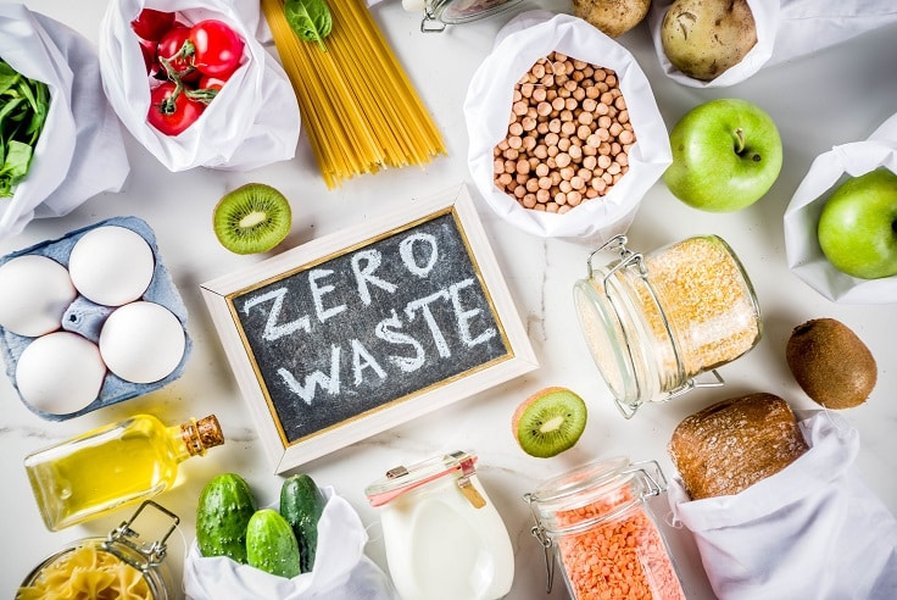
Embracing reusable bags for shopping is a simple yet effective way to reduce plastic waste.
Smart Recycling Practices
While recycling is important, it should be considered after reducing and reusing. Ensure you understand your local recycling guidelines and properly sort materials to maximize the effectiveness of recycling programs. Be mindful of items that are not easily recyclable and try to avoid them when possible.
Conscious Food Choices
The food we eat has a significant environmental impact, from production to transportation and waste. Making mindful food choices can greatly contribute to a more sustainable lifestyle.
Adopting a Plant-Based Diet
Reducing meat consumption, especially red meat, is often cited as one of the most effective individual actions for lowering your carbon footprint. Shifting towards a plant-based diet, even if not strictly vegan or vegetarian, can significantly reduce greenhouse gas emissions and land use associated with animal agriculture.
Supporting Local and Seasonal Produce
Buying local and seasonal food reduces the energy required for transportation and storage. It also supports local farmers and economies. Explore local farmers' markets or consider signing up for a community-supported agriculture (CSA) program.
Minimizing Food Waste
Food waste is a major environmental issue. Plan your meals, store food properly to extend its freshness, and get creative with leftovers. Composting food scraps is another excellent way to divert waste from landfills and create valuable nutrient-rich soil for gardening.
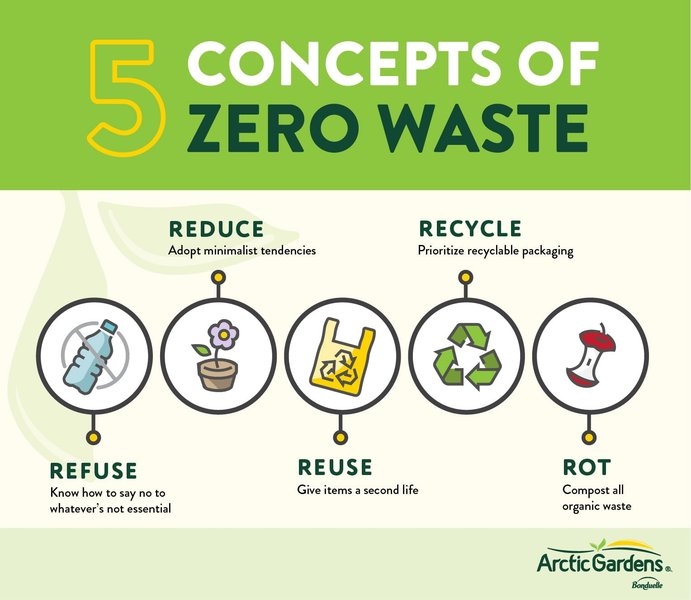
Strategies for a zero-waste lifestyle often include reducing food waste and incorporating composting.
Conserving Energy at Home
Our homes consume a considerable amount of energy, contributing to greenhouse gas emissions. Implementing energy-saving measures can reduce your environmental impact and lower your utility bills.
Energy-Efficient Lighting and Appliances
Switching to LED or compact fluorescent bulbs is a simple change that can drastically reduce energy consumption for lighting. When purchasing new appliances, look for energy-efficient models with high energy star ratings.
Smart Thermostat Usage
Using a programmable or smart thermostat allows you to regulate the temperature in your home more efficiently, reducing energy used for heating and cooling when you're not home or asleep.
Reducing Electricity Consumption
Unplugging electronics when not in use, using power strips to easily turn off multiple devices, and reducing screen time can all contribute to lower electricity usage. Harnessing natural light during the day can also minimize the need for artificial lighting.
Water Conservation
Water is a precious resource, and conserving it is an essential part of sustainable living. Small changes in daily habits can make a big difference.
Mindful Water Usage
Take shorter showers, turn off the water while brushing your teeth or washing dishes, and fix any leaks promptly. Consider installing low-flow showerheads and toilets to reduce water consumption without sacrificing performance.
Watering Gardens Efficiently
If you have a garden, water it in the early morning or late evening to minimize evaporation. Consider collecting rainwater for irrigation or using drought-tolerant plants in your landscaping.
Greener Transportation
How we get around has a significant impact on air quality and carbon emissions. Choosing sustainable transportation options is vital for reducing your environmental footprint.
Walking, Cycling, and Public Transport
Opting to walk, cycle, or use public transportation whenever possible reduces reliance on personal vehicles and lowers your carbon emissions. Many cities are expanding bike lanes and public transit options to make these alternatives more accessible.
Carpooling and Eco-Driving
If driving is necessary, carpooling with others reduces the number of vehicles on the road. Practicing eco-driving techniques, such as maintaining a steady speed and avoiding rapid acceleration and braking, can improve fuel efficiency.
Considering Electric or Hybrid Vehicles
For those looking to purchase a vehicle, consider electric or hybrid options to reduce or eliminate tailpipe emissions.
Sustainable Choices in Other Areas
Sustainable Shopping and Products
Beyond reducing overall consumption, the types of products we buy matter. Supporting businesses with sustainable practices and choosing eco-friendly products is an important aspect of sustainable living.
Choosing Sustainable Materials
Look for products made from recycled, renewable, or sustainably sourced materials. This includes clothing made from organic cotton or recycled fabrics, furniture from sustainable wood, and cleaning products with biodegradable ingredients.
Avoiding Single-Use Plastics
Single-use plastics are a major source of pollution. Actively avoid items like plastic bags, straws, disposable cutlery, and excessive product packaging. Invest in reusable alternatives.
Supporting Ethical and Local Businesses
Consider the environmental and social impact of the companies you support. Choose businesses that prioritize ethical labor practices, minimize their environmental footprint, and contribute positively to their communities. Supporting local businesses also often reduces transportation emissions.
Creating a Sustainable Home Environment
Your home itself can be made more sustainable through thoughtful design and product choices.

Incorporating natural and sustainable materials like rattan into home decor.
Sustainable Interior Design
When decorating or renovating, opt for sustainable materials, energy-efficient windows, and non-toxic paints and finishes. Consider incorporating natural elements and maximizing natural light to reduce the need for artificial lighting.
Reducing Chemical Use
Switch to natural and eco-friendly cleaning products and personal care items to reduce the amount of harmful chemicals entering your home and the environment.
Improving Home Insulation
Proper insulation in your home helps maintain a comfortable temperature, reducing the need for excessive heating or cooling and thus saving energy.
Engaging and Advocating for Change
Individual actions are powerful, but collective action is essential for creating broader change. Educating yourself and others, and advocating for sustainable policies, are crucial components of a sustainable lifestyle.
Staying Informed
Learn about environmental issues and sustainable practices. The more informed you are, the better equipped you are to make sustainable choices and inspire others.
Speaking Up
Share your knowledge and passion for sustainability with friends, family, and your community. Advocate for sustainable practices at your workplace, school, and in local government.
Supporting Sustainable Initiatives
Support organizations and initiatives working towards environmental protection and sustainability. This can involve donating, volunteering, or participating in campaigns.
Putting it into Practice: Getting Started
Embarking on a sustainable lifestyle can feel overwhelming at first, but remember that it's about progress, not perfection. Start with small, manageable changes and gradually incorporate more sustainable habits into your routine.
Identify Your Starting Point
Assess your current lifestyle and identify areas where you can most easily make changes. Perhaps you can start by focusing on reducing single-use plastics or conserving water.
Set Realistic Goals
Set achievable goals for yourself. Don't try to change everything at once. Celebrate your successes along the way to stay motivated.
Integrate Habits Gradually
Incorporate new sustainable habits gradually into your daily routine. This makes them more likely to stick in the long term.
Learn and Adapt
Sustainable living is an ongoing journey. Be open to learning new things and adapting your practices as you go. There are many resources available to help you on your path.
Common Areas for Sustainable Living Improvements
Here is a table summarizing common areas where individuals can focus their sustainable living efforts:
| Area | Examples of Sustainable Practices |
|---|---|
| Consumption | Reduce impulse buying, choose products with minimal packaging, buy second-hand items. |
| Waste Management | Compost food scraps, properly sort recyclables, avoid single-use items. |
| Food | Eat less meat, buy local and seasonal produce, minimize food waste, grow your own food. |
| Energy Use | Switch to LED bulbs, unplug electronics, use smart thermostats, improve insulation. |
| Water Use | Take shorter showers, fix leaks, use low-flow fixtures, collect rainwater. |
| Transportation | Walk, cycle, use public transport, carpool, consider electric vehicles. |
| Home Environment | Use eco-friendly cleaning products, incorporate sustainable materials in decor, maximize natural light. |
| Advocacy | Educate yourself and others, support sustainable policies, choose sustainable businesses. |
Learn More About Sustainable Living
This video provides additional insights and practical tips for adopting a more sustainable lifestyle.
Exploring easy habits for a greener life.
Frequently Asked Questions About Sustainable Living
Is sustainable living expensive?
Sustainable living can actually save you money in the long run. Conserving energy and water lowers utility bills, reducing consumption means buying less, and choosing durable items over disposable ones can be more cost-effective over time. While some sustainable products might have a higher initial cost, their longevity and environmental benefits often outweigh this.
Do my individual actions really make a difference?
Absolutely. While large-scale changes are needed, individual actions collectively create a significant impact. Your choices influence markets, send signals to businesses, and inspire others to adopt more sustainable habits. Every small step contributes to a larger movement towards a more sustainable future.
What are some common misconceptions about sustainable living?
One common misconception is that sustainable living requires drastic sacrifices or living without modern conveniences. In reality, it's about making informed choices and finding sustainable alternatives that can be integrated into your existing lifestyle. Another misconception is that it's only about environmental issues; sustainable living also considers social and economic equity.
How can I encourage others to live more sustainably?
Lead by example and share your experiences. Offer practical tips and resources, and highlight the benefits of sustainable living, such as cost savings and improved well-being. Focus on positive reinforcement and avoid judgment.
References

Last updated May 4, 2025