
Mastering the Art of Counting from 1 to 10
A Comprehensive Guide to Teaching Foundational Counting Skills
Key Highlights for Teaching Counting
- Concrete Objects: Use everyday objects like blocks, toys, or snacks to make counting tangible and relatable.
- Repetition and Reinforcement: Encourage repetition by counting aloud with the child and having them repeat after you to reinforce learning.
- Engaging Activities: Incorporate fun activities such as singing counting songs, playing counting games, and using flashcards to maintain interest.
Understanding the Foundations of Counting
Teaching children to count from 1 to 10 involves more than just rote memorization. It requires helping them understand the meaning of numbers and their sequence. This foundational skill is crucial for later mathematical development. Here's a comprehensive guide to help you effectively teach counting to young children.
Essential Pre-Counting Skills
Before diving into counting, ensure the child has some basic pre-counting skills:
- Object Recognition: The ability to identify and differentiate between various objects.
- One-to-One Correspondence: Understanding that each object corresponds to one number. This means pointing to each object as you count it, ensuring that each object is counted once and only once.
- Stable Order Principle: Knowing that numbers always follow the same sequence (1, 2, 3, 4, etc.).
Effective Strategies for Teaching Counting
Here are several strategies to make learning to count an engaging and effective process:
Use Concrete Objects
One of the most effective ways to teach counting is by using tangible objects. This helps children connect the abstract concept of numbers to real-world items.
- Everyday Objects: Use blocks, toys, fruits, or any other readily available items.
- Making Sets: Create small sets of objects and count them together. For example, "Let's count these 3 blocks: one, two, three."
- Junk Box Counting: Use a box filled with various small items for counting practice.
Incorporate Playful Activities
Engaging children in fun activities can make learning more enjoyable and memorable.
- Counting Games: Play simple counting games like "Count and Clap" or "Hide and Seek" (counting while hiding).
- Path Games: Create a simple path game where the child needs to count spaces to move their game piece.
- Dominoes: Use dominoes to count the dots and match them with the corresponding number.
Sing Counting Songs and Use Rhymes
Songs and rhymes are excellent tools for memorization and make learning fun.
- Traditional Songs: Use classic counting songs like "One, Two, Buckle My Shoe" or "The Ants Go Marching."
- Number Rhymes: Create simple rhymes that incorporate counting.
This video "Numbers Song Let's Count 1-10 New Version" offers a fun and engaging way to introduce numbers to young children through a catchy song. It visually reinforces counting from 1 to 10, making it easier for kids to memorize the sequence.
Use Visual Aids
Visual aids can help children see the numbers and associate them with quantities.
- Number Lines: Use a number line to show the sequence of numbers and help children visualize counting.
- Flashcards: Create or use flashcards with numbers and corresponding images.
- Dotted Cards: Use cards with dots that correspond to numbers, helping children visually understand the quantity each number represents.
Practice Number Formation
Helping children learn to write the numbers can reinforce their understanding.
- Tracing Numbers: Provide opportunities for children to trace numbers.
- Play Dough Stamps: Use play dough and number stamps to create numbers.
- Writing in Sand or Rice: Let children practice writing numbers in a tray of sand or rice.
Incorporate Math Puzzles
Math puzzles can make learning interactive and challenging.
- Simple Puzzles: Use puzzles where children need to match numbers with corresponding quantities.
- Missing Number Puzzles: Create puzzles where children need to fill in the missing number in a sequence.
Teach Skip Counting
Once children are comfortable with basic counting, introduce skip counting.
- Chants and Songs: Use chants or songs to teach skip counting by 2s, 5s, and 10s.
- Real-World Examples: Relate skip counting to real-world examples, such as counting pairs of socks (2s) or counting dimes (10s).
Addressing Common Challenges
While teaching counting, you may encounter some common challenges. Here's how to address them:
- Skipping Numbers: If a child skips numbers, gently correct them and count slowly together.
- Counting Too Fast: Encourage the child to slow down and point to each object as they count.
- Losing Track: Help the child keep track by pushing objects aside or pointing at them as they count.
Adapting to Different Age Groups
The approach to teaching counting may vary based on the child's age and developmental stage:
- Two-Year-Olds: Focus on counting everyday objects and repeating numbers aloud.
- Three-Year-Olds: Introduce more structured activities like counting games and simple puzzles.
- Four and Five-Year-Olds: Incorporate writing numbers, skip counting, and more complex math puzzles.
Tracking Progress
It's important to track the child's progress to ensure they are mastering the concepts.
- Regular Assessments: Conduct regular informal assessments to check their understanding.
- Observation: Observe the child as they count and identify any areas where they may be struggling.
- Positive Reinforcement: Provide praise and encouragement to motivate the child.
The Role of Abacus in Teaching Number Sense
The abacus stands out as a top-tier method for instilling number sense. Unlike the traditional 1-100 wall chart often used, the abacus provides a tangible and visual way to understand numerical relationships and operations.
The abacus is an ancient calculating tool that helps children visualize and manipulate numbers, making it an excellent resource for teaching counting and basic arithmetic. Here’s how you can use it effectively:
Benefits of Using an Abacus
- Visual Representation: The abacus provides a visual and tactile representation of numbers, making it easier for children to understand place value and number relationships.
- Hands-On Learning: Children can physically move the beads to count, add, and subtract, which enhances their understanding and retention.
- Improved Number Sense: Regular use of the abacus can improve a child's number sense, mental math skills, and problem-solving abilities.
How to Use an Abacus for Counting
- Introduce the Abacus: Explain to the child what the abacus is and how it works. Show them the different rows and beads.
- Start with Basic Counting: Begin by counting from 1 to 10. Move one bead at a time as you count aloud.
- Counting Beyond 10: Explain how to use the different rows to represent tens, hundreds, and thousands. Show them how to count beyond 10 by moving the beads on the appropriate rows.
- Practice Regularly: Encourage the child to practice counting with the abacus regularly to reinforce their understanding.
Counting Activities and Games
To make learning fun and engaging, incorporate various counting activities and games into your teaching routine. These activities not only help children learn to count but also develop other essential skills such as problem-solving, critical thinking, and creativity.
Examples of Counting Activities and Games
Here are some detailed examples of counting activities and games that you can use:
Counting with Building Blocks
Building blocks are an excellent tool for teaching counting because they are tangible, versatile, and fun to play with.
- Stacking Blocks: Have the child stack blocks while counting aloud. For example, "One block, two blocks, three blocks..."
- Creating Patterns: Use blocks of different colors to create patterns. Ask the child to count the number of blocks in each pattern.
- Building Towers: Challenge the child to build towers of different heights and count the number of blocks in each tower.
Using Flashcards
Flashcards are a simple yet effective way to reinforce number recognition and counting skills.
- Number Flashcards: Show the child a number flashcard and ask them to identify the number. Then, have them count out the corresponding number of objects.
- Picture Flashcards: Use flashcards with pictures of objects and ask the child to count the objects on the card.
- Matching Games: Create matching games where the child needs to match number flashcards with picture flashcards.
Counting Songs and Rhymes
Counting songs and rhymes are a fun and engaging way to help children memorize numbers and their sequence.
-
Traditional Songs: Sing traditional counting songs like "One, Two, Buckle My Shoe" and "The Ants Go Marching."
-
Create Your Own Songs: Make up your own counting songs using familiar tunes and incorporating numbers and objects.
-
Action Songs: Use action songs that involve counting, such as clapping, jumping, or touching different body parts.
Visual Representation of Counting Tools
Visual aids are very helpful tools for teaching counting. Below are some examples of different types of tools that can be used to teach counting, each with its own unique benefits and ways to engage young learners.


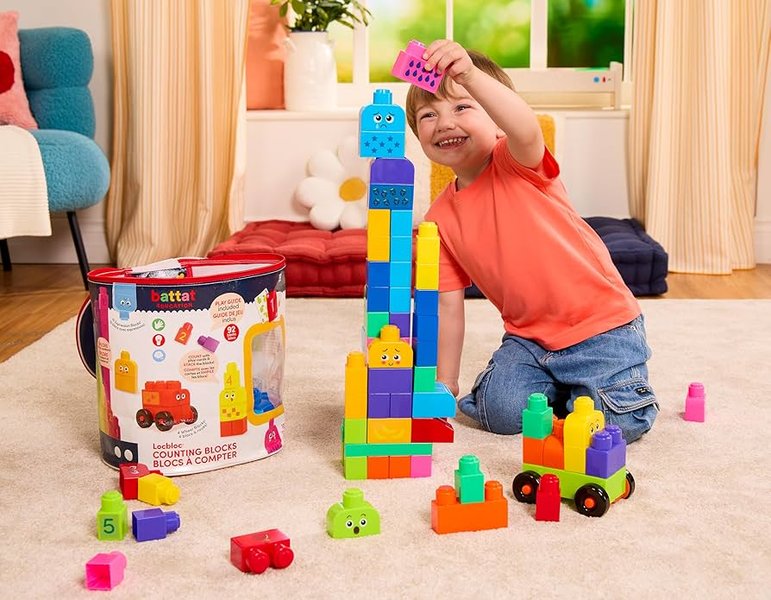
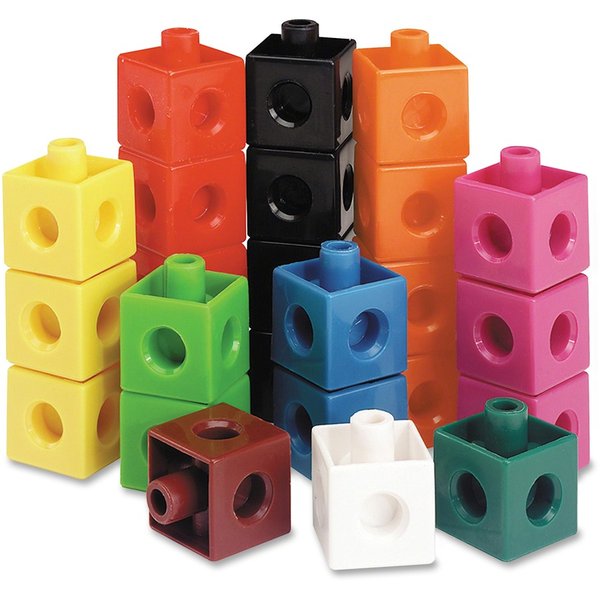
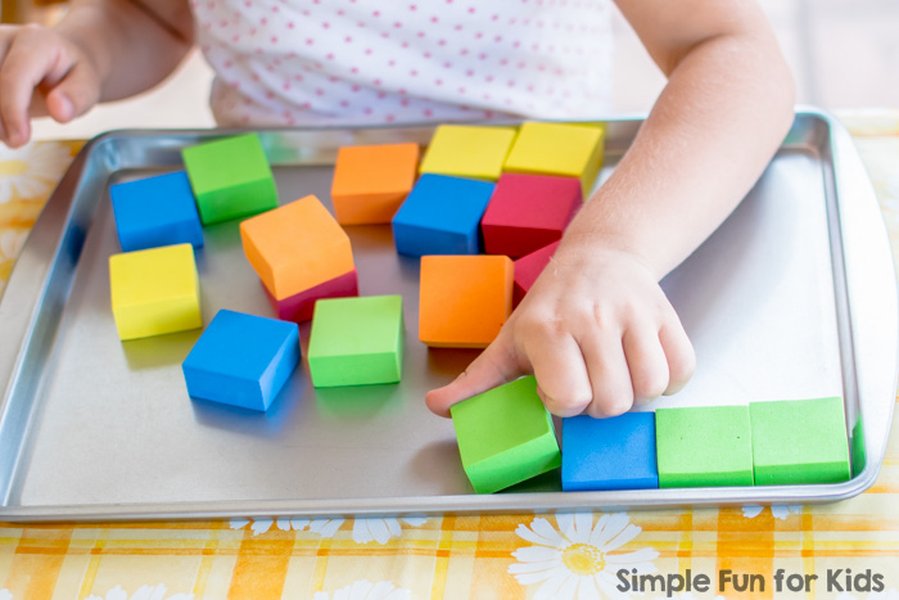
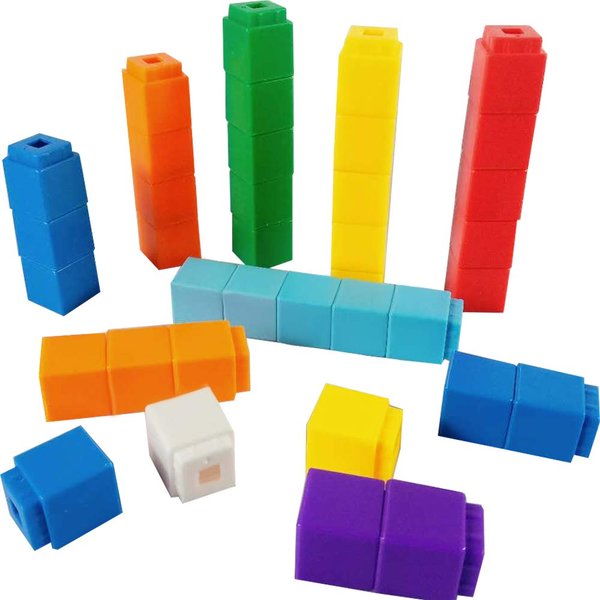
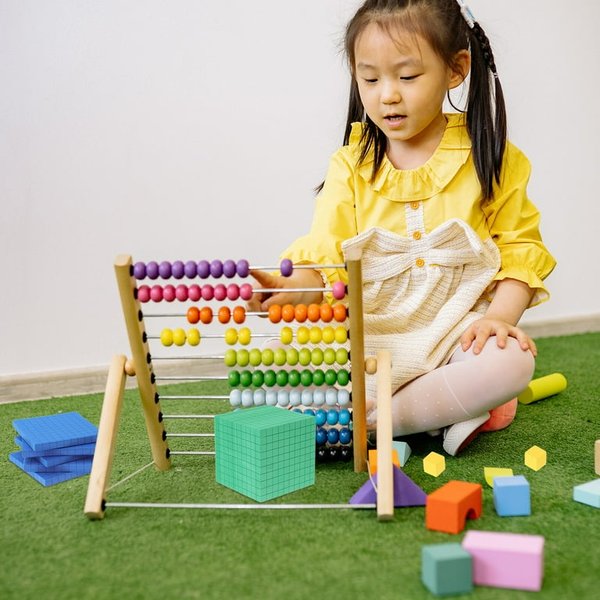
From flashcards to colorful counting blocks, these tools offer diverse methods to engage young minds. Flashcards provide a direct way to learn number recognition, while blocks introduce hands-on pattern creation and tower building. These resources cater to different learning styles, making the process of learning to count both effective and enjoyable for children.
Practical Examples
Here is a table summarizing the different activities that can be used to teach counting, what you will need, and instructions on how to perform the activity:
| Activity | Materials Needed | Instructions |
|---|---|---|
| Counting with Blocks | Building blocks | Stack blocks while counting aloud. Create patterns with different colored blocks and count the number of blocks in each pattern. Build towers of different heights and count the number of blocks in each tower. |
| Using Flashcards | Number flashcards, picture flashcards | Show the child a number flashcard and ask them to identify the number. Have them count out the corresponding number of objects. Use picture flashcards and ask the child to count the objects on the card. |
| Counting Songs and Rhymes | None | Sing traditional counting songs like "One, Two, Buckle My Shoe." Create your own counting songs using familiar tunes and incorporating numbers and objects. Use action songs that involve counting. |
| Abacus Counting | Abacus | Explain the different rows and beads. Start with basic counting and move one bead at a time as you count aloud. |
FAQ
At what age should children start learning to count?
Most toddlers start showing an interest in numbers around the age of two. By this age, they can often repeat numbers by memory. However, true understanding of counting usually develops later, around three to five years old.
How can I make counting fun for my child?
Incorporate games, songs, and everyday objects into your counting lessons. Use activities that engage their senses and make learning interactive. For example, count snacks, toys, or steps as you go about your day.
What should I do if my child skips numbers while counting?
Gently correct them and count slowly together. Use visual aids like number lines or blocks to help them see the correct sequence. Practice regularly and be patient.
Is it important to teach children to write numbers as well as count them?
Yes, learning to write numbers can reinforce their understanding of numerical concepts. Practice tracing numbers, writing them in sand, or using play dough to form the shapes.
How can I use an abacus to teach counting?
Introduce the abacus by explaining its parts and how it works. Start with basic counting by moving one bead at a time. Show how to represent tens, hundreds, and thousands by using different rows. Encourage regular practice to improve their number sense.
References
Last updated April 11, 2025