
Crafting an Impactful Press Release in 2025
A Comprehensive Guide to Structure, Content, and Dissemination for Maximum Media Attention
In the dynamic landscape of public relations, the press release remains a vital tool for organizations to announce significant news and garner media attention. A well-crafted press release serves as a concise and compelling summary of an event, product launch, or achievement, providing journalists with the essential information they need to develop their own stories. In 2025, as digital media continues to dominate, understanding the optimal structure, content, and formatting of a press release is more crucial than ever to ensure your message cuts through the noise.
Key Highlights for a Winning Press Release
- Newsworthy Content is Paramount: A press release must present genuinely newsworthy information to capture the interest of journalists and the public.
- Standard Formatting Ensures Professionalism: Adhering to a universally accepted format makes it easy for media professionals to quickly scan and extract key details.
- Compelling Headlines and Leads are Essential: The headline and the initial paragraph must immediately grab attention and convey the core message effectively.
Understanding the Purpose and Importance of a Press Release
A press release, also known as a news release, is a written communication directed at members of the news media for the purpose of announcing something newsworthy. Its primary goal is to gain media coverage and inform the public about a specific event, announcement, or achievement. In 2025, with the majority of U.S. adults consuming news online, the digital distribution of press releases is crucial for reaching a wider audience.
Why is a Standard Format Important?
Journalists and editors receive numerous press releases daily. A standard, universally accepted format allows them to quickly scan the document, identify the key information, and determine its relevance to their audience. Deviating from this format can make your press release appear unprofessional and increase the likelihood of it being overlooked. Think of it as providing a clear roadmap for busy media professionals.
Essential Components of a Press Release
A standard press release follows a specific structure designed to present information clearly and concisely. While the specific content will vary depending on the announcement, the key components remain consistent.
Headline and Subheadline: Hooking the Reader
The headline is arguably the most critical element of a press release. It should be attention-grabbing, concise, and summarize the main point of the announcement. A compelling headline can significantly increase the chances of your press release being read. The subheadline provides additional information or a different angle to support the main headline and further entice the reader.
The average internet user will read 80 percent of headlines, highlighting the importance of crafting a compelling one.
Contact Information: Making it Easy for Media to Connect
Crucial for journalists, the contact information section provides the name, title, phone number, and email address of the person who can provide more details or answer questions about the announcement. This ensures that interested media outlets can easily follow up.
Dateline: Setting the Context
The dateline indicates the location from which the press release is being issued and the date of release. This provides geographical context and helps journalists understand the timeliness of the information.
Lead Paragraph: The Inverted Pyramid in Action
The first paragraph, often called the lead or summary, is the most crucial part of the body. It should follow the "inverted pyramid" style of journalism, presenting the most important information upfront. This paragraph should answer the essential questions: Who, What, When, Where, and Why (and sometimes How). This allows journalists to grasp the core story immediately.
Body Paragraphs: Expanding on the Details
Subsequent paragraphs provide more detailed information, background, and context about the announcement. This is where you can elaborate on the key points introduced in the lead paragraph. Organize these paragraphs in descending order of importance, ensuring the most vital information is higher up.
Quotes: Adding Perspective and Personality
Including quotes from relevant individuals, such as company executives, spokespeople, or even third parties like customers or partners, adds credibility and a human element to the press release. Quotes should offer insights, opinions, or perspectives that support the main message and can be easily extracted by journalists for their stories. Aim for at least two quotes.
Supporting Information and Multimedia: Enhancing the Story
Where relevant, include supporting information such as statistics, data, or background on the organization. In the digital age, incorporating multimedia elements like high-resolution images, videos, and links to relevant webpages can significantly enhance the appeal and reach of your press release. These elements can be included or linked within the release.
Here is an example of how an image can supplement a press release:
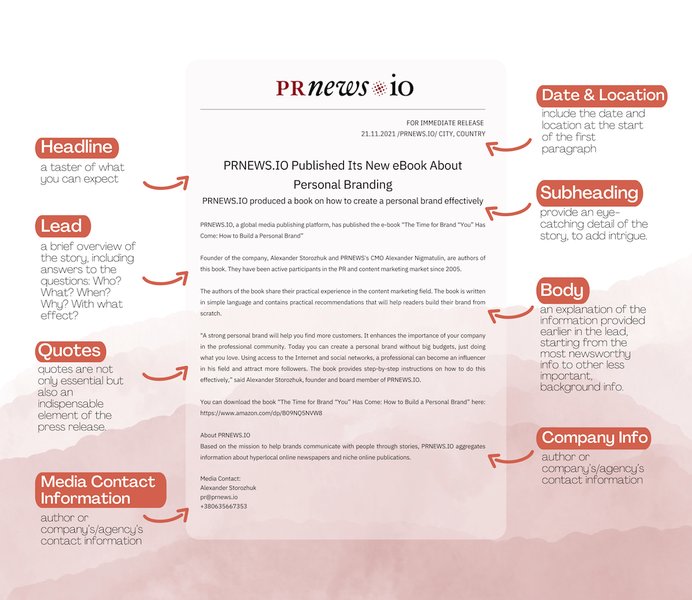
An example of a press release template structure.
Call to Action: Guiding the Reader
A clear call to action (CTA) directs readers on what steps to take next, such as visiting a website, attending an event, or contacting the company for more information. While not always necessary for every type of press release, a well-defined CTA can encourage engagement.
Boilerplate: About Your Organization
The boilerplate is a standard paragraph at the end of the press release that provides a brief overview of your organization. It typically includes information about the company's mission, history, size, and key activities. This serves as a mini "about us" section for journalists who may not be familiar with your organization.
### (End Mark): Signifying the Conclusion
Traditionally, a press release concludes with "###" centered at the bottom of the page. This signifies the end of the release.
Structuring and Formatting for Impact
Beyond the essential components, the overall structure and formatting of your press release play a significant role in its effectiveness. Adhering to standard practices ensures readability and professionalism.
Standard Header Information
At the top of the page, centered or on the left-hand side, clearly indicate "PRESS RELEASE" or "NEWS RELEASE" in bold, all capital letters or with initial caps. Below this, include the "For Immediate Release" statement, unless the information is under embargo, in which case you would specify the embargo date.
Conciseness is Key
Journalists are time-constrained, so keep your press release concise and to the point. Ideally, a press release should be limited to one or two pages. Each sentence should be meaningful and contribute to the overall message. If your release exceeds one page, include the word "more" at the bottom center of the first page to indicate continuation.
Using the Inverted Pyramid
Reiterating the importance, the inverted pyramid structure ensures that the most critical information is presented first, followed by supporting details in decreasing order of importance. This allows journalists to quickly get the main story even if they don't read the entire release.
Clarity and Professionalism
Use clear and concise language, avoiding jargon or overly technical terms unless they are essential and explained. Proofread carefully for any grammatical errors or typos, as these can undermine your credibility. Using a template can help maintain high standards for each release.
Including Visual Elements
In the digital age, including or linking to relevant images, videos, and other multimedia can make your press release more engaging and shareable. Business Wire, for example, emphasizes optimizing releases with photos, videos, and social media links.
Types of Press Releases and When to Use Them
Press releases are used for a variety of announcements. Understanding the different types can help you tailor your content and approach.
General News and Public Announcements
These releases cover a wide range of topics, including company milestones, new initiatives, partnerships, or significant updates.
Event Press Release
Used to announce upcoming events, providing details such as the date, time, location, speakers, and purpose of the event.
Here is a helpful video on writing a press release for an event:
Understanding how to craft a press release specifically for an event can significantly boost attendance and media coverage.
Crisis Communications Press Release
Issued during a crisis or emergency to provide accurate and timely information, address concerns, and manage public perception.
Charity Press Release
Used by non-profit organizations to announce fundraising efforts, awareness campaigns, or community impact.
Product Launch Press Release
Announces the release of a new product or service, highlighting its features, benefits, and availability.
Award Press Release
Communicates that an organization or individual has received an award or recognition, detailing the significance of the achievement.
Financial Results Press Release
Companies issue these releases to announce quarterly or annual financial performance, providing key metrics and insights.
Crafting Your Press Release: Step-by-Step
Writing an effective press release involves a structured process.
Step 1: Identify Your Newsworthy Angle
Determine what makes your announcement relevant and interesting to the media and your target audience. What is the core message you want to convey?
Step 2: Set Your Goal
What do you hope to achieve with this press release? Increased brand awareness, media coverage, website traffic, or something else? Defining your goal will help guide your messaging.
Step 3: Write a Catchy Headline and Subheadline
Brainstorm several options and choose the one that is most compelling and accurately reflects the news.
Step 4: Draft the Lead Paragraph
Immediately provide the essential Who, What, When, Where, and Why in the first sentence or two.
Step 5: Develop the Body Paragraphs
Expand on the details, providing context and supporting information in a logical flow, following the inverted pyramid structure.
Step 6: Include Quotes
Integrate relevant quotes that add value and perspective to the announcement.
Step 7: Add Supporting Information and Multimedia
Include any necessary background details, statistics, or links to visual assets.
Step 8: Craft a Boilerplate
Ensure your standard company description is included at the end.
Step 9: Add Contact Information and ###
Include the media contact details and the end mark.
Step 10: Proofread and Edit
Review your press release carefully for clarity, accuracy, and any errors. Consider having someone outside your organization review it as well.
Distribution and Timing
Once your press release is finalized, effective distribution is crucial for reaching the intended audience. Consider these factors:
Targeting the Right Media Outlets
Identify the journalists and publications that are most likely to be interested in your news based on their coverage areas and audience. Building relationships with relevant media contacts can be beneficial.
Choosing the Right Time to Send
Studies suggest that the best days to send press releases are Tuesday, Wednesday, and Thursday. Avoid sending on Fridays or weekends, as they may get lost in the influx of information received at the beginning of the week. Consider the timing of your announcement in relation to other news cycles.
Utilizing Distribution Services
Press release distribution services can help disseminate your release to a wide network of media outlets. While some services come with a cost, they can increase the reach of your announcement.
Press Release Examples and Templates
Examining successful press release examples can provide valuable insights into effective writing and formatting. Many online resources offer free press release templates that can serve as a starting point for drafting your own release.
Here is a simplified table illustrating key sections and their purpose:
| Section | Purpose | Key Information to Include |
|---|---|---|
| Headline | Grab attention and summarize the main news | Compelling statement about the announcement |
| Dateline | Indicate location and date of release | City, State – Month Day, Year |
| Lead Paragraph | Answer the 5 Ws and H | Who, What, When, Where, Why, (How) |
| Boilerplate | Provide a brief overview of the organization | Company mission, history, and activities |
| Contact Information | Provide media contact details | Name, Title, Phone, Email |
FAQs about Press Releases
What makes a press release newsworthy?
A press release is newsworthy when it announces something that is of genuine interest to the media and the public. This could include significant events, product launches, achievements, partnerships, or responses to current issues.
How long should a press release be?
Ideally, a press release should be one to two pages long. Conciseness is important for busy journalists.
Should I include images or videos in my press release?
Yes, including or linking to relevant high-quality images, videos, and other multimedia can significantly enhance your press release and increase its chances of being picked up by the media.
What is a boilerplate?
A boilerplate is a standard paragraph at the end of a press release that provides a brief, consistent description of the organization issuing the release.
When is the best time to distribute a press release?
Generally, Tuesday, Wednesday, and Thursday are considered the best days to send out press releases to media outlets.
References

Last updated May 2, 2025