
Saddle Up Your Story: A Comprehensive Guide to Crafting an Unforgettable Western Novel
Master the art of the Western, from dusty trails and moral quandaries to unforgettable characters and gripping plots.
Writing a Western novel is a journey into a rich and iconic genre, one that explores the rugged landscapes of the American Old West and the complex human dramas that unfolded there. It's about more than just cowboys and shootouts; it's about capturing a specific time, place, and spirit. This guide will walk you through the essential elements to help you pen a compelling Western that resonates with readers.
Highlights: Key Takeaways for Your Western Tale
- Authenticity is King: Immerse your readers in the 19th-century American West with meticulous research into historical details, settings, and the societal norms of the era.
- Character-Driven Conflict: Craft protagonists with compelling backstories, clear motivations, and internal struggles that mirror the external challenges of the frontier.
- Thematic Depth: Weave in enduring themes like justice vs. lawlessness, redemption, survival against the odds, and the tension between untamed wilderness and encroaching civilization.
Understanding the Lay of the Land: The Western Genre
The Western genre is typically set in the American West during the mid-to-late 1800s, a period of expansion, conflict, and transformation. It's a canvas for stories about adventure, danger, rugged individualism, and profound moral dilemmas. While classic tropes exist, modern Westerns often subvert expectations and offer nuanced perspectives.
Defining Your Frontier: Western Subgenres
The Western is not a monolith. Consider which subgenre best suits your story:
- Classic Western: Features iconic elements like cowboys, outlaws, pioneers, sheriffs, and classic shootouts, often focusing on the struggle to establish order.
- Historical Western: Deeply rooted in actual historical events, figures, and societal contexts of the Old West, emphasizing accuracy.
- Frontier Romance: Blends the action and adventure of the West with a central love story, often highlighting the resilience of relationships in a harsh environment.
- Revisionist Western: Challenges traditional tropes and heroic myths, often presenting a darker, more complex, or morally ambiguous view of the West and its inhabitants.
- Outlaw Western: Focuses on the lives and exploits of outlaws, often exploring themes of rebellion, anti-heroism, or a different perspective on justice.
- Weird West: Fuses Western settings and characters with elements of fantasy, horror, or science fiction, creating a unique and often speculative take on the genre.
Choosing a subgenre can help define the tone, themes, and reader expectations for your novel.
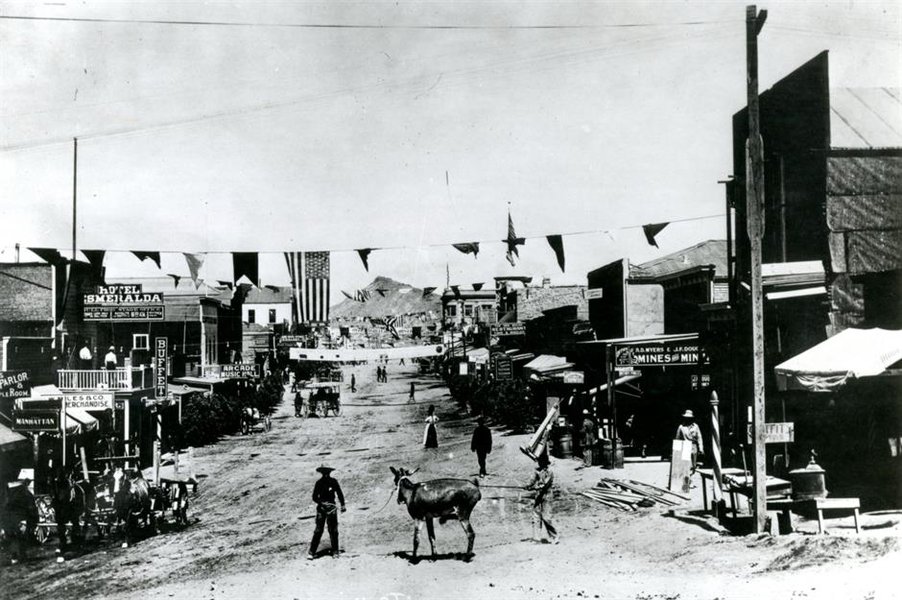
A glimpse into Goldfield, Nevada, showcasing the typical architecture and atmosphere of an Old West town.
Staking Your Claim: Research and Authenticity
A believable Western is built on a foundation of solid research. Readers of this genre are often knowledgeable and appreciate accuracy. Your goal is to transport them to another time and place.
Digging for Details
Historical Context
Understand the specific period your story is set in. What were the major events, societal norms, and political climates? Research details like clothing, firearms, modes of transportation, daily life, and common occupations. For instance, the feel of a Colt revolver, the challenges of a long cattle drive, or the social dynamics within a fledgling frontier town can add immense depth.
Geography and Setting
The landscape is often a character in itself. Whether it's the arid deserts, rugged mountains, or vast plains, detailed descriptions are crucial. Study maps of the era, and if possible, visit locations you plan to write about. Authentic portrayal of the environment, including weather patterns and native flora and fauna, will enhance immersion.
Cultural Sensitivity
When portraying diverse groups, including Native Americans, settlers from various backgrounds, and women, strive for accuracy and avoid harmful stereotypes. Research their cultures, perspectives, and historical realities to create nuanced and respectful representations.
Plotting Your Trail: Story Structure and Themes
Westerns are often plot-driven, but the most memorable ones also feature strong character arcs and thematic resonance.
The Narrative Arc
The Beginning: The Hook
Introduce your protagonist, often an outsider or someone facing a significant change, within their "normal" (though perhaps already challenging) world. Establish the setting and hint at the central conflict. A common trope is the hero arriving in a new community, perhaps showcasing a skill (like marksmanship) that sets them apart and creates initial tension.
The Middle: The Journey and Rising Action
The protagonist accepts a quest, challenge, or is thrust into a series of events. Obstacles presented by the antagonist or the environment escalate. This section is crucial for building tension, character development, and exploring relationships. The protagonist may gather allies, confront enemies, and face tests of their skills and morality.
The End: The Showdown and Resolution
The story culminates in a climactic confrontation, often a physical showdown but also potentially a moral or emotional one. The central conflict is resolved, and the themes of the novel come to a head. Resolutions in Westerns can range from triumphant to bittersweet, often reflecting the harsh realities of the frontier.
Core Western Themes
Westerns explore enduring human concerns, often framed by the unique context of the frontier:
- Freedom vs. Civilization: The tension between the untamed wilderness and the arrival of law, order, and societal structures.
- Justice and Morality: Characters often grapple with personal codes of conduct in a lawless land, seeking or dispensing justice outside conventional systems.
- Redemption: Protagonists may seek to atone for past mistakes or find a new path.
- Survival: The daily struggle against harsh environments, scarcity, and danger.
- Good vs. Evil: A classic conflict, often explored with shades of gray.
- Loyalty and Betrayal: The bonds formed and broken in high-stakes situations.
Populating Your Frontier: Character Development
Memorable characters are the heart of any good story, and Westerns are no exception.
The Protagonist: More Than a Silhouette
Your hero (or anti-hero) should be compelling and flawed. Give them:
- A clear goal or motivation that drives their actions.
- A believable backstory that informs their personality and choices.
- Internal conflicts and complexities that allow for growth and change.
- Skills and weaknesses that make them relatable and human.
The Antagonist: A Worthy Adversary
A strong antagonist creates believable tension and challenges the protagonist in meaningful ways. Avoid one-dimensional villains; give them their own motivations and rationale, even if twisted.
Supporting Cast: Adding Depth and Color
Sidekicks, love interests, mentors, townsfolk, and Native American characters can enrich the narrative, highlight different facets of the protagonist, and drive subplots. Ensure these characters are also well-developed and avoid clichés. For instance, women on the frontier were not just damsels or schoolteachers; they were ranchers, business owners, and resilient individuals. Native American characters should be portrayed with depth and cultural respect, integral to their own stories rather than mere plot devices.
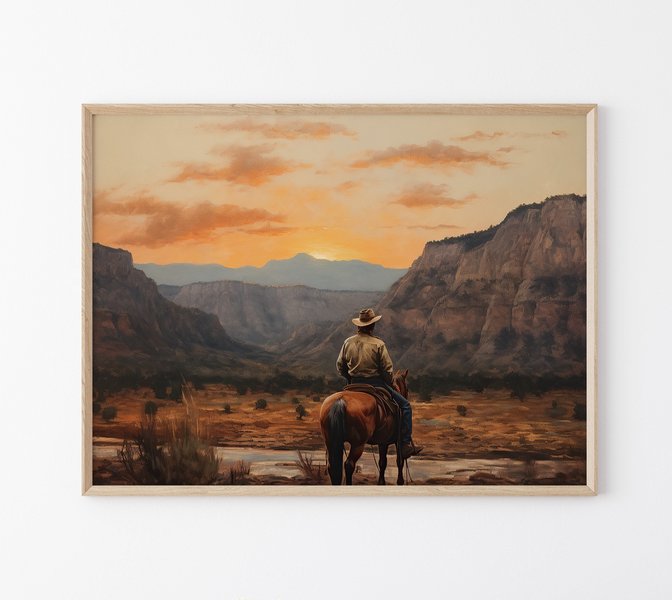
The lone cowboy against a vast landscape is an iconic image of the Western genre.
Crafting the Atmosphere: Setting as a Character
The Old West setting is more than just a backdrop; it's an active force that shapes the characters and drives the plot. Use vivid sensory details to bring it to life:
- Describe the vast, often harsh landscapes: dusty plains, towering mesas, dense forests, or snow-capped mountains.
- Incorporate the impact of weather: scorching heat, biting cold, sudden storms.
- Depict the sights, sounds, and smells: the creak of saddle leather, the distant howl of a coyote, the scent of sagebrush or a wood fire, the cacophony of a frontier town.
- Showcase the social dynamics: the tension in a saloon, the camaraderie around a campfire, the isolation of a remote homestead.
The Voice of the West: Writing Style and Dialogue
Prose and Narration
Aim for clear, direct prose. While descriptive passages are important for setting the scene, the overall style often benefits from a certain ruggedness. Third-person limited perspective is common, allowing readers insight into the protagonist's thoughts and experiences while maintaining narrative drive. Balance action scenes with moments of introspection and character development.
Authentic Dialogue
Dialogue should sound authentic to the period and characters without becoming a caricature. Western speech was often concise and understated. Research common idioms and phrases of the time, but use them sparingly to avoid sounding forced. Dialogue should reveal character, advance the plot, and build tension.
Key Elements of a Successful Western Novel: A Comparative Look
The following chart offers an opinion-based comparison of how different elements might be emphasized in successful Westerns. A well-rounded novel will strive for strength across multiple areas, but the specific balance can vary depending on the story and subgenre.
This chart illustrates that while all these elements are important, their prominence can shift. For instance, an epic Western like Lonesome Dove excels in character depth and emotional impact, while a darker, revisionist work might prioritize thematic resonance and setting vividness to convey a harsh reality.
Mapping Your Western: Core Components
Visualizing the interconnected elements can help in structuring your writing process. The mindmap below outlines the key areas to focus on when developing your Western novel.
(Justice, Redemption, Survival)"] id1b["Subgenres
(Classic, Revisionist, Romance)"] id1c["Historical Context (19th Century)"] id2["Research & Authenticity"] id2a["Historical Accuracy
(Events, Lifestyle, Technology)"] id2b["Setting Details
(Geography, Flora, Fauna)"] id2c["Cultural Sensitivity"] id3["Story Elements"] id3a["Compelling Plot
(Hook, Rising Action, Climax)"] id3b["Conflict
(Internal & External)"] id3c["Pacing and Tension"] id3d["Obligatory Scenes (e.g., Showdown)"] id4["Character Development"] id4a["Protagonist
(Goals, Flaws, Arc)"] id4a1["Backstory"] id4a2["Motivations"] id4b["Antagonist
(Believable, Motivated)"] id4c["Supporting Characters
(Nuanced, Purposeful)"] id4d["Avoiding Stereotypes"] id5["Setting & Atmosphere"] id5a["Vivid Descriptions"] id5b["Sensory Details"] id5c["Setting as a Character"] id6["Writing Craft"] id6a["Style & Voice
(Clear, Evocative Prose)"] id6b["Dialogue
(Authentic, Purposeful)"] id6c["Show, Don't Tell"] id6d["Balancing Action & Introspection"]
This mindmap serves as a quick reference to the multifaceted task of writing a Western, ensuring all crucial components are considered from conception to final draft.
Comparing Western Flavors: A Look at Subgenres
The following table provides a brief overview of common Western subgenres and their defining characteristics, helping you position your story within the broader landscape of Western fiction.
| Subgenre | Key Characteristics | Typical Protagonist | Common Conflicts | Example Focus |
|---|---|---|---|---|
| Classic Western | Focus on heroism, law vs. outlaw, frontier justice, iconic settings (saloons, cattle drives). | Stoic lawman, honorable cowboy, determined pioneer. | Protecting a town, stopping outlaws, taming the wilderness. | Establishing order and morality. |
| Historical Western | Emphasis on accuracy regarding real events, people, and societal conditions. | Often based on or inspired by real historical figures or ordinary people in extraordinary times. | Navigating actual historical conflicts, personal struggles within a documented past. | Authentic portrayal of a specific time/place. |
| Frontier Romance | Combines Western action/setting with a central love story; often strong-willed heroines. | Rugged cowboy/rancher and a resilient woman (teacher, homesteader). | Overcoming societal obstacles or frontier dangers to find love. | Relationship development amidst hardship. |
| Revisionist Western | Challenges traditional Western myths; often darker, more violent, morally ambiguous. | Flawed anti-heroes, disillusioned characters, complex portrayals of Native Americans/minorities. | Brutal survival, questioning heroism, consequences of violence, systemic injustice. | Deconstructing genre tropes. |
| Weird West | Blends Western elements with fantasy, horror, steampunk, or sci-fi. | Cowboys encountering supernatural creatures, mad scientists on the frontier. | Fighting monsters, dealing with magic or strange technology in a Western setting. | Supernatural or speculative adventures. |
Understanding these distinctions can help you tailor your narrative to specific reader expectations or consciously blend elements to create something new.
Insights from a Writer: Crafting Your Western Narrative
Hearing directly from experienced authors can provide invaluable insights. The video below features L. J. Martin discussing the craft of writing Western novels. While it's one perspective, it touches on aspects of bringing the genre to life.
Martin's advice often centers on research, authentic voice, and understanding the core appeal of the Western. Such perspectives can reinforce the importance of immersing oneself in the genre's nuances to create a story that feels both genuine and engaging.
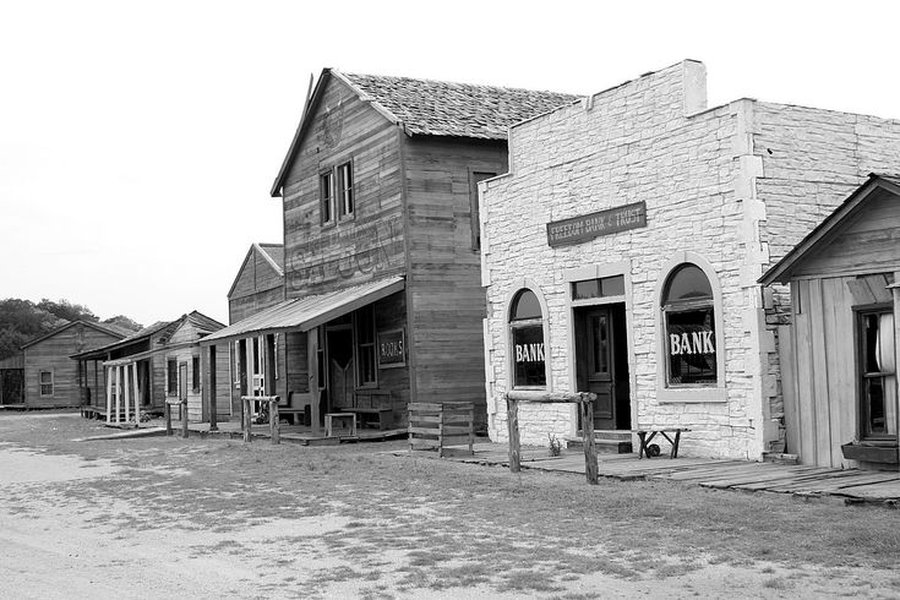
The dusty streets and wooden storefronts are hallmarks of the Western town, a common setting for dramatic encounters.
Frequently Asked Questions (FAQ)
What is the typical word count for a Western novel?
How important is historical accuracy if I'm writing a fictional story?
Do I need to include a lot of gunfights and action?
How can I make my Western stand out from clichés?
Is it okay to blend Westerns with other genres?
Conclusion: Riding Off Into the Sunset
Writing a Western novel is a rewarding challenge that allows you to explore a pivotal period in history through compelling stories and unforgettable characters. By focusing on thorough research, strong character development, a gripping plot, vivid atmosphere, and authentic voice, you can craft a tale that honors the traditions of the genre while offering your unique perspective. Embrace the vast landscapes, the moral complexities, and the enduring spirit of the West, and let your story unfold.
Recommended Further Exploration
- Explore famous Western authors and their unique writing styles.
- How to effectively research historical details for a 19th-century American West setting.
- Techniques for creating authentic dialogue in historical fiction like Westerns.
- What are common pitfalls to avoid when writing a Western novel for the first time.
Referenced Search Results

 worddreams.wordpress.com
 bookmanspage.wordpress.com