
Individual Gun Ownership in Pakistan
A comprehensive analysis of legality, benefits, and challenges
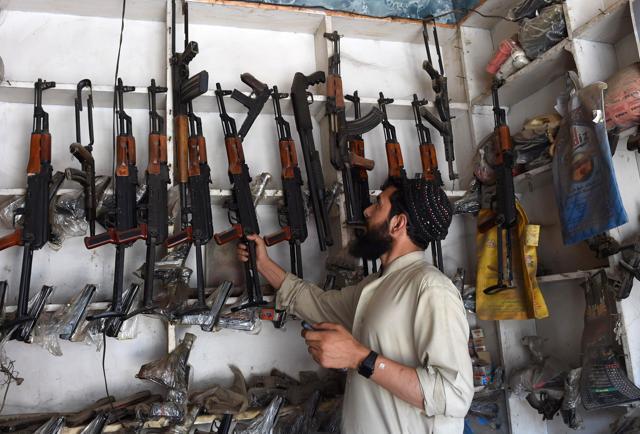
Key Highlights
- Legal Framework and Licensing: Gun ownership is legal but strictly regulated through a licensing process.
- Advantages and Benefits: Ownership can enhance personal security, support local industry, and is culturally significant.
- Challenges and Disadvantages: Issues such as increased violence, the prevalence of illegal arms, and complex licensing remain central concerns.
Overview of Gun Ownership Laws in Pakistan
In Pakistan, individual gun ownership is legally recognized but subject to stringent regulations and licensing requirements. The legal framework governing firearm possession originates from historical regulations such as the Arms Ordinance of 1965, which laid the initial legal foundations for gun ownership. Over several decades, these laws have been updated and refined to meet modern security and regulatory challenges, ensuring that while Pakistani citizens have the right to own firearms, this right comes with significant responsibilities and procedural hurdles.
To legally own a firearm in Pakistan, individuals must obtain an arms license issued by federal or provincial authorities. This process involves verifying the applicant's citizenship, age, and criminal background, among other factors. For example, requirements typically assert that the individual must be a Pakistani citizen, usually at least 18 to 25 years old (with some variations depending on regional regulations), and possess a valid national identification card (CNIC or NICOP). The licensing process is designed to ensure that firearms are only in the hands of individuals deemed responsible and eligible. By maintaining detailed registration and record-keeping of all licensed firearms, the authorities aim to track ownership, promote accountability, and mitigate the risks associated with the broader circulation of firearms.
Legal Requirements and Licensing Process
Eligibility Criteria
Individuals seeking to purchase and legally own a firearm in Pakistan must go through a series of evaluations designed by local authorities. Key eligibility requirements include:
- Proof of citizenship (typically a CNIC or NICOP is mandatory).
- Age requirement, generally 18 or 25 years depending on the type of firearm or jurisdiction specific to certain provinces.
- A clean criminal record, ensuring the applicant has no history of convictions that could deem them unsuitable for gun ownership.
- Demonstration of genuine need for personal protection, particularly in areas where local security concerns are prominent.
- Undergoing a background check by local police to assess the applicant's overall suitability.
Types of Firearms Licenses
In Pakistan, two primary categories classify firearms licenses – the Non-Prohibited Bore (NPB) and Prohibited Bore (PB) licenses. The NPB license is typically issued for common types of firearms used for personal protection and sporting purposes, whereas the PB license covers more restrictive and higher-caliber arms, usually reserved for those with demonstrable needs such as high-risk individuals or security personnel.
The division between these two types of licenses underscores the state’s intent to exercise heightened control over access to more dangerous or powerful weaponry, ensuring that only properly vetted individuals can access such arms.
Registration and Regulation
Once a firearm is purchased, it must be registered with the relevant local government agencies. This registration process creates an official record of the ownership and enables authorities to monitor firearm circulation within the country. However, despite these regulations, there still exists a substantial number of unregistered and illegal firearms in Pakistan. It is estimated that the country has millions of unregistered weapons alongside the legally registered 20 million privately owned firearms.
Table: Firearm Licensing Process
| Process Stage | Description |
|---|---|
| Application Submission | The applicant fills out the necessary forms and submits identification and supporting documents. |
| Background Check | Local law enforcement conducts checks on criminal records and eligibility. |
| Evaluation of Need | Authorities assess whether the applicant has a genuine need for owning a firearm. |
| Issuance of License | A license is granted if all checks are satisfactory, with distinctions between NPB and PB licenses. |
| Registration | The firearm is registered with local agencies to maintain an up-to-date legal record. |
Advantages of Legalizing Gun Ownership
Personal Security and Self-Defense
One of the primary arguments in favor of legal gun ownership in Pakistan is the enhancement of personal security. In regions where threats such as crime, terrorism, or political unrest potentially jeopardize individual safety, the ability to own a legally registered firearm may provide a crucial means of self-defense. This increased sense of security empowers citizens to protect themselves, their families, and their property in situations where law enforcement response might not be immediate or sufficient.
The concept of self-defense is particularly resonant in areas that have historically experienced instability or are located in rural regions where police presence may be limited. Given the complex security landscape in parts of Pakistan, many argue that the responsible, legal ownership of a firearm can serve as a significant deterrent against criminal activities.
Cultural and Socio-economic Benefits
Gun ownership in Pakistan is not solely about personal security; it has deep cultural and social connotations. In many areas, owning a firearm is intertwined with social status and cultural traditions. It is seen as a marker of independence, power, and a connection to historical practices of self-reliance. This cultural dimension often means that legal gun ownership is not only a right but also a cherished aspect of local heritage.
Moreover, the regulated firearms industry in Pakistan supports local manufacturing, employing gunsmiths, machinists, and other professionals. This domestic arms production contributes to the national economy by fostering local craftsmanship and creating job opportunities. The economic benefits extend beyond manufacturing, potentially reducing reliance on imported arms and stimulating ancillary industries.
Effective Monitoring and Regulation
The legal framework establishes a controlled environment in which firearms are issued, registered, and monitored. This systematic approach fosters a level of accountability among gun owners, helping to not only deter misuse but also streamline law enforcement efforts. By mandating licenses and registrations, authorities are better positioned to track firearms, identify trends in gun ownership, and take targeted actions against illegal possession or use.
Some experts argue that the combination of self-defense benefits with robust registration mechanisms creates a balanced approach to firearm governance. It provides the right to personal protection while also incorporating measures meant to safeguard public safety.
Disadvantages and Challenges of Legal Gun Ownership
Rise in Gun-Related Violence
A significant concern linked with the legalization of gun ownership is the potential escalation of gun-related violence. Increased accessibility to firearms can inadvertently contribute to higher incidences of accidental shootings, domestic violence, and criminal activities. In an environment where millions of legally registered and even unregistered firearms circulate, the risk of these weapons being used in violent scenarios rises considerably.
Empirical studies from other regions often show a correlation between the prevalence of firearms and the frequency of gun-related incidents. In Pakistan, where regional conflicts and crime are prevalent, there is apprehension that legal ownership may inadvertently normalize the presence of arms in everyday settings. Critics further contend that even well-regulated environments cannot fully prevent misuse, accidents, or the escalation of violence.
Challenges of Enforcement and Regulation Compliance
Despite the existence of well-articulated gun laws, enforcing these laws uniformly across the country presents considerable challenges. Issues such as corruption, bureaucratic inefficiencies, and inconsistent enforcement undermine the effectiveness of the regulatory framework. In some parts of Pakistan, the legal process for obtaining a gun license is seen as cumbersome, leading to delays and sometimes even encouraging illegal channels to circumvent formal processes.
Furthermore, the presence of millions of unregistered firearms poses a serious challenge. While legally owned weapons are recorded and monitored, the significant number of illegally possessed arms creates parallel channels of criminal circulation. Law enforcement agencies often find themselves stretched thin as they attempt to combat illegal arms trading and curb illicit usage. The porous borders of Pakistan also exacerbate these problems by facilitating smuggling, making comprehensive control more difficult.
Cultural and Social Implications
Legalization of gun ownership, while offering self-defense benefits, can also foster a culture where the possession of firearms becomes normalized and even glorified. This normalization can have far-reaching social consequences, where more individuals, including those who might not otherwise be inclined towards violence, view gun ownership as a symbol of empowerment. Casual access to firearms may lead to situations where conflicts are escalated unnecessarily, contributing to an overall environment of tension and potential violence.
Moreover, sociocultural attitudes that condone or even encourage gun ownership might inadvertently undermine other public safety initiatives. There is a risk that the prevalent gun culture may clash with efforts to promote more integrated community safety practices that emphasize non-violent conflict resolution.
Economic and Administrative Burdens
The legal regulation of firearms necessitates heavy administrative oversight, which comes with significant financial and resource-based implications. Managing the licensing process, facilitating background checks, and maintaining updated registries all represent substantial administrative burdens for government agencies.
These administrative requirements, while important for public safety, increase the overall cost of firearm regulation. Furthermore, inefficient or inconsistent bureaucratic processes can discourage potential gun owners from following proper channels, thereby indirectly contributing to the proliferation of unregistered or illegally held firearms. This in turn weakens the credibility and effectiveness of the overall regulatory framework.
Comparative Analysis: Advantages vs. Disadvantages
Side-by-Side Comparison
| Aspect | Advantages | Disadvantages |
|---|---|---|
| Personal Security | Provides means of self-defense in high-risk areas; protects individuals and property. | Can lead to increased violence and accidental shootings if mishandled. |
| Economic Impact | Boosts domestic arms manufacturing and related job markets; supports local industry. | Increased administrative costs and potential for fostering an underground market. |
| Regulatory Control | Establishes a framework for accountability through robust licensing and registration. | Enforcement inconsistencies, corruption, and unregistered firearms weaken control. |
| Cultural Significance | Resonates with traditional values of self-reliance and symbolizes social status. | Normalizes firearm possession, which may contribute to a culture of violence. |
| Legal Oversight | Creates legal channels for proper firearm distribution and enables law enforcement tracking. | A complex licensing process can be bureaucratic and discourage legal compliance. |
Security Perspectives and Implications
Self-Defense and Public Safety Measures
Among the primary motivations for legitimizing individual gun ownership is self-defense. In a country marked by regional variances in law enforcement efficiency, the ability for law-abiding citizens to possess a firearm is often viewed as an essential tool for personal protection. The legal acquisition process, which emphasizes background checks and clearances, aims to mitigate risks by ensuring that only responsible citizens with a demonstrable need can own a gun.
Nevertheless, with legal weaponry comes the attendant risk that weapons may be misused. High-profile incidents of domestic violence, accidental discharges, or even escalations during interpersonal disputes are cited as risks that must be vigilantly managed. International studies have shown that while defensive gun use can deter crime, it may also inadvertently contribute to higher levels of gun-related injuries if proper training and safety practices are not enforced.
Community Impact and the Role of Policy
Policy makers are continually challenged to balance individual rights with community safety. On one hand, allowing legal gun ownership strengthens an individual’s ability to defend themselves. On the other hand, the spread of firearms increases the collective risk of violent outcomes, particularly in areas where law enforcement is challenged by resource constraints or where socio-political conflicts are more frequent.
Regulatory mechanisms such as regular re-licensing, mandatory safety courses, and periodic audits of firearm registration are among the strategies that can help minimize risks. Although these policies may introduce additional hurdles for gun owners, they are considered necessary in ensuring that the possession of firearms contributes to public safety rather than detracting from it.
Social and Legal Debates Surrounding Gun Ownership
Balancing Rights and Responsibilities
The debate over gun ownership in Pakistan is multifaceted, intertwining legal, cultural, and social considerations. Advocates argue that the legal provisions for owning a gun are a necessary extension of individual rights, promoting both personal security and national pride. Conversely, critics point to the risk of undermining public safety, noting the potential for increased violence and societal instability if firearms are not tightly regulated.
In this light, the discourse is not solely centered around whether individuals should have the right to own a gun, but rather how to reconcile that right with the broader interests of society. The principal challenge for policy makers remains in crafting laws that not only safeguard individual freedoms but also effectively mitigate the risks associated with widespread firearm circulation.
Impact on the Legal System and Enforcement
The enforcement of gun laws in Pakistan offers a complex case study of regulatory challenges. Despite having a strong legal framework, enforcement is frequently hampered by administrative inefficiencies and corruption. This discrepancy between the law as written and its implementation is a critical focus area for legal reform. Future policies may need to address these enforcement gaps, ensuring that the standards for obtaining and maintaining a gun license are rigorous, transparent, and uniformly applied across all regions.
Another pressing issue is the exit strategy for unregistered or illegal firearms. A comprehensive approach that integrates advanced technologies for database management, increased training for law enforcement personnel, and community-oriented policing initiatives could enhance the effectiveness of regulatory measures. Such strategies would help bridge the gap between the ideal regulatory environment and the practical challenges observed on the ground.
Technological and Administrative Innovations
Modernizing Licensing Systems
Recognizing the challenges embedded in traditional methods of gun regulation, there is a growing call among experts for leveraging modern technology. Digital databases, biometric verification, and advanced tracking systems could significantly improve the process of monitoring firearm ownership. By reducing bureaucratic red tape and ensuring that each license is verifiable in real time, authorities could dramatically reduce the circulation of unregistered or illegally owned guns.
Additionally, introducing automated renewal systems and digital record-keeping can assist in regular auditing and timely removal of outdated or fraudulent licenses. Over time, such technological enhancements can contribute to a more secure and accountable environment, reducing the risks associated with firearm proliferation.
Administrative Efficiency and Policy Integration
Integrating the firearm licensing process with broader security policies and public safety initiatives is another innovation that could improve overall outcomes. Coordinated efforts between law enforcement, judicial bodies, and community organizations can help ensure that gun ownership is tracked effectively from issuance to disposal. This integrated approach would also allow for more holistic safety measures and foster cooperation across different government entities.
As technological innovations become more accessible, administrative organizations are in a better position to monitor compliance, issue timely alerts about regulatory breaches, and engage with communities to address concerns proactively. Such collaboration is essential to maintain a balance between preserving individual rights and ensuring societal safety.
Global Comparisons and Local Adaptations
Learning from International Practices
Looking at global practices, many nations employ similar criteria – including stringent background checks, mandatory training, and periodic re-certification – as part of their gun ownership regulations. While the cultural and socio-political contexts differ, these measures provide a framework for addressing the inherent risks of legal firearm ownership.
Pakistan can draw insights from these international practices to refine its own regulatory mechanisms. For instance, implementing comprehensive safety education programs, as seen in several Western and Asian countries, could help cultivate a culture of responsible firearm use. Through such adaptations, Pakistan can strive to maintain its tradition of legal gun ownership while significantly reducing the associated risks.
Tailoring Regulations to Local Needs
The success of any regulatory model ultimately depends on its adaptability to local social dynamics and security challenges. In Pakistan, where diverse regions experience varying levels of security risks and cultural norms, a one-size-fits-all approach may not be optimal. Instead, localized adaptations that account for regional specificities—such as differences in crime rates, policing capabilities, and cultural attitudes towards firearms—are essential.
Provincial authorities, endowed with a degree of discretion in the licensing process, serve a critical role in this context. By tailoring the gun ownership framework to regional realities, they can better address safety concerns while preserving the constitutional right to own a firearm. Such measures may include region-specific training requirements, community outreach programs, and enhanced monitoring in high-risk areas.
References
- Are guns legal in Pakistan? - Legality Lens
- Gun law in Pakistan - Wikipedia
- Arms License Overview - Law Ki Dunya
- Firearm Ownership Laws - Apna Qanoon
- Weapon Carry Permit - Law Ki Dunya
Recommended Related Queries
Last updated March 5, 2025