
Gut Microbiome Engineering: Strategies for Modulation, Dietary Influences, and Machine Learning Applications
Innovative Approaches to Optimize Gut Health Through Engineering and Technology
Key Takeaways
- Comprehensive Modulation Strategies: Integration of genetic engineering, probiotics, and phage therapy offers multifaceted approaches to manipulating the gut microbiome.
- Dietary Impact: Nutrition plays a pivotal role in shaping microbiome composition, with specific diets enhancing beneficial microbial populations.
- Machine Learning Integration: Advanced algorithms enable predictive modeling and personalized interventions, enhancing the efficacy of microbiome engineering.
Introduction
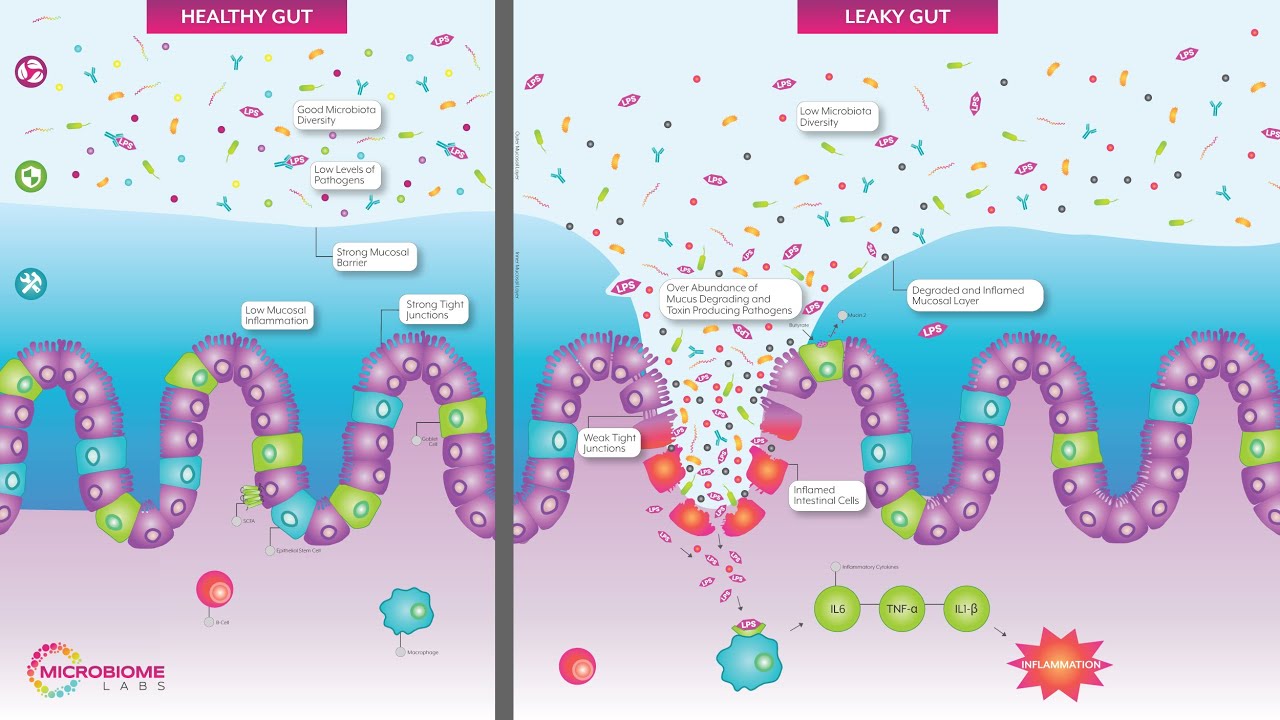
The human gut microbiome is a complex ecosystem comprising trillions of microorganisms, including bacteria, archaea, viruses, and fungi. This intricate community plays a crucial role in various aspects of health, including metabolism, immune function, and even mental well-being. Dysbiosis, or imbalance in the gut microbiota, has been linked to numerous diseases such as inflammatory bowel disease, obesity, and neurological disorders. Consequently, engineering the gut microbiome has emerged as a promising frontier in personalized medicine, aiming to restore balance and promote optimal health outcomes.
Strategies for Microbiome Modulation
Genetic Engineering of Probiotics
Genetic modification of probiotic strains has opened new avenues for targeted microbiome modulation. By engineering probiotics to produce specific metabolites or antimicrobial peptides, scientists can influence the gut environment more precisely. For instance, engineered Escherichia coli strains have been developed to produce anti-inflammatory compounds, thereby mitigating symptoms of inflammatory bowel disease.
Phage Therapy
Bacteriophages, viruses that infect bacteria, offer a selective method for altering microbial populations within the gut. Phage therapy can target pathogenic bacteria without disrupting beneficial commensals, providing a more refined approach compared to broad-spectrum antibiotics. Recent advancements in phage engineering have enhanced specificity and efficacy, making it a viable tool for microbiome modulation.
Fecal Microbiota Transplantation (FMT)
FMT involves transferring stool from a healthy donor into the gastrointestinal tract of a recipient to restore a balanced microbiome. While primarily used to treat recurrent Clostridioides difficile infections, ongoing research explores its potential in managing metabolic and neuropsychiatric disorders. Challenges such as donor selection, standardization of procedures, and long-term safety persist, necessitating further refinement of this technique.
Synthetic Microbial Consortia
The assembly of synthetic microbial communities involves combining multiple engineered strains to perform specific functions within the gut. These consortia can be tailored to enhance nutrient absorption, degrade toxins, or modulate immune responses. Ensuring stability and compatibility within the native microbiome remains a key challenge, but advances in synthetic biology are paving the way for more sophisticated and resilient microbial assemblies.
Dietary Influences on the Gut Microbiome
Role of Dietary Fibers
Dietary fibers serve as essential substrates for microbial fermentation in the gut, leading to the production of short-chain fatty acids (SCFAs) like butyrate, acetate, and propionate. These SCFAs are crucial for maintaining gut barrier integrity, modulating immune responses, and providing energy to colonocytes. High-fiber diets have been consistently associated with increased microbial diversity and the proliferation of beneficial bacterial taxa such as Bifidobacterium and Faecalibacterium.
Impact of Macronutrient Composition
The balance of carbohydrates, proteins, and fats in the diet significantly influences microbiome composition. Diets rich in saturated fats and simple sugars tend to promote the growth of pro-inflammatory bacteria, whereas diets high in complex carbohydrates and unsaturated fats support anti-inflammatory microbial communities. Personalized nutrition strategies that adjust macronutrient intake based on individual microbiome profiles are being developed to optimize health outcomes.
Influence of Micronutrients
Vitamins and minerals also play vital roles in shaping the gut microbiome. For example, vitamin D has immunomodulatory effects that influence microbial communities, while polyphenols found in fruits and vegetables exhibit antimicrobial properties against opportunistic pathogens. Ensuring adequate intake of these micronutrients supports a balanced and resilient microbiome.
Dietary Patterns and Microbiome Diversity
Long-term dietary patterns, such as the Mediterranean diet, have been linked to greater microbial diversity and stability. These diets are characterized by high intake of plant-based foods, whole grains, and healthy fats, fostering a microbiome capable of producing beneficial metabolites. Conversely, Western diets high in processed foods and low in fiber are associated with reduced diversity and increased prevalence of dysbiotic bacterial species.
Machine Learning Applications in Gut Microbiome Engineering
Predictive Modeling
Machine learning (ML) algorithms excel at analyzing large and complex datasets, making them invaluable for predicting microbiome responses to various interventions. By training models on multi-omics data, including genomics, metabolomics, and transcriptomics, researchers can forecast how specific dietary changes or probiotic administrations will alter microbial populations and metabolic outputs. These predictions enable the design of targeted and personalized microbiome engineering strategies.
Personalized Nutrition
Personalized nutrition aims to tailor dietary recommendations based on an individual’s unique microbiome profile. ML models analyze patterns in microbial composition and function to predict optimal dietary interventions that enhance beneficial bacteria and suppress harmful ones. This approach maximizes therapeutic efficacy and minimizes adverse effects, fostering sustained microbiome health.
Integration of Multi-Omics Data
The integration of multi-omics data through ML facilitates a holistic understanding of the gut ecosystem. Combining data from genomics, proteomics, metabolomics, and microbiomics allows for the construction of comprehensive models that capture the intricate interactions within the microbiome. These models can identify microbial biomarkers, elucidate metabolic pathways, and uncover novel therapeutic targets.
Optimization of Therapeutic Interventions
ML-driven optimization techniques enhance the precision of therapeutic interventions. By simulating various scenarios, ML models can identify the most effective combinations of prebiotics, probiotics, and dietary modifications to achieve desired health outcomes. This iterative optimization process accelerates the development of personalized treatments and reduces the trial-and-error approach traditionally associated with microbiome therapies.
Conclusion
Gut microbiome engineering stands at the forefront of personalized medicine, offering innovative strategies to modulate microbial communities for improved health outcomes. The integration of genetic engineering, targeted dietary interventions, and advanced machine learning applications provides a comprehensive toolkit for optimizing gut health. Despite the promising advancements, challenges such as ensuring long-term stability of engineered microbiomes, addressing inter-individual variability, and navigating ethical considerations persist. Continued interdisciplinary collaboration and technological innovation are essential to overcome these hurdles and fully harness the therapeutic potential of microbiome engineering.
References
Conclusion
The ongoing advancements in gut microbiome engineering hold immense potential for revolutionizing personalized medicine and enhancing overall health. By leveraging genetic engineering, dietary interventions, and machine learning applications, it is possible to create tailored strategies that optimize the gut ecosystem for individual health needs. As research continues to evolve, the integration of these multidisciplinary approaches will be crucial in overcoming existing challenges and unlocking the full therapeutic capabilities of microbiome engineering.
Last updated February 16, 2025