
Gut Microbiome's Influence on Neurological Disorders
Exploring the Microbiota-Gut-Brain Axis and Probiotic Interventions
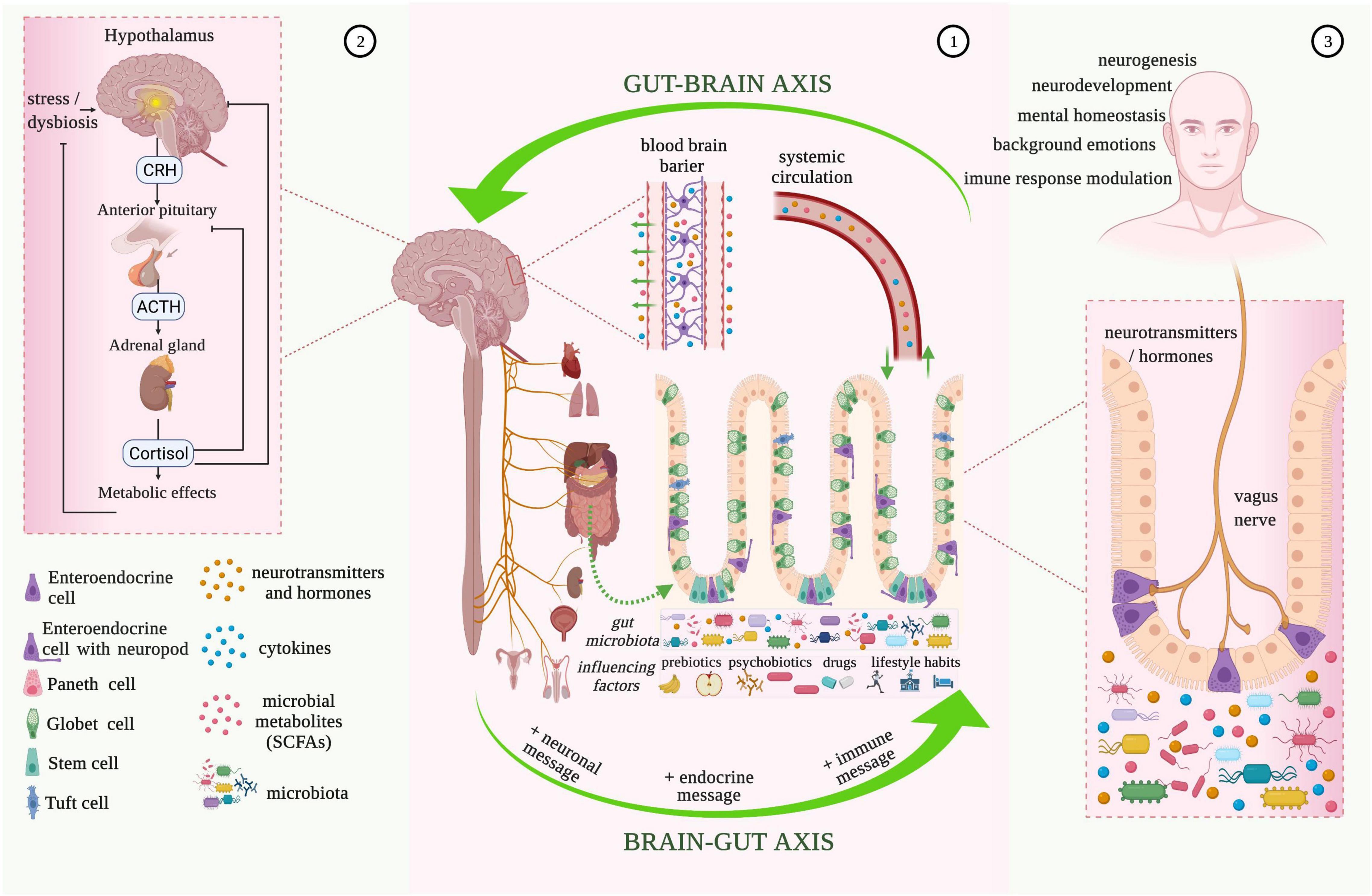
Highlights
- Bidirectional Communication: The gut-brain axis mediates interactions influencing brain function and neurological health.
- Dysbiosis and Inflammation: Imbalances in gut microbiota are linked to neuroinflammation, oxidative stress, and altered metabolism, impacting disorders like Parkinson's disease.
- Probiotic Potential: Targeted probiotic treatments show promise in alleviating both motor and non-motor symptoms, offering a complementary strategy for managing Parkinson's disease.
Introduction
The gut microbiome, consisting of trillions of microorganisms residing within the human intestinal tract, is increasingly recognized for its extensive influence on host physiology. In recent years, there has been considerable research linking the gut microbiome to neurological disorders through a bidirectional communication network known as the microbiota-gut-brain axis. This connection has opened up new therapeutic avenues, particularly the use of probiotics, to potentially modify the course or symptoms of neurological conditions such as Parkinson's disease.
Neurological disorders, including Parkinson's disease, Alzheimer's disease, autism spectrum disorder, multiple sclerosis, and even stroke, have been connected to alterations in microbial composition. This relationship emphasizes the importance of gut health in maintaining neurological well-being and suggests that the regulation of the gut microbiota could serve as a critical component in managing or potentially preventing these conditions.
The Gut-Brain Axis and Neurological Health
Understanding the Connection
The gut-brain axis is an intricate bidirectional communication system that links the central nervous system (CNS) with the gastrointestinal tract. This communication involves multiple pathways such as neural (via the vagus nerve), hormonal, and immunological channels. It also includes the production of neurotransmitters and neuromodulators by gut bacteria, creating a complex network of interactions that ultimately influence brain function and behavior.
Mechanisms of Communication
One of the key ways through which the gut microbiome influences the brain is via microbial metabolites. These include short-chain fatty acids (SCFAs) such as butyrate, propionate, and acetate, which play vital roles in maintaining the integrity of the blood-brain barrier, modulating inflammation, and providing energy to cells. Additionally, gut bacteria produce neurometabolites like gamma-aminobutyric acid (GABA) that directly influence neurotransmitter signaling.
Immune modulation also serves as an essential pathway. Dysbiosis, or an imbalance in gut microbial communities, may lead to a systemic inflammatory state. This can result in prolonged neuroinflammation, which is a common hallmark of many neurodegenerative diseases. Consequently, maintaining a balanced gut microbiome is crucial not only for digestive health but also for the prevention and mitigation of neuroinflammatory processes.
Impact on Neurological Disorders
Numerous studies have highlighted the association between altered gut microbiota and a host of neurological conditions. In many instances, patients exhibit a distinct microbial signature compared to healthy individuals. For example, in Parkinson's disease, there is evidence of reduced abundance of beneficial bacteria alongside an increase in pro-inflammatory species. This shift toward a pro-inflammatory microbial community is believed to exacerbate neurodegeneration by promoting oxidative stress and metabolic dysregulation.
Gut Microbiome’s Role in Parkinson's Disease
Alterations in Microbial Composition
Parkinson's disease (PD) is primarily characterized by motor dysfunction, stemming largely from the degeneration of dopaminergic neurons in the brain. Research has increasingly pointed towards the gut microbiome as a contributing player in the onset and progression of PD. Patients with Parkinson's disease commonly exhibit a reduced diversity of gut microbiota with decreased levels of beneficial bacterial strains such as Lactobacillus and Bifidobacterium, alongside an increase in bacteria that may promote inflammation.
Inflammation and Oxidative Stress
One significant factor in Parkinson's disease is neuroinflammation. Dysbiosis in the gut can result in an overproduction of inflammatory cytokines, leading to systemic inflammation that can cross into the central nervous system. This inflammation is believed to contribute to the progressive loss of neurons, thereby exacerbating the motor and non-motor symptoms observed in PD patients. Furthermore, the state of oxidative stress, characterized by an imbalance between free radicals and antioxidants, is intensified by dysbiosis, putting additional strain on dopaminergic neurons.
Metabolic and Neurochemical Disruptions
Besides inflammatory pathways, metabolic disruptions caused by dysbiosis also play a role in PD progression. The gut bacteria are essential in synthesizing and modulating various neurotransmitters, including dopamine. A disruption in the microbial balance can alter dopamine synthesis and metabolism, potentially reducing the availability of this neurotransmitter which is critical for motor function. Additionally, certain bacterial strains have been linked to the modulation of specific enzymes and proteins involved in neuronal survival, rendering the gut microbiome a central aspect of neuroprotection.
Probiotic Interventions in Neurological Disorders
Therapeutic Potential and Clinical Insights
Given the emerging understanding of the gut-brain axis and its implications in neurological disorders, probiotics have garnered attention as a potential therapeutic intervention. Probiotics are live microorganisms that, when administered in adequate amounts, confer health benefits to the host. They offer the possibility of restoring the gut microbial balance, modulating immune responses, and directly influencing the neurochemical environment.
Specifically in Parkinson's disease, several clinical studies have explored probiotic supplementation as a means to alleviate both motor and non-motor symptoms. Improvements have been observed particularly in gastrointestinal symptoms, such as constipation, which is highly prevalent in individuals with PD. Beyond symptom management, some probiotic formulations are thought to exert neuroprotective effects by reducing systemic inflammation and oxidative stress.
Clinical Evidence of Probiotic Benefits
A number of randomized controlled trials have examined the efficacy of probiotics in PD. For instance, studies have shown that a probiotic formulation containing strains like Lactobacillus acidophilus, Bifidobacterium bifidum, and Lactobacillus fermentum not only improved the gastrointestinal symptoms but also positively influenced overall symptom scales, including motor function scores. Some trials have reported that patients receiving probiotic therapy experienced a faster onset of levodopa’s therapeutic effects, suggesting that probiotics might facilitate more efficient neurotransmitter function.
Mechanisms Underlying Probiotic Action
The potential benefits of probiotics in managing neurological disorders are multifactorial. Key mechanisms include:
- Modulation of Gut Inflammation: Probiotics can regulate inflammatory signaling pathways, thereby reducing the release of pro-inflammatory cytokines.
- Enhanced Production of SCFAs: By increasing short-chain fatty acid production, probiotics support the integrity of the blood-brain barrier and reduce systemic inflammation.
- Neuromodulator Secretion: Some probiotic strains produce neurotransmitters such as GABA, which may have direct calming effects on the nervous system.
- Support for Metabolic Function: Normalizing microbial metabolism can support the synthesis and function of key neurochemicals, which is vital in dopamine regulation.
These mechanisms work together to mitigate the factors that contribute to the progression of Parkinson's disease and other neurological disorders. The modulation of the gut microbiota can thus serve as an adjunct approach to traditional pharmacological treatments.
Evaluating the Efficacy of Probiotic Treatments
Clinical Trials and Research Findings
A critical evaluation of several clinical studies reveals an encouraging trend regarding the use of probiotics in managing Parkinson's disease symptoms. Most notably, improvements in non-motor functions, particularly gastrointestinal motility, have been consistently observed. Additionally, neuroprotective effects, as evidenced by reduced markers of inflammation and oxidative stress, suggest that probiotics might play a role in slowing disease progression.
Summary Table of Probiotic Trials in Parkinson's Disease
| Probiotic Formulation | Targeted Symptoms | Observed Outcomes | Notable Strains |
|---|---|---|---|
| Four-strain mixture | Motor and non-motor symptoms | Improved UPDRS scores, reduced constipation | Lactobacillus acidophilus, Bifidobacterium bifidum, Lactobacillus fermentum |
| Synbiotic Combination | Inflammatory markers, metabolic balance | Enhanced SCFA production, reduced systemic inflammation | Lactobacillus plantarum, Lactobacillus rhamnosus |
| Customized Probiotic Regimen | Dopaminergic modulation and gut health | Shortened "time to on" period for levodopa effectiveness, improved gut motility | Enterococcus faecium, additional beneficial strains |
The table above summarizes some of the recent clinical trial outcomes using various probiotic formulations. These studies illustrate the diverse strategies pursued in leveraging the gut microbiome for therapeutic benefits in Parkinson's disease.
Challenges and Research Limitations
Despite promising results, the current body of research also highlights several challenges that require attention. One major limitation is the variability in individual gut microbiome profiles, which makes standardized probiotic treatments less effective on a one-size-fits-all basis. Additionally, most studies have relatively short follow-up periods, thus long-term effects of probiotic interventions remain to be thoroughly investigated. Furthermore, some studies have small sample sizes, indicating the need for larger, well-controlled trials to firmly establish efficacy and safety.
Future research should focus on:
- Conducting longitudinal studies to monitor long-term outcomes and neuroprotective effects.
- Developing personalized probiotic regimens tailored to the specific microbiota profiles of individuals.
- Utilizing systems biology approaches to integrate genomic, metabolomic, and microbial data for better-informed treatment strategies.
Future Perspectives and Emerging Directions
Advances in Gut Microbiome Research
Advances in sequencing technology and bioinformatics are rapidly enhancing our understanding of the gut microbiome’s role in neurological disorders. As we gain more insight into the specific bacterial strains and their metabolic activities, more refined and targeted interventions can be developed. These include not only probiotic supplementation but also prebiotics, fecal microbiota transplantation (FMT), and synbiotics (a combination of probiotics and prebiotics) that together support the restoration of a balanced gut microbial environment.
Personalized Medicine Approach
One of the most promising emerging fields is personalized medicine. In this context, probiotic treatments may eventually be tailored to individual gut microbiome profiles, thus offering a bespoke therapeutic approach to managing Parkinson's disease and other neurological disorders. Personalized interventions could help optimize treatment efficacy by addressing patient-specific imbalances and targeting the unique microbial compositions that contribute to their condition.
Integrative studies that combine data from genomic, metabolomic, and microbiome analyses will be instrumental in identifying biomarkers predictive of treatment response. This approach not only augments our understanding of disease mechanisms but also facilitates the development of more effective and safer probiotic regimens.
Beyond Probiotics: Exploring Combined Therapies
Another promising direction involves combining probiotics with existing pharmacological treatments. For instance, adjunctive probiotic therapy could potentially enhance the effectiveness of medications like levodopa by improving gut function and reducing inflammation—factors that might otherwise delay drug absorption or efficacy. Such combined therapies are an exciting area of research, as they aim to leverage the benefits of both traditional and novel treatment modalities.
Conclusion and Final Thoughts
In summary, the gut microbiome is a critical determinant of neurological health through its involvement in the microbiota-gut-brain axis. The alterations brought about by dysbiosis have profound implications in the onset and progression of neurological disorders, particularly Parkinson's disease. This connection is underscored by the observation that impairments in gut microbial composition can trigger systemic inflammation, oxidative stress, and metabolic dysregulation—all of which are central to neurodegenerative processes.
Probiotic interventions appear promising as part of a comprehensive strategy to manage Parkinson's disease. The current body of emerging evidence suggests that probiotics can not only alleviate gastrointestinal symptoms such as constipation but also potentially improve motor function and reduce systemic inflammation. By enhancing SCFA production, modulating cytokine profiles, and even influencing neurotransmitter synthesis, probiotics offer a multifaceted approach to mitigating the challenges of neurodegenerative disease.
However, while initial clinical trials have generated encouraging outcomes, the field still faces critical challenges including the need for more extensive, personalized research and long-term studies. A deeper understanding of individual gut microbiota profiles combined with breakthroughs in systems biology promises to advance personalized healthcare, ultimately transforming the way we approach neurodegenerative diseases.
The integration of gut microbiome research with neurologic and pharmacologic studies heralds a new era in the management of Parkinson's disease. Continued exploration and refinement of probiotic and synbiotic therapies will likely shape future therapeutic landscapes, providing safe and effective strategies in the battle against neurological disorders.
References
-
The gut microbiome in neurological disorders - ScienceDirect
- A Comprehensive Review on the Role of the Gut Microbiome in Human ... - PubMed
- The gut microbiome in neurological disorders - PubMed
- Regulation of common neurological disorders by gut microbial ... - Nature
- The gut microbiota–brain axis in neurological disorder - Frontiers
-
Role of Gut Microbiota in Neurological Disorders and Its Therapeutic ... - PMC
- Probiotics may ease nonmotor symptoms of Parkinson's | UCLA Health
-
Probiotics for Parkinson's disease: Current evidence and future ... - PMC
- Probiotics and Parkinson's Disease | APDA
Recommended Related Queries
Last updated February 22, 2025