
Unlocking the Gut-Skin Connection: How Your Microbiome Could Be Key to Understanding Psoriasis
Emerging research reveals a profound link between gut health and psoriasis, paving the way for innovative therapeutic approaches.
Psoriasis, a chronic autoimmune condition manifesting as red, scaly patches on the skin, has long been understood as primarily a skin disorder driven by immune system dysfunction. However, a growing body of research, particularly in recent years up to May 2025, is illuminating a complex and significant relationship between the gut microbiome—the vast community of microorganisms residing in our digestive tract—and the development, progression, and even potential treatment of psoriasis. This exploration delves into the latest scientific findings that are reshaping our understanding of this intricate connection.
Highlights: The Gut-Psoriasis Link
- Gut Dysbiosis is a Hallmark: Individuals with psoriasis frequently exhibit an imbalance in their gut microbial communities, known as dysbiosis, characterized by reduced diversity and shifts in specific bacterial populations.
- Causal Relationship Emerging: Advanced research methods like Mendelian randomization are providing evidence for a causal role of the gut microbiome in psoriasis development, suggesting it's not just an association but an active contributor.
- Therapeutic Potential: Modulating the gut microbiome through diet, probiotics, prebiotics, and other interventions is emerging as a promising avenue for managing psoriasis symptoms and improving treatment outcomes.
The Science Behind the Connection: Gut Dysbiosis and Immune Modulation
The human gut is home to trillions of microorganisms that play crucial roles in digestion, nutrient absorption, and, importantly, immune system regulation. When this delicate ecosystem is disrupted—a state known as dysbiosis—it can have far-reaching consequences for overall health, including skin conditions like psoriasis.
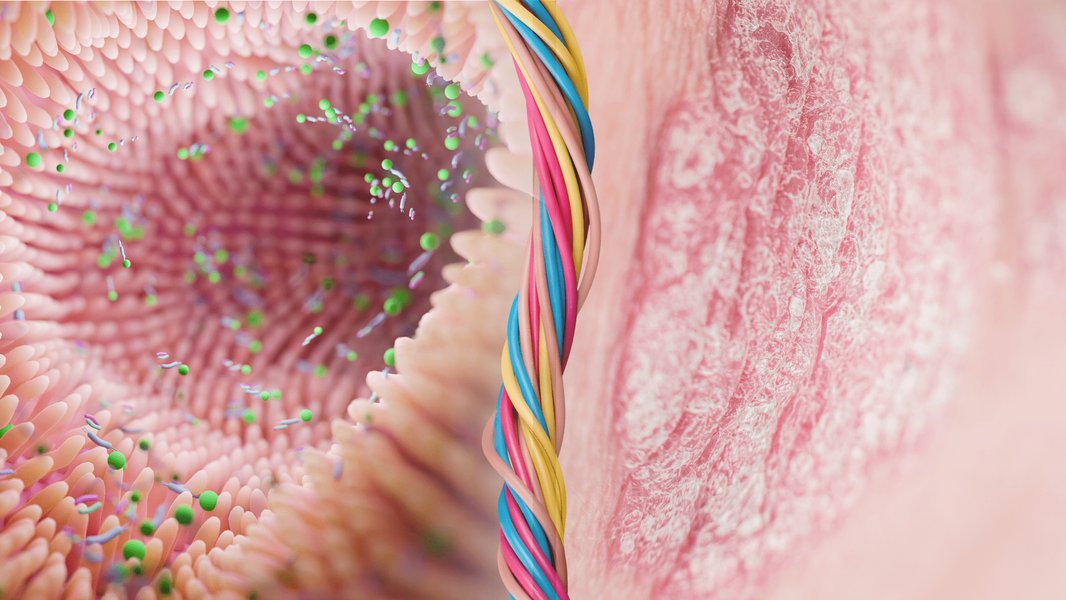
The Gut-Skin Axis: A bidirectional communication network linking intestinal health to skin conditions.
Defining Gut Dysbiosis in Psoriasis
Numerous studies have identified distinct differences in the gut microbiome composition of individuals with psoriasis compared to healthy controls. These alterations often include:
- Reduced Microbial Diversity: A lower variety of bacterial species in the gut is commonly observed in psoriasis patients, which is generally considered a marker of an unhealthy microbiome.
- Altered Bacterial Ratios: A common finding is a shift in the balance between major bacterial phyla. For instance, some studies report a lower relative abundance of Bacteroidetes and a higher abundance of Firmicutes in psoriasis patients.
- Specific Bacterial Changes:
- An increase in potentially pro-inflammatory bacteria, such as certain species within the Bacteroides genus or Prevotella copri, has been noted. Prevotella copri, in particular, has been linked to increased production of pro-inflammatory substances.
- Conversely, a decrease in beneficial bacteria, such as those from the Lactobacillus genus or Prevotella genus (certain species of which are immunomodulatory), has also been reported. These bacteria normally help maintain gut barrier integrity and suppress inflammation.
It's important to note that while these trends are observed, there can be inconsistencies across studies, possibly due to differences in patient populations, dietary habits, geographic locations, and research methodologies.
Mechanisms: How the Gut Influences Psoriatic Skin
The gut microbiome is thought to influence psoriasis through several interconnected mechanisms, primarily revolving around immune system modulation and the integrity of the intestinal barrier. This is often conceptualized as the "gut-skin axis."
Impaired Intestinal Barrier (Leaky Gut)
Dysbiosis can lead to a compromised intestinal barrier, a condition colloquially known as "leaky gut." This increased permeability allows bacterial components, such as lipopolysaccharides (LPS), and other microbial metabolites to translocate from the gut into the bloodstream. LPS, a component of Gram-negative bacteria, is a potent trigger of inflammation.
Immune System Dysregulation
The gut microbiome plays a critical role in educating and calibrating the immune system. In psoriasis, an autoimmune condition, the immune system mistakenly attacks healthy skin cells. Gut dysbiosis can contribute to this by:
- Altering T-cell Balance: The gut microbiota influences the differentiation and function of various T-cell subsets, including pro-inflammatory Th17 cells (implicated in psoriasis pathogenesis) and anti-inflammatory regulatory T cells (Tregs). Dysbiosis can skew this balance towards a more inflammatory state.
- Cytokine Production: Microbial signals from a dysbiotic gut can stimulate the production of inflammatory cytokines, such as TNF-alpha and IL-17, which are key drivers of psoriatic inflammation.
- Systemic Inflammation: The translocation of bacterial products and the resulting immune activation contribute to a state of chronic, low-grade systemic inflammation, which can exacerbate psoriasis.
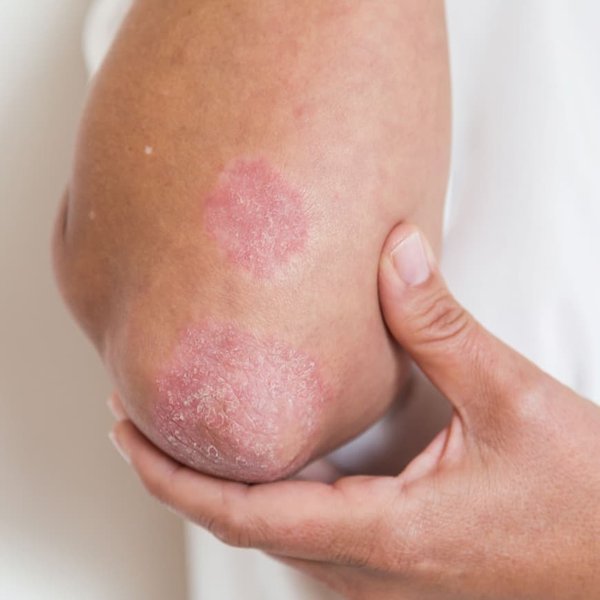
Psoriasis manifests as inflamed, scaly patches on the skin, often on elbows, knees, and scalp.
Metabolic Interactions and Bile Acids
The gut microbiome is deeply involved in host metabolism. Alterations in circulating bile acid levels have been observed in psoriatic patients, with levels often significantly higher than normal. There's a complex, cross-linked relationship where gut bacteria metabolize bile acids, and bile acids, in turn, can shape the microbial community. These altered bile acid profiles and other microbial metabolites, like succinate (which can be pro-inflammatory), may play a role in the gut-skin axis in psoriasis by modulating inflammation.
Establishing Causality: Beyond Association
A significant advancement in recent research is the use of Mendelian randomization (MR) studies. These studies use genetic variants as instrumental variables to assess causal relationships between an exposure (like specific gut bacteria) and an outcome (like psoriasis). Several MR studies published up to 2025 have provided evidence supporting a potential causal link, suggesting that changes in the gut microbiome are not merely correlated with psoriasis but may actively contribute to its development or exacerbation. Some studies even suggest a bidirectional relationship, where psoriasis itself might also impact the gut microbiome, creating a feedback loop.
Visualizing Psoriasis Influences: A Hypothetical Overview
The development and severity of psoriasis are multifactorial. The following chart provides a hypothetical representation of how different factors, including gut dysbiosis, might contribute to psoriasis pathogenesis and their potential for therapeutic modulation. This is an illustrative model based on the general understanding from recent research, not precise quantitative data.
This radar chart illustrates hypothetical relative contributions of various factors to psoriasis and the potential impact of microbiome-focused therapies. For example, "Gut Dysbiosis" is shown as a significant contributor to pathogenesis and also having high potential for therapeutic intervention.
Mapping the Connections: Gut Microbiome's Role in Psoriasis
The following mindmap visualizes the interconnected pathways linking the gut microbiome to psoriasis, highlighting key elements from dysbiosis to potential therapeutic interventions.
Chronic Autoimmune Skin Disease"] id2["Gut Microbiome Factors"] id2a["Gut Dysbiosis
(Microbial Imbalance)"] id2a1["Reduced Microbial Diversity"] id2a2["Altered Bacterial Ratios
(e.g., Firmicutes ↑, Bacteroidetes ↓)"] id2a3["Specific Bacterial Shifts
(e.g., Prevotella copri ↑, Lactobacillus ↓)"] id2b["Consequences of Dysbiosis"] id2b1["Impaired Intestinal Barrier
('Leaky Gut')"] id2b2["Bacterial Translocation
(e.g., LPS endotoxins)"] id2b3["Altered Microbial Metabolites
(e.g., Bile Acids, Succinate)"] id3["Impact on Immune System & Inflammation"] id3a["Modulation of Immune Cells
(Th17 cells ↑, Regulatory T cells ↓)"] id3b["Increased Pro-inflammatory Cytokines
(e.g., TNF-α, IL-17, IL-23)"] id3c["Systemic Inflammation"] id3d["Gut-Skin Axis Activation"] id4["Clinical Manifestations & Links"] id4a["Increased Psoriasis Risk & Severity"] id4b["Exacerbation of Skin Lesions"] id4c["Potential Causal Relationship
(Supported by Mendelian Randomization)"] id5["Therapeutic Strategies Targeting the Gut"] id5a["Dietary Interventions"] id5a1["High-Fiber Diets"] id5a2["Omega-3 Fatty Acids"] id5a3["Bioactive Compounds
(e.g., Quercetin, Resveratrol)"] id5b["Probiotics & Prebiotics"] id5b1["Restoration of Microbial Balance"] id5b2["Strengthening Gut Barrier"] id5c["Fecal Microbiota Transplantation (FMT)
(Exploratory)"] id5d["Modulation by Existing Psoriasis Drugs"] id6["Ongoing Research & Future Directions"] id6a["Identifying Specific Pathogenic/Beneficial Taxa"] id6b["Understanding Mechanistic Details"] id6c["Developing Personalized Microbiome Therapies"] id6d["Biomarker Discovery"]
This mindmap illustrates the central role of gut dysbiosis, its downstream effects on the immune system and inflammation via the gut-skin axis, and how these processes contribute to psoriasis. It also highlights emerging therapeutic strategies focused on modulating the gut microbiome.
Therapeutic Implications: Targeting the Gut for Skin Health
The growing understanding of the gut-psoriasis link is opening new avenues for therapeutic interventions. The goal is to modulate the gut microbiome to restore balance (eubiosis), strengthen the intestinal barrier, and reduce systemic inflammation.
Dietary Interventions
Diet plays a significant role in shaping the gut microbiome. Strategies include:
- High-Fiber Diets: Promote the growth of beneficial bacteria that produce short-chain fatty acids (SCFAs) like butyrate, which has anti-inflammatory properties and helps maintain gut barrier integrity.
- Omega-3 Fatty Acids: Found in fatty fish, flaxseeds, and walnuts, these have anti-inflammatory effects and may positively influence gut microbiota composition.
- Natural Bioactive Compounds: Compounds like quercetin (found in fruits and vegetables) and resveratrol (found in grapes and berries) have shown potential in modulating gut microbiota and reducing inflammation in preclinical models.
Probiotics and Prebiotics
- Probiotics: Live beneficial microorganisms that, when administered in adequate amounts, confer a health benefit. Specific probiotic strains are being investigated for their ability to restore microbial balance, reduce inflammation, and improve psoriasis symptoms.
- Prebiotics: Non-digestible food ingredients (typically fibers) that selectively stimulate the growth and/or activity of beneficial bacteria in the gut.
Fecal Microbiota Transplantation (FMT)
FMT involves transferring fecal matter from a healthy donor to a recipient to restore a healthy gut microbial community. While still largely experimental for psoriasis, it has shown promise in some cases and is an area of active research.
Impact of Conventional Psoriasis Treatments
Interestingly, some research suggests that conventional psoriasis treatments, such as biologics, may also influence the gut microbiome. Favorable treatment outcomes have sometimes been associated with shifts in the microbiota towards a composition closer to that of healthy individuals, suggesting that some therapeutic effects might be partly mediated through the gut.
Expert Insights on Psoriasis and the Microbiome
Understanding the intricate relationship between the microbiome and psoriasis is crucial for developing comprehensive treatment plans. The following video features Dr. Wilson Liao discussing key aspects of this connection, offering valuable insights into how the microbiome can influence the onset, severity, and treatment response in psoriasis.
In this video, Dr. Liao addresses critical questions such as how the microbiome impacts psoriasis onset and severity, its role in comorbidities associated with psoriasis, and how it might affect responses to various treatments. This discussion underscores the importance of considering the gut microbiome as a factor in managing psoriasis and highlights areas for future research and clinical application.
Summary of Key Bacterial Alterations in Psoriasis
The table below summarizes some of the commonly reported changes in gut bacterial groups in individuals with psoriasis and their potential functional implications. It's important to remember that findings can vary between studies, and these are general trends.
| Bacterial Group / Phylum / Species | Observed Change in Psoriasis (General Trend) | Potential Impact / Role |
|---|---|---|
| Overall Microbial Diversity | Decreased | Associated with reduced gut health resilience, potential for dysbiosis. |
| Firmicutes (Phylum) | Often Increased (relative to Bacteroidetes) | Shift in Firmicutes/Bacteroidetes ratio linked to inflammation and metabolic changes. |
| Bacteroidetes (Phylum) | Often Decreased (relative to Firmicutes) | Some Bacteroidetes species are important for SCFA production and immune regulation. |
| Prevotella copri (Species) | Often Increased | Associated with pro-inflammatory responses and immune dysregulation in some contexts. |
| Lactobacillus (Genus) | Often Decreased | Beneficial bacteria involved in maintaining gut barrier integrity and modulating immune responses. |
| Bifidobacterium (Genus) | Often Decreased | Beneficial bacteria contributing to gut health, SCFA production, and immune balance. |
| Akkermansia muciniphila (Species) | Often Decreased | Plays a role in maintaining mucus layer integrity and has anti-inflammatory properties. |
These observed alterations contribute to the understanding of how gut dysbiosis may fuel the inflammatory processes underlying psoriasis, further emphasizing the gut-skin axis.
Challenges and Future Directions
Despite significant progress, research into the gut microbiome and psoriasis faces challenges. These include inconsistencies in findings across studies, the need for standardized methodologies for microbiome analysis, and the complexity of distinguishing cause from effect. Future research will likely focus on:
- Identifying specific microbial signatures: Pinpointing consistent microbial patterns or specific bacterial strains that are definitively linked to psoriasis risk or severity.
- Elucidating mechanisms: Further unraveling the precise molecular and cellular mechanisms by which gut microbes influence skin inflammation.
- Clinical trials: Conducting larger, well-controlled clinical trials to evaluate the efficacy of microbiome-targeted therapies (probiotics, prebiotics, dietary changes, FMT) for psoriasis.
- Personalized approaches: Developing personalized treatment strategies based on an individual's unique microbiome profile and genetic predispositions.
The ultimate aim is to translate these research findings into effective, targeted interventions that can improve the lives of individuals living with psoriasis by addressing a fundamental, yet often overlooked, contributor: the gut microbiome.
Frequently Asked Questions (FAQ)
What exactly is gut dysbiosis?
Gut dysbiosis refers to an imbalance in the microbial community residing in the digestive tract. This can mean a reduction in overall microbial diversity, a decrease in beneficial bacteria, an overgrowth of potentially harmful bacteria, or an altered ratio of different bacterial groups. In the context of psoriasis, dysbiosis is thought to contribute to inflammation and immune system dysfunction.
How does the gut microbiome influence psoriasis?
The gut microbiome influences psoriasis primarily through the "gut-skin axis." Dysbiosis can lead to a 'leaky gut,' allowing bacterial products like LPS to enter the bloodstream, triggering systemic inflammation. It also modulates the immune system, potentially unbalancing pro-inflammatory (e.g., Th17 cells) and anti-inflammatory (e.g., regulatory T cells) responses, which are critical in psoriasis pathogenesis. Altered microbial metabolism of substances like bile acids can also play a role.
Can diet affect psoriasis through the gut microbiome?
Yes, diet significantly impacts the composition and function of the gut microbiome. Diets rich in fiber, fruits, and vegetables can promote beneficial bacteria and the production of anti-inflammatory compounds. Conversely, diets high in processed foods, sugar, and unhealthy fats may contribute to dysbiosis. Research suggests that dietary interventions aimed at improving gut health, such as increasing omega-3 fatty acid intake or consuming foods rich in prebiotics and probiotics, may help manage psoriasis symptoms by positively influencing the gut microbiome.
Are probiotics helpful for psoriasis?
Probiotics are being actively investigated as a potential complementary therapy for psoriasis. Some studies suggest that specific probiotic strains can help restore microbial balance, strengthen the gut barrier, reduce inflammation, and improve psoriasis severity. However, research is ongoing, and the effects can be strain-specific. More large-scale clinical trials are needed to establish definitive recommendations on which probiotics are most effective for psoriasis.
What is the "gut-skin axis"?
The "gut-skin axis" refers to the bidirectional communication and interplay between the gut, its microbiome, and the skin. This complex relationship involves immunological, metabolic, and neuroendocrine pathways. Essentially, the health of the gut and its microbial inhabitants can influence skin health, and vice versa. In conditions like psoriasis, disruptions in the gut (like dysbiosis and leaky gut) can lead to systemic changes that manifest on the skin.
Recommended Further Exploration
- How does diet specifically impact gut bacteria relevant to psoriasis?
- What are the most promising probiotic strains for psoriasis management based on current clinical trials?
- Can fecal microbiota transplantation (FMT) be a viable treatment for severe psoriasis?
- What is the role of specific microbial metabolites like short-chain fatty acids in psoriasis?
References
Last updated May 7, 2025