
Exploring the Ripple Effects of Habitat Loss on Pollinators
Discover the complex ecological interdependencies and conservation challenges
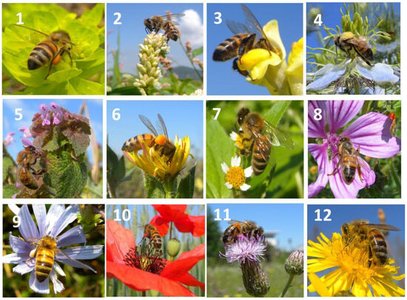
Key Highlights
- Essential Resource Decline: Loss of foraging sites and nesting areas critically harms pollinator survival.
- Disruption of Ecological Networks: Fragmentation leads to breakdowns in plant–pollinator interactions and ecosystem stability.
- Broader Impacts on Food Security: Reduced pollinator populations affect crop yields and biodiversity, with cascading effects on human food resources.
Understanding Habitat Loss and Its Consequences
Habitat loss is a major driver of the decline in pollinator populations globally. As natural environments such as forests, meadows, grasslands, and wetlands are transformed through human activities like urbanization, agriculture, and industrial development, critical resources for pollinators are markedly reduced. These resources include floral diversity, which supplies the nectar and pollen that pollinators rely on, as well as suitable nesting and breeding sites.
The alteration and fragmentation of pollinator habitats result in fewer contiguous areas that provide the diverse ecological functions necessary for maintaining a healthy pollinator community. Without stable and diverse habitats, pollinators face increased difficulty in accessing sufficient food or finding protection, which can lead to population declines and even local extinctions.
Primary Factors Influencing Pollinator Decline
Reduction of Foraging Grounds
One of the direct impacts of habitat loss is the significant reduction in flowering plants, which serve as essential food sources for pollinators such as bees, butterflies, and other insects. The conversion of natural landscapes into urban or agricultural areas dramatically limits the presence of native vegetation with rich floral resources, leading to scarcity of nectar and pollen. This scarcity not only impairs the nourishment needed for daily activities but also affects the energy available during periods of reproduction.
Loss of Nesting and Breeding Sites
The destruction of natural habitats has a direct impact on the availability of nesting and breeding sites. Many pollinators require specific substrates or structures – such as hollow stems, underground cavities, and undisturbed soil – to build their nests. As farmland and urban development replace these natural features, pollinators are forced into smaller, isolated fragments which may not support viable breeding populations. Consequently, disrupted breeding cycles can further exacerbate the decline in pollinator numbers by reducing genetic diversity and resilience.
Fragmentation of Habitat
Beyond the outright loss of habitat, fragmentation isolates remaining patches of suitable environments. When habitats become spatially segregated, pollinators often face greater challenges in migration and mating. The increased distances between isolated patches result in limited gene flow, leading to smaller, vulnerable populations that are more susceptible to environmental stressors, disease, and adverse climatic events.
Interactions with Other Environmental Stressors
Habitat loss typically occurs in conjunction with other environmental pressures, such as exposure to pesticides, invasive species, and climate change. This confluence of stressors greatly amplifies the threats that pollinators face. For instance, the reduced nutritional quality resulting from a limited range of flowering plants diminishes the immune function of pollinators, making them more vulnerable to diseases and parasitic infestations. Furthermore, extreme weather events – increasingly common due to climate change – further exacerbate the hardships experienced by these species.
Ecosystem and Human Implications
Disruption of Plant-Pollinator Networks
The interdependence between plants and their pollinators forms a critical ecological network. When this network is disrupted by habitat loss, the consequences extend beyond the decline of pollinator populations. Many plant species, particularly those dependent on specialized pollinators, suffer reproductive failures. This can lead to reduced plant biodiversity and ultimately alter the structure and function of entire ecosystems. The resulting imbalances can influence soil quality, water cycles, and the overall health of the environment.
Agricultural Productivity and Food Security
A significant portion of global food production relies on animal pollination. Crops such as fruits, nuts, vegetables, and even some grains depend on efficient pollination for optimal yield and quality. The decline in pollinator populations can, therefore, directly affect agricultural productivity. Beyond the immediate economic ramifications for farmers and communities, reduced crop yields can have long-term effects on food security, particularly in regions where agriculture is a primary source of livelihood.
Biodiversity Loss
The decline in pollinators has far-reaching implications for biodiversity. As pollination networks collapse, a cascading effect disrupts many ecological interactions. Diverse ecosystems generally provide a range of services—such as nutrient cycling, pest control, and climate regulation—that are indispensable for environmental stability. Loss of biodiversity, therefore, can result in ecosystems that are less resilient to other forms of environmental change, further highlighting the urgency of protecting pollinator habitats.
Mitigation and Conservation Strategies
Restoration of Native Habitats
Restoring and conserving native habitats is one of the foremost strategies recommended by ecologists to combat the decline of pollinator populations. Initiatives such as reforestation, the creation of wildflower corridors, and urban greening projects help reintroduce diverse floral resources and nesting habitats into landscapes that were previously degraded. The use of native plants not only supports local pollinators but also ensures that the restored habitats are ecologically sustainable.
Sustainable Agricultural Practices
Shifting from intensive monoculture practices to more sustainable models like agroforestry, crop rotation, and permaculture can significantly reduce the negative impacts of agriculture on pollinators. These practices aim to balance crop production with the maintenance of environmental health, which includes preserving pollinator habitats. Reduced pesticide use and the creation of buffer zones between agricultural fields and natural habitats play a key role in this transition.
Enhancing Urban Biodiversity
Urban environments have unique challenges but also opportunities for supporting pollinator populations. Urban planning that incorporates green roofs, community gardens, and pollinator-friendly plantings can transform city landscapes into supportive habitats. These measures help offset some of the losses incurred by rural habitat destruction, leading to more resilient urban ecosystems.
Public Education and Policy Initiatives
Community awareness and policy interventions are critical components of any successful conservation effort. Educational campaigns can inform the public about the importance of pollinators and encourage practices that protect natural habitats. On the policy side, regulations aimed at limiting habitat destruction, managing pesticide use, and promoting environmental stewardship are essential to foster long-term ecological balance.
Comparative Overview: Factors and Effects Table
| Factor | Description | Ecological and Economic Impacts |
|---|---|---|
| Foraging Resource Reduction | Decreased abundance of native flowering plants reduces available pollen and nectar. | Leads to reduced energy for survival and reproduction, affecting pollinator health. |
| Nesting Site Loss | Destruction or alteration of natural nesting habitats limits reproductive opportunities. | Results in lower population sizes and decreased genetic diversity. |
| Habitat Fragmentation | Splitting of continuous habitats into isolated patches. | Increases vulnerability to environmental stressors and hampers migration/mating. |
| Exposure to Environmental Stressors | Pesticides, climate change, and invasive species exert additional pressures on fragmented habitats. | Further weakens immune responses and overall resilience of pollinator populations. |
| Agricultural and Urban Development | Conversion of natural landscapes into farmlands or urban areas. | Disrupts ecosystem functions and reduces biodiversity, impacting food security. |
Integrating Conservation Efforts
Multi-Stakeholder Collaboration
Addressing habitat loss is a multifaceted challenge that requires coordinated efforts among governments, conservationists, agricultural stakeholders, and local communities. Strategies that integrate scientific research, community education, and policy reforms are essential. Collaborative projects that bring together these diverse groups can lead to effective habitat restoration and more sustainable land-use practices.
Research and Monitoring
Continuous monitoring of pollinator populations, alongside research into the dynamics of habitat interactions, is vital. Data-driven approaches help identify emerging threats and the effectiveness of conservation strategies. Advancements in technology, including remote sensing and GIS mapping, have improved our ability to monitor habitat changes and predict areas where pollinators are most at risk.
Policy and Legislative Support
Formulating and implementing policies that protect natural habitats is crucial for pollinator conservation. Legislation can encourage landowners to maintain wildlife corridors and adopt environmentally friendly practices. Support from governmental agencies often translates into funding for conservation projects and research initiatives, bolstering the capacity for large-scale habitat restoration.
References
- Pollinators in Trouble - U.S. National Park Service
- Threats to Pollinators - U.S. Fish and Wildlife Service
- Threats to Pollinators - Pollinator Partnership
- Pollinator Decline: Implications for Food Security & Environment - Scientia Global
- Impact of Habitat Fragmentation on Pollinators - Springer
Recommended Further Queries
Last updated March 27, 2025