
Unraveling the Complex Effects of Habitat Loss on Pollinators
Dive into how environmental changes threaten essential pollinator species and our ecosystems
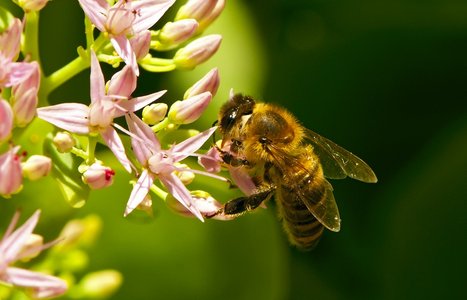
Highlighted Insights
- Critical Resource Decline: Loss of food and nesting sites undermines pollinator survival.
- Fragmentation and Isolation: Broken habitats reduce genetic diversity and disrupt ecological networks.
- Cascading Ecosystem Impact: Declines in pollinators compromise plant reproduction and food security.
Understanding the Impact of Habitat Loss on Pollinators
Habitat loss is one of the most severe threats facing pollinator populations worldwide. The conversion and degradation of natural environments due to urban development, agriculture, and resource extraction result in significant challenges for pollinators such as bees, butterflies, birds, and other pollinating insects. As natural habitats like forests, grasslands, and wetlands are transformed into monocultures and urban landscapes, the essential elements that support pollinators—such as flowering plants, diverse food sources, and suitable nesting sites—are depleted.
Reduced Food and Nesting Sites
Loss of Critical Resources
The destruction or alteration of natural habitats directly reduces the availability of flowering plants that provide nectar and pollen—the primary food sources for many pollinators. Additionally, many species rely on specific types of vegetation or soil conditions to create nesting sites. For example, ground-nesting bees require undisturbed soil, which becomes compromised when landscapes are fragmented or repurposed for agriculture, roads, or urban development. This dramatic reduction in essential resources leads to malnutrition, lower reproductive rates, and ultimately declines in local pollinator populations.
Impacts on Reproductive Success
Without adequate food and safe nesting areas, pollinators face difficulties in completing their life cycles. This can result in reduced reproductive success, where the survival rate of young pollinators is diminished. The lack of reliable sources of nutrition and shelter means that even native species struggle to maintain sustainable population levels. This decline not only affects the pollinators themselves but also has wider repercussions on plant-pollinator networks that are essential for the reproduction of many plant species, including various crops critical for human food production.
Habitat Fragmentation and Isolation
Disruption of Plant-Pollinator Networks
When large continuous habitats are subdivided into smaller, isolated patches, the connectivity required for efficient pollination is significantly impaired. Pollinators may find themselves confined to small fragments that offer limited floral diversity and reduced nesting opportunities. This isolation decreases genetic diversity and diminishes interactions among pollinator populations. The resulting fragmentation also affects specialist species—those that depend on specific plants for survival—rendering them particularly vulnerable in environments where the required floral resources are scarce or even absent.
Increased Vulnerability to Environmental Stressors
Fragmented habitats expose pollinators to greater environmental stress. Smaller populations are more susceptible to the effects of climate change, pesticide exposure, disease, and extreme weather events. The reduced genetic variability in these isolated groups further exacerbates their vulnerability, undermining their resilience to ongoing or sudden environmental changes. Climate change, notably, can shift the timing of flowering periods and pollinator activity, leading to mismatches in an already strained mutualistic relationship.
Broader Ecological Implications
Impact on Ecosystem Services
Pollinators play an indispensable role in maintaining ecosystem balance and supporting biodiversity. They are critical for the pollination of wild plants, agricultural crops, and even species that form the backbone of certain ecosystems. As pollinator populations dwindle due to habitat loss, the ecological services they provide are significantly compromised—most notably in the area of plant reproduction. This can lead to lower crop yields, reduced food security, and the eventual decline of plant species that rely exclusively on animal pollinators for their propagation.
Cascade Effects on Biodiversity
The consequences of declining pollinator numbers extend well beyond the species directly affected. A reduction in pollinator diversity impacts the reproductive success of many plant species, thereby affecting the entire food chain. Plants that depend on a diverse pollinator network may experience reduced reproduction rates, potentially leading to a cascade of effects within the ecosystem. Over time, such changes can result in diminished biodiversity and instability in environmental health, threatening ecosystem sustainability on a broader scale.
Comparative Analysis of Influences: A Data Perspective
| Key Factor | Impact on Pollinators | Ecological Consequence |
|---|---|---|
| Food Resource Reduction | Decline in nectar and pollen sources | Lower nutritional intake, decreased reproduction rates |
| Nesting Site Loss | Fewer safe sites for breeding | Reduced population sustainability, especially for ground-nesting species |
| Habitat Fragmentation | Isolation of pollinator populations | Reduced genetic diversity and vulnerable populations |
| Disruption of Plant-Pollinator Networks | Altered interaction patterns between pollinators and plants | Cascading effects on overall plant reproduction and ecosystem stability |
| Exposure to Environmental Stressors | Increased mortality and susceptibility to diseases | Long-term declines in population resilience and ecosystem services |
Addressing the Issue: Conservation and Mitigation Strategies
Conservation of Natural Habitats
Protecting Native Vegetation
Conservation efforts must prioritize the protection and restoration of native habitats. This includes maintaining diverse plant communities that not only provide abundant food sources but also offer suitable environments for nesting and breeding. By preserving large, contiguous areas of natural habitats—forests, grasslands, and wetlands—we can help ensure that pollinators have the ecological resources they need to thrive.
Creating Pollinator Corridors
Integrating pollinator corridors into urban and agricultural planning is another effective strategy. Pollinator corridors, which are stretches of land planted with native flora, help mitigate the effects of habitat fragmentation by connecting isolated patches of suitable environments. These corridors create continuous pathways that enable pollinator movement, gene flow, and ultimately enhance the resilience of pollinator networks across landscapes.
Improved Land-Use Practices and Policy Measures
Sustainable Agriculture
Shifting towards sustainable agriculture involves adopting practices that minimize habitat destruction. This can include crop rotation, intercropping, and integrated pest management to reduce reliance on harmful chemicals and to maintain floral diversity within agricultural areas. Policies that incentivize sustainable farming methods benefit both crop yields and pollinator populations, creating a more balanced ecosystem.
Reduced Pesticide Use
Implementing integrated pest management strategies to reduce the use of pesticides is critical. Pesticides not only target pest species but also adversely affect pollinators, poisoning both adult insects and their larvae. Efforts to limit or replace harmful chemical use with biological controls can help maintain healthier pollinator populations while ensuring agricultural productivity.
Public Awareness and Community Engagement
Educational Initiatives
Raising public awareness about the vital role of pollinators and the impacts of habitat loss can drive change on multiple levels. Educational campaigns that focus on the importance of creating pollinator-friendly gardens, protecting native habitats, and supporting local conservation initiatives can empower communities to take proactive action. Informing the public helps build the political will necessary for implementing effective conservation policies.
Community-Based Conservation Projects
Local initiatives and community-based projects play an essential role in mitigating habitat loss. Community gardens that incorporate native plants and urban greening projects are excellent examples of how local engagement can lead to healthier ecosystems. Such projects can act as micro-habitats for pollinators, contributing to broader conservation efforts while fostering a sense of stewardship among local residents.
Integrating Research and Policy for Long-Term Sustainability
Recent scientific research has brought to light the critical importance of maintaining continuous and diverse habitats for pollinators. Studies indicate that restoring native vegetative cover, ensuring the connectivity of ecosystems, and reducing chemical inputs can lead to significant recoveries in pollinator populations. Moreover, policies that merge environmental conservation with agricultural productivity demonstrate promising results in mitigating the negative impacts of habitat loss.
Effective integration of research findings into policy-making is essential. Governments and environmental agencies need to work closely with scientists, local communities, and agricultural stakeholders to develop strategies that balance ecological sustainability with economic interests. By creating policies that emphasize conservation, habitat restoration, and the sustainable use of resources, it is possible to create a future in which both pollinators and human populations can flourish in a mutually supportive environment.
References
- Pollinators in Trouble - U.S. National Park Service
- Threats to Pollinators - U.S. Fish and Wildlife Service
- Pollinator Decline Study - PubMed
- Bee Habitat Loss - Friends of the Earth
-
Global Pollinator Declines - ScienceDirect
Recommended Further Queries
Last updated March 28, 2025