
Famous Artists of Haight-Ashbury in the Summer of Love
Explore the vibrant music and cultural legacy of a legendary era
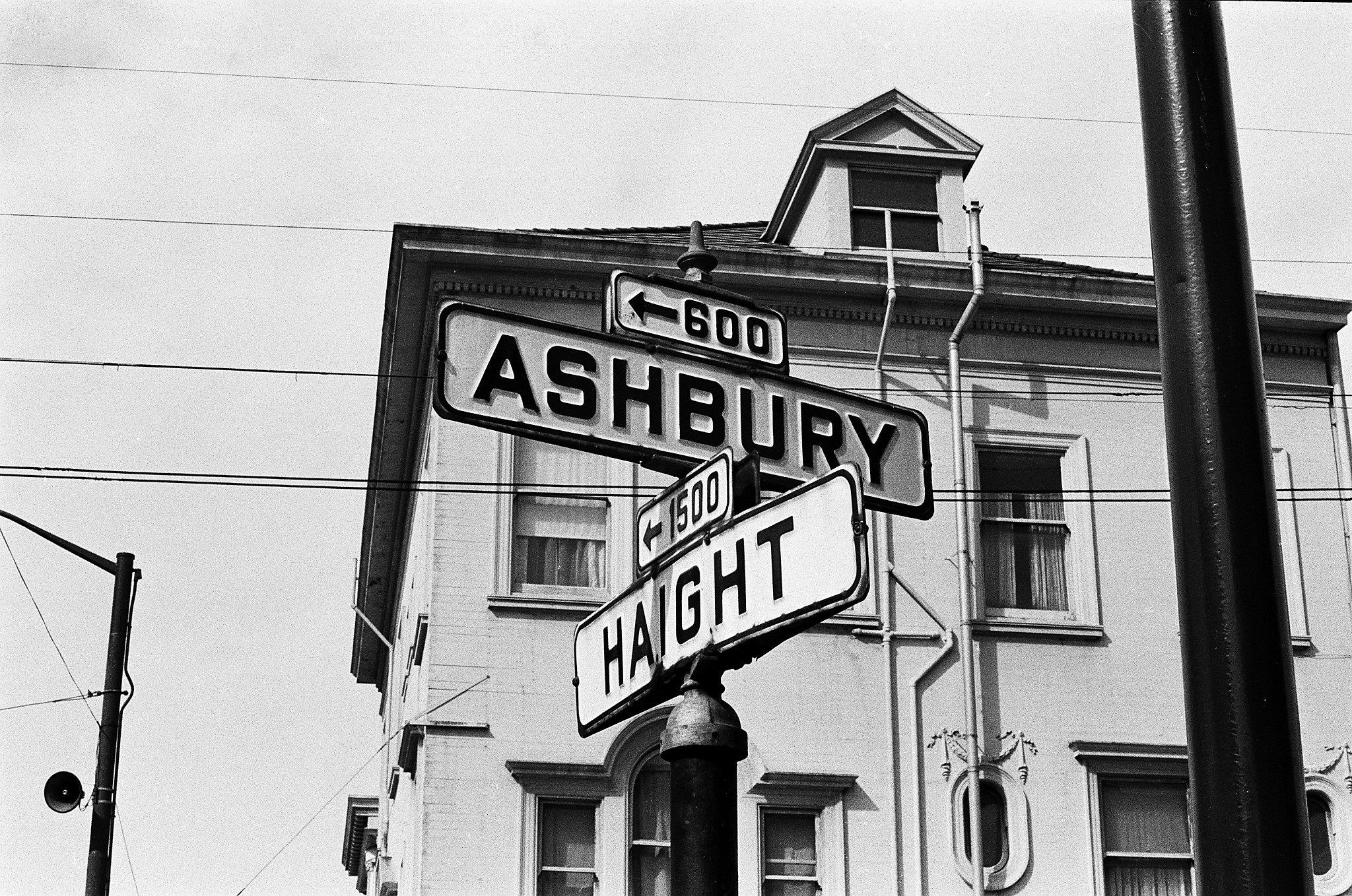
Key Highlights
- Janis Joplin's Iconic Presence: Her powerful vocals and stage presence defined the era.
- The Grateful Dead’s Communal Spirit: Their music and lifestyle exemplified counterculture ideals.
- Jimi Hendrix’s Revolutionary Guitar Techniques: Brightening the psychedelic scene with innovative performances.
Overview of the Summer of Love
During the Summer of Love in 1967, the Haight-Ashbury neighborhood of San Francisco became the epicenter of a cultural revolution. This vibrant district was a magnet for artists, musicians, writers, and free spirits seeking to embrace counterculture ideals such as peace, love, and communal living. The phenomenon was not just about an influx of creative personalities; it was a holistic movement that reimagined societal norms and redefined the artistic landscape.
At the heart of this revolution were a number of subsequently famous artists whose creative genius and innovative approaches left indelible marks on music and art worldwide. Their time in Haight-Ashbury provided both a physical and metaphorical space free from traditional constraints, allowing them to experiment and flourish in an atmosphere brimming with collaborative energy.
Notable Figures and Their Contributions
Janis Joplin
An Icon of Raw Emotion
Janis Joplin, renowned for her soulful voice and magnetic stage presence, was one of the most iconic figures of the Summer of Love. Living in Haight-Ashbury, her performances were an embodiment of raw emotion and rebellious energy that resonated with a generation seeking change. Her style, merging rock, blues, and psychedelic influences, set trends that influenced countless musicians in subsequent decades.
Joplin's deep, gritty vocals and fearless approach to performance made her a symbol of the burgeoning rock scene, and her legacy continues to inspire both established and emerging artists in the world of music.
The Grateful Dead
Pioneers of Communal Rock
The Grateful Dead were central to the Haight-Ashbury scene, not merely because of their groundbreaking musical compositions, but also due to the communal lifestyle they espoused. Their improvisational style and extended jam sessions became a hallmark of the era. The band's ethos, which emphasized a close-knit community of fans known as "Deadheads," helped solidify the cultural significance of their work.
The Grateful Dead’s connection to the counterculture movement can be seen in their persistent spirit of experimentation and inclusive philosophy toward both music and life. Their home base in Haight-Ashbury provided the fertile ground for these ideals to flourish, making them one of the most influential acts in the realm of rock music.
Jimi Hendrix
Revolutionizing the Electric Guitar
Although Jimi Hendrix was not a Haight-Ashbury native, his association with the venue during the Summer of Love is undeniable. Hendrix’s time spent in the district contributed significantly to the neighborhood’s reputation as a cradle of musical innovation. Known for his inventive guitar techniques and explosive on-stage performances, Hendrix's music was a catalyst for change.
His performances in Haight-Ashbury further underscored the area’s role as a nexus for radical musical experimentation, effectively blending electrifying artistry with the zeitgeist of the 1960s counterculture.
Jefferson Airplane and Other Influential Artists
Championing Psychedelic Rock
Jefferson Airplane was another prominent band that left a significant impact on the cultural fabric of Haight-Ashbury. Their psychedelic rock sound became synonymous with the counterculture movement, making them one of the definitive acts of the era. Members of the band, some of whom resided in or around Haight-Ashbury, contributed to the neighborhood’s rich mosaic of creative experimentation.
Alongside these musical giants, other artists such as Graham Nash and figures from bands like Crosby, Stills, Nash & Young added to the heritage of Haight-Ashbury, collectively fostering an environment of collaboration and artistic evolution.
Cultural Impact and Legacy
The Spirit of the Haight-Ashbury Movement
A Hub for Experimentation
Haight-Ashbury became more than just a geographic location; it was a cultural phenomenon. The district’s ambiance allowed artists to push boundaries, explore new forms of musical and artistic expression, and enact social change. The Summer of Love was a testament to the transformative power of collective creativity. Not only did it redefine music and art, but it also inspired social and political movements that continue to influence contemporary society.
This spirit of experimentation and open collaboration was critical in shaping the cultural landscape of the time. The neighborhood’s transformation into a vibrant hub provided a lasting legacy that still resonates in both arts and societal philosophies today.
Table: Influential Artists and Their Contributions
| Artist/Group | Primary Contribution | Cultural Significance |
|---|---|---|
| Janis Joplin | Powerful vocals, soulful blues-rock style | Symbol of raw emotional expression and counterculture rebellion |
| The Grateful Dead | Improvisational rock, community-driven music | Embodied the spirit of communal living and experimental music |
| Jimi Hendrix | Innovative guitar techniques and electrifying performances | Revolutionized rock music and pushed the boundaries of electric guitar artistry |
| Jefferson Airplane | Psychedelic rock sound | Highlighted the evolving counterculture and experimental music movement |
| Graham Nash | Songwriting and vocal contributions | Influential in shaping the broader musical narrative of the era |
Deep Dive into the Haight-Ashbury Scene
The Historical Context
The Haight-Ashbury neighborhood in San Francisco was a focal point during the 1960s because of its unique ability to attract individuals in search of a liberated lifestyle. This period was marked by an overarching movement away from conservative societal norms. Artists, intellectuals, and free-thinkers found in Haight-Ashbury an environment conducive to radical artistic insights and experimental lifestyles.
This shift was largely influenced by the cultural and political tension of the time, including the anti-war movement and the growing desire for new forms of personal and musical expression. Haight-Ashbury became synonymous with a counterculture that celebrated spontaneity, artistic authenticity, and communal bonds.
Living the Counterculture
Community and Creative Exchange
The artists residing in Haight-Ashbury were not just isolated creative figures; they were integral parts of a larger community. The neighborhood fostered an environment where ideas could be freely exchanged, leading to collaborations that transcended traditional artistic boundaries. Whether in shared living spaces or at impromptu jam sessions, the creative energy was palpable and contagious.
Many of the iconic artists of the Summer of Love, such as those already mentioned, thrived on these underground networks that promoted a culture of mutual support and artistic evolution. In turn, these networks helped nurture the development of new musical styles, such as psychedelic rock, which became emblematic of the era.
Artistic Influence Beyond Music
Impact on Lifestyle and Social Movements
Beyond their musical contributions, the artists of Haight-Ashbury symbolized a broader shift in cultural values. The attitudes and philosophies embraced by figures like Janis Joplin, The Grateful Dead, and Jimi Hendrix influenced fashion, art, and social activism. Their collective approach to life was characterized by a profound belief in freedom—both in artistic expression and personal lifestyle.
This cultural shift inspired many to question existing societal norms and to explore unconventional ways of living. The ethos of democratic expression, cooperation, and breaking down hierarchies became cornerstones of the counterculture movement, leaving a legacy that continues to be felt across generations in various artistic domains.
References
- Haight Ashbury Unveiled - San Francisco Jeep Tours
- History of Haight-Ashbury Neighborhood - Fancy Pants Homes
- The Spirit of the 60s - Moof Mag
- Haight-Ashbury Summer of Love - Real San Francisco Tours
- Famous Haight-Ashbury Homes - SFGate
Recommended Related Queries
Last updated March 22, 2025