
Exploring the Multiple Causes Behind Graying Hair
A comprehensive look into intrinsic and extrinsic factors affecting hair pigment loss
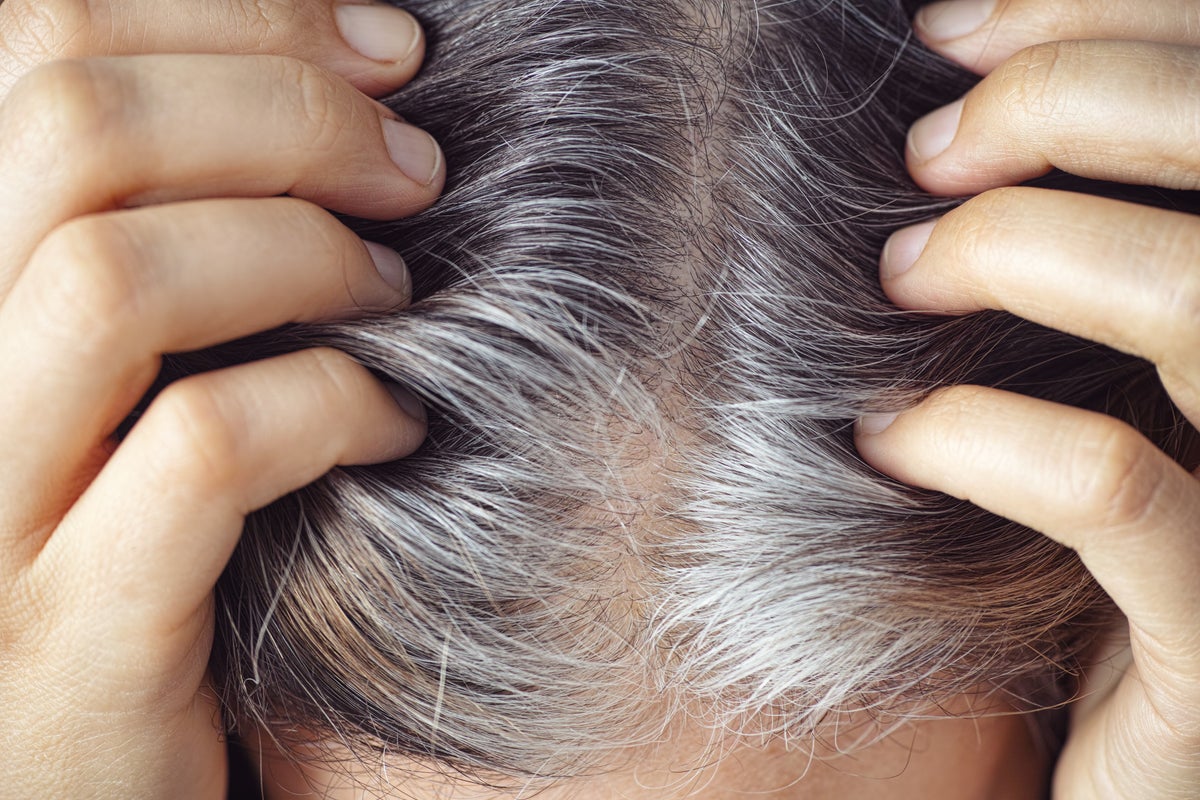
Highlights
- Genetic Influence and Natural Aging: Genetics and the natural decline in melanocyte activity play a primary role.
- Health and Nutritional Factors: Nutrient deficiencies and underlying medical conditions can accelerate graying.
- Environmental and Lifestyle Contributions: Factors such as stress, smoking, UV exposure, and chemical agents contribute to oxidative damage in hair follicles.
Understanding the Causes
Genetics and Natural Aging
The most significant and well-documented factor for graying hair is the natural aging process influenced heavily by genetics. As we age, the melanocytes, which are responsible for producing melanin (the pigment that gives hair its color), gradually decrease in both number and activity. This decline is a natural process that begins at different stages in life—often in the mid-30s for Caucasians, the late-30s for Asians, and the mid-40s for Africans. Additionally, genetic predispositions determine not only the timing but also the pattern and extent of graying. If your parents or grandparents experienced early or premature graying, there is a high likelihood that you may too.
Health and Nutritional Factors
Another important class of causes involves various health-related and nutritional factors:
Nutritional Deficiencies
Deficiencies in essential vitamins and minerals, such as vitamin B12, folic acid, iron, copper, and zinc, have been correlated with the premature loss of hair pigment. These nutrients play important roles in hair health and melanin production. For instance, a chronic lack of vitamin B12 can lead to rapid changes in hair pigmentation in some individuals.
Medical Conditions
Certain medical conditions can also disrupt the melanin production mechanism within hair follicles. Notable among these are thyroid disorders (both hypo- and hyperthyroidism), autoimmune diseases such as vitiligo and alopecia areata, and other systemic conditions. In these situations, the immune system may mistakenly target or damage the melanocytes, leading to patchy or complete loss of pigment. In addition, hormonal imbalances often associated with these conditions can further affect the health of hair follicles.
Environmental and Lifestyle Contributions
External or extrinsic factors have also been identified as contributing agents to graying hair through various mechanisms:
Stress and Oxidative Damage
Several studies have suggested that high levels of stress may play an indirect role in premature graying. Chronic stress is thought to trigger the production of free radicals and oxidative stress, which in turn can damage melanocyte stem cells. This damage may accelerate the depletion of these vital cells responsible for pigmentation. However, while stress is a contributing factor, it is usually not the sole cause; rather, it exacerbates other underlying predispositions.
Smoking and Pollution
Smoking is strongly associated with an increased risk of premature graying. The toxins present in cigarette smoke induce oxidative stress, which damages the hair follicles and accelerates the loss of pigment. Similarly, exposure to environmental pollutants and UV rays can inflict oxidative damage on the skin and hair cells, further accelerating the graying process.
Chemical Exposures
Regular exposure to harsh chemicals—be it from certain hair dyes, styling products, or environmental toxins—can adversely affect the melanocytes. Chemical damage can lead to a reduction in melanin production or even complete destruction of these pigment-producing cells, thus contributing to the graying phenomenon.
A Comparative Look: Intrinsic vs. Extrinsic Factors
The causes of graying hair can be broadly categorized into intrinsic (internal) and extrinsic (external) factors. The table below summarizes these causes, offering a clear visual comparison between the two categories and their specific contributors.
| Intrinsic Factors | Extrinsic Factors |
|---|---|
|
|
Detailed Analysis of Contributing Factors
Melanocyte Function and Decline
Melanocytes are specialized cells located in the hair follicles that produce melanin. As individuals age, these cells naturally reduce in number or their function declines, leading to a gradual decrease in hair pigmentation. The rate of loss is influenced by genetic predispositions and can vary widely among individuals. A decline in melanocyte function is the primary driver for the transition from pigmented hair to gray or white hair.
Role of Free Radicals and Oxidative Stress
One of the key mechanisms underlying premature graying involves oxidative stress. Free radicals are unstable molecules that can damage cellular structures, including melanocyte stem cells. Chronic exposure to stress, pollutant particles, UV radiation, and chemical toxins can increase the production of free radicals, overwhelming the body's natural antioxidant defenses. This results in accelerated cellular damage and contributes to the premature cessation of melanin production.
Impact of Lifestyle Choices
Lifestyle decisions significantly influence the graying process. Smoking, for example, introduces a wide range of toxins into the bloodstream that impact not only overall health but also the integrity of hair follicles. Similarly, poor dietary patterns that fail to supply necessary vitamins and minerals can accelerate the depletion of melanocyte functionality. A balanced diet rich in antioxidants, vitamins, and trace elements may help mitigate some of the adverse effects associated with these external factors.
Influence of Hormonal Changes
Hormonal fluctuations, which occur naturally during life events such as puberty, pregnancy, and menopause, also affect hair pigmentation. Hormones regulate various biological processes including the maintenance of hair follicles. Changes in hormonal balance can interfere with melanin synthesis, thus influencing the timing and progression of graying. This interplay is particularly evident in cases where individuals experience sudden or premature graying, potentially linked to transient hormonal shifts or imbalances.
Interrelationship Between Different Causes
It is important to note that the causes of graying hair are not mutually exclusive. Often, these contributing factors interact in complex ways. For instance, an individual with a genetic predisposition for early graying may be more susceptible to accelerated pigment loss when combined with environmental stressors or nutritional deficiencies. Moreover, ongoing research suggests that interventions addressing stress management, improved nutrition, and reduction in environmental exposures can collectively help delay the visible signs of graying in some instances.
References
- Why Hair Turns Gray - Cleveland Clinic Health Essentials
- Causes and Risk Factors of Gray Hair in Your 20s - Health
- What causes gray hair, and can I stop it? - American Academy of Dermatology
- Going Gray: 15 Facts About Why, How, Genetics, and Hair Care - Healthline
- Why does hair turn gray or white? - Medical News Today
Recommended Related Queries
Last updated March 25, 2025