
Half Slip and Petticoat: Eroticism and Seduction
Exploring the allure and layered significance of undergarments
Key Insights
- Historical and Cultural Journey: Undergarments evolved from practical layering to symbols of femininity and seduction.
- Aesthetic and Sensual Appeal: The choice of fabrics, such as silk and satin, contributes to tactile allure and intimate aesthetics.
- Modern Reinterpretation: Contemporary fashion reclaims these garments as empowering and subtly provocative statements.
The Evolution of Half Slips and Petticoats
Historically, half slips and petticoats originated as essential components of a woman's wardrobe. In earlier centuries, especially from the 16th to the 19th century, petticoats were not only functional garments intended to support the outer layers of dresses but were also carefully crafted decorative elements. They were often made of fine fabrics, embroidered or adorned with lace, and were designed to be visible as part of the overall silhouette of a woman’s outfit.
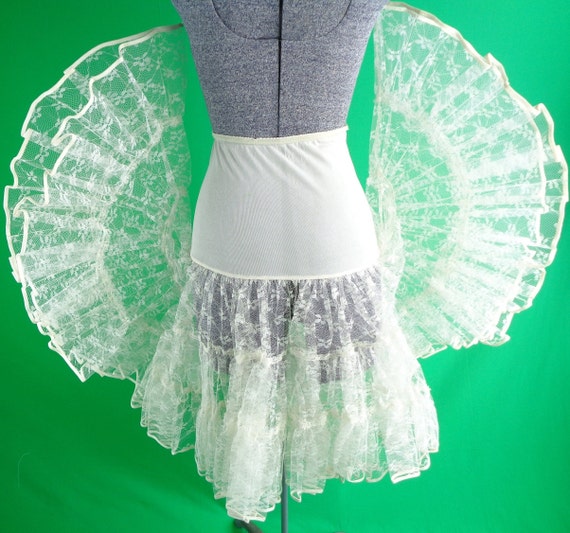
As time progressed into the 20th century, particularly the 1950s, fashion saw a dramatic shift where petticoats were employed to add volume to skirts, creating an iconic hourglass figure. The modern evolution illustrates a move from overt visibility in outer fashion to a more covert charm, where half slips now also serve as foundational undergarments. Their use went beyond utility, embracing notions of glamour, seduction, and an artistic representation of femininity.
Elements Contributing to Eroticism and Seduction
Material and Texture
The fabric choice plays a crucial role in the seductive appeal of half slips and petticoats. Materials like silk, satin, and nylon not only provide a smooth, delicate texture against the skin but also reflect light in ways that emphasize the curvature of a woman’s body. The sensual nature of these materials can evoke intimacy and warmth, contributing to their erotic symbolism. A softly shimmering half slip, for example, can accentuate a body’s natural curves by creating a subtle, tactile contrast between the bare skin and the smooth fabric.
Design and Construction
Detailed embellishments such as lace trimmings, sheer overlays, or delicate embroidery add layers of allure to these garments. The design can range from functional undergarments to more artistically expressive pieces, with certain versions intended solely to evoke vintage charm and an aura of mystery. The meticulous craftsmanship involved in creating a lace-trimmed petticoat or a sheer half slip contributes significantly to both a refined visual appeal and a tangible, sensual experience.
Cultural Significance and Symbolism
Within cultural narratives, half slips and petticoats have been emblematic of traditional notions of femininity. Historically, these garments were embraced not only for their ability to create a desirable silhouette but also for what they represented—a blend of modesty and deliberate allure. In many vintage depictions, the visible glimpse of a slip or the layered depth of a petticoat lent an air of mystery and sensuality to the wearer. In modern contexts, they are sometimes reimagined as empowering items that allow women to express their unique take on sexuality and self-confidence.
The erotic appeal is further enhanced by the subtle interplay between concealment and revelation. A half slip, barely visible beneath a sheer dress, invokes curiosity, suggesting that there is more to be discovered. This discrete display—often associated with empowerment and self-assuredness—has maintained its allure both in private and in broader cultural expressions such as vintage-inspired photography, cinema, and fashion.
Modern Reinterpretation in Fashion and Lingerie
Today, the reinterpretation of petticoats and half slips often appears in modern lingerie designs. Contemporary fashion seamlessly integrates these garments into intimate apparel that champions both nostalgia and modernity. Designers have harnessed their historical charm, combining it with modern fabrics and innovative cuts to produce pieces that are both comfortable and overtly sensual.
In modern lingerie, the design of these undergarments directly addresses themes of female empowerment and self-expression. The layered nature of wearing a half slip or a petticoat symbolizes a layered personality—one that embraces complexity, delicacy, and bold sensuality simultaneously. This dual use, blending practicality with overt sensual styling, has made them a recurrent choice among those wishing to evoke a sense of refined seduction.
Comparative Analysis: Half Slip vs. Petticoat
| Aspect | Half Slip | Petticoat |
|---|---|---|
| Purpose | Designed chiefly as an undergarment to provide a smooth foundation under skirts or dresses, often enhancing the body’s curves. | Traditionally used to add volume and shape to skirts and dresses; also serves as a decorative and functional layering garment. |
| Fabric | Commonly made of silk, satin, or nylon to ensure a sleek texture and subtle shine. | May be constructed from similar materials, with variations including cotton or lace for enhanced decorative appeal. |
| Design Elements | Might feature minimal lace trim or sheer designs that hint at the wearer's silhouette. | Often more structured with layers; can include elaborate embroidery or decorative ruffles. |
| Sensual Appeal | The understated exposure of a half slip can create an intimate invitation, emphasizing curves and enabling a glimpse of texture. | The dramatic layering effect of a petticoat contributes to a vintage and romantic allure, often evoking nostalgia and subtle seduction. |
Eroticism and the Power of Aesthetic Suggestion
The Role of Suggestion in Sensuality
Erotic appeal is not solely about what is overtly shown but often about the promise of what lies beneath. In the case of half slips and petticoats, their seductive power stems from an interplay of concealment and revelation. A barely visible slip under a delicately embroidered petticoat can evoke curiosity and a subtle allure that teases without fully exposing. This effect, rooted in the idea of aesthetic suggestion, places emphasis on both visual and tactile stimuli, further engaging the viewer's imagination.
Empowerment and Self-Expression
In modern fashion discourse, wearing these traditionally feminine garments is also seen as a form of empowerment. Women leverage the sensual aesthetics of half slips or petticoats not merely as objects of seductive appeal but as expressions of identity and personal agency. The act of selecting a specific style, fabric, or design allows for a tailored expression of both vulnerability and strength, creating a dynamic interplay between self-presentation and societal norms.
This intersection of historical tradition and modern reimagination provides a rich canvas for exploring themes of eroticism. Whether artfully styled to embrace classic aesthetics or integrated into a modern wardrobe for everyday elegance, these garments enable a redefinition of sensuality—empowering wearers in their journey toward self-confidence and individual expression.
References
- Petticoat - Wikipedia
- 1950s Petticoat History - Vintage Dancer
- History of the Slip - High Latitude Style
- Slip (clothing) - Wikipedia
-
Why Every Woman Needs a Half Slip - Nylonnostalgia
Recommended Inquiries
Last updated March 11, 2025