
Halogenation: Environmental and Sustainability Perspectives
Exploring the Process, Its Impact, and Best Practices for a Greener Future
Key Takeaways
- Raw Material Concerns: The sourcing and handling of elemental halogens and organic substrates are associated with significant environmental risks.
- Process Flow and Industrial Applications: Halogenation plays a crucial role in producing vital products for pharmaceuticals, agrochemicals, polymers, and advanced materials with a need for strict control and sustainable design.
- Final Product Handling and Environmental Safety: Proper storage, handling, and lifecycle management are essential to reduce harmful emissions and waste while adopting green chemistry strategies.
Introduction
Halogenation is a pivotal unit process in the chemical industry that facilitates the incorporation of halogens—chlorine, bromine, fluorine, and iodine—into organic compounds. This process underpins the production of several essential materials used in modern applications ranging from pharmaceuticals to agrochemicals and polymers. However, the complex interplay between operational efficiency and environmental responsibility makes halogenation a subject of intense scrutiny. Companies and researchers are increasingly focusing on both the sustainability challenges and potential mitigation strategies required to minimize the environmental impact of halogenation.
This exploration will cover multiple facets of the process: from the raw material considerations, through industrial application with a detailed process flow diagram (PFD), to the final stages of product storage, handling, and usage. Through this detailed synthesis, we will investigate the sustainability issues inherent in halogenation and discuss strategies that the industry is developing to address these concerns, all while maintaining a safe and high-quality output.
Raw Material Considerations
Sourcing and Handling of Halogens
Raw material management in halogenation significantly impacts the overall environmental footprint of the process. Halogenation typically involves the use of elemental forms of halogens—such as chlorine, bromine, fluorine, and iodine—or hydrogen halides. These materials are often highly reactive and dangerous if not managed correctly.
The extraction and procurement of halogen sources can lead to environmental degradation if adequate safety and recycling measures are not in place. For instance, the production of elemental chlorine often involves processes that are energy-intensive and risk releasing toxic byproducts if containment is not strictly enforced.
Environmental and Safety Concerns
Many of these halogens are toxic and corrosive. When they are used as reagents, they have the potential to cause air and water pollution if accidentally released. The handling and storage of these raw materials require rigorous safety protocols including:
- Use of appropriate personal protective equipment (PPE) for workers.
- Implementation of secondary containment measures to prevent accidental leaks.
- Strict adherence to environmental regulations during transportation and storage.
To address these challenges, there is an increasing trend towards utilizing greener alternatives and safer reagents. Responsible sourcing, recycling, and efficient management of byproducts serve as foundational practices in reducing the overall environmental risk linked to raw materials.
Industrial Application with Process Flow Diagram (PFD)
Industrial Significance and Process Overview
Halogenation is integral to various industrial applications. Its applications span the production of pharmaceuticals, agrochemicals, polymers, and flame retardants. The process typically involves a series of well-controlled steps ranging from raw material preparation to reaction execution and finally separation and product formulation.
Typical Process Flow Diagram
A standard halogenation process, depicted in a simplified Process Flow Diagram (PFD), may include the following steps:
| Stage | Description |
|---|---|
| Raw Material Preparation | The preparation phase involves the careful handling of organic substrates and halogen sources under controlled conditions. Maintaining an inert atmosphere prevents premature reactions and ensures safety. |
| Reaction Stage (Halogenation Reactor) | The core of the process where halogen atoms are introduced into the organic compound. This stage is highly exothermic and requires precise control of temperature, pressure, and catalyst introduction. Built-in safety features, such as scrubbers, help capture harmful off-gases. |
| Separation and Purification | Once the reaction is complete, the mixture is processed to separate desired products from byproducts using techniques like extraction, distillation, or chromatography. |
| Product Formulation | The purified compound is formulated into its final form, sometimes involving the addition of stabilizers to improve its shelf life and performance. |
| Final Product Storage and Packaging | The final product is stored under controlled conditions to avoid chemical degradation or accidental reactions. Packaging is designed to be environmentally responsible, minimizing further environmental harm. |
The above table encapsulates the critical steps and highlights where environmental controls are essential. Emphasis on robust safety measures during the reaction and purification stages is crucial for preventing hazardous releases.
Process Intensification and Continuous Flow Chemistry
One of the promising strategies to enhance sustainability in halogenation is the adoption of continuous flow chemistry. Compared to traditional batch processing, continuous flow systems offer improved control over reaction conditions, reducing energy consumption and minimizing waste. Continuous flow setups—a form of process intensification—allow for smaller reactor volumes, thereby reducing the hazards associated with handling large quantities of reactive chemicals.
Advanced techniques also involve integrating real-time monitoring and automation to adjust process parameters dynamically. This not only improves the overall safety of the process but also optimizes resource use and reduces environmental impact. Continuous flow technology exemplifies the industry's move toward greener, more efficient industrial applications.
Final Product Storage, Handling, and Uses
Storage Requirements and Safety Protocols
Post-reaction, the halogenated compounds produced require special attention in terms of storage and handling. Due to their reactive nature and potential toxicity, these compounds must be stored in environments that minimize the risk of accidental exposure or environmental contamination.
Storage Facilities
The storage facilities for halogenated products are typically designed with an emphasis on secondary containment, ensuring that any possible leaks are managed effectively. Many such facilities employ:
- Temperature control to avoid decomposition or runaway reactions.
- Humidity control and light protection to maintain the stability of the stored compounds.
- Secondary containment systems that capture any spills or leaks, thus protecting the surrounding environment.
Furthermore, adherence to labeling protocols and safe handling instructions is crucial for both on-site personnel and downstream users. These measures reduce the risk associated with storage and transport, thus mitigating potential environmental hazards.
Handling Procedures and End-Use Applications
Handling procedures include the mandatory use of PPE, environmental monitoring, and comprehensive emergency response plans. Workers are trained to manage the chemicals efficiently, ensuring that accidental exposures or leaks are minimized. This rigorous approach is essential for maintaining a safer operational environment.
Industrial Uses and Environmental Impact
The end-use applications of halogenated compounds are extensive. They serve as intermediates or final products in:
- Pharmaceutical manufacturing: Ensuring the efficacy and stability of drugs.
- Agrochemical production: Creating pesticides and herbicides with specific reactive properties.
- Polymer chemistry: Formulating polymers that require halogenated groups for performance characteristics such as flame retardancy.
- Electronic materials: Enhancing properties in the production of high-performance components.
Despite their broad utility, these compounds pose notable environmental challenges. Inappropriate disposal practices or accidental releases can lead to persistent environmental pollution. Halogenated byproducts and waste compounds are often resistant to degradation, which can result in long-term contamination of soil and water. Advanced treatment methods including incineration, neutralization, and acid gas scrubbing have been developed and integrated as part of waste management strategies.
Sustainability and Environmental Concerns
Waste Minimization and Lifecycle Assessment
A significant aspect of sustainability in halogenation is the systematic minimization of waste. Industries are increasingly focusing on processes that optimize the use of raw materials and reduce byproducts. Effective waste management involves:
- Implementing recycling strategies for halogenated waste streams.
- Using catalysts and solvents that minimize the formation of toxic byproducts.
- Adopting comprehensive lifecycle assessments (LCA) to evaluate the full impact from the extraction of raw materials to the final disposal of products.
Lifecycle assessments help in identifying stages of the process where improvements can be made to reduce energy and resource intensity. These assessments provide a holistic view of the environmental ramifications of halogenation and help in guiding regulatory and innovation efforts.
Regulatory Compliance and Industry Best Practices
Regulations play a crucial role in steering the halogenation process towards sustainability. Environmental agencies worldwide enforce strict guidelines on the storage, handling, and disposal of halogenated compounds. This regulatory framework is designed to protect both human health and the environment by:
- Mandating the use of Best Available Techniques (BAT) to minimize harmful emissions.
- Imposing limits on volatile organic compounds (VOCs) and other hazardous substances.
- Ensuring that companies maintain robust monitoring and emergency response protocols.
Furthermore, the principles of green chemistry are increasingly implemented to drive innovation. This includes maximizing atom economy, designing safer chemicals, and reducing the overall generation of hazardous waste. The shift towards sustainable methodologies in halogenation not only benefits the environment but also enhances operational safety and cost efficiency in the long-run.
Innovative Solutions and Future Directions
The challenges associated with halogenation have spurred considerable innovation aimed at reducing its environmental impact. Several promising approaches include:
- Less Aggressive Reagents: Research is ongoing into alternative halogen sources that are less aggressive and potentially less harmful. These alternatives may offer improved safety profiles while achieving the desired chemical modifications.
- Flow Chemistry Technologies: As noted earlier, continuous flow systems provide enhanced reaction control. Their ability to safely handle reactive intermediates while reducing waste is a key factor in sustainable process design.
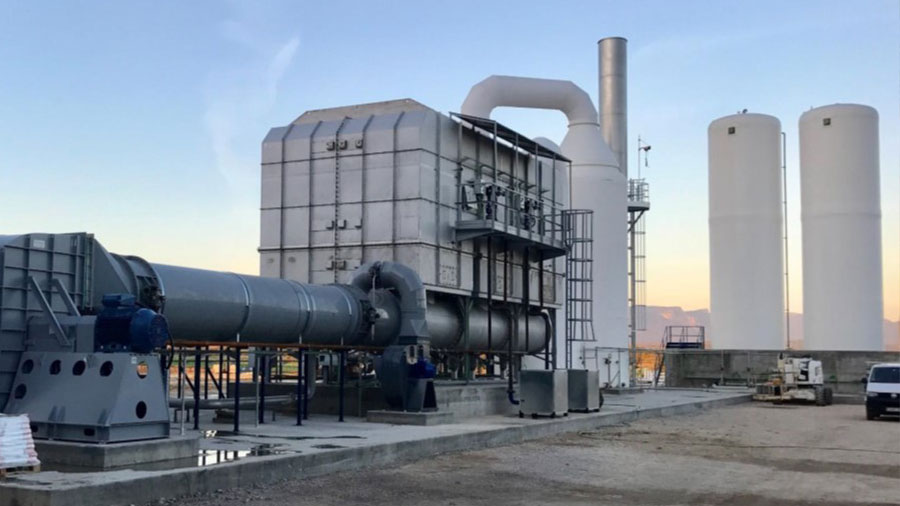
- Advanced Waste Treatment: Integrating cutting-edge waste treatment processes, such as regenerative thermal oxidizers (RTOs) and acid gas scrubbing, minimizes the release of hazardous byproducts. These technologies are becoming standard practice in modern halogenation setups.
- Green Solvents and Catalysts: The use of recyclable catalysts and benign solvents contributes significantly to the overall sustainability profile of halogenation. These materials help in reducing waste generation and lower the environmental footprint.
Continuous R&D in these areas underlines the commitment of the chemical industry to sustainable growth. The combined focus on environmental protection, worker safety, and product quality is driving a new era of industrial chemistry where efficiency and sustainability go hand in hand.
Comparative Analysis and Summary Table
The following table summarizes key aspects of the halogenation process along with associated sustainability and environmental considerations:
| Aspect | Description | Sustainability Issues |
|---|---|---|
| Raw Materials | Use of elemental halogens and organic substrates; production may involve hazardous reagents. | Toxicity, energy-intensive extraction, risk of accidental release, and recycling challenges. |
| Process Flow (PFD) | Stages include raw material preparation, reaction in halogenation reactors, separation/purification, product formulation, and storage/packaging. | Risk management during exothermic reactions, containment of hazardous off-gases, and waste stream management. |
| Final Product Storage | Requires controlled environments with secondary containment systems to prevent environmental contamination. | Proper temperature, light, and moisture controls are necessary; risk of persistent environmental toxicity upon inadvertent release. |
| Handling & Uses | Applications in pharmaceuticals, agrochemicals, polymers, and electronics require careful usage and disposal. | Emphasis on safe handling protocols, adherence to environmental regulations, and integration of waste treatment technologies. |
Conclusion
In conclusion, halogenation remains an essential but challenging process within the chemical industry. Its ability to modify organic molecules makes it vital for producing high-demand products across several sectors. However, the environmental and sustainability issues linked with this process necessitate a holistic approach that addresses everything from raw material sourcing to process intensification and safe final product management.
Emphasizing safe handling protocols, efficient reactor designs such as continuous flow systems, and environmental-friendly waste treatment strategies, the industry is making significant strides in reducing the ecological impact of halogenation. These efforts, grounded in the evolving principles of green chemistry and regulatory mandates, ensure that both the environment and human health remain protected while industrial productivity improves. The continual integration of innovative technologies further promises advancements that may lead to even less hazardous and more sustainable halogenation practices in the future.
References
- Green and Sustainable Halogenation Processes - RSC Publishing
- Halogenation and Sustainability - Chemistry For Sustainability
- A Green and Sustainable Approach for Selective Halogenation of Anilides - Wiley Online Library
- Green and Sustainable Halogenation Processes - The University of Brighton
More
Last updated February 19, 2025