
Environmental and Sustainability Issues of Halogenation
Exploring raw materials, industrial processes, and sustainable practices
Key Takeaways
- Integrated Lifecycle Analysis: Assessing raw material extraction, processing, and final handling to minimize environmental footprints.
- Innovative Process Engineering: Employing advanced technologies, including continuous flow systems and microreactor technologies, to enhance efficiency and reduce energy consumption.
- Sustainable Handling Practices: Implementing safe storage, rigorous waste management protocols, and developing halogen-free alternatives to mitigate environmental risks.
Introduction
Halogenation, the process of incorporating halogen atoms (such as chlorine, bromine, fluorine, and iodine) into organic compounds, plays a crucial role in various industrial sectors. Its applications range from the synthesis of pharmaceuticals and agrochemicals to the use in materials science and electronics. However, the environmental and sustainability concerns associated with halogenation span the entire lifecycle of the process—from raw material extraction to industrial processing, final product handling, and eventual applications. Balancing the benefits of halogenated compounds with a commitment to sustainable practices is essential in reducing ecological impacts and ensuring safer industrial operations.
Raw Materials and Sustainability
Sourcing Hazards and Resource Considerations
The use of raw materials in halogenation typically involves elemental halogens (chlorine, bromine, etc.) or hydrogen halides, which are extracted from either natural deposits or produced via industrial processes such as the electrolysis of brine. This extraction process is often energy intensive and involves potentially hazardous chemicals. The environmental implications include:
- Resource Scarcity: Many halogen sources are nonrenewable, making sustainable management critical to avoid depletion. Extraction methods require considerable energy, heightening the overall carbon footprint.
- Ecological Impact: Mining and extraction can disrupt local ecosystems, potentially leading to soil and water contamination, which in turn affects flora and fauna. Pollution control measures must be integrated into the extraction processes whenever possible.
- Safety Concerns: The handling of corrosive and toxic halogen elements demands stringent safety protocols to prevent accidental releases and hazardous exposures.
Green Chemistry Initiatives
To address these challenges, the advancement of green chemistry has focused on:
- Utilizing renewable feedstocks to decrease dependency on fossil based resources.
- Implementing energy-efficient extraction techniques to reduce the overall energy demand.
- Developing safer and more sustainable halogenation reagents that minimize toxic by-product formation.
Industrial Application and Process Flow Diagram (PFD)
Overview of Industrial Halogenation Processes
In industrial settings, halogenation is incorporated into manufacturing processes that yield compounds for a diverse array of applications, including:
- Pharmaceuticals: Modifying drug molecules to enhance metabolic stability and binding specificity.
- Agrochemicals: Synthesizing compounds that serve as effective pesticides or growth regulators.
- Materials: Producing specialty chemicals that contribute to high-performance materials, such as flame retardants and solvents.
The process is generally carried out in controlled reactors—either in batch or continuous modes—and involves careful monitoring of chemical reactions. A typical industrial setup follows these stages:
Stage 1: Raw Material Preparation
In this initial stage, raw materials such as organic substrates and halogen sources undergo pre-treatment. This may involve purification steps to remove impurities that could interfere with the reaction process. The preparation of these materials is essential to ensure that the reaction proceeds with high selectivity, particularly when the goal is to produce mono-halogenated products.
Stage 2: Reaction Stage
The core halogenation reaction is conducted in reactors where precise control over temperature, pressure, and concentration ensures optimum conversion rates while limiting the production of unwanted by-products. Several technological advancements have paved the way for more sustainable industrial halogenations, including:
- Continuous Flow Systems: These systems allow for better reactant handling and improved atom economy, which minimizes waste generation.
- Microreactor Technology: Limiting the reaction scale to a micro level enhances the control of reaction conditions, reduces energy consumption, and provides safer processing options.
- Electrochemical Methods: Certain halogenation processes employ electrochemical techniques that operate at lower temperatures and generate fewer hazardous by-products.
Stage 3: Separation and Purification
After the halogenation reaction, separation units such as distillation columns or extraction units are employed to isolate the desired product. Effective separation is crucial as it ensures regulatory standards are met in terms of product purity and safety. The purification stages also involve recycling unreacted materials and managing waste streams in an environmentally responsible manner.
Stage 4: Waste Treatment
Waste treatment is a necessary step to manage any hazardous by-products or unreacted halogens. Advanced scrubbing systems or catalytic converters are often used to capture and neutralize harmful emissions before they are released into the atmosphere. Designs now emphasize zero or minimal waste processes, integrating life cycle assessments (LCA) to continuously monitor and reduce environmental impacts.
Stage 5: Final Product Storage and Distribution
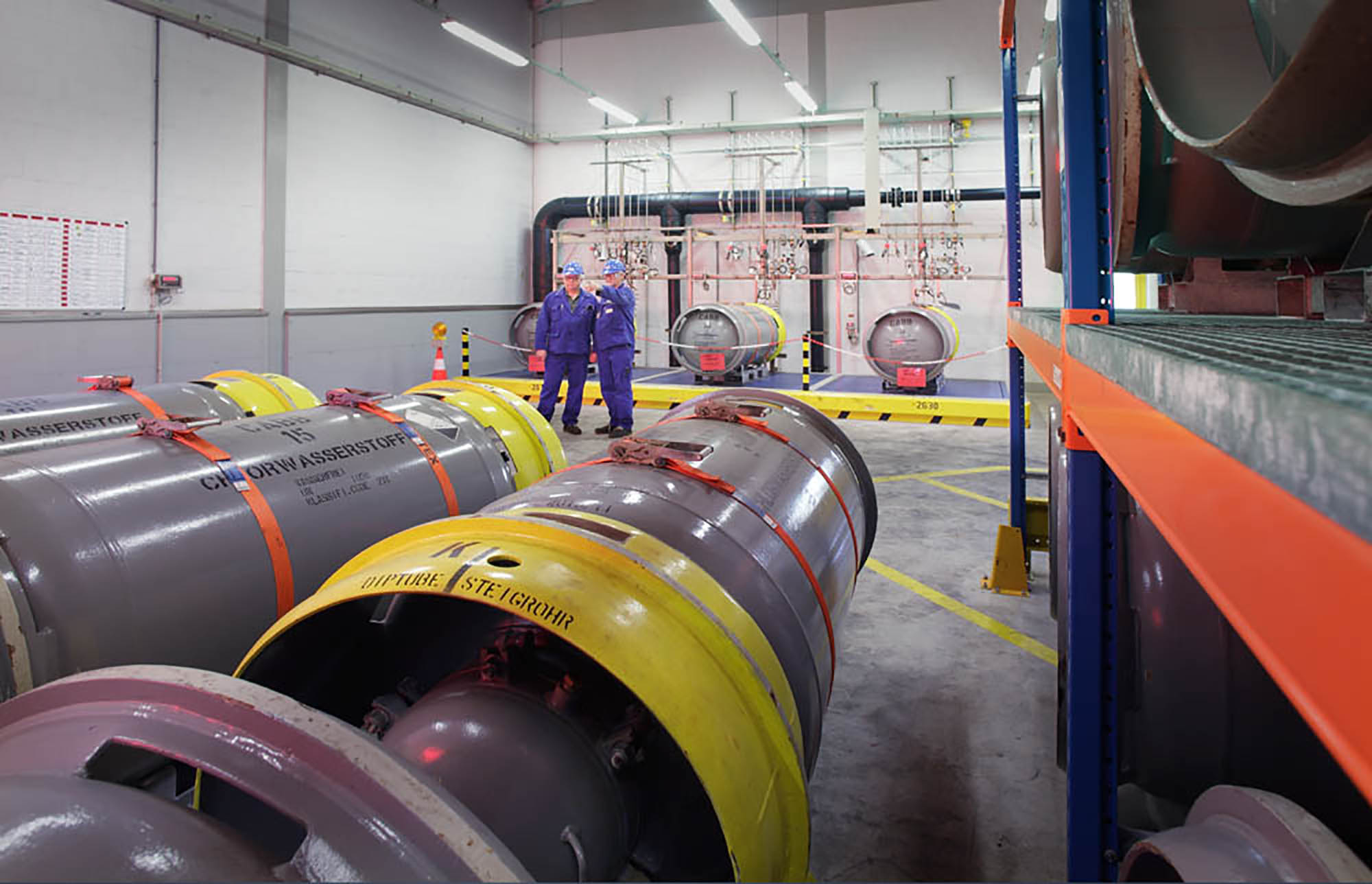
Once purified, the halogenated compounds are stored under conditions tailored to their chemical reactivity. Storage facilities are built with corrosion-resistant materials, temperature and humidity control systems, and proper containment measures to prevent leakage. Many facilities now employ automated monitoring systems for safe handling and rapid response in case of emergencies.
Process Flow Diagram (PFD) Overview
The following table provides a simplified overview of a typical industrial halogenation process:
| Stage | Description | Key Considerations |
|---|---|---|
| Raw Material Intake | Reception and pre-treatment of organic substrates and halogen sources | Purity, energy input, resource sourcing |
| Reaction | Controlled addition of halogen to the organic molecule in a reactor | Temperature, pressure, reaction time, catalyst use |
| Separation & Purification | Distillation, extraction and crystallization to isolate the product | Purity requirements, waste recycling, energy efficiency |
| Waste Management | Neutralization and treatment of by-products and unreacted chemicals | Emission control, recycling strategies, regulatory compliance |
| Product Storage & Distribution | Secured storage under tailored conditions for safe transportation | Containment, temperature control, hazard prevention |
This diagram emphasizes the critical integration of safety and sustainability practices at each stage of the halogenation process, ensuring that environmental footprints are minimized while maintaining production efficiency.
Final Product Storage, Handling, and Uses
Storage and Handling Protocols
Storage and handling of halogenated compounds are as crucial as the production process itself. Given the inherent toxicity and potential environmental persistence of many halogenated substances, stringent measures are employed:
- Specialized Containment: Storage tanks and containers are constructed from materials that resist corrosion and chemical degradation, ensuring that the compounds are securely contained.
- Controlled Atmospheres: Many compounds are stored under inert atmospheres or with strict temperature and humidity controls to prevent degradation and accidental reactions.
- Spill Containment Systems: Facilities incorporate secondary containment measures and emergency shutdown systems to manage accidental releases and prevent environmental contamination.
- Automated Safety Monitoring: Remote sensors and automated response systems are employed to detect and manage any unsafe conditions, thereby reducing potential human exposure.
Practical Uses of Halogenated Compounds
Halogenation extends its utility across numerous sectors. Some of the most prominent applications include:
- Pharmaceutical Applications: Introducing halogens into drug molecules often enhances their efficacy by increasing the stability and binding capabilities, leading to improved pharmacokinetic profiles.
- Agrochemicals: Halogenated pesticides and herbicides play a critical role in agricultural practices by improving pest control while driving development toward safer, more sustainable variants.
- Material Science: Halogenated polymers and flame retardants have improved thermal stability and performance, making them indispensable in electronics, construction, and manufacturing sectors.
- Solvents and Intermediates: Numerous industrial solvents, such as chlorinated hydrocarbons, are critical in process industries due to their ability to dissolve a wide range of substances, facilitating improved reaction conditions and purification processes.
Given the wide-ranging applications, industries are continually driven by both regulatory standards and market demands to improve the safety profile and overall sustainability of halogenated compounds. Transitioning to halogen-free or minimally halogenated alternatives is also gaining traction, especially in fields where environmental impact and recyclability are paramount.
Environmental and Sustainability Considerations
Lifecycle Assessment and Emission Controls
A comprehensive approach to sustainability in halogenation begins with a full lifecycle assessment (LCA). This assessment covers every phase including raw material extraction, industrial processing, product usage, and eventual disposal. Key aspects include:
- Emission Control Strategies: Integration of technologies such as regenerative thermal oxidizers (RTOs) and advanced scrubbing systems to neutralize volatile organic compounds (VOCs) and corrosive halogenated by-products.
- Waste Minimization: Adoption of continuous flow chemical processes and microreactor technologies reduces the volume of hazardous waste produced during the reaction, allowing for effective recycling and safe disposal.
- Regulatory Compliance: Strict adherence to international and regional guidelines—such as those stipulated by major environmental agencies—ensures that industrial practices meet or exceed safety and emission standards.
- Innovation in Green Chemistry: Emerging techniques, such as photocatalytic halogenation and the use of non-corrosive halogen sources, contribute to safer and more sustainable industrial practices by reducing energy consumption and chemical hazards.
Addressing Industrial Challenges
The industrial halogenation process is inherently associated with potential risks that require carefully designed safety protocols:
- The process conditions (temperature, pressure, and reaction time) must be optimized to avoid runaway reactions or the formation of toxic by-products such as dioxins and furans.
- Advanced automation and process control are increasingly being integrated into halogenation systems to maintain safe operational conditions while enhancing process efficiency.
- Specialized training for personnel and the use of personal protective equipment (PPE) are critical components in ensuring that the handling and storage of halogenated compounds do not pose risks to human health or the environment.
These measures, when combined with the ongoing innovations in process design and waste management, underscore a commitment to both operational safety and environmental stewardship, ensuring that the benefits of halogenation are realized without compromising the health of ecosystems.
Conclusion
In conclusion, halogenation remains an indispensable process in many industrial sectors, particularly in pharmaceuticals, agrochemicals, materials science, and electronics. However, its environmental and sustainability challenges span the entire lifecycle—from raw material sourcing and industrial processing to the final stages of product storage, handling, and end-use applications. Emphasis on green chemistry, lifecycle assessments, and continuous technological innovations have enabled the industry to mitigate hazardous impacts. By adopting integrated process flow designs, employing safer and more sustainable reagents, and rigorously controlling emissions and waste, industries are moving toward more sustainable halogenation practices. This balance between industrial efficiency and environmental responsibility is critical for the future, ensuring that the benefits of halogenation can continue to be harnessed while protecting our ecosystems and public health.
References
- Electrochemical Halogenation of Phenol Using a Chromium Catalyst at 80°C - Global Scientific Journal
- Green and Sustainable Halogenation Processes - RSC Books
- Halogenation of Organic Compounds using Microreactor Technology - Royal Society of Chemistry
More
Last updated February 19, 2025