
Hammer Toe: Causes, Symptoms, and Treatments
A comprehensive guide to understanding and managing hammer toe deformity
Key Highlights
- Causes: Poorly fitting shoes, muscle imbalances, injuries, and underlying conditions like arthritis.
- Symptoms: Pain, stiffness, corns or calluses, and limited mobility in the affected toes.
- Treatment Options: Both non-surgical (footwear changes, orthotics, exercises) and surgical interventions are available depending on severity.
Understanding Hammer Toe
What is Hammer Toe?
Hammer toe is a common foot deformity characterized by an abnormal bend in one or more toes, often affecting the second, third, or fourth toes. The condition involves a flexion at the middle joint of the toe, which gives it a shape resembling a hammer or claw. While it may initially appear as a flexible deformity, prolonged muscle imbalance or injury can lead to a rigid and fixed position.
The deformity results from an imbalance between the muscles, tendons, and ligaments surrounding the toe joint. When one or more of these structures become overactive or weakened, the toe can bend unnaturally, leading to the characteristic appearance of a hammer toe.
Types of Hammer Toe
Hammer toe can be classified based on its flexibility and severity:
- Flexible Hammer Toe: The affected toe still has some range of motion and may correctable with non-surgical methods.
- Semi-rigid Hammer Toe: The toe shows partial flexibility, but conservative treatments might only provide limited relief.
- Rigid Hammer Toe: The toe is permanently fixed in a bent position, often requiring surgical intervention to restore proper alignment.
Causes of Hammer Toe
Primary Causes
Several factors contribute to the development of hammer toe. The primary cause often involves external factors such as footwear, which over time can force the toes into an unnatural position:
- Ill-Fitting Shoes: Footwear that is too tight, too short, or features a high heel can crowd the toes. This constant pressure forces the toes into a bent position, contributing to the development of hammer toe.
- Muscle Imbalances: An imbalance or weakness in the toe muscles is a frequent contributor. Overuse or improper foot mechanics can lead to tightness in the tendons, eventually locking the toe into a deformed shape.
- Injury or Trauma: Repeated minor injuries, stubbing, or fractures in the toes can precipitate hammer toe. Trauma may initially alter the strength and positioning of the muscles, making the toe more susceptible to permanent bending.
- Underlying Conditions: Diseases such as arthritis, diabetes, or neuromuscular disorders affect the overall function of the muscles and joints. In cases like osteoarthritis, joint degeneration may lead to deformity.
- Congenital Factors: Some individuals may have a natural predisposition to developing hammer toe due to structural differences in their feet, such as a shorter big toe relative to the other toes.
Secondary Influences
Other contributing factors include lifestyle choices and ergonomics. Regular use of high-heeled shoes or footwear without adequate toe space can exacerbate pre-existing conditions, making hammer toe more likely to develop. Additionally, repeated stress on the foot from activities such as running or prolonged standing may further contribute to muscle imbalances.
Symptoms and Diagnosis
Recognizing the Symptoms
Hammer toe manifests through a variety of symptoms, which vary based on the severity of the condition. Early detection and appropriate management are vital for effective treatment.
- Pain and Discomfort: Many patients experience pain when walking or while wearing shoes, particularly if the toe is forced against the inside of the shoe.
- Visible Deformity: Affected toes often appear visibly bent at the middle joint, sometimes forming an upside-down V or hammer-like appearance. In advanced cases, the toe becomes rigid and fixed.
- Corns and Calluses: The abnormal bending of the toe can lead to increased friction and pressure, resulting in the formation of calluses or corns on the top of the toe or underneath the foot.
- Swelling and Inflammation: Chronic pressure on the deformed joint may cause recurring swelling or inflammation.
- Limited Range of Motion: As the condition worsens, the toe’s mobility can be significantly compromised, making it difficult to straighten or properly flex the toe.
Clinical Diagnosis
A healthcare professional typically diagnoses hammer toe through a comprehensive physical examination. The evaluation may involve:
- Visual Inspection: The doctor inspects the alignment and mobility of the toes to determine the degree of deformity.
- Palpation and Range-of-Motion Tests: Assessing the flexibility and pain response of the affected toe helps in identifying the severity of the condition.
- Imaging Tests: X-rays are commonly employed to evaluate bone alignment, joint space, and any possible arthritic changes that may contribute to the deformity.
Treatment Options for Hammer Toe
Non-Surgical Treatments
In many cases, especially in the early stages or when the condition is flexible, non-surgical treatments can effectively manage symptoms and slow progression:
Footwear Modification
One of the primary recommendations is to switch to properly fitting shoes. Footwear with a wide, deep toe box helps reduce pressure on the toes. In addition:
- Shoes with low heels or flat soles further prevent undue stress on the toes.
- Avoidance of pointed, narrow shoes is advised.
Orthotic Devices and Padding
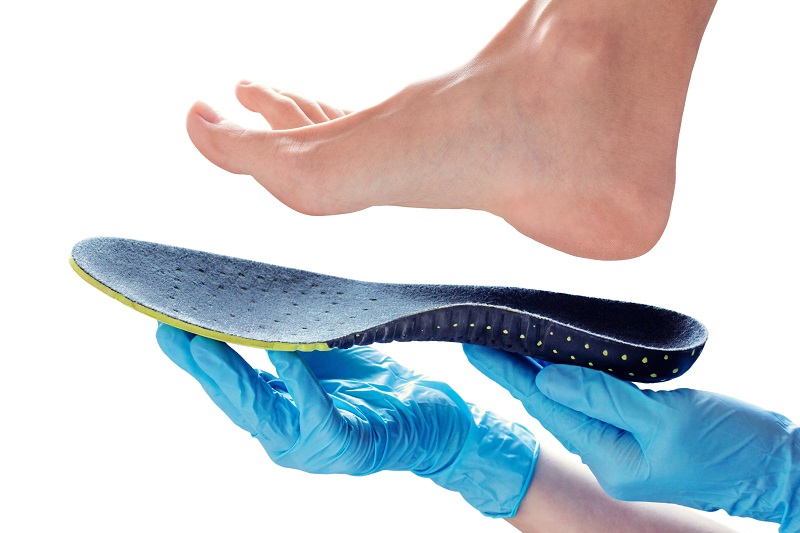
Custom orthotics or shoe inserts are often prescribed to improve foot alignment and reduce friction on the affected toe. These devices help distribute pressure more evenly across the foot, alleviating pain in localized areas.
Exercises and Stretching
Specific toe exercises can strengthen the muscles and improve flexibility. Recommended exercises typically include:
- Toe Stretching: Gently stretching the toe muscles can help reduce contractures.
- Towel Curls: Using the toes to scrunch up a small towel helps improve muscle strength.
- Marble Pickups: This exercise involves picking up marbles with the toes to enhance dexterity and muscle coordination.
Medications
For managing pain and inflammation, nonsteroidal anti-inflammatory drugs (NSAIDs) can provide temporary relief. These medications help reduce swelling and discomfort, making daily activities more manageable.
Surgical Interventions
When conservative treatments do not yield sufficient results or the hammer toe is significantly rigid, surgical options may be considered. Surgical procedures aim to realign the toe and restore its natural position. Common surgical interventions include:
- Tendon Release: This procedure involves releasing the contracted tendons that are pulling the toe into a bent position.
- Bone Resection or Arthroplasty: In cases where joint deformities are severe, a small portion of the bone may be removed to allow for better alignment. This is often combined with tendon balancing techniques to maintain correction.
- Joint Fusion: Restricted joint motion which causes persistent pain might be remedied by fusing the joint, thereby stabilizing the toe in a more functional position.
Managing and Preventing Hammer Toe
Lifestyle and Preventive Strategies
Prevention and early management of hammer toe are crucial in reducing the need for surgery. Implementing the following lifestyle modifications can help minimize the risk of developing this painful deformity:
- Choose Proper Footwear: Prioritize shoes with ample toe space, low heels, and ergonomic design to decrease the risk of compressing the toes.
- Regular Foot Care Routine: Inspect your feet periodically for early signs of deformity, callus formation, or swelling. Prompt attention to these symptoms can prevent further progression.
- Maintain Foot Strength: Engage in exercises that promote overall foot strength and flexibility to keep the muscles balanced and active.
- Address Underlying Conditions: Manage chronic conditions such as arthritis or diabetes, as they can contribute to deformities if left unchecked.
When to Seek Professional Help
It is important to seek evaluation by a healthcare professional if:
- The toe deformity is accompanied by significant pain or discomfort during daily activities.
- You develop persistent corns and calluses, indicating ongoing friction and pressure on the affected area.
- You notice a progressive loss of mobility in the toe, which may eventually affect your gait and overall foot mechanics.
- Conservative treatments, such as changing footwear and exercises, fail to improve the condition.
A Detailed Look at the Foot Mechanics
Anatomical Perspective
Understanding the structure of the foot is essential in comprehending how hammer toe develops. The foot comprises multiple bones, joints, muscles, tendons, and ligaments that work together to maintain balance, support body weight, and facilitate movement. In hammer toe:
- The middle joint of the toe becomes the focal point of the problem, as the imbalance between the extensor (muscle that straightens the toe) and flexor (muscle that bends the toe) groups leads to the persistent bending of the toe.
- This misalignment disrupts the natural biomechanics of the foot, potentially leading to issues in other parts of the leg such as the ankle, knee, or even the lower back due to altered gait patterns.
Impact on Daily Functionality
Hammer toe extends beyond a cosmetic concern. Patients often experience:
- Gait Abnormalities: The deformed toe can interfere with the normal walking pattern, causing compensatory stresses on adjacent joints and muscles.
- Activity Limitations: Pain and stiffness may force patients to limit their activities, which in turn can affect overall mobility and quality of life.
- Secondary Pain: Altered foot mechanics can also lead to secondary pain in other areas of the body, including the ankles, knees, or hips.
Comparative Analysis Table
| Aspect | Description | Key Factors |
|---|---|---|
| Definition | A deformity characterized by a bent toe, resembling a hammer or claw. | Flexibility of the toe, degree of muscle imbalance |
| Causes | Ill-fitting shoes, muscle imbalances, trauma, arthritis, congenital predisposition. | Shoe design, repetitive stress, systemic conditions |
| Symptoms | Pain, discomfort, swelling, calluses, limited mobility. | Persistent pressure, friction, altered gait |
| Treatment | Non-surgical (footwear changes, orthotics, exercises, NSAIDs) and surgical interventions. | Severity of deformity, rigidity of the toe, patient lifestyle |
| Prevention | Proper footwear, regular foot inspection, muscle strengthening. | Appropriate shoe choice, regular exercise, management of underlying conditions |
Detailed Treatment Options and Their Practical Applications
Conservative Management
For many patients, especially those diagnosed in the early stages of hammer toe, non-surgical approaches offer significant relief. These methods focus on alleviating pressure on the toes and correcting the underlying muscle imbalances over time.
- Footwear Adjustments: Switching to shoes that have a wider and deeper toe box can lessen the abnormal forces exerted on the toes. This allows more room for the toes to rest in a neutral position without being compressed.
- Custom Orthotics: Orthotic devices are specially designed to redistribute weight and relieve pressure from the affected toe. These can be custom-made or purchased over the counter, and they often work in conjunction with other conservative treatments.
- Physical Therapy: Targeted exercises can gradually restore mobility and strengthen the muscles around the toe joint. Consistent physical therapy routines are especially useful to improve tendon flexibility and correct imbalances.
- Medication: Over-the-counter NSAIDs help manage inflammation and pain. In addition, in some cases, corticosteroid injections may be recommended to reduce swelling in severe inflammatory responses.
When Surgery Becomes Inevitable
If non-surgical measures are ineffective or the deformity becomes so pronounced that it interferes significantly with daily activities, surgical correction may be necessary. Surgical treatment options are tailored to the patient’s specific presentation, focusing on both realignment of the toe and restoration of functional biomechanics.
- Tendon Release: This procedure involves carefully releasing tightened tendons that force the toe into a bent position, thereby easing the tension around the joint.
- Bone Surgery: Procedures such as arthroplasty or osteotomy may be performed to remove or reposition a segment of bone, helping to realign the toe while preserving joint function.
- Joint Fusion: In severely degenerated joints, fusion may be performed, which stabilizes the toe and prevents further pain, albeit at the cost of some joint mobility.
Additional Considerations
Post-treatment Care
Following any treatment for hammer toe, post-treatment care is essential to ensure proper healing and to prevent recurrence. Patients are typically advised to:
- Wear supportive footwear during the recovery process to protect the surgical or affected area.
- Attend regular follow-up appointments to monitor recovery and adjust therapy protocols if necessary.
- Engage in prescribed physical therapy sessions or exercises to maintain and improve toe functionality and balance.
Practical Tips for Daily Management
For individuals suffering from hammer toe, daily self-care routines can play a vital role in managing symptoms. Consider the following practical tips:
- Inspect your toes regularly for any signs of worsening deformity, callus formation, or irritation.
- Maintain a regimen of stretching and strengthening exercises to keep the toe mobile and reduce tension.
- Use protective pads or cushions inside your shoes to minimize friction and relieve pressure on the affected toe.
References
- OrthoInfo - AAOS - Hammer Toe Overview
- Healthline - Hammer Toe Causes and Treatments
- Mayo Clinic - Symptoms and Causes of Hammer Toe
-
Cleveland Clinic - Understanding Hammertoes
- Penn Medicine - Hammer Toe Treatment
Recommended Related Queries
Last updated March 16, 2025