
Myths of Hampi
Discover the enchanting legends and historical myths behind Hampi’s ancient ruins
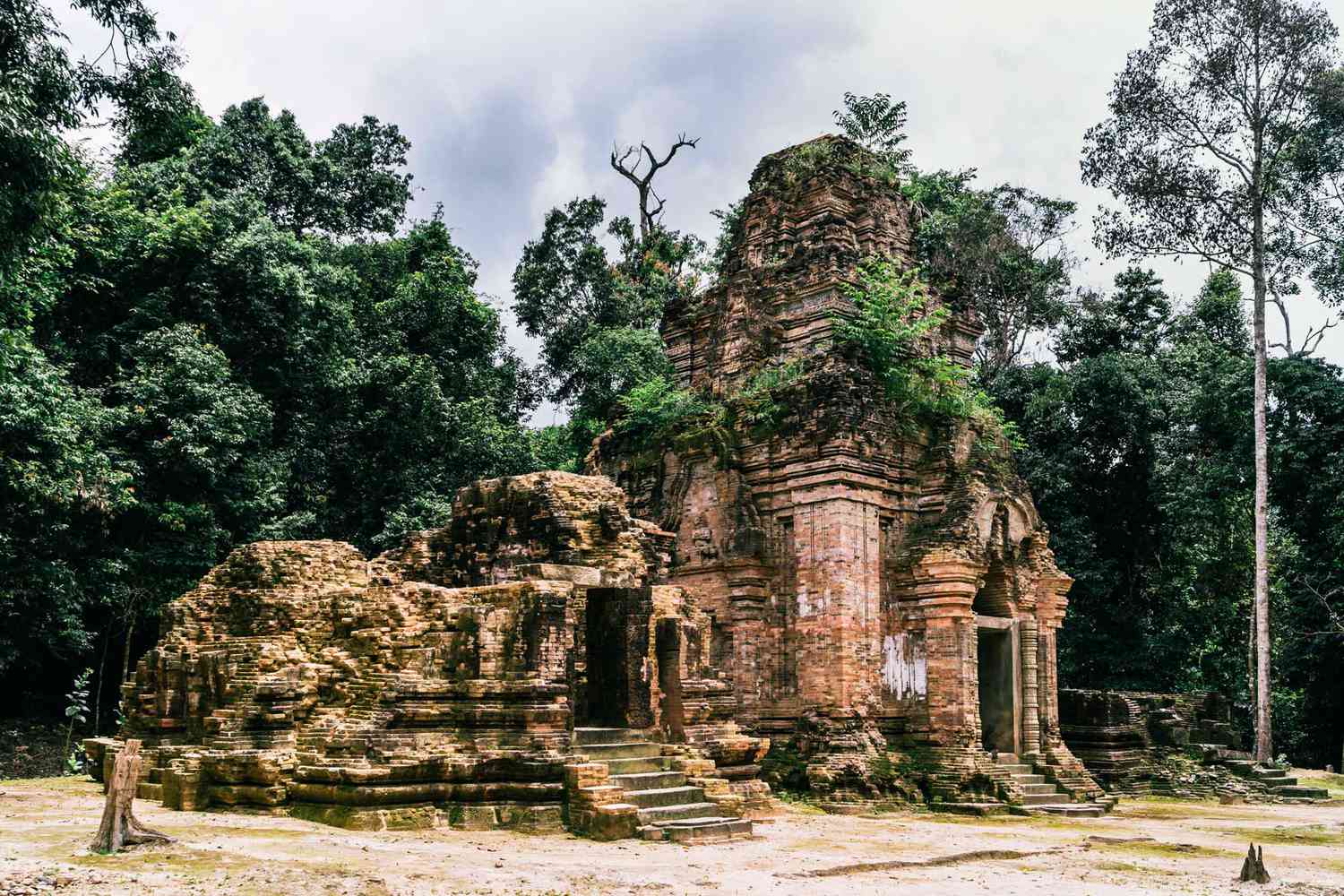
Key Highlights
- Origin and Divine Marriages: Explore the myths of Pampa’s devotion and her divine marriage to Lord Shiva, along with the legendary shower of gold that symbolized prosperity.
- Epic Connections: Understand Hampi’s deep-rooted ties to the epic Ramayana, including the identification of Hampi with the mythical kingdom of Kishkindha and Hanuman’s birthplace.
- Legendary Landmarks: Dive into the fascinating stories behind iconic landmarks such as the Virupaksha Temple, Anjaneya Hill, and the enigmatic Sister Stones.
Introduction to Hampi’s Mythology
Hampi, a UNESCO World Heritage Site in Karnataka, India, is not only famous for its captivating ruins and natural beauty but also for its rich tapestry of mythology and legend. The myths of Hampi are deeply intertwined with Hindu lore, where divine beings, epic battles, and miraculous events come together. At the heart of these legends lies the story of Pampa, a devout worshipper whose unwavering faith led to a miraculous union with Lord Shiva. In addition, Hampi’s narrative is enhanced by its connections to the mighty epic of Ramayana, enchanting folklore about cursed sisters, and historical tales commemorated by awe-inspiring monuments.
Mythical Origins and Divine Connections
The Tale of Pampa and Lord Shiva
One of the most celebrated myths in Hampi is the story of Pampa, a name derived from the ancient term used for the Tungabhadra River. According to ancient narratives, Pampa is not merely a geographical reference but also an emblematic character in the local mythology. Described as the daughter of Brahma, the Creator, Pampa was known for her intense devotion to Lord Shiva. Moved by her unwavering faith and singular dedication in performing austerities, Lord Shiva offered her a divine boon. She accepted this boon with humility and love, leading to the sacred marriage of Pampa and Shiva. This union is often celebrated as a testament to true devotion and the divine interplay of fate and destiny.
During their heavenly marriage, it is said that gods from the celestial realms showered gold upon the couple. This spectacular event gave rise to what is known as Hemakuta, meaning "heap of gold." The legend symbolizes not just the union of two divine entities but also the blessing of abundance and auspicious beginnings that followed. Today, the Virupaksha Temple stands as a living testimony to this legacy, where pilgrims and visitors are reminded of the divine play that brought prosperity to the region.
Ramayana and the Mythical Kingdom of Kishkindha
Hampi is also intricately connected to the legendary narratives of the Ramayana, one of India’s greatest epics. The region is widely believed to be the ancient kingdom of Kishkindha, home to the vanara (monkey) warriors led by Kings Vali and Sugriva. According to the epic, these monkey deities played pivotal roles in the rescue of Sita, the wife of Lord Rama, marking Hampi as a sacred ground of heroic deeds and divine interventions. Anjaneya Hill, located across the Tungabhadra River, is traditionally revered as the birthplace of Hanuman, the mighty warrior known for his boundless strength and unyielding loyalty.
The mythological connection with the Ramayana has imbued Hampi with a dual identity: one that is both historical and legendary. It is a place where the boundaries between myth and reality blur, giving visitors a sense of walking in the footsteps of ancient heroes. The narratives of battles fought by monkey warriors, their loyalty to Lord Rama, and the profound spiritual messages embedded in the epic continue to inspire a deep cultural and religious reverence for Hampi.
Landmarks and Legends: Detailed Insights
Virupaksha Temple and its Mystical Atmosphere
At the center of Hampi’s cultural landscape is the renowned Virupaksha Temple. Dedicated to Lord Virupaksha, an incarnation of Shiva, the temple is an architectural marvel that has stood the test of time. Its imposing structure and intricate carvings not only showcase the advanced skills of its ancient craftsmen but also narrate the enthralling stories of divine interactions and mythological events. The temple complex is replete with sculptures and motifs that depict various deities and mythic scenes, acting as a visual encyclopedia of local legends.
The temple’s sanctum holds significant importance as it is considered one of the oldest continuously active temples in India. It is here that the story of the divine marriage is immortalized. The surrounding area is filled with inscriptions and architectural remnants that recount the grand celebration in which gods themselves participated. The spiritual aura of the temple, coupled with the palpable sense of history, makes it a focal point for pilgrims looking to connect with the divine.
Anjaneya Hill and the Birth of Hanuman
Another prominent myth is associated with Anjaneya Hill. According to local legends, this hill is believed to be the birthplace of Hanuman, the devout monkey god who played a crucial role in the Ramayana. Hanuman is revered for his immense strength, valor, and his pivotal assistance to Lord Rama. The hill, with its panoramic views and serene atmosphere, attracts devotees who come to pay their respects and seek inspiration.
The myth of Hanuman’s birth further cements the deep connection of Hampi to the epic narratives of Indian mythology. Visitors are drawn to this hallowed site not only for its historical significance but also for the spiritual energy that is believed to emanate from the ancient stones. This fusion of myth and natural beauty enriches the overall experience of exploring Hampi.
The Legend of the Sister Stones
The myth of the Sister Stones is one of the most evocative tales in Hampi. Local folklore recounts the story of two sisters who, after speaking ill of the region, were cursed by the local goddess. In a dramatic twist of fate, these sisters were transformed into colossal boulders that still stand in the landscape of Hampi. These boulders, often referred to as the Sister Stones, are not merely geological formations but are seen as physical embodiments of divine retribution and the power of sanctity.
The legend serves as a reminder of the sanctity of Hampi and the consequences of disrespecting sacred traditions. It illustrates how the divine forces in the region maintained the purity and respect of this ancient land by casting moral judgments that have persisted through the centuries.
Other Related Myths and Local Legends
In addition to the primary myths, Hampi is home to a rich array of lesser-known legends that further enrich its mythological tapestry. Other tales include:
The Musical Pillars of Vithala Temple
One of the unique features of Hampi’s architectural heritage is the Vithala Temple, renowned not only for its well-preserved design but also for its enigmatic musical pillars. When struck, these pillars produce distinct musical notes, an occurrence that has given rise to numerous legends. They are often seen as manifestations of the ancient architects’ supernatural talent, imbuing the temple with a mystical ambiance that continues to captivate scholars and enthusiasts alike.
The Sacred Rituals and Festivals
Hampi’s mythological narratives extend into the realm of ritual and festivity. The local community continues to observe traditional festivals that commemorate the divine events narrated in their folklore. These rituals, often held at significant temples and sites, serve as a continuing link to the ancient past. They highlight the belief in reincarnation, cosmic order, and the eternal cycle of creation and destruction as depicted in Hindu philosophy.
The vibrant festivals, filled with music, dance, and traditional rites, bring to life the legends of Hampi, forging a sense of continuity between the past and present. They reinforce the community’s collective memory and the spiritual purity associated with this historic landscape.
Comparative Analysis of Mythical Elements
To give a clearer picture of Hampi’s mythological dimensions, the following table summarizes the key myths and their corresponding cultural and historical implications:
| Myth Element | Description | Cultural Significance |
|---|---|---|
| Pampa and Shiva | Myth of Pampa, a devoted daughter of Brahma, whose penance earned her a divine marriage to Lord Shiva, marked by the shower of gold. | Symbolizes devotion, divine union, and the blessing of abundance; foundational to understanding Hampi’s sacred geography. |
| Kishkindha and Ramayana | Identification of Hampi with the epic monkey kingdom of Kishkindha; birthplace of Hanuman and a site of epic battles. | Enhances Hampi’s religious relevance and connects it to one of India’s most influential epics. |
| Sister Stones | Legend of two sisters cursed and transformed into monumental boulders for speaking negatively about the land. | Emphasizes respect for sacred traditions and the power of divine retribution in maintaining purity of the land. |
| Musical Pillars | Architectural marvel of pillars producing musical notes, symbolizing the supernatural prowess of ancient temple builders. | Demonstrates the blend of artistic genius and mystical symbolism in Hampi’s cultural heritage. |
This table encapsulates the layered complexities of Hampi’s mythic narratives, exhibiting how each legend serves as both a historical marker and a spiritual beacon. These elements combine to create a cultural mosaic that is as rich in history as it is in divine symbolism.
Impact of Myths on Tourism and Cultural Identity
Tourism Driven by Mythology
The mythological allure of Hampi has played a significant role in attracting tourists, historians, and spiritual seekers from around the globe. The legends not only enhance the historical value of the site but also offer visitors a deeply immersive experience where the realms of myth and reality converge. Tourists often find themselves drawn to sites like the Virupaksha Temple and Anjaneya Hill, where the remnants of divine narratives stir the imagination and invite reflection on the timeless nature of these stories.
Guided tours and local narrations further enrich these experiences, providing insights into the antecedents of Hampi’s cultural evolution. As a result, the myths serve as important pillars for cultural tourism, consolidating Hampi’s reputation as a living museum where spirituality, architecture, and history coexist.
Cultural Identity and Community Traditions
Beyond tourism, these myths deeply influence the social and cultural identity of the local communities. The legends are passed down through generations via oral traditions, temple rituals, and annual festivals. They foster a sense of pride and belonging among the people, anchoring their identities to the ancient narratives that have shaped their heritage.
The integration of myth into daily life is evident in both the religious observances and the artistic expressions found throughout Hampi. Local music, dance, and storytelling thrive on the themes drawn from these legends, reinforcing community bonds and ensuring the continuity of these age-old traditions.
Scholarly Interpretations and Modern Perspectives
Historical and Archaeological Insights
Scholars and archaeologists view Hampi’s mythology as an essential facet of understanding its historical context. Ancient texts and temple inscriptions provide a wealth of knowledge that help decode the symbolic language used in these legends. The intertwining of myth and history offers insights into the societal values, religious beliefs, and artistic expressions that prevailed during the region’s zenith.
Modern research has focused on correlating archaeological findings with mythological narratives, thereby painting a more comprehensive picture of life in ancient Hampi. This multidisciplinary approach combines historical facts with the interpretative nature of folklore, offering a richer understanding of how myths can serve as repositories of communal memory and cultural identity.
Preservation and Interpretation
In recent years, efforts have been made to preserve these mythological narratives alongside the physical structures of Hampi. Local authorities, historians, and cultural preservationists emphasize the dual importance of conserving both the ruins and the intangible heritage they embody. By doing so, they ensure that the legends continue to educate and inspire future generations.
The layered interpretations of Hampi’s myths have also found resonance in contemporary art, literature, and even digital media. Documentaries, books, and interactive exhibitions bring these age-old narratives to a wider audience, reaffirming their relevance and universal appeal. This dynamic interplay between preservation and interpretation underscores the timeless nature of Hampi’s legends.
Conclusion
The myths of Hampi are a testament to the profound cultural and spiritual ethos embedded in this ancient landscape. From the divine marriage of Pampa and Shiva to the epic tales drawn from the Ramayana, and the poignant story of the Sister Stones, every legend enriches our understanding of Hampi’s historical significance. These myths do more than narrate events of the past; they breathe life into the ruins, transforming them into symbols of eternity.
As a destination, Hampi offers more than just a visual feast of ancient architecture; it invites visitors to immerse themselves in a world where the divine, the heroic, and the mystical converge. The legends continue to shape the cultural identity of the region, fostering a sense of wonder and reverence that transcends time. Through its myths, Hampi connects us to a spiritual heritage that is deeply personal and universally inspiring.
In conclusion, Hampi stands as a vibrant canvas that chronicles the intermingling of myth, history, and art. Its stories, passed down through millennia, remain an integral part of its identity, offering insights into a civilization that revered the divine and celebrated the enigmatic forces of nature. Whether approached as a historical study or a spiritual journey, the myths of Hampi continue to captivate and educate, leaving an indelible mark on all who explore its ancient wonders.
References
- Myths & Legends of Hampi - Go Heritage Run
- Mythology of Hampi - Hampi.in
- Fascinating History and Legends of Hampi - Skepcoliving
- 10 Astonishing Myths and Mysteries About Hampi - Igniting Horizons
- Diving into History of Hampi - Tripsaga
Recommended
 ignitinghorizons.wordpress.com
Last updated February 28, 2025