
Navigating Mexico's Warm Embrace: Staying Cool in 80-90°F Heat
Essential Strategies for Comfort and Well-being Under the Mexican Sun
Key Takeaways for Beating the Heat
- Hydration is Paramount: Consistently drink more water than you think you need, supplementing with electrolytes.
- Strategic Clothing Choices: Opt for light-colored, loose-fitting, and breathable fabrics to allow your body to cool naturally.
- Avoid Peak Sun Hours: Limit outdoor activities between 11 AM and 3 PM when the sun is strongest.
Understanding Mexico's Warm Climate
Mexico is renowned for its warm temperatures, particularly during the summer months which typically run from June through mid-October. While 80-90°F might seem manageable, the humidity, especially in coastal areas, can make it feel significantly hotter. Some regions, like the Yucatan Peninsula, can experience average temperatures around 95°F (35°C) during their hottest months, and recent heatwaves have even resulted in record-breaking temperatures in places like Mexico City.
Regional Variations in Heat and Humidity
Mexico's diverse geography means that the heat can vary significantly depending on your location. Coastal regions, including popular destinations like Cancun, Merida, and Puerto Vallarta, tend to be hot and humid. Inland cities at higher elevations, such as Mexico City, offer a milder climate and can provide a welcome respite from the coastal heat.
The southern part of the Baja Peninsula also experiences hot summers, though coastal breezes can offer some relief. Inland northern Mexico is generally arid with hot summers, while regions like Chiapas are known for sultry summers, with cooler temperatures found at higher elevations around San Cristóbal de las Casas.
Essential Strategies for Staying Cool
Prioritizing Hydration
Staying well-hydrated is the most critical factor in managing the heat. Drink water frequently, even before you feel thirsty. In addition to plain water, consider incorporating drinks that replenish electrolytes, such as aguas frescas or sports drinks, especially if you are sweating heavily. It's also beneficial to eat something along with drinking liquids.
Making Smart Clothing Choices
Your wardrobe plays a significant role in staying comfortable. Opt for loose-fitting clothing made from breathable fabrics like cotton or linen. Light colors are advisable as they reflect sunlight, whereas dark colors absorb heat. Wearing a wide-brimmed hat is crucial for protecting your face and neck from the sun, and a good pair of sunglasses will protect your eyes.
While it might seem counterintuitive, some sources suggest wearing long, thin sleeves in light colors to protect your skin from the sun's rays, similar to how locals might dress.

Navigating a vibrant Mexican street with appropriate attire for the heat.
Adjusting Your Schedule
One of the most effective ways to cope with the heat is to limit your exposure during the hottest parts of the day. This typically falls between 11 AM and 3 PM. Plan your outdoor activities for the early morning or late afternoon/evening.
Embracing the concept of a "siesta" during the peak heat hours is a practical approach, allowing your body to rest and cool down indoors.
Utilizing Water and Cooling Methods
Taking cool showers is a simple yet effective way to lower your body temperature. Some people find that taking multiple showers throughout the day helps to refresh and cool down, especially in humid conditions. Bathing in cool water or wetting your clothing can also provide temporary relief.
Exploring water activities, such as swimming in pools or the ocean, is a fantastic way to beat the heat, particularly in coastal areas.

Enjoying a refreshing dip in a pool to escape the heat.
Consider using cooling towels or even a cooling vest, which you can fill with water and freeze for extended relief.
Seeking Air-Conditioned Spaces
Whenever possible, seek refuge in air-conditioned environments. This includes hotels, restaurants, shopping centers, and museums. If your accommodation doesn't have air conditioning, using a fan can help to create a cooling breeze.
While air conditioning is becoming more common, it's not always available, particularly in older buildings or in some parts of Mexico City. It's wise to check the amenities of your accommodation beforehand if AC is a necessity for you.
Other Helpful Tips
- Carry a portable fan to use when you're on the go.
- Keep your head protected with a hat or umbrella.
- Use sunscreen regularly to prevent sunburn, which can make you feel even hotter.
- Be mindful of your body's cues and rest if you feel signs of overheating. Not sweating can be a red flag.
- For accommodations without AC, chilling your sheets in the fridge or freezer before bed can provide a temporary cooling effect.
- Enjoy local treats like ice cream, sorbet, or bolis (ice popsicles) to cool down.
Understanding the Heat and Potential Risks
Exposure to high temperatures can lead to heat-related illnesses, ranging from heat exhaustion to heatstroke. It's crucial to be aware of the signs and take preventative measures. Acclimatizing to the temperature gradually can help your body adjust.
Recent heatwaves in Mexico have highlighted the dangers of extreme heat, with reported heat-related deaths. This underscores the importance of taking the heat seriously and implementing strategies to stay cool and safe.

Coping with intense heat.
Signs of Heat-Related Illness
Be aware of the symptoms of heat exhaustion, which include heavy sweating, cold, pale, and clammy skin, fast, weak pulse, nausea or vomiting, muscle cramps, tiredness or weakness, dizziness, and headache. If you experience these symptoms, move to a cool place, loosen your clothes, and sip cool water. If symptoms worsen or last longer than an hour, seek medical attention.
Heatstroke is a medical emergency characterized by a high body temperature (103°F or higher), hot, red, dry or damp skin, fast, strong pulse, headache, dizziness, nausea, confusion, and losing consciousness. If you suspect heatstroke, call for medical help immediately and try to cool the person down until help arrives.
Comparing Temperatures Across Mexico
To provide a clearer picture of the temperature variations, here's a table illustrating typical average temperatures in some popular Mexican destinations during the summer months:
| Destination | Typical Summer Temperature Range (°F) | Typical Summer Temperature Range (°C) | Notes |
|---|---|---|---|
| Coastal Regions (e.g., Cancun, Puerto Vallarta) | 82-90 | 28-32 | Hot and humid, especially in July and August. |
| Mexico City | 68-77 | 20-25 | Milder due to higher elevation. |
| Yucatan Peninsula (Hottest Months) | Around 95 | Around 35 | Can feel hotter due to humidity. |
| Inland Northern Mexico | Average high over 90 in August | Over 32 in August | Arid climate. |
Historical Methods for Staying Cool
Even before modern air conditioning, people in Mexico developed ingenious ways to cope with the heat. These methods, many of which are still relevant today, offer insights into adapting to a warm climate:
-
Bathing in cool water frequently.
-
Wetting clothing to create a cooling effect.
-
Using fans to circulate air.
-
Taking siestas during the hottest part of the day.
-
Constructing homes with features that promote airflow and provide shade.
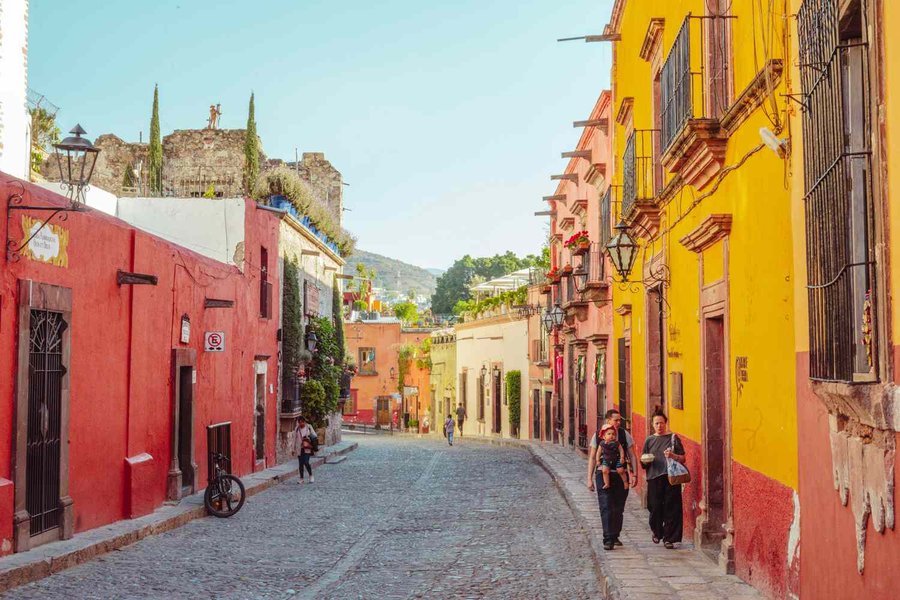
Seeking shade in the historic streets of San Miguel de Allende.
Frequently Asked Questions
Is it always hot in Mexico?
No, Mexico has a varied climate due to its size and diverse geography. While many associate Mexico with heat, temperatures can range from hot and humid in coastal areas to milder in higher elevations and even cool in some northern regions during winter.
What is the best time of day to be outdoors in Mexico during the summer?
The best times for outdoor activities are typically the early morning and late afternoon/evening, avoiding the peak heat hours between 11 AM and 3 PM.
What kind of clothes should I pack for Mexico in the summer?
Pack light-colored, loose-fitting clothing made from breathable fabrics like cotton or linen. Don't forget a wide-brimmed hat, sunglasses, and swimwear.
Are there places in Mexico that are cooler in the summer?
Yes, cities at higher elevations like Mexico City and San Cristóbal de las Casas tend to have milder temperatures compared to the coastal regions.
How can I tell if I'm getting overheated?
Symptoms of overheating can include heavy sweating, dizziness, nausea, headache, and muscle cramps. If you notice these signs, find a cool place to rest and hydrate.
References
Last updated April 28, 2025