
Production Plan for Handmade Bracelet Business
A comprehensive and structured guide to streamline production
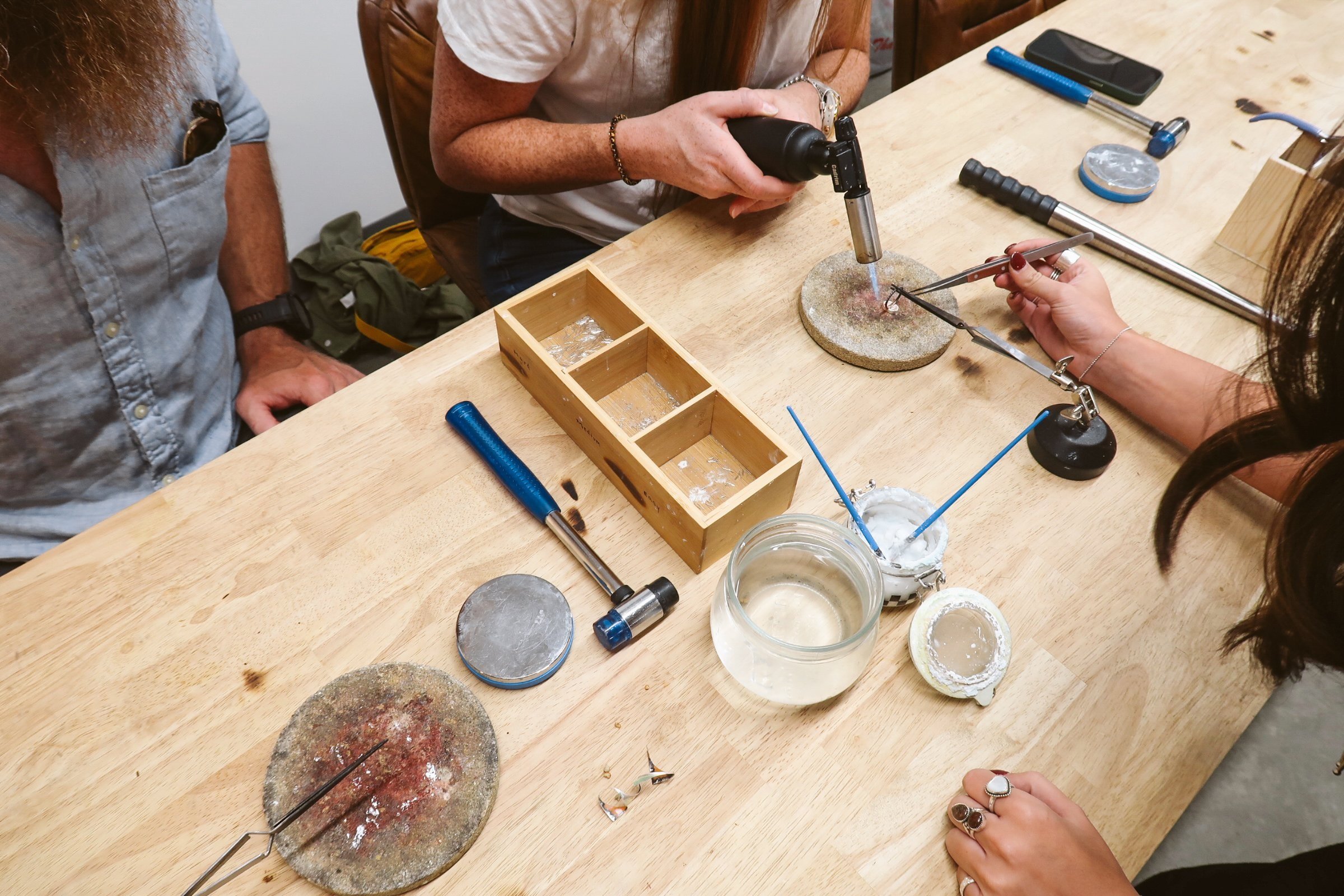
Key Highlights
- Structured Schedule: Detailed time slots for sourcing, designing, assembling, quality control, and sales.
- Clear Responsibilities: Designated roles for production personnel, designers, quality control staff, and sales team ensure smooth operations.
- Efficient Workflow: Step-by-step production process from raw material procurement to final sales helps maintain product quality and operational efficiency.
This production plan is designed specifically for a handmade bracelet business, mirroring the effective structure of a food production plan. Each step in the schedule is adapted to the requirements of artisan jewelry making, ensuring that creativity meets efficiency. The following sections detail the production schedule, the production process steps, essential planning considerations, resource management strategies, quality assurance measures, and marketing strategies.
Detailed Production Schedule
The production schedule is segmented into specific time elements, each dedicated to a particular phase of operations. This schedule supports the systematic creation of handmade bracelets while maintaining consistent quality and workflow.
Production Schedule Overview
The schedule below outlines the activities from raw material preparation through sales. This ensures timely operations and proper allocation of human resources.
| TIME ELEMENT | ACTION | METHOD | STAFF RESPONSIBLE | FREQUENCY |
|---|---|---|---|---|
| 6:00 - 8:00 AM | Prepare Materials | Sourcing beads, cords, wires, clasps, and decorative elements from local suppliers and inventory management | Production Personnel | Daily |
| 8:00 - 9:00 AM | Design and Planning | Sketching design prototypes, finalizing color palettes, and selecting unique patterns for bracelet production | Creative Designing Personnel | Daily |
| 9:00 - 10:00 AM | Bracelet Assembly | Measuring, cutting, and assembling beads and other components using various techniques, including stringing, knotting, and wire-wrapping | Artisan Team/Production Personnel | Daily |
| 10:00 - 11:00 AM | Quality Control | Inspecting finalized bracelets for defects, consistency in design, and overall quality assurance | Quality Control Personnel | Daily |
| 11:00 - 12:00 PM | Packaging and Labeling | Designing and packing products in eco-friendly packaging with proper labeling that reflects the brand identity | Production Personnel | Daily |
| 12:00 - 1:00 PM | Lunch Break | Rest and rejuvenation period for all staff | All staff | Daily |
| 1:00 - 2:00 PM | Inventory and Materials Check | Updating inventory records and checking for reordering needs, ensuring adequate supply of beads and tools | Inventory Manager/Production Personnel | Daily/Weekly (as required) |
| 2:00 - 3:00 PM | Marketing Preparation | Creating online content, updating social media feeds, and preparing for upcoming promotions and craft shows | Marketing Team | Daily |
| 3:00 - 4:00 PM | Selling and Distribution | Selling products at local markets, gallery stores, pop-up events, and online platforms | Sales Personnel | Daily |
Comprehensive Production Process
This section details the step-by-step legacy of the production process for the handmade bracelet business, ensuring that each phase is executed with precision and creativity.
Step 1: Raw Materials Procurement
The quality of the final product starts with sourcing high-quality materials. This step involves engaging reputable suppliers to obtain premium beads, cords, wires, clasps, and any additional decorative items. Regular audits of supply quality and timely reordering are integral to uninterrupted production.
Key Points in Material Procurement
- Establish reliable relationships with multiple suppliers to mitigate shortages.
- Maintain a quality control checklist for all incoming materials.
- Keep an inventory log updated on a daily basis.
Step 2: Design and Planning
This creative phase is where ideas are transformed into innovative designs. Skilled designers conceptualize unique bracelet styles, finalize color combinations, and prepare design blueprints. This planning stage is crucial not only for aesthetic appeal but also for determining the feasibility of production timelines.
Design Considerations
- Balance creativity with practicality ensuring designs can be efficiently produced.
- Incorporate current trends in jewelry to meet market preferences.
- Utilize design software or hand-drawn sketches to record concepts.
Step 3: Measuring and Cutting
Accurate measuring, cutting, and preparation of bracelet components are essential to achieving uniformity and quality. Using precision tools, the designated team measures cords and wires to the predetermined lengths as indicated in the design blueprints. Proper preparation preempts possible errors during assembly.
Best Practices in Preparation
- Utilize calibrated measuring tools to ensure uniform measurements.
- Mark materials prior to cutting to avoid mistakes.
- Ensure safety protocols are followed during the use of cutting tools.
Step 4: Assembly
This core phase of production involves the actual construction of the bracelets. Production personnel, often working as a team of artisans, carefully string beads or apply wire wrapping techniques to form each bracelet. Every piece is assembled with attention to detail, ensuring durability and appeal.
Assembly Techniques
- Beading: Stringing beads in a predetermined order to maintain design structure.
- Wire Wrapping: Securely interlocking beads using wire to form intricate patterns.
- Knotting and Braiding: Adding texture and uniqueness to the bracelet design.
Step 5: Quality Control
A dedicated quality control team inspects each finished bracelet for precision, durability, and aesthetic consistency. This step is critical to maintaining the brand’s reputation and customer satisfaction. Defective products are either reworked or discarded based on quality standards.
Quality Control Measures
- Implement a checklist for consistent quality assessment.
- Check for design accuracy, secure fastening of components, and overall finish.
- Ensure strict adherence to brand aesthetic and durability standards.
Step 6: Packaging and Labeling
Finished bracelets are carefully packaged using attractive, eco-friendly materials that not only preserve their condition but also enhance the overall brand image. Labels containing brand identifiers and care instructions are affixed to each package, ensuring that the customer receives a product that looks as splendid as it was crafted.
Packaging Essentials
- Utilize sustainable packaging that resonates with eco-conscious customers.
- Design labels that clearly state product information and brand identity.
- Store packaged products in a clean, organized manner in preparation for shipment or display.
Step 7: Sales and Distribution
The final phase transitions the product from the workshop to the market. A well-coordinated sales team manages both physical and online sales channels. Whether through local craft fairs, boutique stores, or e-commerce platforms, each bracelet reaches its audience with a focus on customer engagement and timely distribution. Customer feedback gathered during this phase informs continuous improvements in production.
Sales Strategy and Distribution
- Leverage multiple sales channels to maximize market reach – from local events to digital platforms.
- Arrange attractive product displays and advertisements to capture consumer interest.
- Collect and analyze customer feedback for future product enhancements.
Resource Management and Operational Strategies
An effective production plan is also supported by strong resource management. This includes manpower allocation, supplier relationships, inventory oversight, and operational efficiency. The following table summarizes key resource management elements:
| RESOURCE | STRATEGY | BENEFIT |
|---|---|---|
| Manpower | Assign specialized teams for design, assembly, quality control, and sales. | Enhances expertise and streamlines production workflows. |
| Supplier Management | Establish trusted supplier relationships for timely and quality raw material supply. | Reduces risk of material shortages and maintains production quality. |
| Inventory Management | Maintain digital logs and track usage of materials; reorder proactively. | Prevents production delays and minimizes excess inventory. |
| Equipment and Tools | Regular maintenance of measurement tools, cutting implements, and packaging equipment. | Ensures continuity and reliability in production methods. |
These strategies ensure that your handmade bracelet production is not only creative but also efficient and scalable. Operational consistency, driven by a detailed schedule and robust resource management, is key to sustaining business growth and customer satisfaction.
Marketing and Customer Engagement
The production plan integrates marketing and customer engagement strategies, making it a holistic approach to business growth. The marketing phase is crucial in generating brand awareness and driving sales.
Marketing Initiatives
Activities scheduled during the later hours of the production day, such as preparing sales materials and direct selling, are aimed at enhancing brand visibility. A strong social media presence and participation in local events or craft fairs can significantly boost product outreach.
Effective Marketing Strategies
- Routine social media updates featuring new designs and behind-the-scenes processes.
- Promotional events and local craft fairs to physically introduce products to potential customers.
- Collaboration with fashion influencers and local boutiques to extend market reach.
- Customer loyalty programs offering discounts or exclusive previews for repeat buyers.
Integrating these marketing strategies within the production schedule allows the sales team to gather live feedback, which can be used to refine production and design elements. This iterative approach ensures that the product remains aligned with market trends and customer preferences.
References
- How to Start a Bracelet Business - LogoMaker
- Bracelet Business Ideas - Aasaan
- Hand Made Jewellery Business Plan - Grand Business Plan
- Sample Business Plan for Handmade Jewelry - Jewelry Carats
- Starting a Bracelet Business - BizMove
Recommended Further Queries

Last updated March 20, 2025