
Comparing Hanger Steak to Other Steak Cuts
Discover the unique qualities that set hanger steak apart from other popular beef cuts.
Key Takeaways
- Rich, Beefy Flavor: Hanger steak offers a more concentrated beef flavor compared to leaner cuts like filet mignon.
- Optimal Cooking Methods: Best cooked quickly over high heat to maintain tenderness and juiciness.
- Versatile and Affordable: Balances affordability with premium taste, making it suitable for various culinary applications.
Introduction
Hanger steak, often heralded as the "butcher's steak," is a distinctive cut of beef renowned for its robust flavor and unique texture. Unlike more commonly sought-after cuts such as ribeye or filet mignon, hanger steak occupies a niche space in the culinary world, offering a blend of affordability and superior taste. This comprehensive comparison delves into how hanger steak measures up against other popular steak pieces, exploring aspects like flavor, texture, cooking methods, versatility, and price.
Flavor and Texture
The flavor profile and texture of a steak cut play pivotal roles in determining its popularity and culinary applications. Hanger steak stands out with its deep, rich beefy flavor, often described as more pronounced and slightly earthy compared to other cuts.
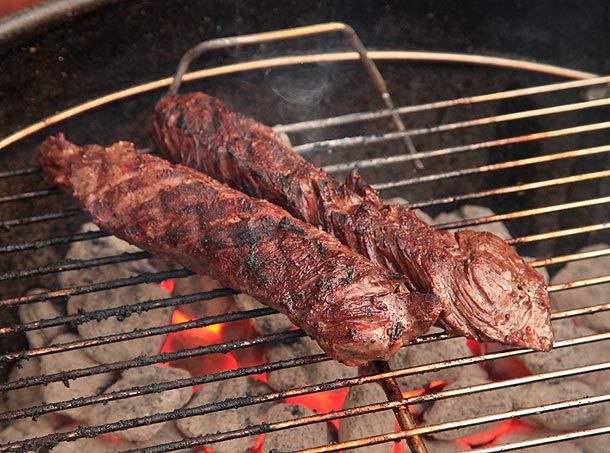
- Hanger Steak: Exhibits a concentrated beef flavor with hints of iron, thanks to its location near the cow's diaphragm. It has a coarse texture with prominent grain and good marbling, contributing to its juiciness.
- Filet Mignon: Celebrated for its exceptional tenderness and lean quality. While it lacks the depth of flavor found in hanger steak, its melt-in-your-mouth texture makes it a premium choice.
- Ribeye: Known for its high marbling and buttery texture, ribeye delivers a rich and indulgent flavor that is both tender and juicy.
- Skirt Steak: Similar to hanger steak in flavor but generally chewier and thinner, making it ideal for dishes that benefit from marinating.
- Flank Steak: Leaner with a chewier texture, flank steak offers a robust beef flavor but requires proper slicing to enhance tenderness.
- New York Strip: Combines a firm texture with a balanced beefy flavor, supported by moderate marbling that ensures tenderness.
Cut and Appearance
The anatomical location of a steak cut influences its characteristics and suitability for various cooking methods.
- Hanger Steak: Sourced from the diaphragm area between the rib and loin, it is long, narrow, and cylindrical with a distinct grain.
- Filet Mignon: Derived from the tenderloin, it is small, round, and uniform in shape, prized for its fine texture.
- Ribeye: Cut from the rib section, it is thickly marbled with a characteristic eye of fat, contributing to its rich appearance.
- Skirt Steak: Originates from the plate section, featuring a thin, flat appearance with visible grain and connective tissue.
- Flank Steak: Comes from the abdominal muscles, presenting as a flat, rectangular cut with a coarse grain.
- New York Strip: Also from the loin, it is slightly firmer with a pronounced muscle grain and moderate marbling.
Cooking Methods
Proper cooking techniques are essential to bring out the best in each steak cut. Hanger steak thrives under specific high-heat methods that complement its texture and flavor.
- Hanger Steak: Best cooked quickly over high heat methods such as grilling, searing, or broiling. Cooking to medium-rare or medium helps retain its tenderness and juiciness.
- Filet Mignon: Typically pan-seared or grilled, often served rare to medium-rare to preserve its delicate texture.
- Ribeye: Ideal for grilling or pan-searing, usually cooked to medium-rare to render the fat and enhance flavor.
- Skirt Steak: Requires high-heat cooking and benefits from longer marinating periods to soften its fibers, making it suitable for dishes like fajitas.
- Flank Steak: Best grilled or broiled after marinating, then sliced thinly against the grain to maximize tenderness.
- New York Strip: Excellent for grilling or broiling, often cooked to medium-rare to medium to maintain its firmness and juiciness.
Versatility
Versatility in a steak cut determines its adaptability to various culinary styles and recipes.
- Hanger Steak: Highly versatile, it performs well in both casual and upscale dishes. Its ability to absorb marinades makes it suitable for a wide range of flavor profiles.
- Filet Mignon: Typically reserved for fine dining due to its premium price and delicate texture, often paired with rich sauces.
- Ribeye: A classic choice for standalone steaks, ribeye's rich flavor pairs well with a variety of seasonings and sides.
- Skirt Steak: Commonly used in Latin American cuisines for tacos, fajitas, and stir-fries, where its robust flavor shines.
- Flank Steak: Frequently used in stir-fries, salads, and sandwiches, flank steak's lean quality makes it ideal for health-conscious dishes.
- New York Strip: Versatile for both grilling and broiling, it can be served as a traditional steak or incorporated into more complex recipes.
Price and Availability
Economic factors and availability influence the choice of steak cuts for both consumers and chefs.
- Hanger Steak: Generally more affordable than premium cuts like filet mignon or ribeye. However, its limited availability—as only one hanger steak is present per cow—can make it a more exclusive option, often found at specialty butcher shops.
- Filet Mignon: One of the most expensive cuts due to its tenderness and limited supply, making it a luxury choice.
- Ribeye: Moderately priced and widely available, ribeye strikes a balance between cost and premium quality.
- Skirt Steak: An affordable option, widely used in various cuisines, making it readily accessible to consumers.
- Flank Steak: Budget-friendly and commonly found in supermarkets, making it a popular choice for everyday meals.
- New York Strip: Priced between ribeye and filet mignon, it offers a premium quality without the highest cost.
Comparison to Other Cuts
Hanger Steak vs. Filet Mignon
While hanger steak is favored for its bold flavor, filet mignon is preferred for its unparalleled tenderness. Filet mignon is leaner and requires careful cooking to avoid dryness, whereas hanger steak, with its marbling, retains juiciness and offers a more robust taste.
Hanger Steak vs. Ribeye
Ribeye is celebrated for its high fat content and buttery texture, making it more indulgent than hanger steak. Although both cuts are flavorful, hanger steak provides a more concentrated beef taste at a lower price point, appealing to those seeking flavor without the premium cost.
Hanger Steak vs. Skirt Steak
Both hanger and skirt steaks are known for their strong beef flavors and coarse textures. However, skirt steak is thinner and requires longer cooking or marinating to achieve tenderness, whereas hanger steak can be enjoyed as a standalone steak with simpler preparations.
Hanger Steak vs. Flank Steak
Flank steak is leaner and chewier compared to the relatively tender hanger steak. While both benefit from marinating and slicing against the grain, hanger steak offers superior tenderness and versatility, making it more adaptable to various dishes.
Hanger Steak vs. New York Strip
The New York strip combines a firmer texture with a balanced beefy flavor, supported by moderate marbling. Hanger steak, on the other hand, delivers a more rustic and concentrated beef taste, appealing to those who prefer a less uniform and more flavorful steak experience.
Best Preparation Methods
Maximizing the potential of hanger steak involves employing cooking techniques that enhance its natural qualities.
-
High-Heat Cooking: Grilling, searing, and broiling are ideal methods that quickly cook the steak, preserving its tenderness and preventing it from becoming tough.
-
Marinating: Given its coarse texture, hanger steak absorbs marinades exceptionally well, allowing for the infusion of diverse flavors that complement its rich beefiness.
-
Resting: Allowing the steak to rest after cooking ensures that the juices redistribute throughout the meat, enhancing its succulence.
-
Slicing Against the Grain: To maximize tenderness, hanger steak should always be sliced perpendicular to the grain, breaking down the muscle fibers for a more enjoyable bite.
-
Serving Temperature: Cooking to medium-rare or medium is recommended to retain moisture and flavor without sacrificing texture.
Conclusion
Hanger steak distinguishes itself from other steak cuts through its exceptional beefy flavor, favorable texture, and versatility in cooking applications. It offers a compelling balance between cost and quality, making it an excellent choice for both everyday meals and special occasions. While it may not possess the same level of tenderness as filet mignon or the marbled indulgence of ribeye, hanger steak's robust taste and adaptability make it a favored option among steak enthusiasts seeking depth of flavor without the premium price tag.
References
Last updated January 22, 2025