
Evaluating Your Hardware for 70B Q4 LLMs
A comprehensive analysis of your system configuration for running large language models locally
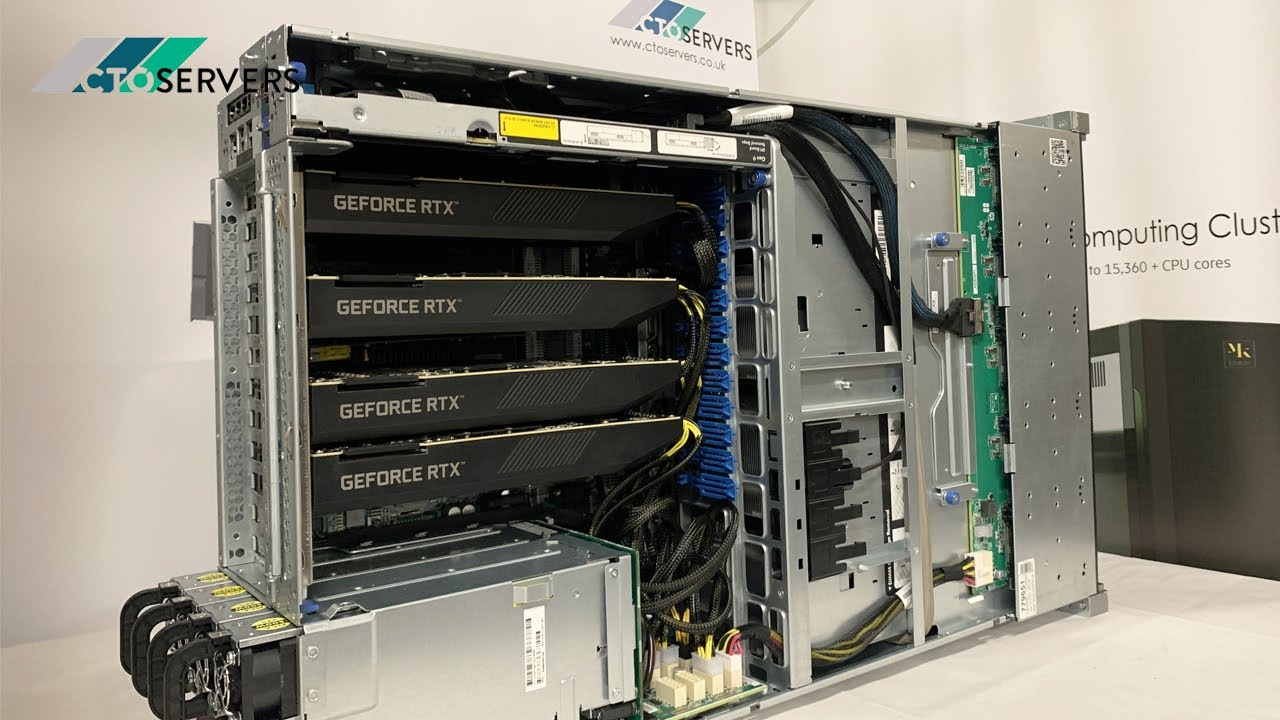
Key Highlights
- GPU Power and Quantization: Two RTX 3090 GPUs offer strong performance, particularly when advanced quantization methods such as Q4 or Q8 are employed to reduce memory usage.
- Memory and Storage Adequacy: With 64GB of DDR5 RAM and a 1TB SSD, your system can support inference tasks on 70B models, though training or heavier tasks may require additional resources.
- Balanced System Architecture: The combination of a high-performance Ultra9 285K processor and the Z890-A motherboard ensures that CPU and connectivity requirements are met, allowing the GPUs to drive most of the model computations.
Detailed Analysis of Your Hardware Components
Motherboard and CPU
Z890-A Motherboard
The Z890-A motherboard is engineered to support high-performance computing with modern processors, including the Intel Core Ultra series. It offers advanced features such as PCIe 5.0 support, which is crucial for maximizing the performance and bandwidth between your GPUs and the system. This ensures minimal latency and maximizes throughput, which is especially important when running large language models that process and transfer huge amounts of data rapidly.
Additionally, the board’s multiple M.2 slots and SATA ports contribute to faster load times and high-speed data transactions, benefiting tasks such as loading models and retrieving data from storage.
Ultra9 285K Processor
The Ultra9 285K is a high-performance CPU designed for intensive computational tasks. While the role of the CPU in inference for large language models is secondary to that of the GPUs, it is still essential. The CPU manages general system operations, I/O controls, and serves as a gateway for data to flow efficiently from the SSD to the GPUs.
Generally, inference computational workloads in large language models are GPU-bound. However, the strong performance of the Ultra9 285K ensures that it will not become a bottleneck in the system configuration and contributes to the overall stability and responsiveness of the system.
Memory and Storage Considerations
64GB DDR5 RAM
For running large language models locally, having sufficient system RAM is critical for maintaining efficient data handling during model inference operations. The 64GB of DDR5 RAM in your setup is generally sufficient for most inference tasks, particularly when using quantization techniques such as Q4 which reduce memory requirements substantially.
However, it is important to note that while inference typically runs well with 64GB RAM, tasks like training or working with even larger models might benefit from additional memory. In those scenarios, expanding your memory capacity to 128GB could offer better performance and prevent potential RAM bottlenecks.
1TB SSD Storage
Storage is a critical factor when needing fast access to large models and associated datasets. The 1TB SSD in your configuration provides ample space and the speed needed to load and maneuver through large files. SSDs significantly reduce load times versus traditional HDDs, which is particularly important in the context of machine learning where models can be several dozen gigabytes in size.
Although 1TB should be sufficient for most inference models, including a 70B model quantized to Q4, it’s worth planning for additional storage if you intend to work with multiple models or require extensive datasets for training or fine-tuning.
GPU Capability and Performance
Two RTX 3090 GPUs
Your configuration includes two RTX 3090 GPUs, each with 24GB of VRAM. Ray-tracing, CUDA cores, and Tensor Core optimizations make these GPUs exceptionally well-suited for heavy computations required during model inference. The combined total VRAM of 48GB is especially advantageous when processing large language models.
Running 70B models at full precision can be extremely resource-intensive; however, employing quantization techniques such as Q4 greatly reduces the memory requirements. With Q4 quantization, a large 70B model can fit within the 48GB VRAM limit provided by your GPUs, thus allowing efficient processing even with demanding LLM inferences.
Role of Quantization
Quantization is a method used to reduce the precision of the computations, which in turn reduces memory consumption and increases inference speed. Since full precision models can require upwards of 140GB VRAM, Q4 quantization provides an optimal balance, reducing the VRAM needed to approximately 35-48GB. This reduction is critical for running such a large model on hardware that might otherwise be insufficient.
By quantizing models to Q4, you take advantage of both speed improvements and effective memory management, making it feasible to run these models locally with your RTX 3090 GPUs, even if the GPUs operate at the edge of their maximum capacities.
Understanding VRAM Requirements
For large language models, VRAM is one of the most critical resources. A single RTX 3090 might struggle with VRAM limitations when running a 70B model if not for quantization practices and memory optimization techniques. However, using two RTX 3090s in combination, potentially connected with NVLink, can significantly alleviate these constraints by pooling the memory resources.
Additionally, modern optimizations like model sharding allow for distributing parts of the model across multiple GPUs. This provisioning is beneficial for large-scale models, as it means the system does not need to load the entire model into one GPU’s memory at one time.
Operational Considerations and Optimization Strategies
Performance Optimization
Power Tuning and Thermal Management
For sustained high-performance tasks like inference of large language models, maintaining optimal temperatures and managing power consumption is paramount. High-end GPUs such as the RTX 3090 are designed for significant power draw and might require adjustments to the power limit settings. By tuning the power limit to a value around 250-300W, it is possible to achieve a balance between performance and thermal efficiency, ensuring that the GPUs run consistently without overheating.
System cooling solutions, such as high-performance fans or liquid cooling systems, play a critical role in maintaining an effective operating temperature. This is particularly essential when running large models continuously, where sustained loads can lead to thermal throttling if not managed properly.
Software and Driver Considerations
Utilizing optimized software libraries and frameworks that are designed to harness GPU acceleration is another key factor. Frameworks that integrate with CUDA and leverage TensorRT optimizations can substantially improve performance during inference. The software environment must be appropriately configured to utilize both GPUs effectively and should include current drivers that support multi-GPU configurations as well as NVLink if available.
Advanced inference libraries often implement support for memory optimizations and multi-threading, which help to fully exploit the computational power of your system setup.
Table: System Component and Performance Overview
| Component | Specification | Role in LLM Operations |
|---|---|---|
| Motherboard | Z890-A | High-speed data transfer, PCIe 5.0 support, multiple M.2 slots. |
| CPU | Ultra9 285K | Handles system operations and I/O, supports GPUs in data handling. |
| RAM | 64GB DDR5 | Adequate for inference tasks; more may be needed for training. |
| Storage | 1TB SSD | Fast and adequate for loading large model files and datasets. |
| GPU | 2 x RTX 3090 (24GB each) | Core computation engine, handles high-intensity model inference with quantization. |
System Suitability and Final Assessment
Inference vs. Training Workloads
When evaluating your system for running a 70B Q4 language model, it is crucial to distinguish between inference and training workloads. Inference tasks, which involve generating responses or processing queries with the model, primarily leverage the computing power of the GPUs and are highly optimized by employing quantization techniques. Your current hardware configuration, with its two powerful RTX 3090 GPUs, is particularly well-suited for these inference tasks.
Training, on the other hand, involves adjusting model parameters and is typically more resource-intensive. While the discussed hardware can handle inference effectively, training activities may demand more system memory or additional GPUs. Thus, if your primary use-case is inference or deploying applications that rely on the model’s output, your system is well-equipped. In contrast, for research or training implementations, consider planning for memory and storage expansions in the future.
Optimizing Performance with Quantization and Sharding
As highlighted earlier, quantization, particularly Q4, plays a transformative role in reducing the VRAM required for deploying a 70B model locally. This reduction allows you to use high-powered yet finite resources provided by two RTX 3090s effectively. Additionally, strategies like model sharding, where the model is distributed across multiple GPUs, further enhance the ability to run such large models by dividing the workload.
Frequent monitoring of VRAM usage and system performance during model inference can offer insights into potential optimizations. Software tools that track GPU utilization, temperature, and memory allocation should be integrated into your workflow for real-time adjustments.
Potential Limitations and Future Considerations
Although your configuration is robust for current inference applications with 70B models, keep in mind potential limitations. Limited RAM might restrict operations involving large datasets or complex training routines. As AI models continue to grow in scale and complexity, having a scalable system design becomes important.
Future upgrades to your system could include adding more RAM, exploring the possibility of integrating higher VRAM GPUs, or expanding storage capacity. Investing in continued cooling and power delivery enhancements ensures that the system remains capable of handling evolving model demands without performance degradation.
Conclusion
In summary, your hardware configuration — featuring a Z890-A motherboard, 64GB DDR5 RAM, a 1TB SSD, an Ultra9 285K processor, and two RTX 3090 GPUs — is well-suited for running most 70B Q4 large language models locally for inference. The strong GPU performance, enabled by effective quantization strategies such as Q4, compensates for the high memory demands of such models. Your system’s balanced architecture between CPU, memory, and storage meets the optimal conditions for model loading and execution.
While the current setup is primarily geared towards inference, those considering training or more extensive model workflows should evaluate potential upgrades in RAM and possibly additional or alternative GPU configurations. Continuously monitoring both hardware performance and employing relevant optimizations such as power tuning, thermal management, and model sharding will allow you to scale your operations efficiently.
References
- Building a Machine for 70B+ - Reddit
- Self-Hosting LLaMA 3.1 70B (or any ~70B LLM) Affordably - Medium
- VRAM Requirements for LLMs - Novita Blogs
- RTX3090 Power Tuning Results on LLM, Vision, TTS - Reddit
- Llama 3.1 Deployment Considerations - Hugging Face
Recommended Further Queries
Last updated February 23, 2025