
Exploring the Multifaceted Mind of Harley Quinn
A deep dive into her character evolution, relationships, and empowering journey
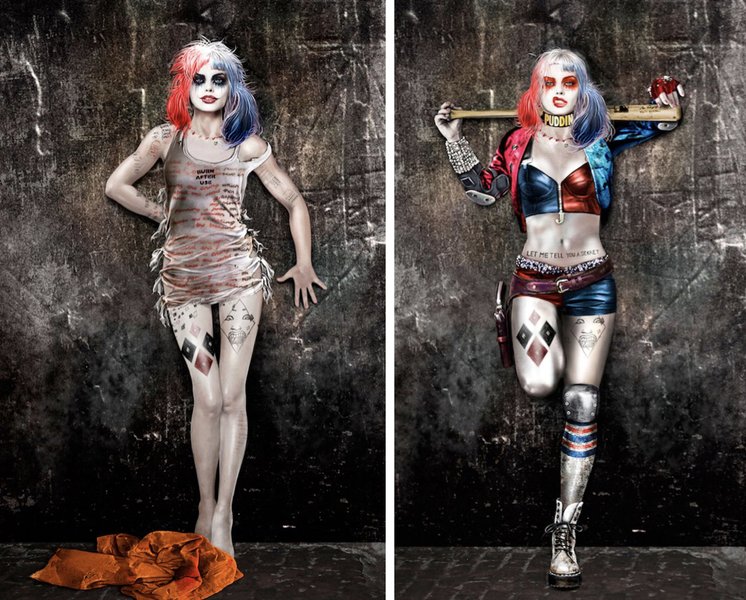
Highlights
- Complex Psychological Profile: Harley’s evolution from a dedicated psychiatrist to a chaotic anti-heroine reflects deep trauma, identity exploration, and empowerment.
- Transformative Relationships: Key dynamics with the Joker and Poison Ivy shape her personal growth and quest for independence.
- Empowerment through Disruption: Her journey from manipulation to self-actualization addresses themes of abuse, transformation, and resilience.
Detailed Character Analysis
Introduction to Harley Quinn
Harley Quinn, originally known as Dr. Harleen Quinzel, is far more than an eccentric sidekick or a mere villainess in the DC Universe. Over the years, particularly through the popular animated "Harley Quinn" series, she has evolved into a richly layered character whose journey is rooted in psychological depth, tumultuous relationships, and an inspiring quest for personal identity. Initially introduced in "Batman: The Animated Series" as the Joker’s playful accomplice, Harley’s transformation from a composed psychiatrist working at Arkham Asylum into a daring and unpredictable anti-heroine reveals a profound narrative centered on liberation from abuse and the pursuit of self-empowerment.
Origins and Transformation
From Psychiatrist to Chaotic Anti-Heroine
Harley Quinn’s origin story is a dramatic tale of transformation. Built on the foundation of her early career as a psychiatrist at Arkham Asylum, Harleen Quinzel’s life took a radical turn when she became infatuated with her patient, the Joker. This forbidden attraction catalyzed her descent into madness, causing her to embrace the alias Harley Quinn—a persona that epitomizes both chaos and whimsy in equal measure.
However, the narrative does not end with a simple slide into villainy. Instead, the animated series expansively chronicles Harley’s tumultuous journey as she begins to disentangle herself from the Joker’s manipulative clutches. No longer merely a sidekick, Harley embarks on a quest for her individual identity, catalyzing a profound character arc of self-discovery and emancipation.
Psychological Dimensions and Personality Traits
The Duality of Harley Quinn
At the heart of Harley Quinn’s character is a striking duality: she embodies both vulnerability and volatile unpredictability. On one hand, her actions often appear whimsical and impulsive—traits reminiscent of the Joker’s influence. On the other hand, underneath this chaotic exterior lies a woman who is intelligent, empathetic, and capable of remarkable emotional depth.
Harley is not defined solely by chaos; rather, her behavior reflects a profound internal struggle with issues of self-worth, abandonment, and the lingering scars of trauma. Her journey is as much about reconciling the rational part of her identity—the once well-regarded Dr. Harleen Quinzel—as it is about embracing the impulsive and liberated aspects that define Harley Quinn. This internal conflict gives her character a unique complexity, rendering her far more human and relatable than the archetypical villain.
Traits and Coping Mechanisms
Throughout the series, Harley’s personality is characterized by several indicators of her psychological intricacies:
- Chaotic Charm: Her unpredictable behavior, alternating between moments of profound joy and ruthless aggression, reflects not only her mental state but also a coping mechanism to mask the pain of past traumas.
- Empathy and Loyalty: Despite her erratic nature, Harley demonstrates deep empathy and loyalty, particularly in her close relationships, highlighting an underlying need for genuine connection.
- Resilience and Self-Discovery: The evolution of her persona—from the Joker’s puppet to an independent anti-hero—underscores her ability to rebound from adversity and reclaim control over her destiny.
Psychological theories such as attachment theory and studies on trauma responses provide context to her behavioral patterns and emotional responses. Her actions, often extreme and impulsive, serve as a defense mechanism against the scars of an abusive relationship with the Joker and a reflection of her inner turmoil.
Transformative Relationships
The Toxic Bond with the Joker
A major element of Harley’s narrative is her troubled relationship with the Joker. From the moment their paths crossed at Arkham Asylum, the Joker’s dark charisma and propensity for chaos played a pivotal role in Harley’s transformation. Initially, her infatuation is painted as an alluring escape from the mundanity of her everyday existence. However, as the relationship unfolds, the darker realities of manipulative abuse come to the forefront.
Harley’s romantic entanglement with the Joker is a stark exploration of how power imbalances, emotional manipulation, and abuse can warp an individual’s sense of self-worth. The animated series poignantly captures the inherent danger of such toxic dynamics—ultimately prompting Harley to break free and redefine her life on her own terms.
A Grounding Force: The Relationship with Poison Ivy
In stark contrast to her relationship with the Joker, Harley’s bond with Poison Ivy serves as a beacon of hope, stability, and genuine affection. Poison Ivy emerges as a trusted friend, confidante, and sometimes an emotional anchor who helps Harley navigate her inner chaos. Their relationship evolves from friendship to a tender romantic connection over the course of the series, emphasizing themes of mutual support and empowerment.
Poison Ivy’s influence is instrumental in presenting Harley as more than just a chaotic figure; instead, she becomes a multi-dimensional character capable of deep emotional connections and personal renewal. Their relationship embodies a celebration of independence from toxic dynamics and the power of solidarity among women.
Themes of Identity, Trauma, and Empowerment
Struggles with Identity and Self-Realization
Integral to Harley Quinn’s character arc is her pursuit of an independent identity beyond the labels imposed by her relationships and societal expectations. While her early years are marked by a blurred line between Harleen Quinzel and Harley Quinn, her journey throughout the animated series centers on redefining who she is outside of the Joker’s shadow.
This process of self-discovery involves confronting the trauma of her past and acknowledging the complexities within her personality. Through a series of trials, betrayals, and moments of introspection, Harley grows into a figure symbolizing both vulnerability and resilience. Her evolution is reflective of broader societal discussions on overcoming abuse, embracing one’s own narrative, and the power of personal transformation.
Empowerment Through Adversity
Harley Quinn’s journey is as much about transformation as it is about empowerment. Her narrative is a testament to the potential for personal growth even in the wake of severe trauma. By breaking away from the confines of her toxic relationship with the Joker and embracing her individuality, Harley reclaims her power and becomes an emblem of resilience for viewers.
The transformation from a manipulated sidekick to an assertive anti-hero inspires conversations around the empowerment of marginalized characters. Ultimately, Harley’s story reminds us that chaos can be harnessed as a catalyst for building a new, self-determined identity.
Visual Representation and Data Insights
Character Complexity Radar Chart
The radar chart below synthesizes multiple dimensions of Harley Quinn's character. These dimensions include emotional resilience, impulsivity, empathy, independence, and psychological depth. Each dataset reflects an opinionated analysis of how these attributes interplay to create the vibrant, multi-layered persona observed in the animated series.
Mermaid Mindmap: Harley Quinn's Journey
The mindmap below visualizes key elements of Harley Quinn's character development, including her origins, relationships, internal struggles, and ultimate journey towards self-empowerment.
Character Attribute Table
The following table presents a consolidated overview of significant aspects of Harley Quinn's character, touching upon her origins, personality traits, relationships, and thematic evolution in the animated series.
| Aspect | Description |
|---|---|
| Origin | Former psychiatrist at Arkham Asylum who falls for the Joker, leading to her transformation into Harley Quinn. |
| Personality | Characterized by emotional resilience, chaotic charm, empathy, and a duality of rationality versus impulsiveness. |
| Key Relationships | Complex and abusive bond with the Joker; transformative, supportive relationship with Poison Ivy. |
| Identity Struggles | Ongoing journey of reconciling her own self-worth and identity, shifting away from societal labels and toxic attachments. |
| Themes | Trauma, empowerment through chaos, self-discovery, and the rejection of patriarchal limitations. |
Multimedia Insight
Harley Quinn Overview Video
For a visual deep dive into the character's complexity and narrative evolution, check out this insightful video that discusses various facets of Harley Quinn's journey in the animated series.
FAQs
What led to Harley Quinn's transformation?
How does the relationship with Poison Ivy affect Harley?
What are the main themes explored in the animated series?
References
- Harley Quinn - Wikipedia
- Harley Quinn (TV series) - Wikipedia
- Harley Quinn: A Quinntessential Crash Course - GateCrashers
- Harley Quinn on IMDb
-
Harley Quinn Character Analysis - VampireBeauty6
Recommended
 girloncomicbookworld.wordpress.com
Last updated April 1, 2025