
Exploring the Nuances of High HDL Cholesterol Symptoms
Uncovering subtle signs and cardiovascular insights for high HDL levels
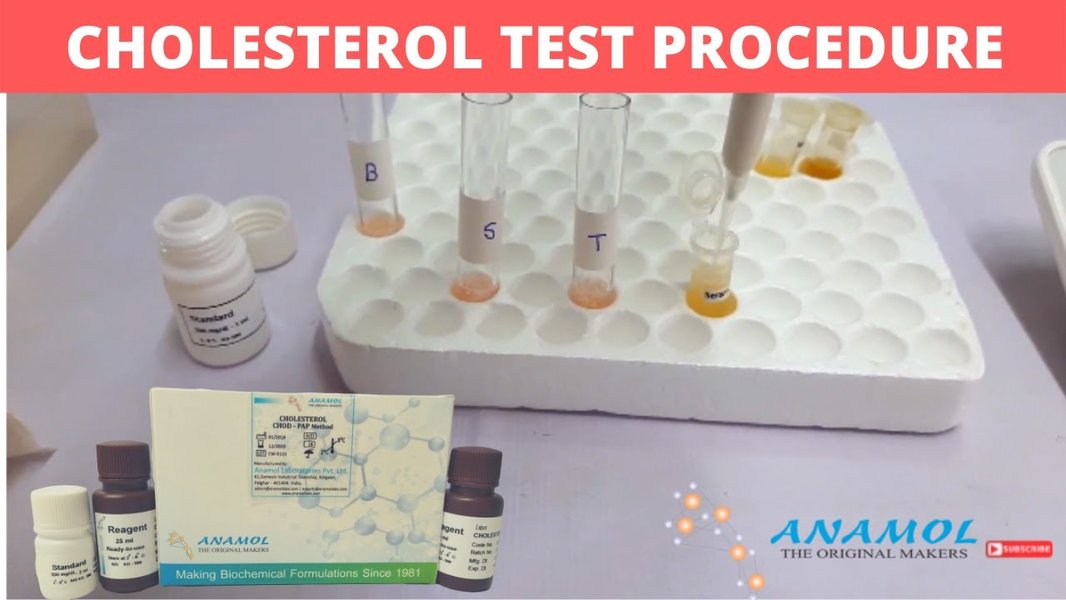
Key Insights into High HDL Cholesterol
- Generally Asymptomatic: Most individuals with high HDL cholesterol do not exhibit noticeable symptoms and are often unaware until detected through blood tests.
- Atypical Presentations: In rare cases, exceedingly high HDL can be linked to nonspecific symptoms such as fatigue, dizziness, and even chest discomfort.
- Complex Cardiovascular Implications: While HDL is typically protective, extremely high levels may sometimes correlate with cardiovascular changes that warrant further investigation.
Comprehensive Understanding of High HDL Cholesterol
Overview
High-density lipoprotein (HDL) cholesterol is often celebrated as the "good" cholesterol because it aids in removing low-density lipoprotein (LDL) or "bad" cholesterol from the bloodstream, transporting it to the liver for excretion. However, the conventional wisdom that “more is better” may not always hold true. While moderate to high levels of HDL are associated with a reduced risk of cardiovascular disease, there is emerging evidence, albeit in rare circumstances, that extremely high levels of HDL cholesterol may be linked with subtle, nonspecific symptoms or other adverse cardiovascular events.
Detection and Measurement
Typically, high HDL cholesterol is identified through a lipid panel, which measures several key components:
| Cholesterol Parameter | Description | Typical Healthy Range |
|---|---|---|
| Total Cholesterol | The overall cholesterol level in the bloodstream | Below 200 mg/dL |
| HDL Cholesterol | "Good" cholesterol responsible for removing LDL | 40-60 mg/dL (above 60 mg/dL is usually considered protective) |
| LDL Cholesterol | "Bad" cholesterol that can accumulate as plaque | Below 100 mg/dL is optimal |
| Triglycerides | A type of fat in the blood | Below 150 mg/dL |
Routine blood tests are critical because the majority of individuals do not experience overt symptoms linked specifically to high HDL cholesterol. While the good cholesterol is beneficial, in some atypical cases, significant abnormalities in HDL levels may indicate underlying metabolic or genetic disorders.
Symptoms Associated with High HDL Cholesterol
Subtle and Nonspecific Indicators
The term “symptoms” when discussing high HDL cholesterol is often misleading. In most cases, individuals with high HDL cholesterol do not feel any distinctive symptoms reminiscent of those experienced with high LDL cholesterol levels. Instead, the condition is usually diagnosed incidentally during blood work. However, in rare situations, several nonspecific symptoms may be observed:
Fatigue and Dizziness
A prevailing observation in certain clinical cases includes a sense of fatigue or dizziness. While these symptoms are nonspecific in nature and can be attributed to various conditions, some studies have noted their occurrence in patients with exceptionally high HDL levels. It remains unclear whether these symptoms are directly due to high HDL or related to other concurrent metabolic abnormalities.
Chest Discomfort or Pain
There are instances where patients with very high HDL may experience chest pain or angina. This symptom, albeit alarming, does not imply that HDL itself is causing harm. Instead, it may point to underlying changes in the cardiovascular system, such as arterial stiffness or other structural anomalies, especially when combined with other risk factors for heart disease. It is crucial to note that chest pain can have a wide range of causes and should prompt a thorough medical examination.
Other Rare Manifestations
In addition to fatigue, dizziness, and chest pain, there have been reports—though infrequent—of symptoms such as:
- High Blood Pressure: Some patients with unusually high HDL levels have been observed to have concurrently elevated blood pressure, contributing to an enhanced cardiovascular risk profile.
- Xanthomas: These are yellowish cholesterol-rich deposits that can sometimes appear under the skin. Although more commonly linked to high LDL cholesterol, rare cases of xanthomas have been associated with disruptions in cholesterol regulation.
- Arcus Senilis: This is a condition where a ring appears around the cornea due to deposits of cholesterol, which can affect vision, though it is usually age-related and not solely a marker for high HDL.
It is important to stress that these symptoms are not a direct result of elevated HDL on its own but may occur in the context of complex metabolic or genetic variations affecting cholesterol transport and regulation.
Underlying Causes and Related Factors
Genetic and Lifestyle Considerations
While high HDL cholesterol is generally considered advantageous, there exist exceptional circumstances where genetic conditions such as cholesteryl ester transfer protein (CETP) deficiency can lead to markedly high HDL levels. CETP deficiency is a rare genetic disorder resulting in abnormal cholesterol transport. Individuals with this condition often show high HDL levels on routine blood tests but without overt clinical symptoms.
The Role of Lifestyle Choices
Lifestyle factors can influence overall cholesterol levels. High HDL cholesterol might be seen in individuals who are physically active and adhere to diets rich in healthy fats. However, abrupt changes in lifestyle or dietary patterns may sometimes cause atypical lipid profile results. Factors such as excessive alcohol consumption, smoking, or certain medications could further complicate the lipid profile, contributing to unusual manifestations in the body.
In the context of cardiovascular health, a holistic approach is vital. It is crucial not only to focus on the HDL level but also to understand the balance among all lipid parameters. For instance, even with high HDL, an elevated LDL or triglyceride level can counteract the protective effects of HDL, thereby increasing overall cardiovascular risk.
Visualizing the Cholesterol Spectrum
Radar Chart Representation
The radar chart below provides a visual representation of various cholesterol-related parameters based on an opinionated analysis. The different datasets represent HDL, LDL, total cholesterol, triglycerides, and non-HDL cholesterol. Although HDL is generally considered beneficial compared to LDL, the chart illustrates how the balance among these lipids is crucial for overall cardiovascular health.
Investigating Cardiovascular Health and Cholesterol Management
Medical Guidelines & Clinical Recommendations
Current clinical guidelines emphasize the importance of a comprehensive lipid profile evaluation rather than focusing solely on HDL levels. While a high HDL cholesterol level is traditionally considered protective, it should always be interpreted alongside other risk factors such as elevated LDL cholesterol, triglyceride levels, and overall cardiovascular fitness.
Healthcare professionals recommend that individuals, particularly those with a family history of heart disease or other risk factors, undergo regular check-ups. This routine evaluation ensures any unusual lipid profile findings—whether they be high HDL or other abnormal values—are promptly addressed with appropriate lifestyle modifications or further diagnostic work-up.
Additional Considerations
Although high HDL levels are generally asymptomatic, any accompanying non-specific symptoms such as fatigue, dizziness, or chest discomfort should prompt an evaluation. It is imperative to consider that these symptoms can arise due to multiple causes and might not be solely attributed to HDL cholesterol levels.
Cholesterol and Overall Health Metrics
In many cases, the interplay between HDL and other blood lipid components, including LDL and triglycerides, is complex. Consequently, diagnosing cardiovascular concerns requires an integrative approach that factors in:
- Family history and genetic predisposition
- Lifestyle factors (dietary patterns, exercise routines, smoking, and alcohol consumption)
- Supplementary blood work for inflammatory markers and metabolic health indicators
Regular dialogue with healthcare providers is essential to interpret lipid panel results in the context of an individual’s broader health profile. Even though HDL is known as "good" cholesterol, vigilance remains important—especially if unexpected symptoms arise.
Embedded Media Insight
Educational Video Resource
To further explore the complexities of cholesterol management, including the discussion on high HDL levels, consider watching this insightful video. It provides expert commentary and visual illustrations that add depth to the understanding of lipid profiles and cardiovascular health.
Frequently Asked Questions (FAQ)
What does a lipid panel test include?
Is high HDL cholesterol always beneficial for heart health?
What lifestyle changes can help balance cholesterol levels?
References
- High Cholesterol - NHS
- High Cholesterol Symptoms: What to Know - Healthline
-
Hyperlipidemia (High Cholesterol) - Cleveland Clinic
- High HDL Cholesterol - Heart UK
- High Cholesterol Risk Factors - British Heart Foundation
Recommended For Further Exploration
Last updated April 2, 2025