
Healing from Fearful Avoidant Attachment: A Comprehensive Guide
Understanding and Overcoming Fearful Avoidant Attachment for Healthier Relationships
Key Highlights for Healing
- Self-Awareness and Education: Recognizing and understanding your attachment style is the first step toward healing.
- Therapy and Trauma-Informed Care: Seeking professional help, especially trauma-informed therapy, can address underlying fears and past traumas.
- Building Secure Relationships: Practicing open communication, setting boundaries, and fostering self-compassion can lead to more secure attachments.
Understanding Fearful Avoidant Attachment
Fearful avoidant attachment, also known as disorganized attachment, is an insecure attachment style characterized by a combination of both anxious and avoidant behaviors. Individuals with this attachment style crave intimacy and connection but simultaneously fear getting too close to others due to past traumas or negative experiences. This creates an internal conflict where they desire relationships but also anticipate rejection and hurt.
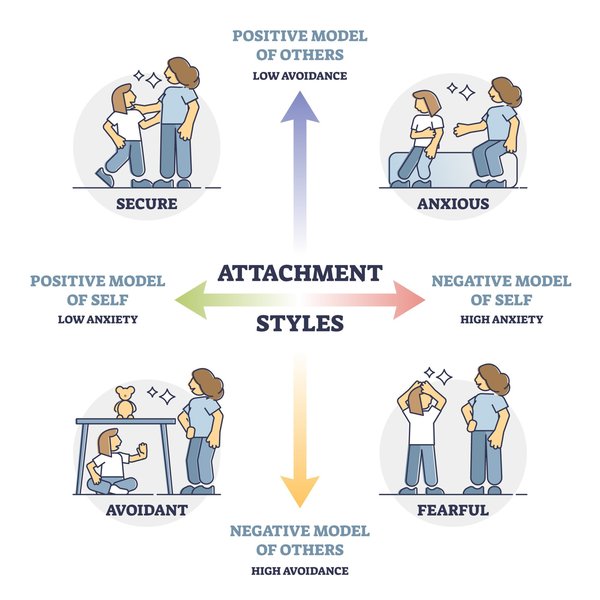
Attachment Styles and Their Origins
Attachment theory suggests that attachment styles develop in infancy and early childhood based on the interactions with primary caregivers. A child who has a consistently positive, nurturing, and safe relationship with their caregiver is likely to form a secure attachment style. In contrast, fearful avoidant attachment often stems from unpredictable or negative behaviors from the parent or caregiver, such as abuse, neglect, or inconsistent emotional support.
Attachment trauma occurs when a caregiver is a source of overwhelming distress for the child. This can result from overt causes like abuse or neglect, or covert causes such as a caregiver's mental health difficulties, making them emotionally unavailable. These early experiences can lead individuals to believe they are unlovable and to distrust others, causing them to withdraw from relationships to protect themselves.
Strategies for Healing Fearful Avoidant Attachment
Healing from a fearful avoidant attachment style requires a multifaceted approach that includes self-awareness, therapy, and the development of healthier relationship patterns. It's essential to recognize that changing your attachment style is possible with dedication and effort.

Self-Reflection and Understanding
The first step toward healing is to understand your attachment patterns. Reflect on past relationships, both romantic and platonic, to identify instances where fear or avoidance led you to distance yourself emotionally. Journaling or talking with a trusted friend about your feelings and past relationships can help you gain clarity.
Recognizing Triggers
Becoming aware of when your fearful-avoidant style is being triggered is crucial. Pay attention to your emotional and physical responses in different situations to identify specific triggers. Once you recognize these triggers, you can start to develop strategies to manage them more effectively.
Challenging Negative Thoughts
People with fearful avoidant attachments often think negatively of themselves. Challenge these negative thought patterns by identifying and reframing them. Focus on your positive qualities and accomplishments to build a stronger sense of self-worth.
Seeking Professional Support
Therapy is often considered the best route for addressing fearful avoidant attachment. A therapist trained in attachment theory can help you explore how your childhood experiences and attachment patterns affect your relationships today.
Trauma-Informed Therapy
Trauma-informed care is particularly helpful for people with fearful-avoidant attachment. Therapists who practice trauma-informed care understand how past traumatic experiences shape current behaviors and emotional responses. They can help you build a sense of security in your relationships and work through unresolved trauma.
Specific therapies like Eye Movement Desensitization and Reprocessing (EMDR) can be effective in alleviating the distress associated with traumatic memories. Trauma-focused psychotherapy helps in processing these traumas and developing new, healthier beliefs.
Talk Therapy and Counseling
Talk therapy is foundational in helping people learn to cope with and eventually change from a fearful avoidant attachment style. Family counseling or relationship counseling can also help your loved ones learn how to support you through these changes.
Building Healthier Relationships
Creating and maintaining healthy relationships is a critical part of healing from fearful avoidant attachment. This involves developing effective communication skills, setting boundaries, and practicing self-compassion.
Improving Communication
Fearful avoidant individuals may struggle with communication, but therapy can help you develop healthy communication skills and express your emotions effectively. Clear and transparent communication can help you interpret and express your own needs and emotions more openly.
Active Listening
Actively listening to a loved one can help you better understand their intentions and facilitate the relational bond. Active listening includes not only listening to the words the other person is saying but also paying attention to body language and facial expressions.
Setting Boundaries
Many people with a fearful-avoidant attachment style have trouble with boundaries. Spend time considering what you are comfortable with and what your limits are. Vocalizing these boundaries to others in your life can help them understand what makes you feel fear and what triggers your anxiety.
Practicing Self-Compassion
Self-compassion involves treating yourself with the same kindness and understanding you would offer to a friend. Practice self-compassion by acknowledging your struggles, recognizing your common humanity, and offering yourself comfort and support.
Additional Strategies for Healing
In addition to therapy and relationship-building, there are several other strategies that can support healing from fearful avoidant attachment.
Self-Regulation Techniques
Learning to regulate your emotions is crucial for building healthier relationships. Relaxation techniques like meditation, mindfulness, and yoga can help you develop the self-awareness you need to understand your emotions and how they feel in your body. Exercise can also help you become more in tune with your body.
Positive Affirmations
Write positive affirmation cards and learn to talk to yourself as your own positive motivational coach. This can help rewire your thought patterns and build self-esteem.
Engaging in Self-Care
Putting yourself first with self-care can help heal attachment wounds. This includes engaging in activities that bring you joy and relaxation, setting healthy boundaries, and prioritizing your emotional and physical well-being.
Attachment Styles in a Table
Here is a summary table highlighting the four main attachment styles, their characteristics, and associated behaviors:
| Attachment Style | Description | Behaviors |
|---|---|---|
| Secure | Characterized by trust, emotional availability, and comfort with intimacy. | Seeks support when needed, maintains healthy relationships, and effectively communicates needs. |
| Anxious-Preoccupied | Characterized by a strong desire for intimacy, fear of abandonment, and need for reassurance. | Seeks constant validation, worries about relationships, and may come across as "needy." |
| Dismissive-Avoidant | Characterized by emotional distance, independence, and suppression of emotions. | Avoids intimacy, dismisses the importance of relationships, and prefers to be self-reliant. |
| Fearful-Avoidant | Characterized by a combination of anxious and avoidant traits, craving intimacy while fearing rejection. | Experiences a push-pull dynamic in relationships, struggles with trust, and may withdraw emotionally. |
Role of Therapy in Healing Attachment Wounds
Therapy plays a pivotal role in healing attachment wounds by providing a safe and supportive environment to explore past traumas and develop healthier coping mechanisms. Different therapeutic approaches can be tailored to address the specific needs of individuals with fearful avoidant attachment.

Attachment-Based Therapy
Attachment-based therapy focuses on understanding how early relationships with caregivers have shaped current attachment patterns. This approach helps individuals identify and address the root causes of their attachment issues, fostering a stronger sense of self-worth and security.
Trauma-Informed Care
Trauma-informed care recognizes the impact of past traumatic experiences on present behaviors and emotional responses. Therapists using this approach create a safe and supportive space for individuals to process their traumas and develop healthier coping strategies.
Cognitive Behavioral Therapy (CBT)
CBT helps individuals identify and change negative thought patterns and behaviors that contribute to their attachment issues. By challenging these patterns, individuals can develop more positive and adaptive ways of relating to others.
The Power of Understanding Attachment Styles | Ithy.com
The video, "Defining Attachment Trauma: How to Heal Attachment Wounds," offers a comprehensive overview of attachment trauma, its origins, and effective strategies for healing. It underscores the significance of understanding the connection between early childhood experiences and adult relationship patterns. By explaining how disruptions in the caregiver-child bond can lead to attachment trauma, the video highlights the importance of creating secure and nurturing relationships to foster emotional well-being. The video emphasizes practical steps, such as self-awareness, therapy, and emotional regulation, providing a roadmap for individuals seeking to overcome attachment wounds and build healthier, more fulfilling connections.
FAQ
What is fearful avoidant attachment?
Fearful avoidant attachment is an insecure attachment style characterized by a combination of both anxious and avoidant behaviors. Individuals with this style crave intimacy but fear getting too close to others due to past negative experiences.
How does fearful avoidant attachment develop?
Fearful avoidant attachment typically develops in infancy and early childhood as a result of inconsistent or negative interactions with primary caregivers, such as abuse, neglect, or emotional unavailability.
Can fearful avoidant attachment be healed?
Yes, it is possible to heal from fearful avoidant attachment with dedication, self-awareness, therapy, and the development of healthier relationship patterns.
What type of therapy is most effective for fearful avoidant attachment?
Trauma-informed therapy, attachment-based therapy, and cognitive behavioral therapy (CBT) are all effective approaches for addressing fearful avoidant attachment.
What are some self-help strategies for healing fearful avoidant attachment?
Self-help strategies include practicing self-compassion, setting boundaries, improving communication skills, engaging in self-care, and learning self-regulation techniques like meditation and mindfulness.
References

Last updated April 13, 2025