
The Healthiest Cooking Oils
Discover nutrient-rich oils for healthier cooking at home
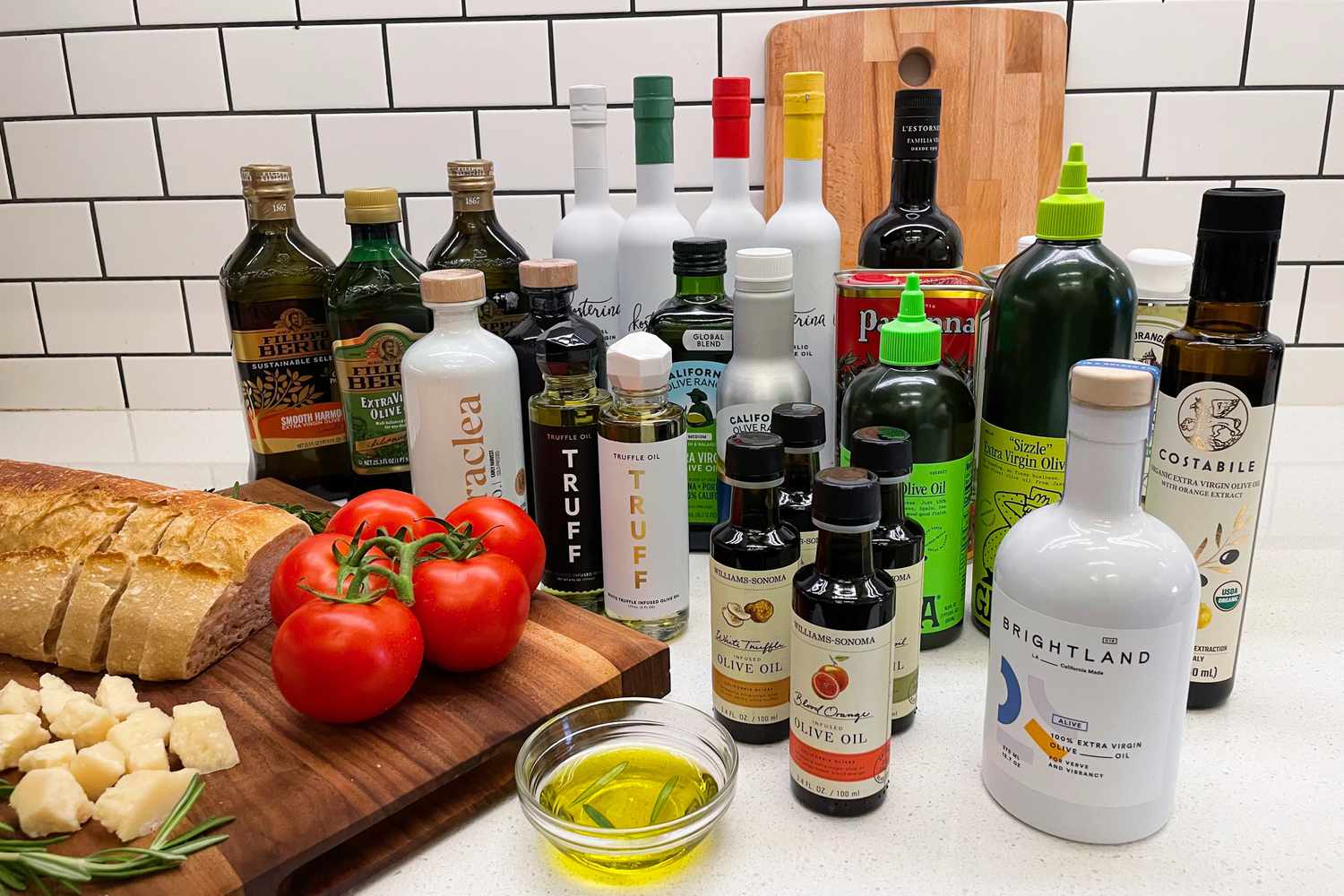
Essential Highlights
- Extra Virgin Olive Oil is renowned for its antioxidants and heart-healthy monounsaturated fats.
- Avocado Oil offers a high smoke point and beneficial nutrients ideal for high-heat cooking.
- Versatile Oils such as safflower, rapeseed, and sesame provide additional choices, each with unique nutritional profiles.
Overview of Healthy Cooking Oils
When selecting cooking oils, several factors must be considered to maximize both flavor and nutritional benefits. The healthiest oils are typically low in saturated fats and high in unsaturated fats (monounsaturated and polyunsaturated fats). This balance can contribute to improved heart health, reduced inflammation, and overall better dietary quality.
Extra Virgin Olive Oil (EVOO)
Extra Virgin Olive Oil is often celebrated as one of the healthiest cooking oils available. It is abundant in monounsaturated fats and antioxidants, particularly polyphenols, which play a crucial role in reducing the risk of cardiovascular diseases and lowering blood pressure. Its mild, fruity flavor makes it excellent for dressings, drizzling over cooked dishes, and light sautéing. While its smoke point ranges between approximately 320°F (160°C) for unrefined oils to around 375°F (190°C) for refined versions, its nutritional merits make it a staple in the Mediterranean diet.
Avocado Oil
Avocado Oil is another top contender among healthy cooking oils. Its high content of monounsaturated fats and vitamin E, along with a robust array of antioxidants, has made it popular among nutrition experts. Notably, its very high smoke point (around 520°F or 271°C) makes it ideal for robust cooking techniques such as frying, grilling, and roasting. The oil's mild, buttery flavor enhances dishes without overpowering their natural taste.
Safflower and Sunflower Oils
Safflower and sunflower oils are commonly chosen for their favorable fatty acid composition. Safflower oil, rich in monounsaturated fats, is well-suited for high-heat cooking owing to its high smoke point. Sunflower oil provides ample amounts of omega-6 fatty acids, though it should be used with moderation due to a potential imbalance of omega-3 to omega-6 ratios in the diet. Both oils have a neutral flavor profile, making them versatile in various culinary applications.
Canola and Rapeseed Oils
Canola oil, derived from rapeseed, is praised for its low amount of saturated fats and a beneficial balance of omega-3 and omega-6 fatty acids. This oil is versatile with a neutral flavor, making it a suitable option for salad dressings, baking, and everyday cooking. Rapeseed oil, similar in composition to canola oil, is equally beneficial due to its high content of unsaturated fats, including the beneficial alpha-linolenic acid (ALA). These properties support cardiovascular health and help maintain overall wellness.
Sesame Oil
Sesame oil offers not only a unique, nutty flavor but also nutritional advantages due to its mix of monounsaturated and polyunsaturated fats. Its traditional use in Asian cooking leverages both the flavor and the health benefits including antioxidant properties. Sesame oil is best used in moderate, low-to-medium heat cooking or as a finishing oil in dressings and sauces, preserving its nutrient quality and aromatic properties.
Grapeseed and Flaxseed Oils
Grapeseed oil is another healthy choice, particularly favored for its high vitamin E content and polyunsaturated fats that support skin and cardiovascular health. While its smoke point makes it versatile for medium-heat cooking, it is also ideal as an ingredient in salad dressings.
Flaxseed oil, on the other hand, is exceptionally rich in omega-3 fatty acids. However, due to its low smoke point, it is best utilized in cold applications such as dressings or drizzled over finished dishes to preserve its delicate nutritional profile.
Comparative Table of Key Cooking Oils
| Oil | Key Nutrients | Smoke Point | Best Uses |
|---|---|---|---|
| Extra Virgin Olive Oil | Monounsaturated fats, antioxidants, polyphenols | 320°F to 375°F (160°C to 190°C) | Dressings, light sautéing, drizzling |
| Avocado Oil | Monounsaturated fats, vitamin E, oleic acid | 520°F (271°C) | Frying, grilling, roasting |
| Safflower Oil | High in monounsaturated fats | 440°F to 520°F (227°C to 271°C) | High-heat cooking, sautéing |
| Canola/Rapeseed Oil | Omega-3 and omega-6 balance, low saturated fats | Medium heat suitable | Versatile in sauces, baking, frying |
| Sesame Oil | Antioxidants, monounsaturated & polyunsaturated fats | 350°F to 410°F (177°C to 210°C) | Flavor enhancement, low-to-medium heat dishes |
| Grapeseed Oil | Vitamin E, polyunsaturated fats | High enough for medium heat | Salad dressings, sautéing, baking |
| Flaxseed Oil | Omega-3 fatty acids | Low | Cold applications, dressings |
Selecting the Right Oil for Your Needs
Consider Your Cooking Methods
It is important to choose an oil that aligns with your specific cooking method. For example, oils with a high smoke point, like avocado and safflower oils, are best for frying or grilling. In contrast, oils with lower smoke points, such as extra virgin olive oil or flaxseed oil, are most suitable for dressings or low-heat applications. Using oils beyond their optimal smoke point can lead to the breakdown of beneficial compounds and the formation of harmful free radicals.
Nutritional Considerations
The nutritional profile is another critical factor. Oils rich in monounsaturated fats, like extra virgin olive oil and avocado oil, help regulate cholesterol levels, reduce inflammation, and support heart health. Oils high in polyunsaturated fats, including certain grapeseed oils, can supply essential fatty acids, though it is important to balance these with omega-3 sources for optimal health.
Flavor Profiles and Culinary Uses
Incorporating healthy oils not only improves the nutritional content of your meals but also enhances flavor. For instance, sesame oil adds a distinctive aroma and flavor to Asian dishes, while the subtle taste of canola oil serves well in baked goods or when a neutral oil is desired. Understanding the flavor profiles of each oil helps in pairing them appropriately with your recipes.
Avoiding Unhealthy Fats
While several oils provide beneficial nutrients, it is just as important to be cautious of oils high in saturated fats. Coconut oil and certain palm oils, although popular in some culinary traditions, contain higher levels of saturated fat, which may contribute to elevated cholesterol levels if consumed excessively. Moderation and balance are key, and the focus should remain on oils that support long-term health.
References
- Healthy Cooking Oils (Plus Ones to Avoid) - Dr. Axe
- The 5 Healthiest Oils to Cook With—and 5 To Avoid - Eat This Not That
- Choosing and Using Healthy Cooking Oils: What To Use and When - Cleveland Clinic
- Healthy Cooking Oils - American Heart Association
- 7 Top Healthy Oils to Cook With (And 5 to Avoid) - Good Housekeeping
Recommended Further Queries
Last updated March 14, 2025