
Discover the Best Cooking Oils for Health & Flavor
Unearthing the healthiest oils to enrich your diet and elevate your cooking experience.
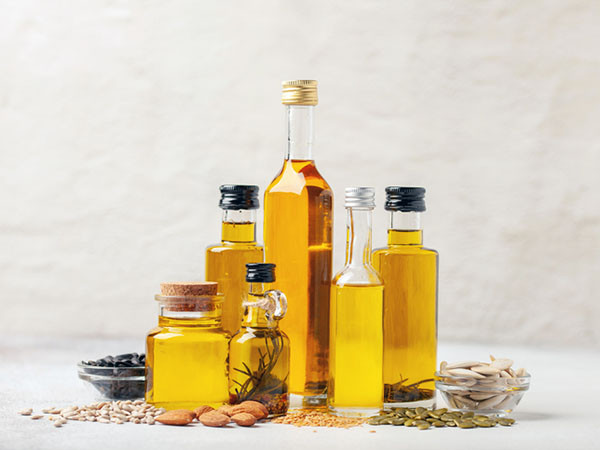
Key Highlights
- Heart-Healthy Fats: Oils rich in monounsaturated and polyunsaturated fats support cardiovascular health.
- Proper Smoke Points: Consider oils with high smoke points for high-heat cooking and low smoke points for dressings.
- Flavor & Versatility: Different oils contribute unique flavors and nutritional benefits tailored to your cooking style.
Understanding the Healthiest Cooking Oils
Making the best choice among cooking oils involves balancing flavor, nutritional properties, and the intended cooking method. Many oils pack a significant nutritional punch by incorporating heart-healthy fatty acids, antioxidants, and other bioactive compounds. In this comprehensive guide, we explore various oils that are commonly recognized as favorable options, highlighting their key attributes and culinary uses.
The Role of Fats in Nutrition
Fats are an essential part of any balanced diet and play multiple roles, such as providing energy, aiding in nutrient absorption, and contributing to cell structure. However, the quality of fats makes all the difference. Saturated and trans fats are generally considered less favorable because they can raise cholesterol levels and increase the risk of heart disease. In contrast, monounsaturated and polyunsaturated fats—found abundantly in healthy cooking oils—are beneficial for heart health. These fats help lower bad cholesterol and provide anti-inflammatory effects, contributing to overall wellness.
Smoke Point and Its Significance
The smoke point of an oil is the temperature at which it starts to break down, producing smoke and potentially harmful compounds. Oils with higher smoke points are preferred for high-heat cooking methods such as frying, sautéing, and roasting. Conversely, oils with lower smoke points are ideal for dressings, drizzling, and low-heat cooking methods. Choosing an oil with the appropriate smoke point ensures that you maintain the nutritional integrity and flavor profile of the oil while cooking.
Nutritional Composition and Processing
The nutritional composition of an oil is determined by its fatty acid profile. Oils that are cold-pressed or labeled as extra-virgin retain more of their natural antioxidants and vitamins since they are minimally processed. This minimal processing helps preserve sensitive compounds that can be degraded by high heat or chemical refining. When shopping for cooking oils, opt for labels like "extra virgin" or "cold-pressed," which indicate a higher preservation of the oil’s natural benefits.
Overview of Top Healthy Cooking Oils
1. Extra-Virgin Olive Oil
Characteristics and Uses
Extra-virgin olive oil (EVOO) is celebrated for its abundant monounsaturated fats and antioxidants. Its robust flavor makes it ideal for drizzling over salads, pasta, or using as a finishing oil. Although EVOO is best suited for low to medium-heat cooking due to its relatively lower smoke point, its benefits in reducing inflammation and supporting cardiovascular health make it a top choice.
Nutritional Benefits: Rich in oleic acid and phenolic compounds that may help reduce inflammation.
2. Avocado Oil
Characteristics and Uses
Known for its very high smoke point—about 520°F (271°C)—avocado oil is extremely versatile. It works well in high-heat cooking methods like frying, roasting, or sautéing. Avocado oil is also valued for its neutral flavor, which means it can be incorporated into a wide range of recipes without overpowering the dish's natural taste. The abundance of monounsaturated fats and vitamin E enhances its nutritional profile, supporting skin health and heart function.
3. Sesame Oil
Characteristics and Uses
Sesame oil offers a nutty flavor that is distinct and aromatic, making it a popular choice in Asian cuisine. It is available in two main forms: unrefined (or untoasted) for medium-heat cooking and toasted for use as a flavor enhancer. While its smoke point is moderate, its robust taste and beneficial antioxidants provide both flavor and nutritional value.
4. Safflower and Grapeseed Oils
Characteristics and Uses
Both safflower and grapeseed oils offer high smoke points, making them excellent options for high-heat cooking. Safflower oil is particularly low in saturated fats, and both oils provide a neutral flavor profile that pairs well with various dishes. While they may not contain as many antioxidants as extra-virgin olive oil, their stable composition at high temperatures makes them indispensable for frying and sautéing.
5. Flaxseed Oil
Characteristics and Uses
Rich in omega-3 fatty acids, flaxseed oil is prized for its anti-inflammatory properties and nutritional benefits. However, its low smoke point limits its use in cooking to cold applications, such as salad dressings or smoothies. It should be stored in a dark, airtight container to prevent oxidation.
6. Ghee
Characteristics and Uses
Derived from clarified butter, ghee is free of the milk solids found in traditional butter, making it easier to digest for some people. It is rich in fat-soluble vitamins like A, E, and K2 and offers a high smoke point, which is excellent for high-heat cooking methods. Ghee imparts a rich, nutty flavor that is especially popular in Indian cuisine.
Other Noteworthy Oils
In addition to the aforementioned oils, other healthy options include:
- Canola Oil: Low in saturated fat and a source of omega-3 fatty acids; suitable for various cooking methods but best used in moderation.
- Coconut Oil: Contains medium-chain triglycerides (MCTs), though it is high in saturated fat. Use it sparingly and consider it for specific recipes where its unique flavor fits well.
- Walnut Oil: Rich in polyunsaturated fats and antioxidants, with a distinctive nutty taste ideal for cold dishes.
- Rice Bran Oil: With a high smoke point and mild flavor, it is a reliable choice for high-heat cooking.
- Sunflower & Pumpkin Seed Oils: Both provide beneficial unsaturated fats and are excellent for dressings and certain cooking techniques.
Comparative Table of Healthy Cooking Oils
| Cooking Oil | Primary Fat Type | Smoke Point | Flavor Profile | Best Use |
|---|---|---|---|---|
| Extra-Virgin Olive Oil | Monounsaturated | 320°F-375°F | Robust, fruity | Dressings, low-heat cooking |
| Avocado Oil | Monounsaturated | 520°F | Mild, buttery | Frying, roasting, sautéing |
| Sesame Oil | Monounsaturated/Polyunsaturated | 350°F-410°F | Nutty, aromatic | Asian dishes, medium-heat cooking |
| Safflower Oil | Polyunsaturated | 450°F | Neutral | Frying, sautéing |
| Grapeseed Oil | Polyunsaturated | 420°F | Neutral | Stir-frying, salad dressings |
| Flaxseed Oil | Polyunsaturated (Omega-3) | Low (Not for heat) | Mild, slightly nutty | Salad dressings, supplements |
| Ghee | Saturated & Monounsaturated | 485°F | Rich, nutty | High-heat cooking, sautéing |
Considerations for Choosing the Right Oil
Nutritional Attributes
The balance of fats in a given oil plays a pivotal role in its nutritional value. Oils high in monounsaturated fats, such as extra-virgin olive oil and avocado oil, can help regulate cholesterol levels, reduce inflammation, and support overall heart health. Polyunsaturated fats, including omega-3 fatty acids found in flaxseed oil, are essential for brain function and may reduce the risk of chronic diseases. Even though saturated fats are generally recommended to be limited, certain sources like coconut oil or ghee have their place when consumed in moderation.
Flavor and Culinary Applications
Every oil brings its own unique flavor to your dishes. While extra-virgin olive oil lends a distinctive taste that pairs perfectly with Mediterranean recipes, avocado oil’s neutral profile allows the natural flavors of the ingredients to shine through. Sesame oil, with its distinctly nutty taste, is a favorite in stir-fries and Asian cuisine. When choosing an oil, think about how its flavor complements the specific dish you are preparing.
Cooking Methods and Heat Stability
Matching the oil to the cooking method is crucial for maintaining the desired health benefits and flavor profiles. Oils with higher smoke points such as avocado, safflower, grapeseed, and ghee are ideal for high-temperature cooking. In contrast, oils with lower smoke points (like extra-virgin olive oil or flaxseed oil) are best used in dressings, drizzling over finished dishes, or low-heat applications. Selecting the appropriate oil for your cooking method helps ensure food safety and minimizes the production of harmful compounds during heating.
Additional Tips for Using Cooking Oils
Storage and Shelf Life
To fully benefit from the nutritional properties of cooking oils, proper storage is essential. Oils that are rich in polyunsaturated fats, like flaxseed oil, should be stored in a cool, dark place or refrigerated. Always keep the bottle tightly sealed to prevent oxidation. If an oil begins to develop an off smell or taste, it may be a sign that it has gone rancid and should be discarded.
Moderation is Key
Even the healthiest oils are high in calories. It is important to use them in moderation, integrating them as part of a balanced diet. Rather than adding extra calories, they should be seen as a nutritional component that offers benefits when substituted for less healthy fats.
Integrating Variety in Your Diet
While extra-virgin olive oil and avocado oil are highly recommended for their broad applications and health benefits, incorporating a variety of oils in your cooking can lend interesting flavors and provide a range of nutrients. Each oil has its specialty, and rotating your choices according to the dish and cooking method can maximize nutritional intake and culinary delight.
References
- Healthy Cooking Oils - Dr. Axe
- Best Cooking Oils - Healthline
- Healthy Cooking Oils - American Heart Association
- Healthiest Cooking Oils - Good Housekeeping
- Choosing Healthy Cooking Oils - Cleveland Clinic
Recommended Related Queries
Last updated March 24, 2025