
Comprehensive Guide to a Healthy Diet
Discover balanced and nutritious meal plans to support your well-being
Key Takeaways
- Prioritize diverse vegetables and fruits for essential vitamins, minerals, and fiber.
- Incorporate whole grains and lean proteins to sustain energy and support muscle health.
- Maintain hydration and practice moderation to ensure overall balance and health.
1. Building a Balanced Diet
A. Vegetables and Fruits
Vegetables and fruits should form the cornerstone of your daily diet, offering a rich source of essential vitamins, minerals, and dietary fiber. Aim to consume a variety of colors and types to ensure a broad spectrum of nutrients. Dark leafy greens like spinach and kale, cruciferous vegetables such as broccoli and cauliflower, and brightly colored fruits like berries and citrus are excellent choices.
B. Whole Grains
Whole grains provide sustained energy and are high in fiber, aiding in digestion and maintaining steady blood sugar levels. Incorporate options like brown rice, quinoa, oats, and whole-grain bread into your meals. These grains not only enhance satiety but also contribute to heart health and weight management.
C. Lean Proteins
Proteins are vital for muscle repair, immune function, and overall growth. Opt for lean protein sources such as fish, chicken, beans, lentils, tofu, and nuts. Fatty fish like salmon and trout are particularly beneficial due to their high omega-3 fatty acid content, which supports heart and brain health.
D. Healthy Fats
Incorporating healthy fats into your diet is essential for brain function, hormone production, and the absorption of fat-soluble vitamins. Sources of healthy fats include avocados, olive oil, nuts, seeds, and fatty fish. These fats should be consumed in moderation to maintain a balanced diet.
E. Hydration
Staying hydrated is crucial for all bodily functions, including temperature regulation, joint lubrication, and nutrient transportation. Aim to drink 8-12 cups of water daily, adjusting based on activity level and climate. Limit the intake of sugary beverages and instead opt for herbal teas or infused water to enhance flavor without added sugars.
2. Designing Balanced Meals
A. The Balanced Plate
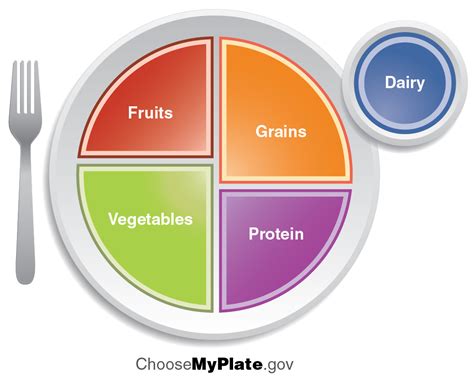
A balanced meal plate typically consists of half vegetables and fruits, a quarter lean proteins, and a quarter whole grains or healthy carbohydrates. Including healthy fats in moderation completes the meal, ensuring a well-rounded intake of macronutrients and micronutrients.
B. Example Meal Combinations
- Breakfast: Enjoy a bowl of oatmeal topped with fresh berries and a handful of nuts, or opt for avocado toast with a poached egg for a protein-packed start to your day.
- Lunch: A vibrant salad featuring mixed greens, grilled chicken, quinoa, and an olive oil-based dressing provides a nutrient-dense midday meal. Alternatively, a whole-grain wrap filled with hummus and assorted vegetables offers a convenient and healthy option.
- Dinner: Grilled salmon served with steamed broccoli and a side of brown rice makes for a satisfying and balanced evening meal. For a plant-based alternative, consider a tofu stir-fry with mixed vegetables and a soy-ginger sauce.
- Snacks: Choose fresh fruit, Greek yogurt, a handful of nuts, or veggie sticks paired with hummus to keep hunger at bay between meals.
C. Portion Control and Mindful Eating
Maintaining portion control is essential for weight management and preventing overeating. Use tools like calorie calculators to estimate your daily caloric needs based on factors such as age, gender, weight, height, and activity level. Practice mindful eating by paying attention to hunger and fullness cues, which can help prevent unnecessary snacking and promote a healthier relationship with food.
D. Meal Prepping for Success
Meal prepping can simplify daily eating habits and ensure that you have healthy options readily available. Prepare staples like grains, proteins, and roasted vegetables in bulk at the beginning of the week. This allows for easy assembly of balanced meals throughout the week, reducing the likelihood of reaching for less healthy convenience foods.
3. Special Dietary Considerations
A. Vegetarian and Vegan Diets
For those following vegetarian or vegan diets, it's important to ensure adequate intake of essential nutrients typically obtained from animal products. Incorporate a variety of plant-based proteins such as chickpeas, tempeh, beans, and lentils. Include plenty of colorful vegetables, whole grains, and healthy fats like avocado and nuts to maintain a balanced nutritional profile.
B. Managing Health Conditions
If you have specific health conditions like diabetes, hypertension, or digestive disorders, tailored dietary adjustments may be necessary. Consult with a healthcare professional or dietitian to develop a personalized meal plan that addresses your unique needs and supports your health goals.
C. Weight Management
For those aiming to manage their weight, focusing on nutrient-dense foods and controlling portion sizes is key. Incorporate fiber-rich vegetables and whole grains to promote satiety, and include lean proteins to support muscle maintenance. Regular physical activity, alongside a balanced diet, can enhance weight loss or maintenance efforts.
D. Allergies and Intolerances
Individuals with food allergies or intolerances must carefully select alternatives to avoid adverse reactions. For example, those with lactose intolerance can opt for lactose-free dairy products or plant-based milk alternatives. Always read labels to identify hidden allergens and consider working with a dietitian to ensure nutritional adequacy.
4. Practical Meal Ideas and Recipes
A. Quick and Easy Recipes
- 15-Minute Thai Basil Chicken: Stir-fry ground chicken with garlic, chili, soy sauce, and fresh basil. Serve with jasmine rice or quinoa for a flavorful and speedy meal.
- Pasta Primavera: Cook your favorite pasta and toss it with sautéed seasonal vegetables, olive oil, garlic, and a sprinkle of Parmesan cheese for a delightful and colorful dish.
- Vegan Buddha Bowl: Combine quinoa, roasted chickpeas, avocado, and steamed spinach. Top with a creamy tahini dressing for a nourishing and balanced bowl.
B. Comfort Foods with a Healthy Twist
- Baked Ziti: Layer cooked ziti pasta with marinara sauce, ricotta cheese, and mozzarella. Bake until bubbly for a comforting meal that retains its classic appeal.
- Creamy Shrimp Pasta: Sauté shrimp and toss with cooked pasta, a garlic cream sauce, and sun-dried tomatoes for a rich and satisfying dinner.
- Soup and Sandwich Combo: Pair a hearty soup like tomato or lentil with a turkey-and-avocado sandwich on whole-grain bread for a balanced and filling meal.
C. Healthier Snacks and Sides
-
Greek Yogurt with Fresh Fruit and Honey: A protein-rich snack that satisfies sweet cravings while providing essential nutrients.
-
Veggie Sticks with Hummus: Crunchy vegetables paired with a creamy hummus dip offer a nutritious and satisfying snack option.
-
Handful of Nuts or Seeds: Nuts and seeds are excellent sources of healthy fats and protein, making them a perfect on-the-go snack.
5. Incorporating Variety and Moderation
A. Variety for Nutritional Balance
Eating a diverse range of foods ensures that you receive all necessary nutrients for optimal health. Rotate different proteins, grains, and vegetables throughout the week to prevent dietary monotony and to cover a broader nutritional spectrum.
B. Moderation in Indulgences
While it's important to focus on nutritious foods, allowing yourself occasional treats helps maintain a balanced and sustainable diet. Enjoying less healthy options in moderation can prevent feelings of deprivation and support long-term dietary adherence.
C. Listening to Your Body
Pay attention to your body's hunger and fullness signals to guide your eating patterns. Eating when hungry and stopping when satisfied can help regulate caloric intake and promote a healthier relationship with food.
D. Minimizing Processed Foods
Reducing the intake of processed and packaged foods can significantly improve dietary quality. Focus on whole, minimally processed foods that are free from added sugars, unhealthy fats, and artificial additives.
6. Understanding Macronutrients
A. Carbohydrates
Carbohydrates are the body's primary energy source. Opt for complex carbohydrates found in whole grains, vegetables, and legumes, which provide sustained energy and are rich in dietary fiber.
B. Proteins
Proteins are essential for building and repairing tissues, producing enzymes and hormones, and supporting immune function. Incorporate a mix of animal and plant-based proteins to ensure a complete amino acid profile.
C. Fats
Fats play a crucial role in hormone production, nutrient absorption, and cell structure. Emphasize healthy fats from sources like avocados, olive oil, nuts, and fatty fish while limiting saturated and trans fats.
D. The Macronutrient Balance
Maintaining a balanced intake of carbohydrates, proteins, and fats supports overall health and energy levels. A typical balanced diet might consist of 45-65% carbohydrates, 20-35% fats, and 10-35% proteins, adjusted based on individual needs and activity levels.
| Macronutrient | Primary Functions | Best Sources |
|---|---|---|
| Carbohydrates | Energy production, brain function | Whole grains, fruits, vegetables, legumes |
| Proteins | Muscle repair, enzyme and hormone production | Lean meats, fish, beans, tofu, nuts |
| Fats | Hormone production, nutrient absorption, cell structure | Avocados, olive oil, nuts, seeds, fatty fish |
7. Practical Tips for Maintaining a Healthy Diet
A. Planning and Preparation
Effective meal planning can alleviate daily decision fatigue and ensure that you maintain a balanced diet. Allocate time each week to plan your meals, create a shopping list, and prepare ingredients in advance. This practice not only saves time but also encourages healthier eating habits.
B. Reading Nutrition Labels
Understanding nutrition labels empowers you to make informed food choices. Pay attention to serving sizes, calorie counts, and the amounts of essential nutrients like fiber, protein, vitamins, and minerals. Additionally, be mindful of ingredients lists to avoid added sugars, excessive sodium, and unhealthy fats.
C. Cooking Methods
The way you prepare your food can significantly impact its nutritional value. Opt for cooking methods that preserve nutrients and minimize the addition of unhealthy fats and sugars. Steaming, grilling, baking, and sautéing with minimal oil are excellent choices compared to frying or deep-frying.
D. Incorporating Physical Activity
Pairing a healthy diet with regular physical activity enhances overall health and supports weight management. Aim for a combination of aerobic exercises, strength training, and flexibility workouts to achieve balanced fitness and well-being.
8. Addressing Common Dietary Challenges
A. Dealing with Cravings
Cravings are a natural part of eating behaviors. To manage them effectively, identify triggers and find healthier alternatives that satisfy your desires without compromising nutritional goals. For instance, if you crave something sweet, opt for fresh fruit instead of processed sweets.
B. Eating Out Healthily
Dining out doesn't have to derail your healthy eating habits. Choose restaurants that offer balanced meal options, and don't hesitate to customize your orders by requesting grilled instead of fried dishes, opting for whole-grain options, and including plenty of vegetables.
C. Managing Portion Sizes
Large portion sizes can lead to overeating and weight gain. Use smaller plates, bowls, and utensils to naturally control portion sizes. Additionally, serve meals in the kitchen rather than at the table to prevent the temptation of second helpings.
D. Staying Consistent
Maintaining a healthy diet is a long-term commitment. Stay consistent by setting realistic goals, tracking your progress, and seeking support from friends, family, or professionals when needed. Remember that occasional indulgences are part of a balanced life.
Conclusion
Adopting a healthy diet involves a combination of balanced meal planning, portion control, and mindful eating practices. By prioritizing a variety of vegetables and fruits, incorporating whole grains and lean proteins, and maintaining proper hydration, you can support your overall health and well-being. Additionally, addressing special dietary needs and overcoming common challenges with practical strategies ensures a sustainable and enjoyable approach to healthy eating. Remember to stay consistent, listen to your body's needs, and seek professional guidance when necessary to achieve and maintain optimal health.
References
Last updated January 20, 2025