
What is the Best Diet for a Healthy Life?
A comprehensive look at nutritional patterns for lifelong wellness
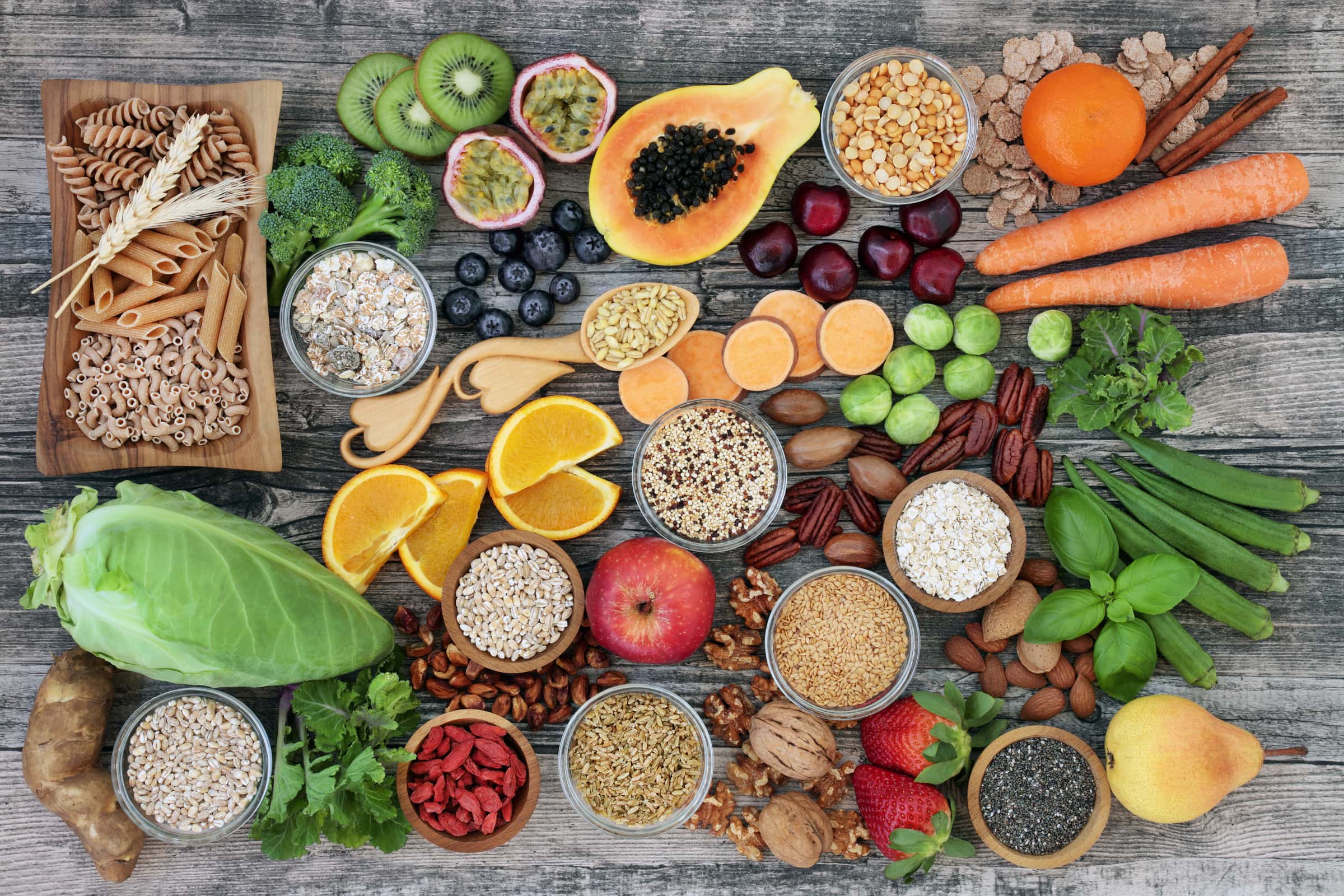
Key Highlights
- Plant-Centric Foundation: Emphasizing vegetables, fruits, whole grains, and legumes to maximize nutrient density.
- Balanced Macronutrients: Incorporating lean proteins and healthy fats while minimizing sugars and processed foods.
- Proven Dietary Patterns: Mediterranean, DASH, and Flexitarian diets offer sustainable benefits for heart, brain, and metabolic health.
Introduction
In the quest for optimal health and wellbeing, dietary choices serve as a cornerstone for developing a healthy life. There is no one-size-fits-all approach; however, multiple well-researched dietary patterns stand out for their consistent benefits across various health domains. By understanding the underlying benefits and principles common to these diets, individuals can craft a nutritional strategy tailored to their lifestyle, cultural preferences, and overall goals.
The best diet for a healthy life prioritizes whole, minimally processed foods and a balanced mix of macro- and micronutrients. This approach not only supports heart and brain health but also provides a sustainable foundation for long-term disease prevention. In this comprehensive review, we explore the major dietary patterns, their health benefits, and practical strategies to create a personalized eating plan.
Core Principles of a Healthy Diet
Nutrient-Dense, Whole Foods
The fundamental building block of a healthy diet is nutrient density. This means choosing foods that pack a wealth of vitamins, minerals, and beneficial phytochemicals relative to their calorie content. Emphasizing whole foods—comprising unprocessed or minimally processed fruits, vegetables, legumes, whole grains, nuts, and seeds—ensures sufficient intake of essential nutrients while limiting exposure to excess sugars, sodium, and unhealthy fats.
Benefits:
- Provides a broad spectrum of micronutrients essential for optimal bodily functions.
- Helps manage weight and supports a healthy metabolic rate.
- Reduces chronic inflammation and lowers the risk of several chronic diseases, including heart disease, diabetes, and certain forms of cancer.
Balanced Macronutrients
A balanced diet includes three primary macronutrients: carbohydrates, proteins, and fats. The focus should be on high-quality sources:
- Carbohydrates: Optimal carbohydrate intake comes from fruits, vegetables, and whole grains rather than refined grains and sugars. Complex carbohydrates provide fiber, which aids in digestion and helps maintain steady blood sugar levels.
- Proteins: Lean proteins from fish, poultry, and plant-based sources (such as legumes, nuts, and seeds) support muscle repair and growth. Some diets even encourage a flexitarian approach, emphasizing plant-based proteins while including small amounts of animal protein.
- Fats: Healthy fats, such as those found in olive oil, avocados, nuts, and fatty fish, play critical roles in hormone regulation and brain function. Avoiding trans fats and limiting saturated fats is essential for cardiovascular health.
This balanced macronutrient distribution supports energy levels, blood sugar control, and overall metabolic function while mitigating the risk factors associated with unhealthy fats and sugars.
Hydration and Moderation
Adequate hydration is often overlooked but is vital for nearly all bodily functions. Drinking water throughout the day supports digestion, aids nutrient absorption, and helps to regulate body temperature. Coupled with a mindful approach to portion sizes and moderation in indulgent foods such as processed sugars and alcoholic beverages, hydration contributes significantly to overall health.
In summary, a healthy diet that encourages nutrient-dense whole foods, balanced macronutrients, and proper hydration can serve as the foundation for long-lasting vitality.
Evaluating Leading Dietary Patterns
Mediterranean Diet
The Mediterranean diet is globally acclaimed as one of the best diets for a healthy life. Rooted in the traditional eating habits of Mediterranean countries, its benefits extend to heart and brain health, weight management, and reduction in the risk of chronic diseases.
Key Components:
- High intake of fruits, vegetables, whole grains, legumes, and nuts.
- Olive oil as the primary source of added fat.
- Moderate consumption of fish and poultry; low consumption of red meat and processed foods.
- Moderate wine intake, typically enjoyed with meals.
Multiple studies have associated the Mediterranean diet with improved cardiovascular outcomes, enhanced cognitive performance, and a lower incidence of type 2 diabetes. Its emphasis on plant-based foods and healthy fats makes it an attractive model for nutritional excellence.
DASH Diet
The DASH diet, or Dietary Approaches to Stop Hypertension, is designed specifically to manage blood pressure and promote overall cardiovascular health. This approach encourages a high consumption of fruits, vegetables, and low-fat dairy while limiting sodium, sweets, and red meats.
Key Features:
- A focus on reducing sodium intake to lower blood pressure.
- Inclusion of whole grains, lean proteins, and an array of fruits and vegetables.
- Connection between reduced sodium consumption and improved heart health.
- Ease of integration into everyday life with clear food group targets.
The DASH diet’s structured framework makes it a practical option for those aiming to adopt long-term healthy eating habits. Its flexibility allows for adaptation based on individual taste preferences, making it a sustainable choice for many individuals.
Plant-Based, Flexitarian, and MIND Diets
In addition to the Mediterranean and DASH diets, various plant-based eating plans have surged in popularity due to their notable health benefits:
Plant-Based Diets
Plant-based diets, which focus on consuming mostly fruits, vegetables, whole grains, legumes, nuts, and seeds, have been shown to reduce the risk of chronic diseases. These diets offer a wide range of beneficial nutrients while limiting the saturated fats and cholesterol typically found in animal-based products.
Flexitarian Diet
The flexitarian approach, or semi-vegetarianism, promotes a reliance on vegetarian meals while allowing for occasional meat consumption. This balance often leads to improved metabolic markers and weight management benefits without the need for strict dietary restrictions.
MIND Diet
The MIND diet merges components of the Mediterranean and DASH diets, specifically targeting brain health as its primary focus. By emphasizing foods that are beneficial for cognitive function—such as leafy greens, berries, and nuts—this diet has been associated with a lowered risk of neurodegenerative conditions like Alzheimer’s disease.
Comparative Analysis of Dietary Patterns
To better understand how these dietary patterns compare, it is valuable to analyze several key aspects. The table below summarizes the primary components, benefits, and ideal targets of each diet:
| Dietary Pattern | Main Components | Health Benefits | Ideal For |
|---|---|---|---|
| Mediterranean | Fruits, vegetables, whole grains, legumes, olive oil, moderate fish | Heart health, cognitive function, reduced chronic disease risk | Individuals seeking balanced, sustainable eating |
| DASH | Fruits, vegetables, whole grains, low-fat dairy, lean proteins, low sodium | Blood pressure regulation, cardiovascular health | Those with hypertension or cardiovascular concerns |
| Plant-Based | Fruits, vegetables, legumes, nuts, seeds, whole grains | Lower risk of obesity, type 2 diabetes, and chronic inflammation | People looking for a nutrient-dense, sustainable diet |
| Flexitarian | Predominantly plant-based with occasional meat | Improved metabolic health and weight management | Individuals desiring flexibility without strict restrictions |
| MIND | Leafy greens, berries, nuts, and lean proteins | Enhanced brain health and cognitive protection | Seniors and those at risk for neurodegenerative decline |
This comparative analysis underscores that while the Mediterranean diet generally garners the highest overall ranking for balanced nutrition and disease prevention, the DASH diet and plant-based alternatives also offer significant benefits for particular health concerns. Each of these diets centers on whole foods and advocates for the reduction of processed ingredients, which further supports their standing as effective nutritional strategies.
Practical Strategies for Adopting a Healthy Diet
Personalization and Flexibility
A key element of a healthy diet is its adaptability to personal circumstances. While the principles of nutrient density and balanced eating remain consistent, individual diets can be tailored to accommodate cultural preferences, seasonal availability, and even budgetary constraints.
One effective way to implement these strategies is through the "balanced plate" method, which divides each meal into portions. For example, filling half the plate with vegetables and fruits, one quarter with lean protein, and one quarter with whole grains ensures an even distribution of essential nutrients. This methodology is endorsed by various dietary guidelines and can easily be adjusted for portion sizes.
Meal Planning and Preparation
Successful adherence to a healthy diet often depends on proactive meal planning and preparation. By preparing meals at home using fresh, whole ingredients, individuals can have greater control over their nutritional quality. This process involves:
- Developing a weekly plan that incorporates a variety of fruits, vegetables, whole grains, and proteins.
- Batch cooking or meal prepping to minimize reliance on processed or fast food.
- Experimenting with recipes from different dietary patterns to keep meals exciting and diverse.
Such strategies not only mitigate the risk of nutrient deficiencies but also help in managing weight and improving overall metabolic outcomes through the consistent intake of wholesome foods.
Mindful Eating and Lifestyle Integration
Beyond food choices, cultivating mindful eating habits plays an important role in achieving nutritional goals. Mindful eating encourages individuals to pay close attention to the body's hunger and satiety cues while savoring each bite. This practice can reduce overeating and foster a healthier relationship with food.
In addition, aligning a healthy diet with complementary lifestyle practices, such as regular physical activity and stress management, further amplifies the benefits. Integrating these elements creates a holistic approach to health that extends well beyond the dining table.
Recent Dietary Guidelines and Future Trends
Recent dietary guidelines underscore the shift towards more plant-based diets and highlight the importance of nutrient quality over mere calorie counting. Updated guidelines emphasize:
- Customizing eating patterns to match individual needs, whether aiming to control weight, manage chronic diseases, or simply enhance overall health.
- Reducing consumption of added sugars, saturated fats, and sodium to lower the risk of chronic health issues.
- Promoting sustainability and environmental considerations by encouraging the consumption of plant-based foods.
These guidelines are supported by robust research and indicate future trends in nutritional science that are likely to further emphasize whole foods and personalized nutrition. As research continues to evolve, dietary recommendations may incorporate more tailored advice based on genetic, metabolomic, and lifestyle data.
Integration with Modern Lifestyles
Adapting to a Fast-Paced World
Modern lifestyles often come with time constraints and frequent reliance on temporary food solutions. Nonetheless, it is possible to stick with a healthy diet even in a fast-paced environment by utilizing several advanced strategies:
- Meal delivery services and subscriptions: Options that emphasize organic and whole-food ingredients can bridge the gap between a hectic schedule and a balanced meal plan.
- Smart kitchen appliances: Tools such as pressure cookers and air fryers expedite the preparation of fresh, home-cooked meals, reducing the temptation to opt for fast food.
- Digital planning apps: Mobile applications can help track meals, set reminders for water intake, and even suggest recipes based on current pantry items.
These innovations allow individuals to maintain healthy eating habits without significant disruptions to their routine.
Community and Social Engagement
Social support is another vital component to maintain a sustainable healthy diet. Engaging in community cooking classes, nutrition workshops, and online forums can provide motivation and education. Sharing successes and challenges with a community creates an environment of mutual support and accountability, making it easier to adhere to long-term dietary changes.
By fostering such community connections, individuals often find that their commitment to a healthy diet translates into broader lifestyle improvements, ranging from enhanced mental wellbeing to improved physical fitness.
Conclusion
In conclusion, determining the best diet for a healthy life is best understood through the lens of whole, nutrient-dense eating patterns rather than rigid prescriptive diets. Numerous dietary approaches—most notably the Mediterranean, DASH, and various plant-based/flexitarian models—share common elements that contribute to improved health outcomes. These include a foundation of fruits, vegetables, whole grains, and lean proteins, as well as healthy fats derived from plant sources and oily fish.
Emphasizing balanced macronutrients, proper hydration, and mindful eating practices contributes to overall wellbeing and helps reduce the risk of chronic diseases such as heart disease, diabetes, and neurodegenerative disorders. Moreover, flexibility and personalization are key; each individual can adjust these principles to suit their cultural, personal, and lifestyle factors. With updated dietary guidelines increasingly favoring plant-based options and sustainability, a holistic approach to nutrition has never been more relevant.
Practically, the transition to a healthy diet should be viewed as an ongoing journey that melds scientific research and traditional practices, each reinforcing the critical importance of a balanced, whole-foods approach in enhancing both longevity and quality of life.
References
-
Best Diets for Healthy Eating - US News Health
- Best Diets 2025: Mediterranean Diet Still Tops the Rankings - WebMD
- Best Diet Plans Of 2025: Expert Reviewed - Forbes Health
- DASH Eating Plan | NHLBI, NIH
- Eating a balanced diet - NHS
- Healthy Eating 101: Nutrients, Macros, Tips, and More - Healthline
Recommended Further Reading
Last updated February 26, 2025