
Global Footprint of Hearing Aid Manufacturing
Discover where top hearing aid brands design and produce their life-changing devices
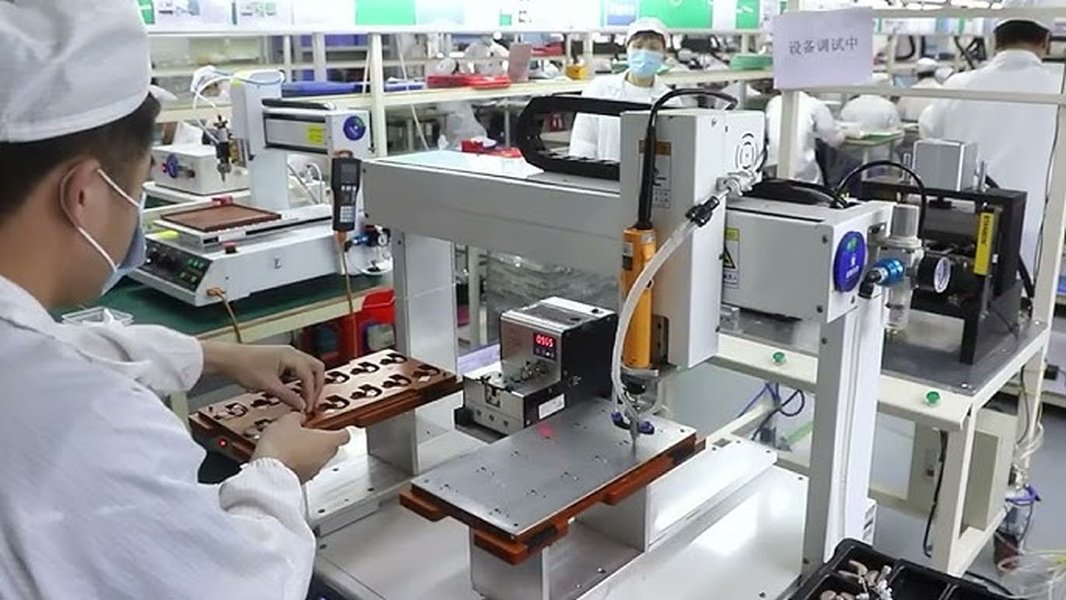
Essential Insights
- Global Production Hubs: Major manufacturers operate factories across Europe, Asia, the Americas, and beyond.
- Diversified Manufacturing: Many companies rely on multiple production sites to optimize cost, technology, and supply chain stability.
- Technological and Regulatory Influences: Production locations often reflect local expertise in technology, manufacturing quality, and regulatory frameworks.
Overview of Global Manufacturing Locations
The production of hearing aids is a highly specialized process that reflects the global reach of the industry. The leading manufacturers have strategically placed production facilities to serve diverse markets while balancing cost efficiency with technological advancements and regulatory requirements. Companies such as Sonova, WS Audiology, Oticon, Starkey, and GN ReSound have established manufacturing sites not only in the regions where their headquarters are located but also in countries that offer competitive advantages in manufacturing excellence. This approach allows them to integrate innovations from various global hubs, ensure high product quality, and meet the unique demands of different populations around the world.
In this comprehensive review, we explore where the products of the main hearing aid manufacturers are made, highlighting global production hubs, strategic manufacturing centers, and the benefits of this diversified approach.
Key Manufacturers and Their Production Sites
A closer look at some of the major players in the industry reveals a broad geographic distribution of production facilities:
1. Sonova Group (Phonak and Unitron)
Based in Stäfa, Switzerland, Sonova is one of the world's largest hearing aid companies. It owns prominent brands such as Phonak and Unitron. While the company's headquarters is located in Switzerland, significant manufacturing operations are carried out in other global hubs. For instance, production facilities can be found in China and Vietnam, where cost-effective and efficient production processes have been established. The diversified manufacturing strategy helps Sonova meet the high demand for advanced hearing devices and ensures a robust supply chain.
2. WS Audiology (Widex and Sivantos/Signia)
Formed through the merger of Sivantos and Widex, WS Audiology operates on a global scale. The company’s headquarters is associated with manufacturing facilities in Singapore, Denmark, Mexico, and other international locations. This spread enables WS Audiology to leverage regional expertise, adhere to different regulatory standards, and optimally distribute products globally. Their production footprint also reflects advanced technology integration and localized manufacturing practices, ensuring high quality and innovative hearing solutions.
3. Oticon (Demant Group)
Oticon, a pioneering force in hearing aid technology, is headquartered in Copenhagen, Denmark, and is part of the Demant Group. The production of Oticon hearing aids is largely centered in Denmark, where the company benefits from advanced technological expertise and a tradition of precision manufacturing. Denmark is recognized as a hub for hearing aid innovation, offering the right balance of skilled labor and high-quality production practices that uphold the company's commitment to user comfort and advanced sound technology.
4. GN ReSound
A Danish company with deep-rooted expertise, GN ReSound is well-known for its open-fit hearing devices and connectivity solutions, particularly with smartphones. As part of the GN Group, its production is primarily based in Denmark, ensuring state-of-the-art manufacturing processes and consistent product quality. The focus on innovation and technology integration remains at the core of its production strategy, positioning Denmark as a key manufacturing base.
5. Starkey Hearing Technologies
Starkey, an American icon in the hearing aid arena, is headquartered in Eden Prairie, Minnesota, USA. Uniquely among major manufacturers, Starkey places its manufacturing predominantly in the United States. By maintaining production locally, the company continues to emphasize innovation, quality control, and a commitment to serving the local market effectively. This domestic focus also allows Starkey to implement swift changes and enhancements to their technology based on market feedback.
6. Additional Manufacturers
Other notable manufacturers include companies like Med-El, Cochlear, and manufacturers associated with brands such as Sennheiser and Sony. For example, Med-El, known for both cochlear implants and hearing aids, operates its production facilities primarily in Austria. Cochlear, with its emphasis on cochlear implants and hearing aids, conducts much of its manufacturing in Australia. In addition, Sony, as part of WS Audiology’s extensive network, highlights the diversity of production strategies by leveraging manufacturing expertise from Japan.
The global nature of these operations ensures that manufacturers are not solely dependent on a single market, allowing them to manage supply chain risks and balance regional production efficiencies with international standards of quality.
Factors Influencing Manufacturing Locations
Several factors contribute to why manufacturing sites are spread globally:
Cost and Efficiency
Many manufacturers choose production sites in countries with favorable economic conditions that can reduce labor costs without compromising quality. Nations like China, Vietnam, and Mexico provide such opportunities, allowing companies to manufacture devices cost-effectively while scaling production to meet global demand.
Technology and Innovation
Some manufacturing hubs are selected due to local expertise in technology. For instance, Denmark's strong research and development environment and technological innovation have made it a key location for companies like Oticon, GN ReSound, and others. Similarly, the United States is recognized for its high-tech manufacturing capabilities, making it an ideal location for maintaining quality and innovation for brands such as Starkey.
Supply Chain and Logistical Advantages
Modern supply chains demand geographic diversity, and manufacturers balance production between locations to optimize logistics and distribution networks. Global sites allow companies to deliver products more rapidly to regional markets, minimize shipping times, and reduce potential disruptions in the supply chain.
Regulatory Climate and Quality Standards
The regulatory environment in many countries influences manufacturing decisions. Countries with stringent quality control standards, like those in Europe and North America, often attract higher-end production facilities. This regulatory influence ensures that the products maintain excellent quality and meet strict health and safety standards.
Visualizing the Global Manufacturing Network
To better understand the complex web of production sites and global influence in this industry, consider the following visual representations:
Radar Chart: Assessment of Global Production Strengths
The radar chart below illustrates how various manufacturers leverage global production hubs based on factors such as cost efficiency, technology, supply chain logistics, and regulatory compliance. Each dataset represents a comparative perspective on how well these manufacturers stand on each factor.
Mermaid Mindmap: Global Manufacturing Strategy
The mindmap below breaks down the global manufacturing strategy seen in the hearing aid industry, encapsulating key factors such as geographical hubs, technological influence, and supply chain logistics.
Comparative Overview Table
The table below provides a concise summary of several key manufacturers, including where they are headquartered and the primary regions where their products are produced:
| Manufacturer | Headquarters | Primary Production Locations | Key Attributes |
|---|---|---|---|
| Sonova (Phonak, Unitron) | Switzerland | China, Vietnam, Switzerland | Diversified production, global reach |
| WS Audiology (Widex, Signia) | Singapore/Denmark | Singapore, Denmark, Mexico, Philippines, Poland | Global network, integrated manufacturing |
| Oticon | Denmark | Denmark | High-tech, innovative production |
| GN ReSound | Denmark | Denmark | Advanced connectivity, precision engineering |
| Starkey | USA | USA | American-made, innovative designs |
| Med‑El | Austria | Austria | Specialized in implants & aids |
| Cochlear | Australia | Australia | Focus on cochlear implants |
Related Multimedia Resources
As the industry dynamically evolves, several informative resources are available to provide visual insights into the manufacturing processes of hearing aids. One notable video provides an inside look at production strategies:
Explore the production process of Sonova's hearing aids for an in-depth understanding.
Frequently Asked Questions (FAQ)
References
- Top Hearing Aid Manufacturers and Suppliers - Earsmate
- Top Hearing Aid Manufacturers - Audicus
- Hearing Aid Manufacturers - Healthy Hearing
-
Hearing Aid Manufacturers Overview - Hearing Direct
- Hearing Aid Brands Landscape - Soundly
Recommended Queries for Deeper Insights
Last updated March 31, 2025