
Exploring the Future: Heart on a Chip with Microfluidics
Discover the cutting-edge microfluidic technology reshaping cardiac research
Key Highlights
- Advanced Microfluidic Engineering: The innovative design replicates the heart’s natural cellular and mechanical environment.
- Medical and Pharmaceutical Applications: New frontiers in drug testing, disease modeling, and personalized therapies.
- Integration and Future Directions: Opportunities for scalable models and integration with multi-organ systems.
Overview of Heart on a Chip Technology
The concept of “heart on a chip” leverages microfluidic technology to create miniature, yet physiologically accurate, replicas of the human heart. These devices use networks of microchannels and chambers, oftentimes sculpted from biocompatible polymers like polydimethylsiloxane (PDMS), to mimic the structural and functional characteristics of native cardiac tissue. This technology fuses the principles of biology, engineering, and microfabrication, providing a more controlled and replicable model compared to traditional 2D cell cultures or animal models.
Microfluidic Design Principles
Microfluidics, at its core, is the precise control and manipulation of fluids through microscale channels. In the case of a heart on a chip, these channels are designed to replicate various aspects of cardiac mechanics:
Design Features
- Microchannels and Chambers: These features create environments that simulate the different functional zones of the heart such as atria, ventricles, and specialized conduction tissues.
- Cell Culture Environment: The chips are seeded with cardiomyocytes, often derived from human-induced pluripotent stem cells (hiPSCs), to ensure a human-specific response in drug testing and disease modeling.
- Material Considerations: Materials like PDMS are utilized for their optical clarity, flexibility, and biocompatibility, allowing researchers to observe cellular behavior in real-time.
Key Functional Components
A heart on a chip marries several advanced components to recreate the heart’s physiological functions. These include:
Cardiomyocytes and Tissue Mimicry
Human heart cells, particularly cardiomyocytes, are cultured inside the chip. These cells beat rhythmically, mimicking the contractile function of the human heart. Their behavior can be influenced by mechanical stretch, electrical stimulation, and the microenvironment, which together facilitate the study of cellular dynamics under both normal and pathological conditions.
Fluid Dynamics and Perfusion
The microchannels within the chip allow researchers to control the flow of culture medium and blood surrogates, simulating the perfusion seen in living tissue. This not only delivers essential nutrients and gases to the cells but also provides a model for studying the effects of fluid shear stress on cardiac function.
Electrical Stimulation and Sensing
Electrical stimulation is essential in heart on a chip systems. Electrodes integrated into the chip produce controlled electrical impulses that govern the contraction and relaxation cycles of the cardiomyocytes. Simultaneously, embedded sensors monitor electrophysiological activity, offering real-time data on heart cell behavior, which is especially crucial when assessing responses to pharmacological agents.
Applications in Cardiac Research and Beyond
Heart on a chip devices are rapidly becoming indispensable across several disciplines. Their applications are transforming the way researchers approach drug development, toxicity testing, and the study of cardiovascular diseases. Some of the most notable applications include:
Drug Testing and Pharmacological Assessments
With traditional drug testing methods relying heavily on animal models and static cell cultures, heart on a chip devices offer an innovative alternative. Their ability to replicate human-specific responses allows for:
- High-Throughput Screening: Multiple compounds can be tested simultaneously, significantly cutting down on the time required for pharmacological evaluations.
- Accurate Toxicity Predictions: The human-specific model reduces false positive and negative outcomes that are common with animal models, leading to safer and more effective therapeutic interventions.
Disease Modeling
The heart on a chip serves as an excellent platform for modeling cardiac diseases. It allows researchers to study:
- Ischemia and Myocardial Infarction: The device can recreate conditions of reduced blood flow, providing insights into cellular responses during a heart attack.
- Cardiac Fibrosis and Hypertrophy: By simulating mechanical and biochemical stresses, researchers can study the pathological remodeling processes involved in these conditions.
- Arrhythmias: Using electrical stimulation and sensor data, heart on a chip technologies help in understanding the mechanisms that cause irregular heartbeats.
Personalized Medicine
Personalized medicine stands to benefit greatly from heart on a chip technology. By using patient-specific cells, researchers can:
- Tailor Treatments: Create personalized drug profiles to determine the most effective therapies with minimal adverse reactions.
- Study Genetic Disorders: Model hereditary cardiac conditions in vitro, paving the way for genetic therapies and customized interventions.
Integration and Future Directions
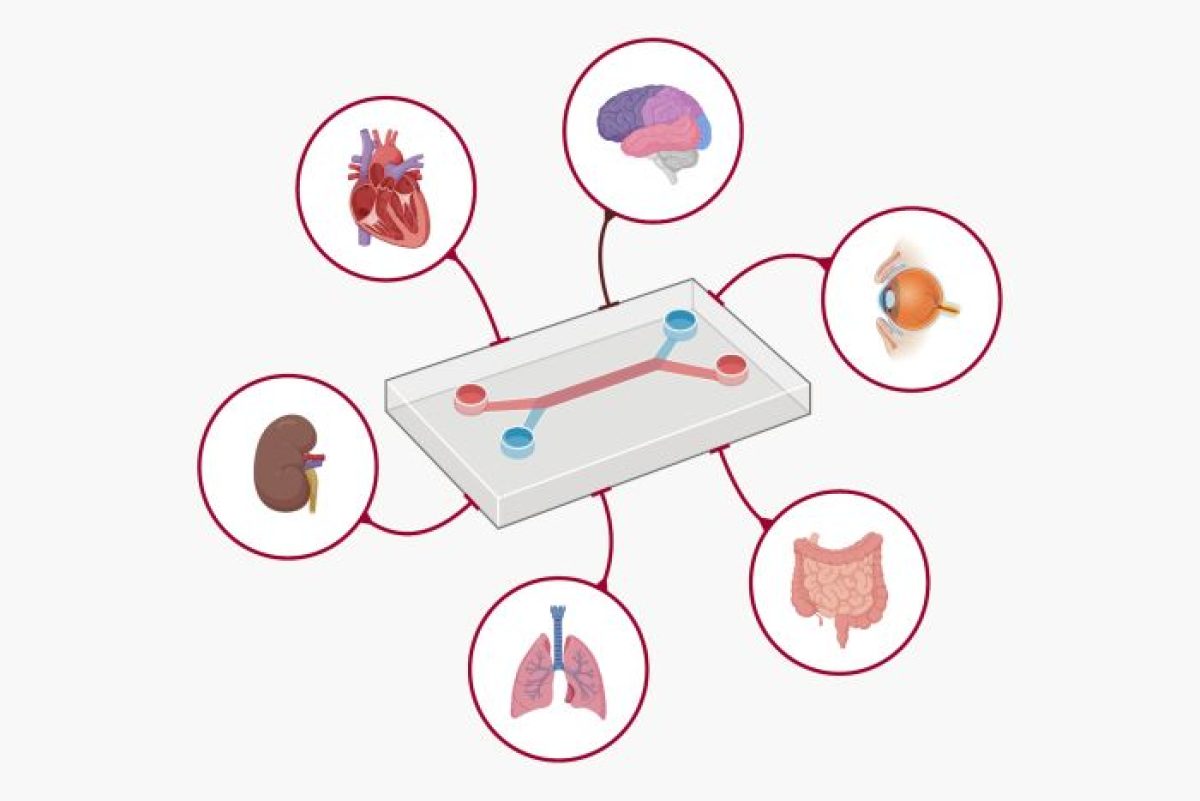
The rapidly evolving field of microfluidics holds immense promise for the continued development of heart on a chip technologies. Researchers are now focusing on further integrating these devices with multi-organ platforms to simulate more complex biological systems. This holistic approach could lead to monumental advances in understanding systemic drug effects and inter-organ communications.
Challenges and Technological Hurdles
Despite its transformative potential, several challenges persist:
Scalability and Standardization
One of the primary challenges is the scalability of heart on a chip devices. Standardizing chip designs, fabrication processes, and protocols is essential to making this technology universally accessible and ensuring reproducibility across studies. The industry is actively developing guidelines to overcome these obstacles.
Integration with Other Organ Systems
The future of heart on a chip technology lies in its integration with other organ-on-a-chip systems. This multi-organ approach would be critical for understanding the systemic response to drugs and diseases, ultimately leading to more comprehensive and personalized treatment plans.
Prospects for Clinical Application
As heart on a chip systems mature, their clinical translation becomes increasingly viable. Their ability to provide accurate, real-time data on cardiac function and drug responses makes them an invaluable tool in preclinical studies. In the future, these devices may play a pivotal role in:
- Enhancing the safety profile of new therapeutics during drug development.
- Facilitating more rapid and cost-effective clinical trials with reduced reliance on animal testing.
- Offering bespoke platforms for testing patient-specific responses in cardiology.
Detailed Comparison: Heart on a Chip vs. Traditional Models
The table below outlines key differences between heart on a chip technology and traditional methods like 2D cell cultures or animal models:
| Feature | Heart on a Chip | Traditional Models |
|---|---|---|
| Physiological Relevance | High; closely mimics human heart function | Often low; animal models differ, and 2D cultures lack 3D structure |
| Drug Testing Efficiency | High-throughput screening possible with controlled conditions | Time-consuming and variable responses |
| Cost Efficiency | Lower cost in long-term experimentation through scalability | Higher costs, especially with animal care and maintenance |
| Reproducibility | Greater consistency due to controlled microenvironment | Variable due to biological differences in animal models or static cultures |
| Personalization | Can use patient-specific cells for tailored therapies | Not applicable for individualized study |
This comparison underscores the advantages of heart on a chip systems in providing dynamic, reproducible, and accurate modeling of human cardiac function.
In-Depth Technical Insights and Future Research
In recent years, breakthroughs in microfabrication and cell biology have revolutionized the design of heart on a chip devices. Researchers are implementing advanced techniques such as multi-electrode arrays, biosensors, and integrated imaging systems to monitor cellular responses with unprecedented detail. The integration of biosensors, for instance, allows for the continuous monitoring of biochemical markers, pH levels, and electrophysiological signals directly from the chip environment.
Biosensing and Real-Time Monitoring
The integration of biosensors into heart on a chip platforms provides live data on cardiac cell responses. For example, sensors can measure oxygen consumption, ion fluxes, and electrophysiological signals, enabling researchers to dynamically monitor cellular health, stress responses, and drug interactions. This real-time feedback loop is indispensable in understanding complex biochemical pathways and the precise moments when interventions are required.
Cell Source and Genetic Advances
The evolution of stem cell technology has played a crucial role in advancing heart on a chip applications. hiPSCs have become a cornerstone, offering a limitless supply of patient-specific cardiomyocytes. These cells help replicate the heterogeneity found in human cardiac tissue. Advances in gene editing and CRISPR technology further increase the potential for creating precise genetic disease models, offering insights into rare and complex cardiac disorders that were previously challenging to study.
Researchers are now able to combine these cellular advances with microfluidic design to create highly sophisticated models that accurately mimic the cardiac environment—including anisotropic tissue structure, variable mechanical stresses, and complex electrical conduction patterns. Such multi-dimensional approaches are pivotal in advancing our understanding of cardiac pathophysiology and in testing therapeutics in conditions that closely resemble the clinical scenario.
References
- Heart-on-chip | Technology review - Elveflow Microfluidics
- Heart-on-a-Chip: A Microfluidic Marvel Shaping the Future of Cardiovascular Research - NIST
- Heart-on-a-chip: a revolutionary organ-on-chip platform - Translational Medicine
- Heart on a Chip - uFluidix
- Microfluidic heart on a chip for advanced cardiovascular research - Nature
Recommended Explorations
Last updated March 24, 2025