
Understanding Heart Palpitations and Pulmonary Tension
An informative overview on potential causes and considerations
Key Takeaways
- Non-specific Symptoms: Heart palpitations can arise from a range of factors including stress, sleep position, and lifestyle habits.
- Medical Evaluation Is Essential: A single measure described as "pulmonary tension is 30" requires professional clarification and proper diagnostic evaluation.
- Individual Variation: The experience of palpitations varies widely among individuals and cannot be used for self-diagnosis.
Overview of Heart Palpitations
Heart palpitations are sensations where the heart seems to be beating too hard, too fast, or skipping beats. Many factors can contribute to these sensations, particularly after sleeping for a few hours when the body is in a state of rest, and distractions that usually mask these feelings have subsided. In many cases, palpitations are benign and associated with non-serious causes, although they can sometimes be indicative of underlying conditions.
Common Causes of Nighttime Palpitations
Several common factors may trigger heart palpitations, especially noted during rest or after sleeping:
Sleep Position
Many individuals notice that palpitations are more evident when lying down. For example, sleeping on the left side – which positions the heart more prominently near the chest wall – can heighten the awareness of heartbeats.
Stress, Anxiety, and Emotional Factors
Relaxation of the body during sleep may unmask underlying anxiety or stress responses, leading to the sensation of a racing or pounding heart. The body's fight-or-flight mechanism, even if subtly activated by stress, can trigger palpitations.
Lifestyle and Dietary Influences
Consumption of caffeine, alcohol, or certain medications close to bedtime can increase the likelihood of experiencing heart palpitations. Dehydration and electrolyte imbalances, such as low levels of potassium or magnesium, are also common contributors that affect normal heart rhythms.
Other Potential Triggers
Sleep disorders, most notably sleep apnea, may also be associated with palpitations. Sleep apnea results in intermittent pauses in breathing during sleep, which can stress the cardiovascular system and contribute to abnormal heart rhythms.
Understanding Pulmonary Tension
The term "pulmonary tension" as described with a value of "30" is not a standard measure typically used in clinical practice. In cardiovascular health, measurements are more commonly expressed in terms of blood pressure (e.g., systolic/diastolic mmHg) or pulmonary arterial pressure.
Pulmonary Arterial Pressure
Pulmonary arterial pressure is usually measured in millimeters of mercury (mmHg) and assessed during heart imaging or catheterization. Pulmonary hypertension is a condition where the mean pulmonary arterial pressure exceeds a certain threshold—often noted as greater than 20 mmHg at rest. A value of "30" may suggest elevated pressure, yet it is unclear whether this measurement refers to systolic pressure, mean pressure, or another aspect.
Differentiating Measures
It is important to clarify the terminology used. While heart palpitations pertain to abnormal sensations in the heartbeat, pulmonary arterial pressures are evaluated to determine the load on the heart due to pressures in the lung circulation. The relationship between these two aspects is not straightforward and requires detailed clinical assessment.
Combining Potential Concerns
The combination of experiencing heart palpitations with a reported "pulmonary tension" value of 30 suggests that there may be an interplay between cardiac and pulmonary factors. However, several considerations should be noted:
| Aspect | Considerations | Clinical Questions |
|---|---|---|
| Heart Palpitations | May be influenced by sleep position, stress, caffeine intake, and anxiety. | Are the palpitations accompanied by chest pain, shortness of breath, or dizziness? |
| Pulmonary Tension | Typically measured as pulmonary arterial pressure; the value of 30 mmHg could indicate elevated pressure depending on context. | Is this value confirmed through standardized tests such as echocardiography or right heart catheterization? |
| Potential Underlying Conditions | Possible conditions include sleep apnea, arrhythmias, or pulmonary hypertension. | Have you experienced other symptoms like fatigue or difficulty breathing? |
Steps for a Comprehensive Evaluation
While the above information offers insight into potential factors that can contribute to your symptoms, it is imperative to consult with a healthcare provider for a proper evaluation. Given the variability and complexity of these symptoms, a medical professional can perform the following steps:
Detailed Medical History
Your doctor will review your overall medical history, lifestyle factors, and any relevant family history of heart conditions. Providing comprehensive information about when and how the palpitations occur is important.
Physical Examination
A thorough physical examination can help identify any physical signs that might point toward a specific heart or lung condition. Your physician may check your pulse, blood pressure (including readings of the pulmonary circulation if indicated), and perform listening exams with a stethoscope.
Diagnostic Testing
Several diagnostic tests might be recommended:
Electrocardiogram (ECG)
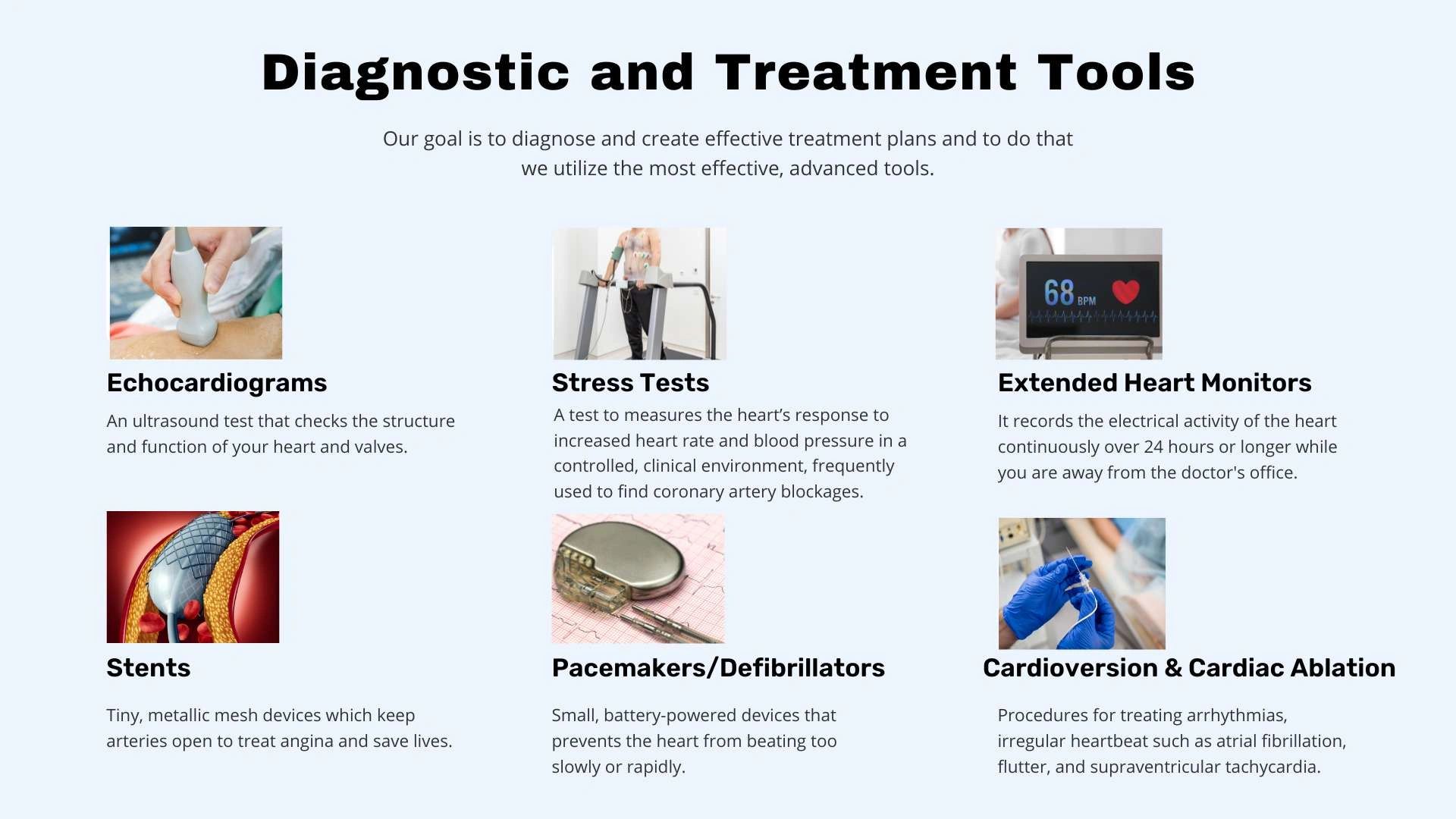
This test will record the electrical activity of your heart to detect arrhythmias or other abnormalities.
Echocardiogram
An ultrasound of the heart that can provide a picture of the structure and function of the heart chambers and valves, as well as estimate pulmonary pressures.
Holter Monitoring
This continuous recording of heart rhythm over 24 to 48 hours can help capture intermittent episodes of palpitations.
Sleep Studies
If sleep apnea is suspected, a sleep study (polysomnography) may be recommended to determine whether disruptions in breathing are contributing to your symptoms.
Understanding Limitations and Next Steps
It is important to recognize that as an AI assistant, I cannot offer a diagnosis. The information provided here is for educational purposes and is not a substitute for professional medical advice. The described measurements and symptoms could be associated with multiple reasons. Moreover, the use of the term "pulmonary tension" is nonstandard, and its proper interpretation depends on precise measurement techniques and diagnostic context.
If you experience additional symptoms such as prolonged dizziness, chest pain, or breathlessness, seeking urgent care is advisable. Discussing your concerns with a cardiologist or pulmonologist may lead to further targeted evaluations and tailored advice for your specific health status.
Further Resources and Information
To broaden your understanding and gain further insights, you can refer to several trusted resources on heart palpitations and pulmonary conditions:
- Heart Palpitations at Night - Healthline
-
Heart Palpitations at Night - Cleveland Clinic
- Pulmonary Hypertension - MedlinePlus
- Pulmonary Hypertension - NHLBI
- Revised Definition of Pulmonary Hypertension - AHA Journals
Recommended Further Queries
To explore additional insights related to your symptoms and conditions, you might consider the following queries:
Last updated March 7, 2025