
Unraveling the Mystery: Why Am I Suddenly So Hot, Sweaty, and Tired?
Exploring potential causes for heat intolerance, excessive sweating, fatigue, and joint pain in a 31-year-old man.
Experiencing unexplained heat intolerance and excessive sweating, coupled with fatigue and joint pain, can be concerning. For a 31-year-old man reporting these symptoms, several underlying factors could be at play. Understanding these potential causes is the first step toward finding answers and appropriate management.
Key Insights
- Systemic Cause Likely: The combination of heat intolerance, excessive sweating, fatigue, and joint pain strongly suggests an underlying systemic issue rather than just localized sweating.
- Thyroid Function is Key: Hyperthyroidism (an overactive thyroid gland) is a very common cause of these exact symptoms and should be investigated early.
- Environmental Factors Matter: Feeling better near a "gradation tower" is most likely due to environmental factors like cooler air or shade, rather than unproven effects of the tower itself.
Understanding the Symptoms
Decoding Your Body's Signals
Let's break down the primary and secondary symptoms reported:
- Heat Intolerance: This isn't just disliking hot weather; it's an abnormal sensitivity where your body feels overheated in temperatures others find comfortable. It often triggers other symptoms like profuse sweating, dizziness, or nausea.
- Excessive Sweating (Hyperhidrosis): Sweating significantly more than needed for normal body temperature regulation. This can be primary (idiopathic, often localized) or secondary (generalized, caused by an underlying condition or medication). Given the other symptoms, secondary hyperhidrosis is more suspected here.
- Fatigue: A persistent feeling of tiredness or lack of energy that isn't solely due to exertion. It's a common symptom accompanying many systemic conditions.
- Joint Pains: Aches or discomfort in the joints, which could indicate inflammation or be related to a broader systemic issue.
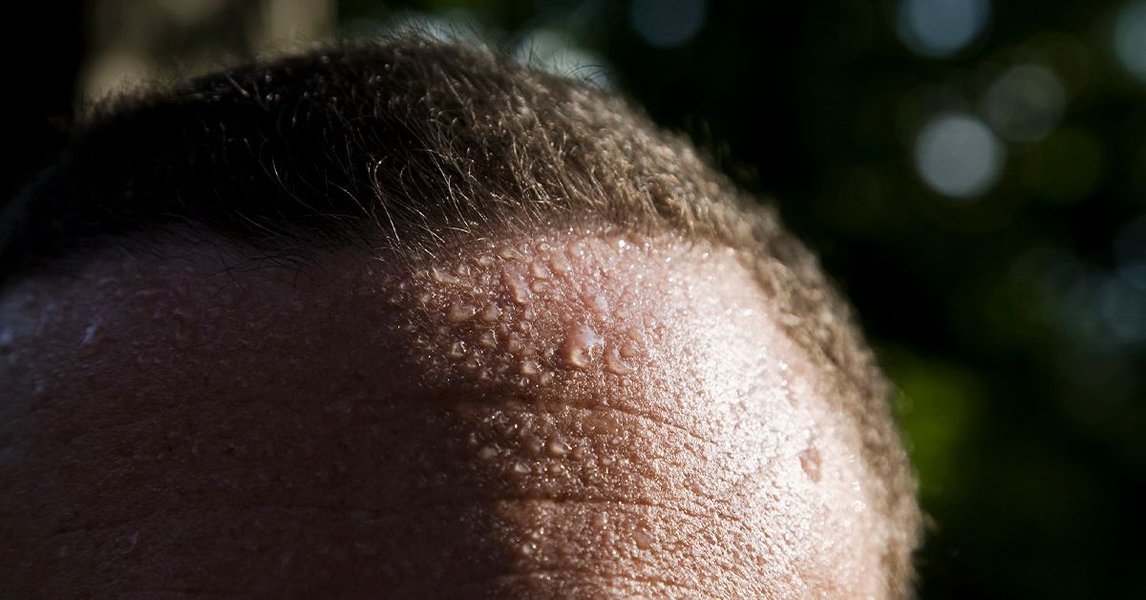
Excessive sweating can be a prominent symptom linked to heat intolerance.
Potential Underlying Causes
Investigating the Possibilities
Several medical conditions or factors could explain this constellation of symptoms:
Endocrine Disorders
Hormonal imbalances can significantly impact metabolism and temperature regulation.
- Hyperthyroidism (Overactive Thyroid): This is arguably the most common cause linking heat intolerance, excessive sweating, and fatigue. The thyroid gland produces too much thyroid hormone, speeding up metabolism, increasing body heat, and leading to these symptoms. Graves' disease, an autoimmune form of hyperthyroidism, can also sometimes be associated with joint pain or muscle weakness.
- Diabetes Mellitus: Both type 1 and type 2 diabetes can affect the autonomic nervous system, which controls sweating and temperature regulation, potentially leading to heat intolerance or excessive sweating. Fatigue is also a hallmark symptom.
- Pheochromocytoma: A rare tumor of the adrenal glands that produces excess adrenaline, leading to episodes of sweating, palpitations, headaches, and sometimes heat intolerance.
Medication Side Effects
A wide range of medications can interfere with the body's ability to regulate temperature or directly cause sweating.
- Common culprits include certain antidepressants (SSRIs, tricyclics), stimulants (like ADHD medications), some blood pressure medications, NSAIDs, antibiotics, and drugs used for Parkinson's disease. A thorough review of all current medications (prescription and over-the-counter) and supplements is crucial.
Autoimmune and Neurological Conditions
Conditions affecting the nervous system or causing widespread inflammation can manifest with these symptoms.
- Multiple Sclerosis (MS): MS damages the protective covering of nerves in the brain and spinal cord. This can disrupt signals controlling body temperature, leading to significant heat sensitivity (Uhthoff's phenomenon) and worsening fatigue.
- Rheumatologic Conditions: Diseases like Rheumatoid Arthritis (RA) or Systemic Lupus Erythematosus (SLE) primarily cause joint pain and fatigue but can sometimes involve autonomic dysfunction affecting sweating or temperature regulation.
- Dysautonomia: A dysfunction of the autonomic nervous system, which regulates involuntary functions like heart rate, blood pressure, digestion, and temperature control. Various forms of dysautonomia can cause heat intolerance and abnormal sweating patterns.
Primary Hyperhidrosis
While less likely given the associated symptoms of fatigue and joint pain, it's possible the excessive sweating is due to primary hyperhidrosis – overactive sweat glands without a known underlying cause. This usually starts earlier in life and often affects specific areas (hands, feet, underarms, face). However, it doesn't typically cause heat intolerance or joint pain directly.
Other Considerations
- Chronic Infections: Certain underlying infections (like tuberculosis) can cause generalized sweating (especially night sweats), fatigue, and sometimes joint aches.
- Dehydration: While not a root cause, dehydration can worsen heat intolerance and fatigue.
The "Gradation Tower" Phenomenon
Why Might Relief Occur Nearby?
The report of feeling better near a "gradation tower" is unusual but likely has a simple, environmental explanation. The term might refer to various structures, but a likely candidate mentioned in research is a salt gradation tower (used historically for salt production). These structures work by dripping brine over bundles of brushwood, allowing water to evaporate and concentrate the salt.

Gradation towers, whether for salt production or architectural features, can create localized microclimates.
The process of evaporation naturally cools the surrounding air significantly. Therefore, spending time near such a structure would expose the individual to a cooler microclimate, directly alleviating symptoms of heat intolerance. Other factors like increased shade or airflow around any large structure could also contribute.
If "gradation tower" refers to something else, like a cell phone or communication tower, there is no established scientific evidence that the radiofrequency (RF) emissions from these towers have therapeutic effects or alleviate symptoms like heat intolerance or sweating. The perceived improvement is far more likely coincidental or related to the environmental cooling effects mentioned above, or potentially a placebo effect.
Visualizing Symptom Contributors
Mapping Potential Causes
This mindmap illustrates the central symptoms and branches out to the potential underlying causes discussed, helping to visualize the connections:
Heat Intolerance,
Excessive Sweating,
Fatigue, Joint Pain
(31 y/o Male)"] id1["Endocrine Disorders"] id1a["Hyperthyroidism / Graves'"] id1b["Diabetes Mellitus"] id1c["Pheochromocytoma (Rare)"] id2["Medication Side Effects"] id2a["Antidepressants"] id2b["Stimulants"] id2c["Blood Pressure Meds"] id2d["NSAIDs / Antibiotics"] id3["Autoimmune / Neurological"] id3a["Multiple Sclerosis (MS)"] id3b["Rheumatologic (RA, Lupus)"] id3c["Dysautonomia"] id4["Primary Hyperhidrosis"] id5["Other Factors"] id5a["Chronic Infections"] id5b["Dehydration (Worsens)"] id6["'Gradation Tower' Effect"] id6a["Environmental Cooling (Evaporation, Shade, Breeze)"] id6b["Psychosomatic / Placebo"]
Comparing Potential Causes
Symptom Association Profile
This radar chart provides a visual comparison of how strongly some of the leading potential causes are typically associated with the reported symptoms. The scores are based on general medical understanding, where a higher score indicates a stronger association. Note that individual presentations can vary significantly.
Diagnostic Approach
Getting the Right Tests
A definitive diagnosis requires a consultation with a healthcare provider. The diagnostic process typically involves:
- Medical History: Detailed discussion of symptoms (onset, duration, triggers), medical history, family history, and current medications/supplements.
- Physical Examination: Assessing vital signs, checking for signs of thyroid disease (like an enlarged thyroid gland or eye changes), neurological signs, and examining joints.
- Laboratory Tests: Blood tests are crucial for identifying many potential causes.
The following table summarizes common initial tests:
| Test Category | Specific Tests | Purpose |
|---|---|---|
| Thyroid Function Panel | TSH (Thyroid Stimulating Hormone), Free T4, Free T3 | To check for hyperthyroidism or other thyroid disorders. Thyroid antibodies may be checked if Graves' disease is suspected. |
| Complete Blood Count (CBC) | Red blood cells, white blood cells, platelets | To check for signs of infection, anemia (which can contribute to fatigue), or other systemic issues. |
| Comprehensive Metabolic Panel (CMP) | Glucose, electrolytes, kidney function, liver function | To screen for diabetes, dehydration, electrolyte imbalances, and assess overall metabolic function. |
| Inflammatory Markers | ESR (Erythrocyte Sedimentation Rate), CRP (C-Reactive Protein) | To detect systemic inflammation, which might suggest autoimmune or infectious causes. |
| Autoimmune Screening | ANA (Antinuclear Antibody), RF (Rheumatoid Factor) | To screen for common autoimmune conditions if suspected based on symptoms (especially joint pain). |
Further testing (e.g., specific antibody tests, neurological evaluations, imaging) may be ordered based on these initial findings and clinical suspicion.
Understanding Hyperthyroidism
A Closer Look at a Common Cause
Given that hyperthyroidism is a leading suspect for this combination of symptoms, understanding it better can be helpful. This condition involves the thyroid gland producing excessive amounts of thyroid hormones, which regulate metabolism. The video below provides a concise overview of hyperthyroidism, covering its causes, symptoms, diagnosis, and treatment.
Symptoms often include weight loss despite increased appetite, rapid heartbeat, anxiety, tremors, fatigue, difficulty sleeping, and, importantly, heat intolerance and increased sweating. Prompt diagnosis and treatment are essential to manage symptoms and prevent complications.
Frequently Asked Questions (FAQ)
What exactly is hyperhidrosis?
Hyperhidrosis is a medical condition characterized by sweating excessively and unpredictably, beyond what's needed for temperature regulation. Primary hyperhidrosis usually starts in childhood or adolescence, affects specific body areas (like hands, feet, underarms), and isn't caused by another condition. Secondary hyperhidrosis is caused by an underlying medical condition (like thyroid disease, diabetes, infections) or as a side effect of medication, and it often involves more generalized sweating.
Can stress or anxiety cause these symptoms?
Stress and anxiety can certainly trigger or worsen sweating (nervous sweating) and contribute to fatigue. However, they are less likely to be the sole cause of significant heat intolerance and persistent joint pain. While managing stress is important, it's crucial to rule out underlying medical conditions, especially since conditions like hyperthyroidism can themselves cause anxiety.
If it's hyperthyroidism, is it serious?
Untreated hyperthyroidism can lead to complications, including heart problems (like atrial fibrillation or heart failure), eye problems (in Graves' disease), thinning bones (osteoporosis), and a rare but life-threatening intensification of symptoms called thyroid storm. However, hyperthyroidism is generally very treatable with medications, radioiodine therapy, or sometimes surgery. Early diagnosis and proper management significantly reduce the risk of serious complications.
What should I do now?
The most important next step is to consult a healthcare professional. Discuss all your symptoms, including the heat intolerance, excessive sweating, fatigue, joint pain, and the observation about the gradation tower. They can perform the necessary examinations and order appropriate tests to determine the underlying cause and recommend a suitable treatment plan.
Recommended Reading
- What are the early symptoms of hyperthyroidism in men?
- How is secondary hyperhidrosis diagnosed and treated?
- Which medications commonly cause heat intolerance or excessive sweating?
- Can autoimmune diseases cause problems with temperature regulation?
References
Last updated April 27, 2025