
Maximizing Your Height Potential After 28
Comprehensive strategies to enhance your stature and overall well-being
Key Takeaways
- Growth plates closure: Once growth plates fuse, increasing height naturally is not feasible.
- Posture and exercise: Regular stretching and strengthening can improve posture, making you appear taller.
- Nutritional support: A balanced diet rich in essential nutrients is crucial for bone health and overall wellness.
Understanding Height Growth After 28
Height is primarily determined by genetic factors and the natural growth processes that occur during childhood and adolescence. By the age of 28, most individuals have reached their maximum adult height. This is because the growth plates, or epiphyseal plates, located at the ends of long bones, have typically closed, preventing further longitudinal bone growth.
Why Growth Stops After 28
The cessation of height increase post-28 is due to the fusion of growth plates, a process influenced by hormonal changes during late adolescence and early adulthood. Once these plates are closed, the bones can no longer increase in length. While certain medical conditions or hormonal therapies can influence bone growth, such interventions are not standard and should only be considered under professional medical guidance.
Strategies to Appear Taller and Enhance Overall Health
1. Exercise and Stretching
Regular Stretching Exercises
Incorporating stretching routines into your daily regimen can improve spinal flexibility and posture. Exercises such as forward bends and spinal stretches help elongate the spine, reducing slouching and promoting an upright stance.
Strength Training
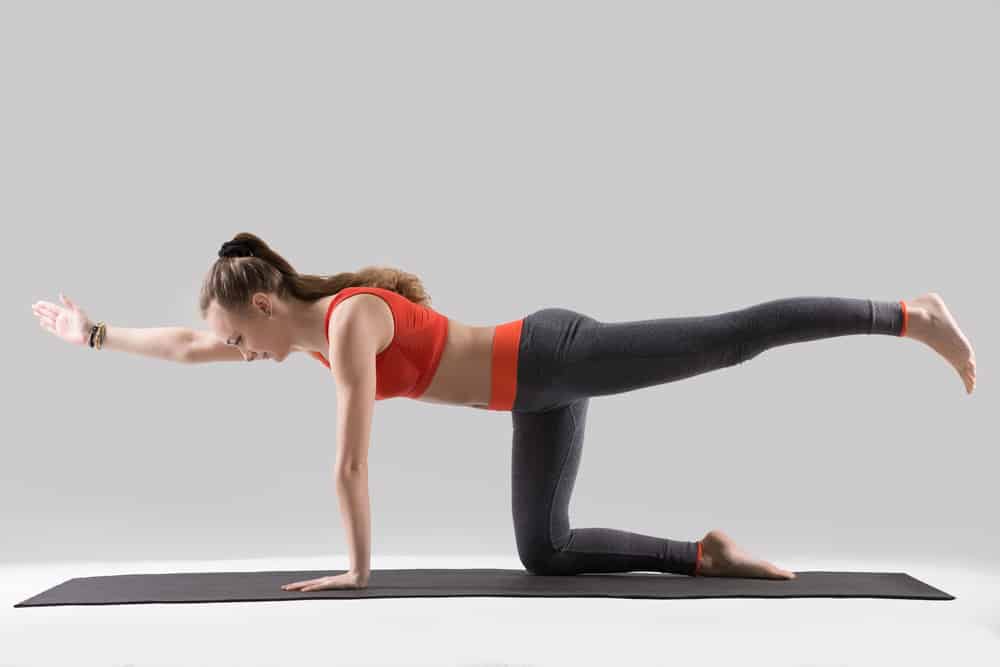
Focusing on strengthening core and back muscles supports better posture. Engaging in Pilates or yoga enhances muscle tone and flexibility, contributing to a taller appearance.
2. Posture Improvement
Mindfulness of Posture
Being consciously aware of your posture while sitting, standing, and walking can prevent slouching. Simple adjustments, such as aligning your spine and keeping shoulders back, can significantly affect how tall you appear.
Professional Guidance
Consulting a physical therapist can provide personalized exercises and techniques to improve posture. Professional guidance ensures that you are using the correct methods to enhance your stance and overall body alignment.
3. Nutritional Support
Balanced Diet
A diet rich in essential nutrients supports bone health and overall physical wellness. Key nutrients include:
- Calcium: Found in dairy products, leafy greens, and fortified foods, calcium is vital for maintaining bone density.
- Vitamin D: Essential for calcium absorption, vitamin D can be obtained through sunlight exposure and foods like fatty fish and fortified dairy products.
- Protein: Lean meats, fish, eggs, and legumes provide the necessary building blocks for muscle and bone repair.
- Magnesium and Zinc: These minerals, present in nuts, whole grains, and vegetables, contribute to bone health and metabolic functions.
Maintaining Bone Health
While increasing height is not possible post-growth plate closure, maintaining bone health is crucial. A strong skeletal system prevents conditions like osteoporosis and ensures that your posture remains optimal.
4. Adequate Sleep
Quality sleep is essential for overall health and well-being. During sleep, the body undergoes repair processes, including the secretion of growth hormones that maintain bone density and muscle health. Ensuring 7-9 hours of restful sleep each night supports these functions.
5. Footwear and Lifestyle Choices
Supportive Footwear
Wearing shoes with supportive soles or a slight heel can enhance your perceived height. Footwear that promotes good posture and provides arch support can also contribute to a more upright stance.
Active Lifestyle
Maintaining an active lifestyle keeps muscles toned and flexible, which supports better posture. Regular physical activity reduces the risk of muscle stiffness and fatigue that can lead to slouching.
Practical Tips and Techniques
Stretching Routines
Implement the following stretching exercises to improve posture and spinal flexibility:
| Exercise | Description | Benefits |
|---|---|---|
| Forward Bend | Bend forward at the hips, reaching towards your toes while keeping your legs straight. | Stretches the spine and hamstrings, improving flexibility. |
| Superwoman | Lie face down and simultaneously lift your arms, chest, and legs off the ground. | Strengthens core and back muscles, enhancing posture. |
| Bar Hanging | Hang from a pull-up bar with arms fully extended. | Stretches the spine and decompression of vertebral discs. |
| Tadasana (Mountain Pose) | Stand tall with feet together, arms at sides, and stretch upward. | Improves posture and balance. |
Posture Correcting Techniques
Adopt the following techniques to maintain an upright posture:
- Keep your shoulders back and down, away from your ears.
- Align your ears with your shoulders and hips.
- Engage your core muscles to support your spine.
- Distribute your weight evenly on both feet when standing.
Balanced Diet Tips
Ensure your diet includes the following to support bone health:
- Incorporate dairy products like milk, cheese, and yogurt for calcium.
- Consume fatty fish such as salmon and mackerel for vitamin D.
- Include lean proteins like chicken, turkey, and legumes.
- Add leafy greens, nuts, and whole grains for magnesium and zinc.
Healthy Sleep Habits
Adopt these habits to improve sleep quality and support overall health:
- Maintain a consistent sleep schedule by going to bed and waking up at the same times daily.
- Create a restful environment by keeping your bedroom cool, dark, and quiet.
- Avoid electronic devices at least an hour before bedtime to reduce blue light exposure.
Choosing the Right Footwear
Select shoes that provide adequate arch support and cushioning. Consider shoes with a slight heel to enhance your height without compromising comfort or causing strain.
Maintaining an Active Lifestyle
Engage in regular physical activities such as walking, swimming, or cycling to keep your muscles toned and flexible. An active lifestyle also promotes overall health, which indirectly supports a better posture.
Additional Recommendations
Avoiding Harmful Habits
Steer clear of habits that can negatively affect bone health and posture:
-
Quit smoking to prevent bone density loss and promote overall health.
-
Limit alcohol consumption, as excessive intake can interfere with bone metabolism.
Consulting Healthcare Professionals
If you have concerns about your height or bone health, consult with a healthcare professional. They can provide personalized advice and potential treatments to support your overall well-being.
Conclusion
While increasing your natural height after the age of 28 is not biologically possible due to the fusion of growth plates, there are effective strategies to enhance your appearance and maintain overall health. By focusing on posture improvement, engaging in regular exercise and stretching, maintaining a balanced diet rich in essential nutrients, and adopting healthy lifestyle habits, you can maximize your stature and promote well-being. Remember that confidence and a positive attitude also play significant roles in how you present yourself to the world.
References
Last updated February 14, 2025