
Gardner Helium Cold Trap Overview
A Comprehensive Examination of Design, Functionality, and Applications
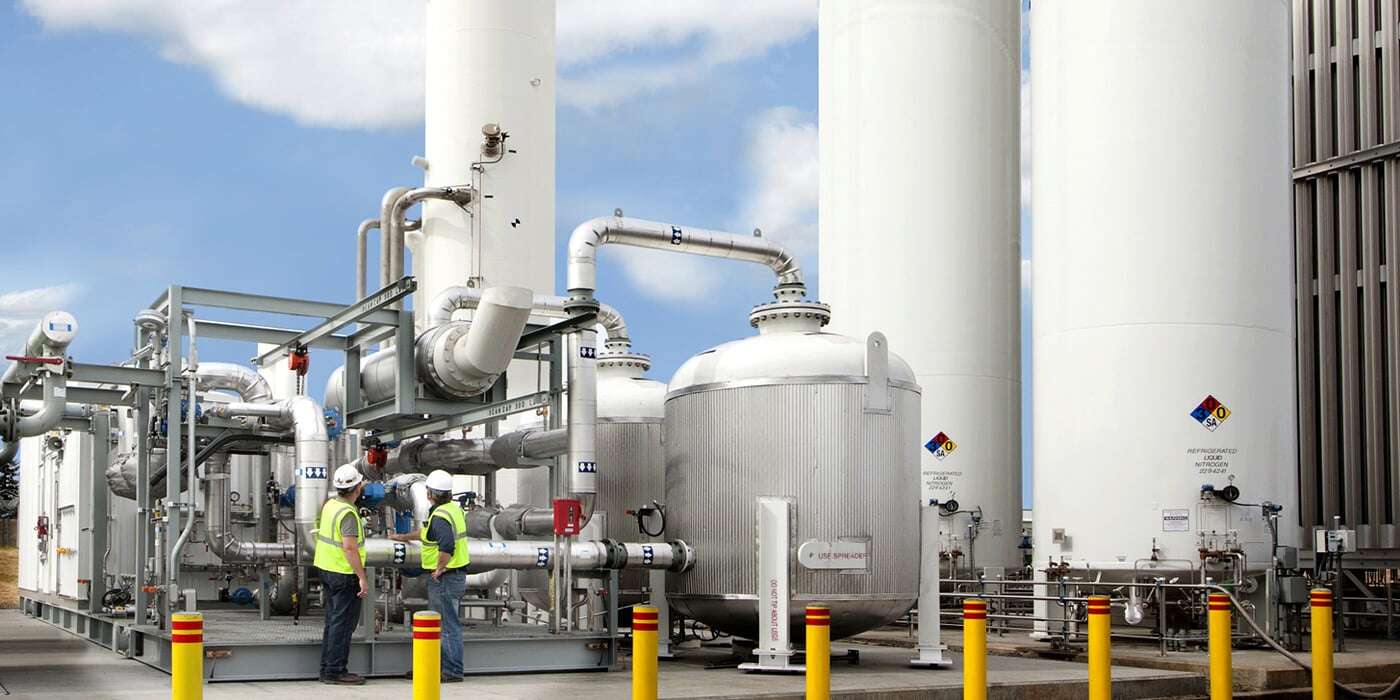
Key Highlights
- High Purity Maintenance: Enhances helium purity by trapping contaminant gases that traditional traps may miss.
- Versatile Temperature Control: Utilizes cryogenic methods, including liquid nitrogen and helium, to achieve extremely low temperatures.
- Adaptable Integration: Suitable for integration with both laboratory-scale and industrial gas handling systems.
Understanding the Gardner Helium Cold Trap
The Gardner Helium cold trap is a sophisticated device engineered primarily for the purification of helium gas in various cryogenic processes. Its fundamental role is to absorb and trap impurities that might otherwise compromise the performance of sensitive equipment in laboratory and industrial applications. These impurities, including gases such as argon and water vapor, can degrade the quality of helium. By condensing these contaminants, the cold trap not only preserves the integrity of helium but also extends the working life and efficiency of the associated devices, particularly in systems like helium dilution refrigerators.
Core Functions and Mechanisms
Purification Process
The cold trap is designed to operate at very low temperatures, making it instrumental in condensing vapors and removing contaminants. In a typical setting, a stream of helium gas is directed through the cold trap where impurities are typically adsorbed, condensed, or even solidified. The process relies on cryogenic methods that maintain a stable and extremely low temperature regime, thereby ensuring that even minute quantities of contaminants are effectively removed.
Temperature Control Techniques
Different temperature control methodologies are employed, depending on the application. For instance, many laboratory setups use a combination of dry ice and isopropanol to achieve temperatures as low as -79°C. Alternatively, liquid nitrogen or even liquid helium can be used to further reduce the operating temperature. In some systems, the temperature achieved by these methods is maintained for several hours. In a configuration using dry ice/isopropanol, the trap temperature can generally be held steady for up to 12 hours, whereas systems utilizing liquid nitrogen might maintain the required cold conditions for a shorter duration, approximately two hours.
Design and Integration
Gardner Cryogenics, renowned for manufacturing equipment for the storage and transport of cryogenic fluids, leverages advanced design concepts across its product lines, including helium cold traps. The devices feature unique fittings that facilitate easy integration with existing gas handling and vacuum systems, including dilution refrigerators. This adaptability is crucial in both conventional laboratory environments and in industries that handle large-scale cryogenic operations.
Compatibility and Adaptability
The design philosophy behind the Gardner Helium cold trap is based on compatibility. It is suitable for any system where high-purity helium is necessary. Its modular design allows for its incorporation into diverse systems without extensive modification, ensuring a seamless sync with currently used vacuum pumps and storage systems. The adaptability of the cold trap makes it particularly valuable in industrial processes, where minimizing contamination can directly influence the performance of equipment like superconducting devices, gas chromatography systems, and dilution refrigerators.
Industrial and Laboratory Applications
Given its ability to efficiently expel impurities from helium gas, the cold trap finds utility in a broad spectrum of applications. In advanced research labs, the high purity of helium is critical when performing experiments in cryogenics, superconductivity, and materials science. Industrially, maintaining a controlled, pure helium supply is essential for processes such as precision machining, semiconductor fabrication, and other areas where even minor impurities can lead to significant operational issues. The use of Gardner Cryogenics’ products, including large capacity containers for liquid helium storage, further underscores the company’s commitment to quality and reliability in cryogenic applications.
Product Line and Technological Innovations
Gardner Cryogenics’ portfolio is extensive, featuring not only the helium cold trap but also a range of specialized products that cater to both laboratory and industrial needs. While the Gardner Helium cold trap is specifically designed to enhance helium purity, other integrated solutions like the Gardner Denver Welch Cold Trap offer additional functionalities that complement the overall cryogenic systems.
The Gardner Denver Welch Cold Trap
This variant of the cold trap is designed predominantly for use in suction and vacuum lines. Although it might use similar cooling techniques, the Gardner Denver Welch Cold Trap emphasizes rapid cooling and long-term temperature stability. It can achieve temperatures as low as -79°C using a mixture of dry ice and isopropanol, a technique that provides a reliable, steady source of low temperatures over extended periods. Such capacity is essential when protecting vacuum pumps from potential condensation damage, ensuring prolonged operational effectiveness.
Operational Efficiency and Performance
Efficiency in trapping impurities is a pivotal characteristic of these devices. Gardner’s cold traps are engineered to create an environment that maximizes condensation of unwanted substances without impacting the helium flow adversely. In many configurations, a helium cold trap not only safeguards the integrity of experimental and industrial outputs but also contributes to enhanced process efficiencies overall. For instance, in gas chromatography, maintaining a high purity state of helium carrier gas is critical, and the use of a cryo trap can reduce the ppm or even ppb-level contaminants.
Storage and Transport Applications
Beyond the realm of purification, Gardner Cryogenics is widely recognized for their cutting-edge solutions in the storage and transportation of liquid helium and liquid hydrogen. One of their most notable products includes large-scale highway-use containers and stationary storage systems. The precise integration of cold traps in such systems ensures that the cryogenic fluids maintain their desired properties during transit and storage, thereby preserving the effectiveness of the procedures that rely on these substances.
Key Application Areas
The utilization of cold traps in conjunction with storage solutions by Gardner Cryogenics broadens the scope of their applications significantly. Some of the principal sectors include:
- Research laboratories and cryogenic testing facilities
- Industrial plants engaged in semiconductor manufacturing
- Medical and scientific instrumentation reliant on high purity cryogens
- Facilities requiring the safe transportation and storage of liquid helium and hydrogen
Comparative Analysis: Gardner Cold Traps and Conventional Cooling Systems
To offer a comprehensive understanding, it is instructive to analyze the differences between Gardner cold traps and other conventional cooling systems in widespread industrial use. Unlike standard refrigeration units which are optimized for bulk cooling, cold traps—especially those designed for cryogenic applications—focus on impurity removal and isolation of gases. The higher efficiency of condensation under extremely low temperatures sets them apart.
Efficiency in Contaminant Removal
The Gardner Helium cold trap eliminates impurities that a nitrogen cold trap might overlook. Its design allows for the absorption of gases such as argon, which are particularly resistant to removal by conventional methods. Additionally, the cold trap’s deep cooling capability allows it to address even very low boiling point contaminants, ensuring that the helium processed reaches the required high levels of purity demanded by sensitive applications.
Physical Mechanisms
The central mechanism involves drawing a helium stream into a device maintained at subzero temperatures. As the gas passes through, contaminants condense on surfaces, effectively removing them from the flow. This is a physical phase change process, rather than a chemical reaction, which means that the integrity of the helium gas remains unchanged while impurities are separated out. This process is indispensable in precision applications within cryogenics and gas chromatography where slight impurities can have substantial negative effects.
Technical Specifications and Operational Parameters
To provide more granularity regarding the operational details of the Gardner Helium cold trap, the following table summarizes a comparative analysis of key parameters observed in this system and its related variants.
| Feature | Helium Cold Trap | Gardner Denver Welch Cold Trap |
|---|---|---|
| Operating Temperature | \( \text{\(-79^\circ C\) to cryogenic levels} \) | \( \text{\(-79^\circ C\) with dry ice/isopropanol and lower with LN2} \) |
| Application | Purification of helium in dilution refrigerators and vacuum systems | Protection of vacuum pumps and contamination control in suction/vacuum lines |
| Cooling Method | Utilizes cryogenic fluids such as liquid helium and liquid nitrogen | Dry ice with isopropanol, with optional integration of liquid nitrogen |
| Duration at Target Temperature | Dependent upon system design and fluid usage | Up to 12 hours with dry ice/isopropanol; 2 hours with liquid nitrogen |
| Integration | Compatible with laboratory and industrial cryogenic systems | Designed for integration with suction lines and Schlenk lines |
These comparative details underscore the precision engineering behind Gardner’s cold trap solutions. The ability to achieve and maintain extremely low temperatures combined with effective integration into various systems makes Gardner's solutions a preferred choice in settings where high purity and electrical reliability are critical.
Environmental and Operational Considerations
When deploying a cryogenic cold trap system, several environmental factors must be taken into account. Key among these are thermal insulation, pressure regulation, and the stability of coolant supplies. Proper insulation is critical as even a marginal heat leak can reduce efficiency by allowing impurities to re-enter the system or by causing fluctuations in temperature that might compromise the integrity of the cryogen.
Thermal Insulation and Control
Advanced materials and engineering techniques are employed by companies like Gardner Cryogenics to minimize thermal intrusion. Effective insulation ensures that the cold trap maintains its operational temperature with minimal loss of energy, thereby increasing the reliability of long-duration experiments and industrial processes. Moreover, insulation aids in the prevention of condensation in undesired areas, further enhancing the overall purity of the system.
Pressure Regulation
Pressure regulation is another vital aspect of cold trap functionality. In cryogenic systems, the pressure differentials can become significant, especially when large volumes of helium are handled. Maintaining a balanced pressure environment minimizes risks associated with rapid phase changes or potential damage to sensitive equipment such as vacuum pumps. Gardner products typically incorporate pressure monitoring instruments, ensuring that operators can continually assess system conditions and adjust settings to maintain optimal performance.
Safety and Maintenance
Safety is a consistent priority in the design of cryogenic equipment. The cold traps manufactured by Gardner and its affiliates follow strict industry standards to ensure safe operation under extreme conditions. Regular maintenance, including inspection of fittings and thermal interfaces, is recommended to prevent any operational failures. A rigorously maintained cold trap not only extends the lifespan of the unit but also ensures uninterrupted, high-purity output for both research and industrial production.
Broader Impact and Future Directions
Cold trap technology has significantly influenced experimental physics, cryogenics, and industrial gas handling systems. Gardner Cryogenics and related manufacturers continue to innovate, presenting systems that not only meet current demands but also prepare the framework for future technological advances. The increasing demand for highly specialized, high purity gases in semiconductor manufacturing, superconductivity experiments, and even space exploration drives the development of more sophisticated, efficient, and reliable cryogenic systems.
Expanding Applications and Research
With ongoing advancements in material science and thermodynamics, cold traps are continuously being refined. Future developments may include integration with digital control systems, improved thermal materials for better insulation, and more efficient methods to recycle helium in closed loop systems. Such progress ensures that cold traps remain at the forefront of technologies designed for extreme conditions, benefiting a broad spectrum of scientific research and cutting-edge industrial applications.
Research and Development Focus
R&D efforts are particularly focused on minimizing energy consumption, maximizing the duration of low-temperature maintenance, and further enhancing the integration capabilities with modern digital monitoring and control systems. These improvements will not only optimize operational performance but also lead to safer, more environmentally sustainable practices within the cryogenic industry.
References
- Gardner Cryogenics - Gardner Cryogenics
- Helium Products - Gardner Cryogenics
- Cryogen Level Probes and Cold Traps - Oxinst
- Dry Ice Cold Trap, Welch®, Gardner Denver - VWR
- Gardner Denver Welch Cold Trap - Galileo Equipment
Recommended Further Queries

Last updated March 12, 2025