
Exploring "Hello": A Universal Greeting and Cultural Phenomenon
An in-depth look into the origins, usage, and impact of "hello" across language and culture
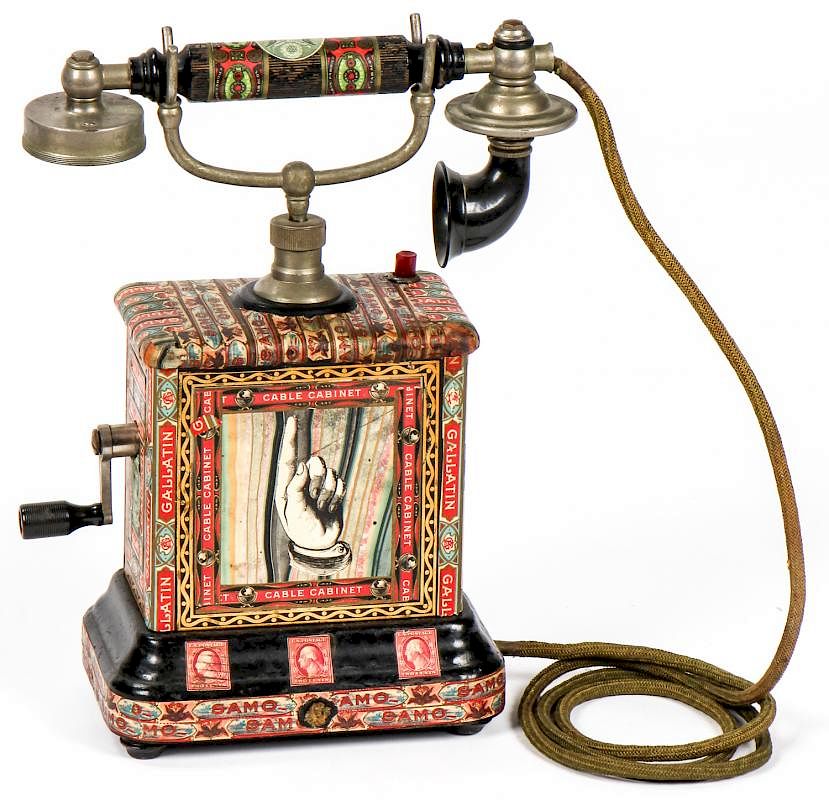
Highlights
- Historical Evolution: The word "hello" emerged in the early 19th century and evolved from earlier forms in German and French.
- Cultural Significance: "Hello" remains an essential greeting used in a variety of formal, informal, and even technological contexts worldwide.
- Modern Impact: Beyond being a greeting, "hello" has influenced musical hits and pop culture narratives, reflecting its broad cultural resonance.
Understanding the Origins and Evolution of "Hello"
Historical Background
The term "hello" has a fascinating historical progression that dates back to the early 1800s. It was first recorded in writing in 1826, indicating that it was already in popular usage in spoken language. Its etymological roots can be traced primarily to the German exclamation "hallo" and the French "holà," both originally used as calls to attract attention. These earlier forms were part of everyday communication, serving as expressions to greet someone, capture the attention of passing strangers, or signal a need for acknowledgement.
Over time, "hello" became standardized due to its widespread use in various settings, including early telephonic conversations. As the telephone gained prominence in the late 19th century, "hello" emerged as the conventional greeting when answering the phone. This uniformity in greeting helped shape social interactions and set the precedent for many contemporary communication practices.
Linguistic Evolution
Linguistically, "hello" evolved from variants like "hallo," "hollo," and even "hullo." The linguistic transformation can be seen as an adaptation to the needs of conversational etiquette in a rapidly modernizing world. Initially, these exclamations signified surprise or a call for attention. With the widespread adoption of the telephone, however, the greeting was repurposed to facilitate a smoother beginning to conversations regardless of whether they were in-person or over long distances.
Today, "hello" is recognized as both a casual and formal salutation, demonstrating its versatility. Its application spans from greeting acquaintances in everyday life to initiating formal business meetings. The evolution of "hello" underscores how language adapts to technological and social changes, embodying the dynamic nature of human communication.
Cultural and Social Significance
Beyond its etymological origins, "hello" holds a significant place in cultural and social practices. It is one of the first words learned by children across different languages, symbolizing the inception of social engagement. The simplicity of the greeting belies its role as a gateway to human connection―a small word that opens the door to countless interactions.
In social interactions, saying "hello" is more than a formality; it’s a courteous acknowledgment that fosters a sense of community. In various professional environments, the greeting establishes a respectful and friendly tone, setting the stage for productive communication. This universal appeal makes "hello" one of the most recognized and essential terms in English and other languages.
"Hello" in Modern Culture and Media
Musical Interpretations of "Hello"
In recent decades, "hello" has transcended its role as a greeting to become a cultural symbol in the world of music. Several prominent songs bearing the title "Hello" have captured public imagination and demonstrated the word’s versatility.
Adele’s "Hello" (2015)
One of the most striking examples is Adele’s soulful ballad "Hello," released in 2015 as part of her album 25. This powerful track diverges from the simple greeting to explore themes of nostalgia, regret, and reconciliation. The song resonated with millions around the world, topping charts across numerous countries and solidifying its place in modern pop culture. Its success was further augmented by the record-breaking popularity of its music video, which contributed to a lasting visual and auditory impact.
Notably, Adele's rendition of "hello" employs a rich musical narrative, transforming a common greeting into a metaphor for reconnecting with past memories, relationships, and life-changing experiences. Its success can be seen in its extensive airplay, sales records—including surpassing one million digital copies in a week—and multiple prestigious awards. This track not only redefined the perception of a simple word but also showcased how a familiar term can be reimagined to evoke deep emotional responses.
Lionel Richie’s "Hello" (1984)
Another iconic interpretation comes from Lionel Richie’s "Hello," which was released in 1984. This song is renowned for its romantic overtone and became a signature hit for the artist. Its compelling melody and evocative lyrics turned the word into an invitation for romance, as it captures the essence of longing and meeting someone special.
Even with an entirely different stylistic approach compared to Adele’s rendition, Lionel Richie’s "Hello" has maintained enduring appeal over the decades. It serves as an example of how the word can encapsulate varied emotional landscapes―from introspection and melancholy to the excitement of new love.
"Hello" in Educational and Digital Contexts
The word "hello" is not only pivotal in everyday spoken language but also serves as an educational tool. For instance, it is frequently featured in simple language tutorials, children’s songs, and early language learning programs. The ubiquity of "hello" in such educational settings underscores its simplicity and effectiveness as an introductory term to human interaction.
In digital culture, the term has been immortalized by its role in the iconic "Hello, World!" program—a simple computer program that is traditionally the first exercise for beginners learning a new programming language. This program provides an accessible entry point into the world of coding, thereby linking the word "hello" to technology and innovation. It symbolizes a welcoming gateway into the digital realm, inviting new programmers to explore further and create within a modern technological landscape.
Global Usage and Variations
While "hello" is predominantly an English-language greeting, its variants and equivalents exist in almost every culture. In many languages, there are similar expressions used to initiate conversation and acknowledge the presence of others, contributing to a shared human experience across diverse linguistic landscapes.
Variations of "hello" often embrace cultural nuances. For example, some languages employ more formalized versions for professional or respectful contexts, while casual conversations might favor abbreviated greetings. Despite these differences, the universal need for a friendly introduction remains consistent, emphasizing the common ground that language provides in building human connections.
A Comparative Look: Uses and Applications of "Hello"
Table: Contexts and Characteristics of "Hello"
| Aspect | Description | Context |
|---|---|---|
| Historical Usage | Originated in the early 19th century from variants like "hallo" and "holà". Gained popularity with the advent of the telephone. | Everyday conversational language, telecommunication. |
| Modern Greeting | Universally recognized salutation that is culturally neutral and adaptable for both formal and informal settings. | Social interactions, business meetings, casual encounters. |
| Musical Influence | Featured as a song title and lyrical motif in popular music. Prominent in works by Adele and Lionel Richie. | Pop culture, music industry, and digital media. |
| Educational Role | Used in language learning, children's songs, and introductory computer programming exercises. | Academic settings, digital tutorials, language programs. |
Analyzing the Multifaceted Usage of "Hello"
The universal applicability of "hello" is attributable to several factors. It is succinct, easy to pronounce, and adaptable, qualities that have helped it retain a steadfast place in everyday communication. Whether spoken as a friendly greeting, used as an icebreaker, or integrated into digital code, "hello" serves as a linchpin for initiating interactions.
In both casual and formal contexts, this greeting acts as a precursor to more detailed conversations, setting a positive tone. When answering phone calls, the greeting helps overcome the initial barrier of digital communication by providing a familiar auditory signal. Additionally, in public spaces or digital forums, starting with "hello" can diffuse tension and invite open dialogue, reinforcing social bonds.
Furthermore, its cross-disciplinary presence—from linguistics and culture to technology and music—illustrates how a single word can influence multiple facets of society. The transformation of "hello" from a simple exclamation to an emblem of modern culture highlights the evolution of language in parallel with technological advancement and socio-cultural shifts.
Impact on Communication and Society
Role in Building Social Connections
The simple act of saying "hello" has far-reaching implications when it comes to human relationships. In personal interactions, a friendly greeting helps establish rapport and can ease the uncertainty inherent in meeting new people. The psychological comfort derived from familiar greetings promotes a welcoming environment, fostering interconnectivity and community.
In professional contexts, commencing a conversation with "hello" can set the groundwork for collaboration and trust between colleagues, clients, and business partners. Its universality makes it an easily understood token of goodwill, assisting in bridging cultural and linguistic divides.
Technological Integration
In the realm of technology, "hello" has made a mark as a globally recognized coding tradition. The "Hello, World!" program, often the first exercise for learners in programming courses, serves not just as an introduction to syntax but also as a symbol of initiating the digital dialogue. This phenomenon has reaffirmed the connection between traditional communication and modern innovation.
As virtual assistants, chatbots, and digital interfaces become more integrated into daily life, the importance of simple, human-centered greetings grows. These systems often use "hello" as a starting point to engage users, underscoring the need for empathy and approachability in an increasingly automated world.
Broadening the Horizon: Global Perspectives on "Hello"
Multilingual Usage and Adaptations
While "hello" is predominantly an English-language term, its concept has equivalents in virtually all other languages. In each linguistic community, there are tailored greetings that fit cultural norms and expectations. For instance, in Spanish one might say "hola," in French "bonjour," and in German "hallo" or "guten Tag." Despite the differences in pronunciation and formality, these greetings serve a shared human purpose: a warm, inviting acknowledgment of another's presence.
The translation of "hello" across languages also offers intriguing insights into cultural exchange. The adaptations and adoptions of similar greetings highlight the interconnectedness of human societies and the fluid nature of language. This universal practice of offering a greeting not only underscores the diversity of linguistic expression but also reinforces the common threads that bind varied cultural narratives.
The Influence of "Hello" on Art and Literature
Literature and art have long celebrated simple greetings as a motif for human connections. Writers and poets often use the term "hello" as a literary device to evoke a sense of beginning, openness, and emotional vulnerability. In film and theater, a well-timed "hello" can mark the start of a dramatic reunion or the introduction of an enigmatic character, setting the stage for unfolding narratives.
Music, as previously discussed, has adopted "hello" in multiple paradigms. Whether rendered as an introspective ballad or a catchy line in popular tunes, "hello" remains a reminder of the power inherent in initiating communication. It is both a literal and metaphorical gesture—a small word with the power to transform social landscapes and artistic expressions.
Conclusion
In conclusion, "hello" is much more than a mere greeting. It is a linguistic relic that has grown in purpose and significance over nearly two centuries. From its historical origins in early 19th-century exclamations to its status as a modern staple in both greetings and popular culture, "hello" represents the evolution of human communication. The term has successfully traversed the boundaries of language, technology, and art, making it an enduring symbol of connection and commencement.
Whether employed as an everyday salutation, a marker of technological learning, or the centerpiece of a hit song, "hello" continues to resonate with people around the world. Its widespread usage in diverse contexts underscores a universal desire for warmth, recognition, and dialogue. As language and culture continue to evolve, "hello" is poised to remain a timeless reminder that all great interactions begin with a simple greeting.
References
- Hello - Wikipedia - Wikipedia
- HELLO definition and meaning | Collins English Dictionary - Collins Dictionary
- Hello Meaning | Meaning of Hello | What Does Hello Mean? - MeaningsLab
- HELLO | definition in the Cambridge English Dictionary - Cambridge Dictionary
- Hello Definition & Meaning - Merriam-Webster - Merriam-Webster
- HELLO Definition & Meaning - Dictionary.com - Dictionary.com
Recommended
Last updated February 26, 2025